Rhacel Salazar Parreñas - Böcker
Visar alla böcker från författaren Rhacel Salazar Parreñas. Handla med fri frakt och snabb leverans.
11 produkter
11 produkter
1 288 kr
Skickas inom 10-15 vardagar
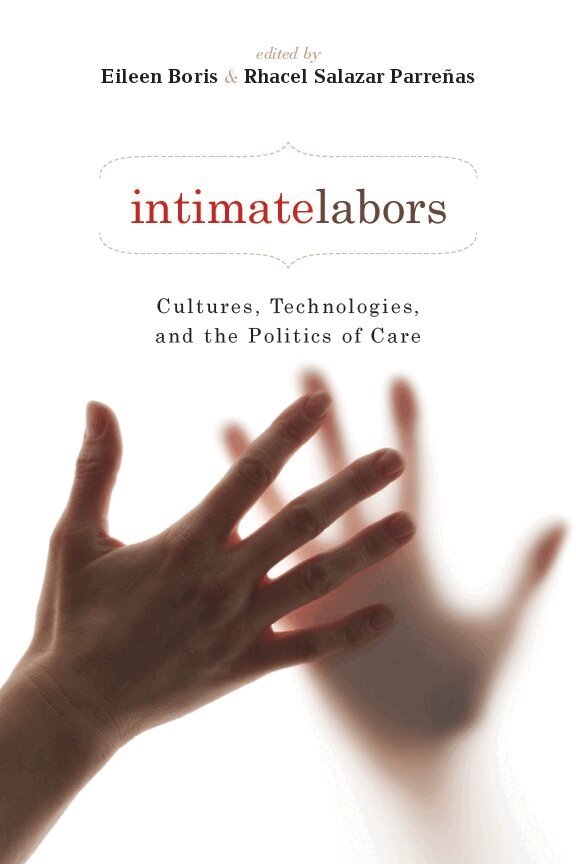
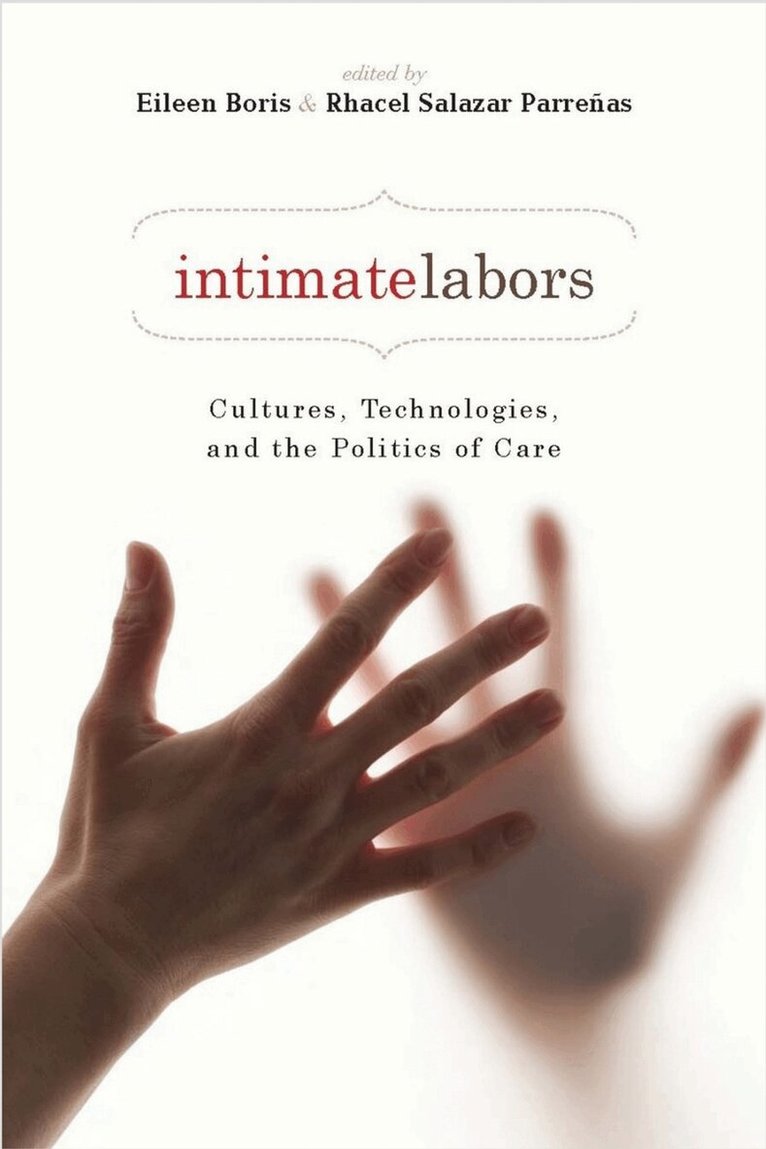
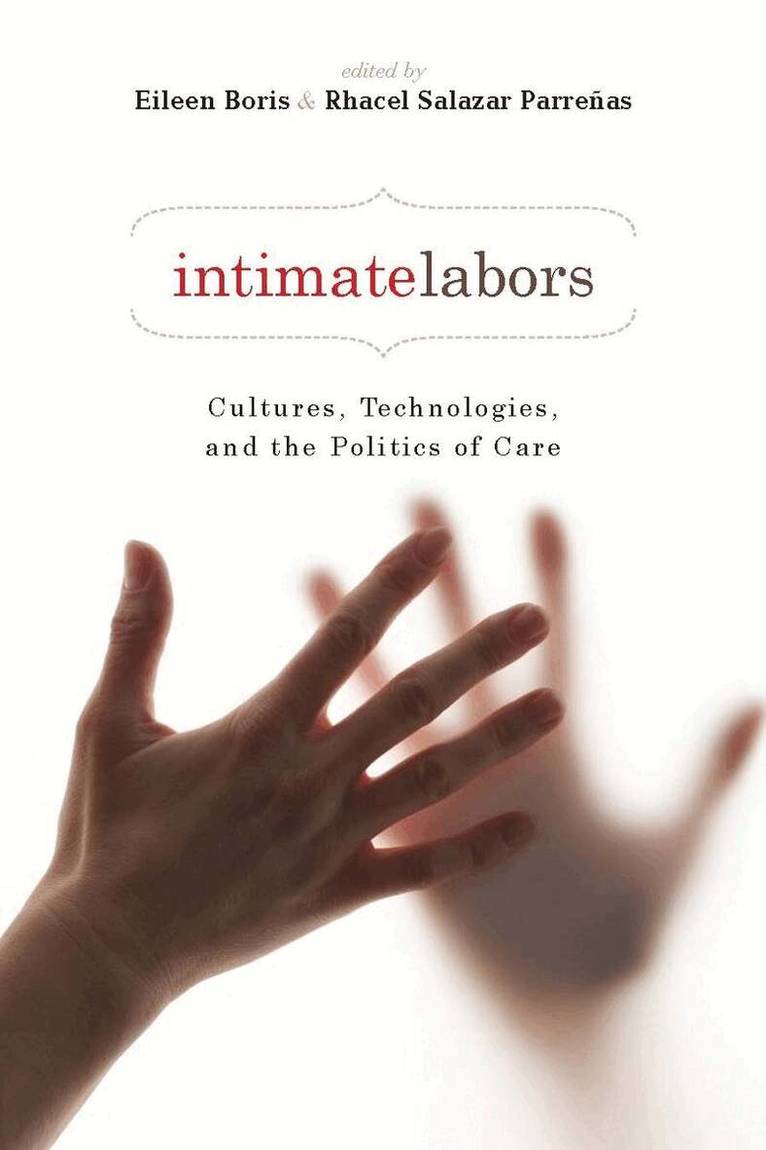
What do home health aides, call center operators, prostitutes, sperm donors, nail manicurists, and housecleaners have in common? Around the world, they make their livings through touch, closeness, and personal care. Their labors, both paid and unpaid, sustain the day-to-day work that we require to survive. This book takes a close look at carework, domestic work, and sex work in everyday life and illuminates the juncture where money and intimacy meet.Intimate labor is presented as a comprehensive category of investigation into gender, race, class, and other power relations in the context of global economic transformations. In chronicling the history of intimate labor in light of the rise and devolution of welfare states, women's workforce participation, family formation, the expansion of sex work into new industries, and the development of institutions for dependent people, this wide-ranging reader advances debates over the relationship between care and economy.
309 kr
Skickas inom 7-10 vardagar
What do home health aides, call center operators, prostitutes, sperm donors, nail manicurists, and housecleaners have in common? Around the world, they make their livings through touch, closeness, and personal care. Their labors, both paid and unpaid, sustain the day-to-day work that we require to survive. This book takes a close look at carework, domestic work, and sex work in everyday life and illuminates the juncture where money and intimacy meet.Intimate labor is presented as a comprehensive category of investigation into gender, race, class, and other power relations in the context of global economic transformations. In chronicling the history of intimate labor in light of the rise and devolution of welfare states, women's workforce participation, family formation, the expansion of sex work into new industries, and the development of institutions for dependent people, this wide-ranging reader advances debates over the relationship between care and economy.
914 kr
Skickas inom 10-15 vardagar
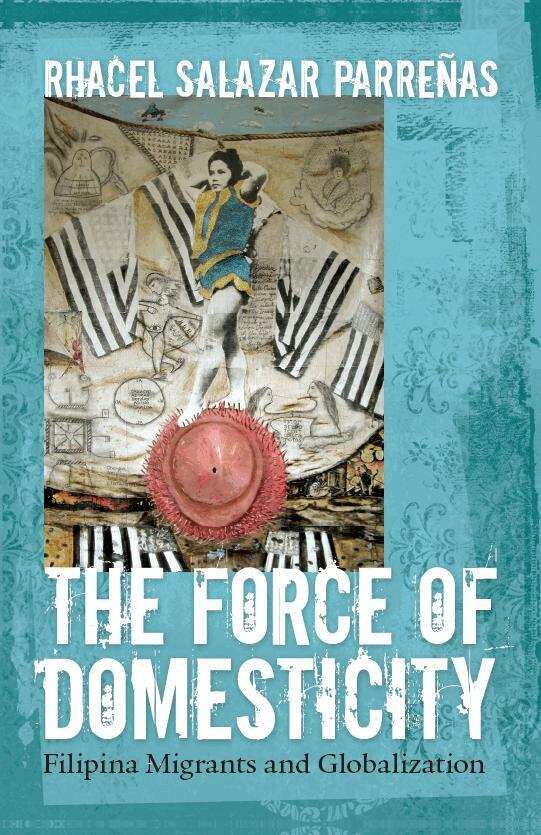
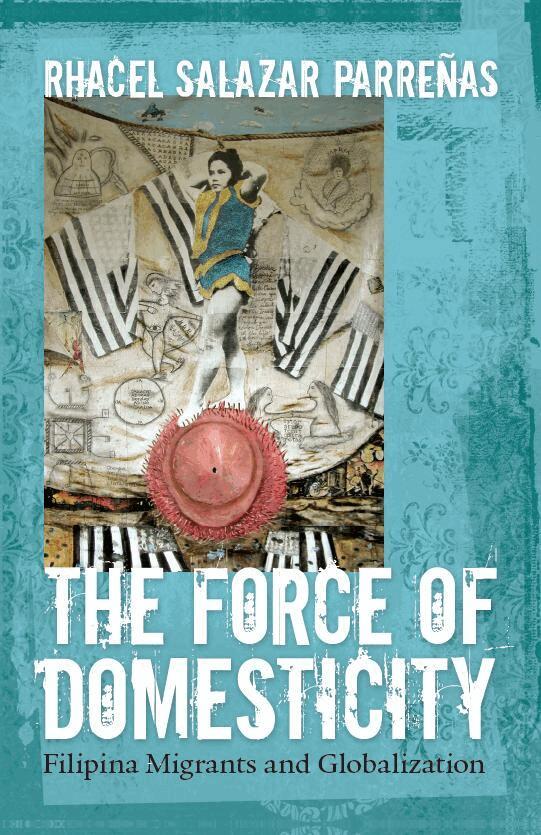
Taking as her subjects migrant Filipina domestic workers in Rome and Los Angeles, transnational migrant families in the Philippines, and Filipina migrant entertainers in Tokyo, Parreñas documents the social, cultural, and political pressures that maintain women's domesticity in migration, as well as the ways migrant women and their children negotiate these adversities.Parreñas examines the underlying constructions of gender in neoliberal state regimes, export-oriented economies such as that of the Philippines, protective migration laws, and the actions and decisions of migrant Filipino women in maintaining families and communities, raising questions about gender relations, the status of women in globalization, and the meanings of greater consumptive power that migration garners for women. The Force of Domesticity starkly illustrates how the operation of globalization enforces notions of women's domesticity and creates contradictory messages about women's place in society, simultaneously pushing women inside and outside the home.
362 kr
Skickas inom 7-10 vardagar
Taking as her subjects migrant Filipina domestic workers in Rome and Los Angeles, transnational migrant families in the Philippines, and Filipina migrant entertainers in Tokyo, Parreñas documents the social, cultural, and political pressures that maintain women's domesticity in migration, as well as the ways migrant women and their children negotiate these adversities.Parreñas examines the underlying constructions of gender in neoliberal state regimes, export-oriented economies such as that of the Philippines, protective migration laws, and the actions and decisions of migrant Filipino women in maintaining families and communities, raising questions about gender relations, the status of women in globalization, and the meanings of greater consumptive power that migration garners for women. The Force of Domesticity starkly illustrates how the operation of globalization enforces notions of women's domesticity and creates contradictory messages about women's place in society, simultaneously pushing women inside and outside the home.
152 kr
Skickas inom 7-10 vardagar
This issue addresses how laborers within intimate industries-those who do interpersonal work that tends to the sexual, bodily, health, hygiene, or care needs of individuals-are shaping Asia’s growing role in the global economy. The contributors investigate how intimate industries support relational connections for consumers while disrupting laborers’ relationships, as in the case of migrants who perform intimate labor away from their families and communities of origin. The articles collected here include examinations of such trade-offs and their complex meanings and implications for the workers. The authors explore these social processes through the lens of industries that organize, enable, or delimit the trade in domestic labor, marriage migration, companionship and romance, sex work, pornographic performance, surrogate mothering and ova donation, and cosmetics sales. This issue puts people, as embodied subjects, back into narratives of economic change and offers a perspective on globalization from below.Contributors: DaniÈle BÉlanger, Hae Yeon Choo, Nicole Constable, Daisy Deomampo, Akhil Gupta, Chaitanya Lakkimsetti, Pei-Chia Lan, Purnima Mankekar, Eileen Otis, Juno Salazar ParreÑas, Rhacel ParreÑas, Sharmila Rudrappa, Celine ParreÑas Shimizu, Rachel Silvey, Hung Cam Thai, Leslie Wang
2 088 kr
Skickas inom 10-15 vardagar
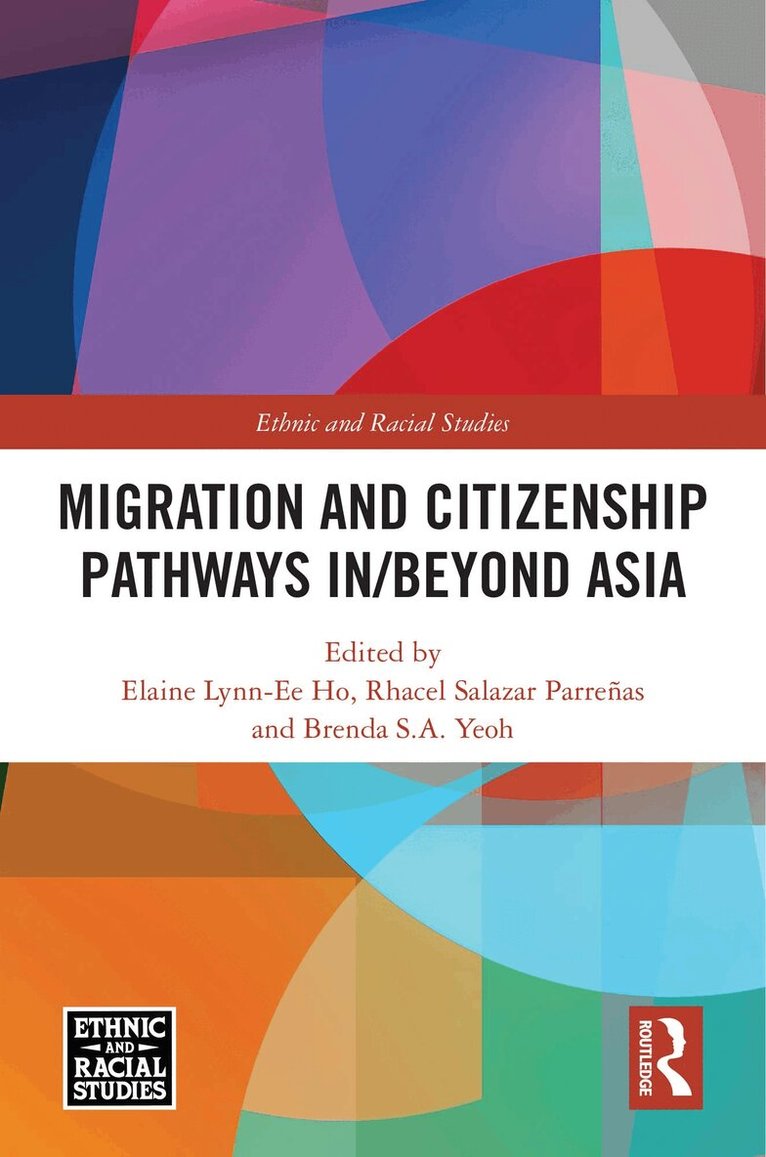
This edited volume explores the complex and varied pathways to citizenship that migrants navigate in both sending and receiving countries. By examining the diverse strategies which migrants employ to handle uncertainties and global disparities, this work highlights how citizenship pathways evolve across national and transnational spaces, as well as over time. Citizenship pathways are defined as the routes and processes through which migrants achieve citizenship recognition and redistribution, influencing their pursuit of personal and family goals. This approach reveals how different migrant groups experience membership and access economic opportunities, with some gaining political and social rights while others face denial. Additionally, migrants’ responses to policy changes and their adaptive strategies reshape citizenship practices. This volume underscores the dynamic interplay between migration and citizenship, illustrating how power relations among states, migrants, and non-migrants are continuously renegotiated, affecting societal structures and individual life choices.This book was originally published as a special issue of Ethnic and Racial Studies.
184 kr
Skickas inom 7-10 vardagar
The phrase “human trafficking” often conjures nightmarish images of sexual exploitation but Rhacel Salazar Parreñas reveals that the majority of trafficking victims are domestic workers—who suffer abuse at the hands of “ordinary” family employers. Drawing on twenty years of research across three continents, Parreñas exposes the grim realities faced by migrant workers ensnared in forced labour due to poverty and debt bondage. She uncovers how entrenched social and legal norms, coupled with a patronising “employer saviour complex”, foster a troubling sense of ownership among employers over “their” domestic workers.Through powerful firsthand accounts, Parreñas illustrates migrants’ desperation and the power dynamics that often lead to modern-day slavery. Parreñas’s urgent narrative challenges readers to confront uncomfortable truths about everyday household arrangements and calls for justice and fair treatment for all workers.
120 kr
Kommande
“Kaya mo ba?” Can you take it? An instructor asks this of a group of migrant workers in the Philippines, as they prepare for domestic work in wealthier countries. Can you take the grueling work? “Kaya,” the women say. “We can.”The phrase “human trafficking” often conjures nightmarish images of sexual exploitation, but Rhacel Salazar Parreñas reveals that the vast majority of trafficking victims are domestic workers who suffer abuse not at the hands of shadowy crime lords but rather “ordinary” family employers.Drawing on twenty years of groundbreaking research across three continents, Parreñas exposes the grim realities faced by migrant workers ensnared in forced labor due to poverty and debt bondage. She uncovers how entrenched social and legal norms, coupled with a patronizing “employer savior complex,” foster a troubling sense of ownership among employers over “their” domestic workers.Through powerful firsthand accounts—including harrowing stories of workers living in hot, windowless rooms, experiencing food deprivation, having their makeup, jewelry, and phones confiscated, and having their wages stolen—Parreñas illustrates the migrants’ desperation, and the power dynamics that lead to a global network of exploitation. Parreñas’s urgent narrative challenges readers to confront uncomfortable truths about everyday household arrangements and calls for justice and fair treatment for all workers.
152 kr
Skickas inom 7-10 vardagar
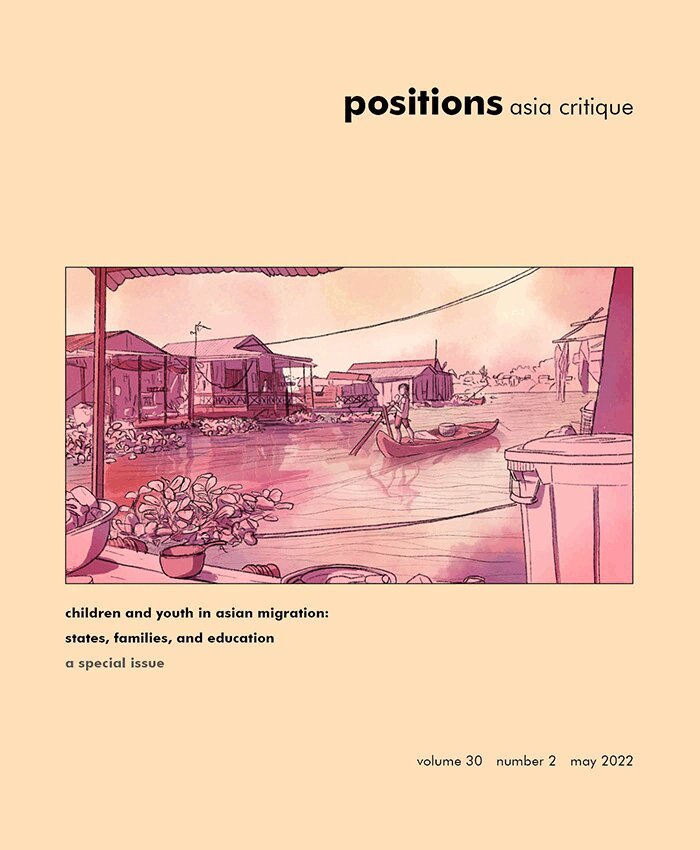
Focusing on the state, family, and education, contributors to this special issue examine migration through the experiences of children and youth. The authors provide a critical perspective on the structural inequalities that define migration in Asia, calling attention to ethnic exclusion, the plight of multigenerational undocumented and stateless children, and the geopolitical inequalities that shape migration flows across the continent.
1 011 kr
Skickas inom 7-10 vardagar
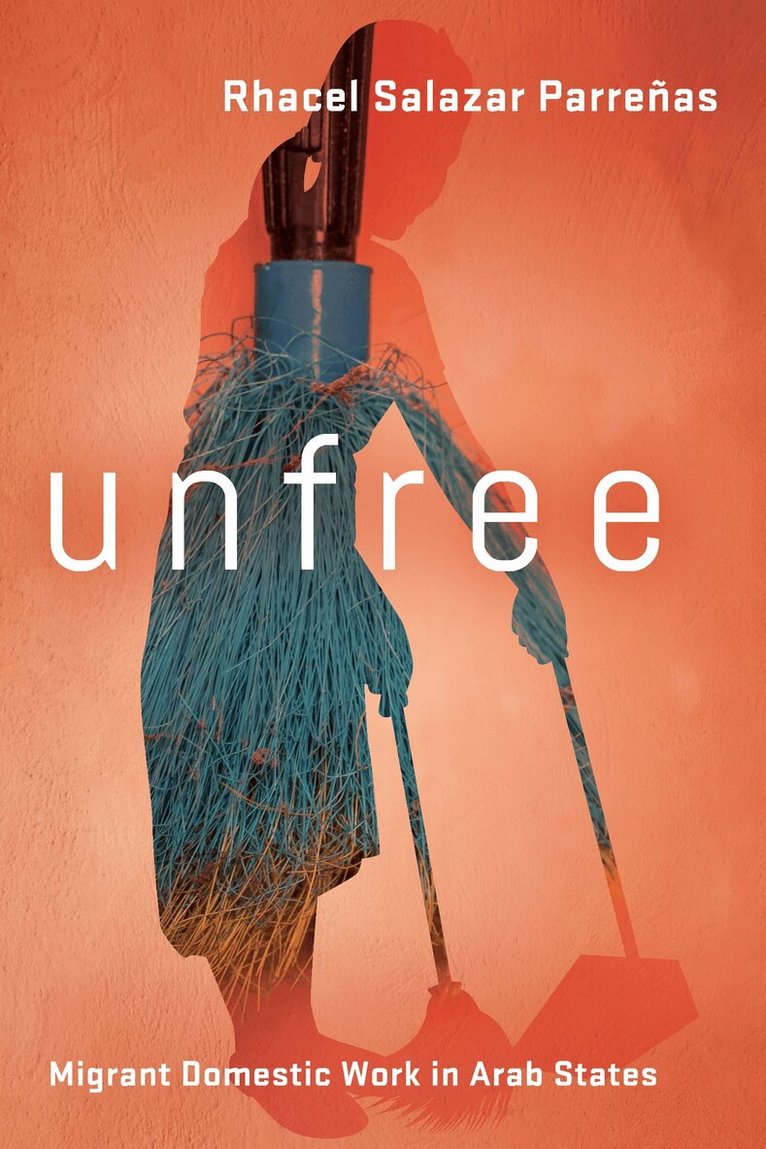
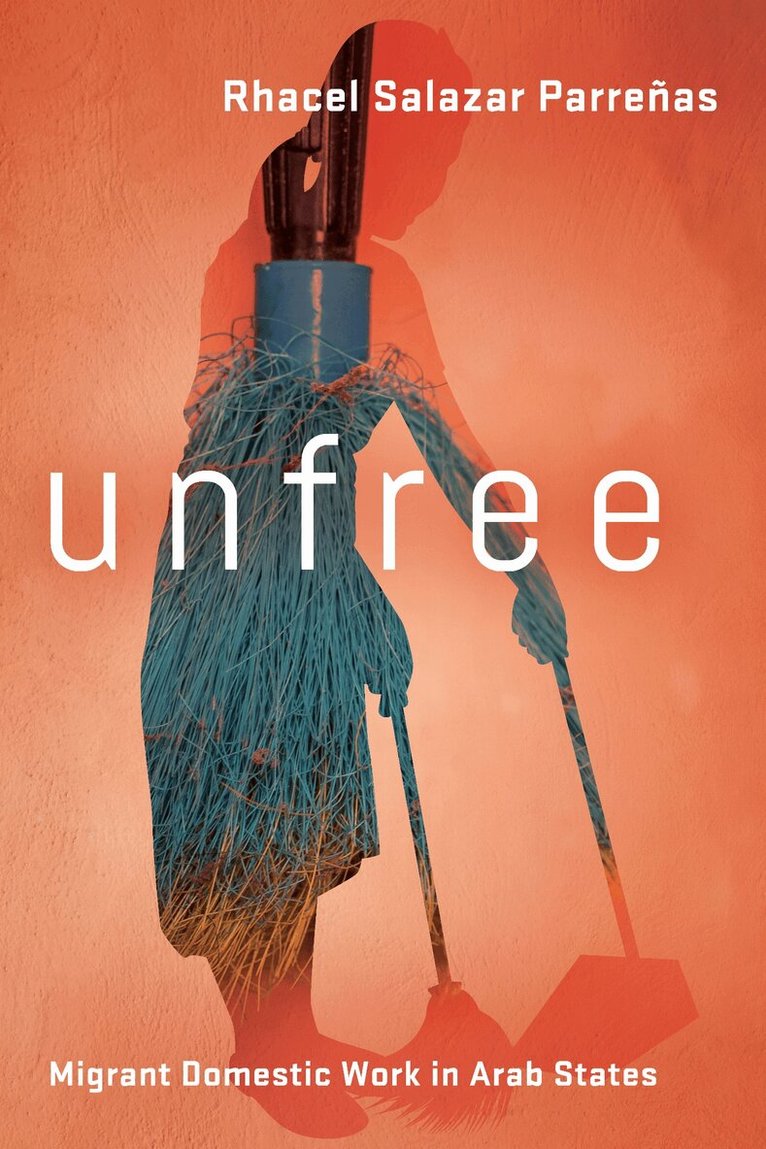
A stirring account of the experiences of migrant domestic workers, and what freedom, abuse, and power mean within a vast contract labor system.In the United Arab Emirates, there is an employment sponsorship system known as the kafala. Migrant domestic workers within it must solely work for their employer, secure their approval to leave the country, and obtain their consent to terminate a job. In Unfree, Rhacel Salazar Parreñas examines the labor of women from the Philippines, who represent the largest domestic workforce in the country. She challenges presiding ideas about the kafala, arguing that its reduction to human trafficking is, at best, unproductive, and at worst damaging to genuine efforts to regulate this system that impacts tens of millions of domestic workers across the globe.The kafala system technically renders migrant workers unfree as they are made subject to the arbitrary authority of their employer. Not surprisingly, it has been the focus of intense scrutiny and criticism from human rights advocates and scholars. Yet, contrary to their claims, Parreñas argues that most employers do not abuse domestic workers or maximize the extraction of their labor. Still, the outrage elicited by this possibility dominates much of public discourse and overshadows the more mundane reality of domestic work in the region. Drawing on unparalleled data collected over 4 years,this book diverges from previous studies as it establishes that the kafala system does not necessarily result in abuse, but instead leads to the absence of labor standards. This absence is reflected in the diversity of work conditions across households, ranging from dehumanizing treatment, infantilization, to respect and recognition of domestic workers.Unfree shows how various stakeholders, including sending and receiving states, NGOs, inter-governmental organizations, employers and domestic workers, project moral standards to guide the unregulated labor of domestic work. They can mitigate or aggravate the arbitrary authority of employers. Parreñas offers a deft and rich portrait of how morals mediate work on the ground, warning against the dangers of reducing unfreedom to structural violence.
245 kr
Skickas inom 7-10 vardagar
A stirring account of the experiences of migrant domestic workers, and what freedom, abuse, and power mean within a vast contract labor system.In the United Arab Emirates, there is an employment sponsorship system known as the kafala. Migrant domestic workers within it must solely work for their employer, secure their approval to leave the country, and obtain their consent to terminate a job. In Unfree, Rhacel Salazar Parreñas examines the labor of women from the Philippines, who represent the largest domestic workforce in the country. She challenges presiding ideas about the kafala, arguing that its reduction to human trafficking is, at best, unproductive, and at worst damaging to genuine efforts to regulate this system that impacts tens of millions of domestic workers across the globe.The kafala system technically renders migrant workers unfree as they are made subject to the arbitrary authority of their employer. Not surprisingly, it has been the focus of intense scrutiny and criticism from human rights advocates and scholars. Yet, contrary to their claims, Parreñas argues that most employers do not abuse domestic workers or maximize the extraction of their labor. Still, the outrage elicited by this possibility dominates much of public discourse and overshadows the more mundane reality of domestic work in the region. Drawing on unparalleled data collected over 4 years,this book diverges from previous studies as it establishes that the kafala system does not necessarily result in abuse, but instead leads to the absence of labor standards. This absence is reflected in the diversity of work conditions across households, ranging from dehumanizing treatment, infantilization, to respect and recognition of domestic workers.Unfree shows how various stakeholders, including sending and receiving states, NGOs, inter-governmental organizations, employers and domestic workers, project moral standards to guide the unregulated labor of domestic work. They can mitigate or aggravate the arbitrary authority of employers. Parreñas offers a deft and rich portrait of how morals mediate work on the ground, warning against the dangers of reducing unfreedom to structural violence.