Riccardo Accorsi – författare
Visar alla böcker från författaren Riccardo Accorsi. Handla med fri frakt och snabb leverans.
7 produkter
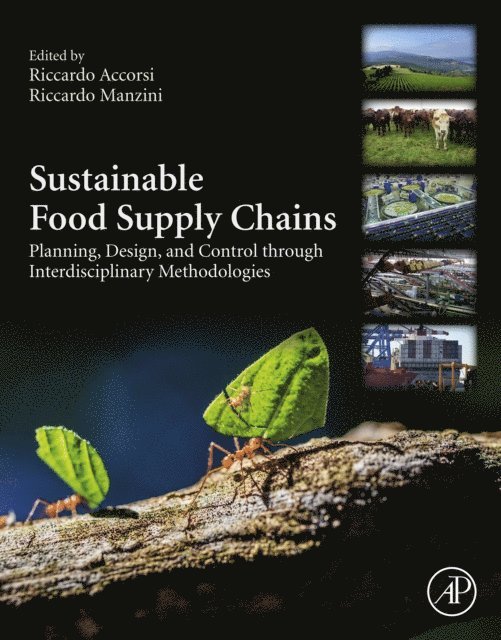
Sustainable Food Supply Chains
Planning, Design, and Control through Interdisciplinary Methodologies
Av Riccardo Accorsi, Riccardo Manzini
Häftad, 2019
2022 kr
Lägg i varukorg
Sustainable Food Supply Chains: Planning, Design, and Control through Interdisciplinary Methodologies provides integrated and practicable solutions that aid planners and entrepreneurs in the design and optimization of food production-distribution systems and operations and drives change toward …
Sustainable Food Supply Chains
Planning, Design, and Control through Interdisciplinary Methodologies
Av Riccardo Manzini, Riccardo Accorsi
E-bok, 2019
2842 kr
Lägg i varukorg
Sustainable Food Supply Chains: Planning, Design, and Control through Interdisciplinary Methodologies provides integrated and practicable solutions that aid planners and entrepreneurs in the design and optimization of food production-distribution systems and operations and drives change toward …
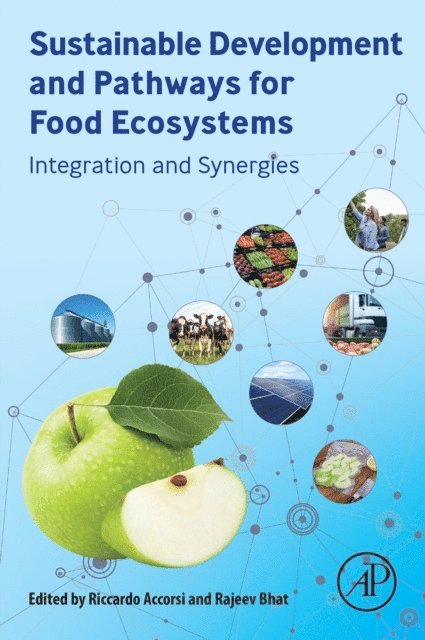
Sustainable Development and Pathways for Food Ecosystems
Integration and Synergies
Av Riccardo Accorsi, Rajeev Bhat
Häftad, 2023
1483 kr
Lägg i varukorg
Sustainable Development and Pathways for Food Ecosystems: Integration and Synergies is a science-based reference which explores the roles played by agri-food ecosystems, their functions and needs, and the importance of the interdependencies among them. This book explores the relationships between …
Sustainable Development and Pathways for Food Ecosystems
Integration and Synergies
Av Rajeev Bhat, Riccardo Accorsi
E-bok, 2023
2172 kr
Lägg i varukorg
Sustainable Development and Pathways for Food Ecosystems: Integration and Synergies is a science-based reference which explores the roles played by agri-food ecosystems, their functions and needs, and the importance of the interdependencies among them. This book explores the relationships between …
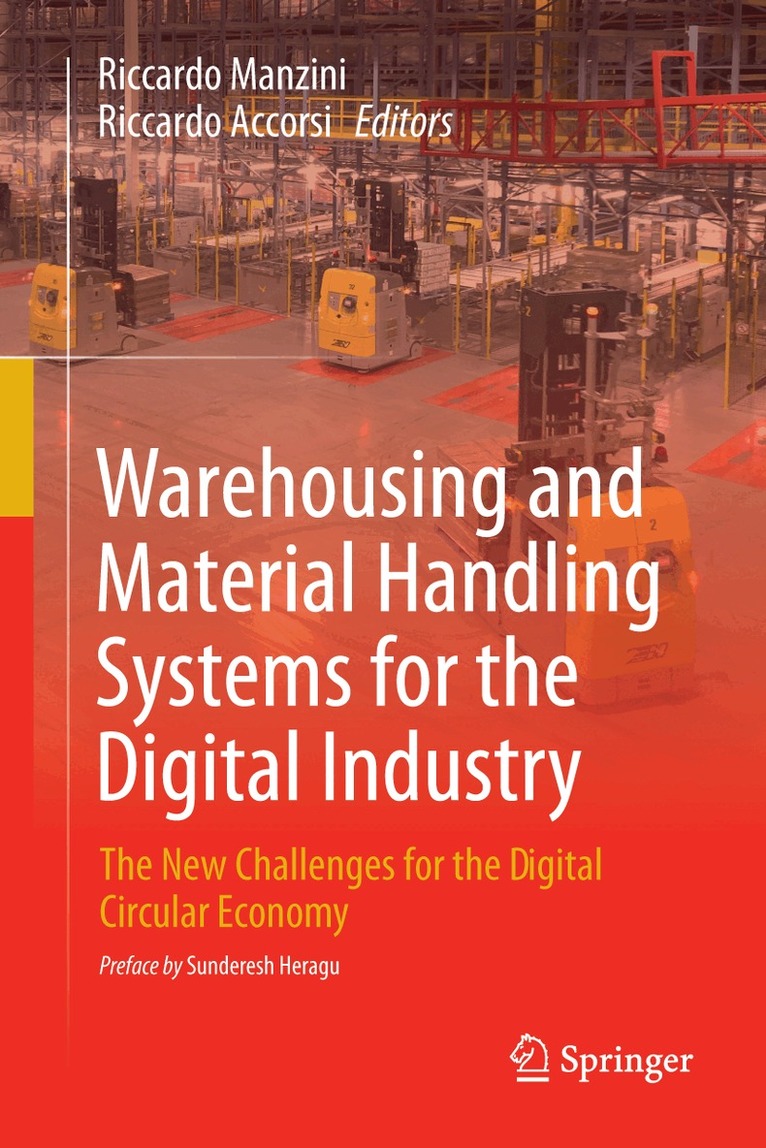
Warehousing and Material Handling Systems for the Digital Industry
The New Challenges for the Digital Circular Economy
Av Riccardo Manzini, Riccardo Accorsi
Inbunden, 2024
3056 kr
Lägg i varukorg
This book illustrates innovative support-decision models, methods, and advanced automation and robotic technologies aimed at enhancing the overall performance of Warehousing and Material Handling (WMH) in terms of time and space efficiency, service levels, labor safety, and ergonomics. It provides …
Warehousing and Material Handling Systems for the Digital Industry
The New Challenges for the Digital Circular Economy
Av Riccardo Accorsi, Riccardo Manzini
E-bok, 2024
3978 kr
Lägg i varukorg
This book illustrates innovative support-decision models, methods, and advanced automation and robotic technologies aimed at enhancing the overall performance of Warehousing and Material Handling (WMH) in terms of time and space efficiency, service levels, labor safety, and ergonomics. It provides …
Warehousing and Material Handling Systems for the Digital Industry
The New Challenges for the Digital Circular Economy
Av Riccardo Manzini, Riccardo Accorsi
Häftad, 2025
3056 kr
Lägg i varukorg
This book illustrates innovative support-decision models, methods, and advanced automation and robotic technologies aimed at enhancing the overall performance of Warehousing and Material Handling (WMH) in terms of time and space efficiency, service levels, labor safety, and ergonomics. It provides …