Richard A. Fox - Böcker
Visar alla böcker från författaren Richard A. Fox. Handla med fri frakt och snabb leverans.
3 produkter
3 produkter
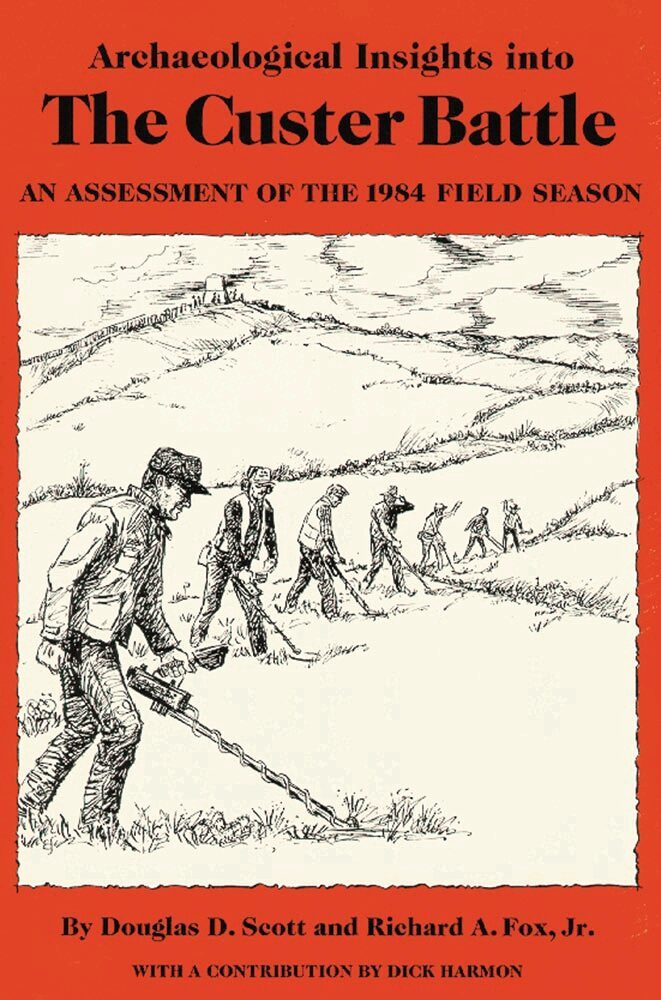
Archaeological Insights Into the Custer Battle
An Assessment of the 1984 Field Season
Häftad, Engelska, 1987
282 kr
Skickas inom 10-15 vardagar
In August, 1983, a grassfire raged up Deep Ravine and across the dry, grass-covered battlefield where, in 1876, men of the Seventh U.S. Cavalry under George Armstrong Custer had fought and died at the hands of a Sioux and Cheyenne force led by Sitting Bull. The removal of the normally dense ground cover revealed enough evidence to suggest that an archaeological survey would be fruitful and perhaps could address some unanswered questions about the battle.Describing archaeological investigations during the first year (1984) of a two-year survey, this book offers a detailed analysis of the physical evidence remaining after the battle. Precise information regarding the locations of artifacts and painstaking analyses of the artifacts themselves have uncovered much new information about the guns used in the battle by the victorious Indian warriors. Not only have the types of guns been identified, but through the use of archaeological and criminal-investigative techniques the actual numbers of firearms can now be estimated. This analysis of the battlefield, which represents a significant advance in methodology, shows that the two forces left artifacts in what can be defined as ""combatant patterns.""What did happen after Custer's trumpeter, John Martin-dispatched with an order for Captain Benteen to ""be quick""-turned and saw the doomed battalion for the last time? Written to satisfy both professional and layman, this book is a vital complement to the historical record.
268 kr
Skickas inom 10-15 vardagar
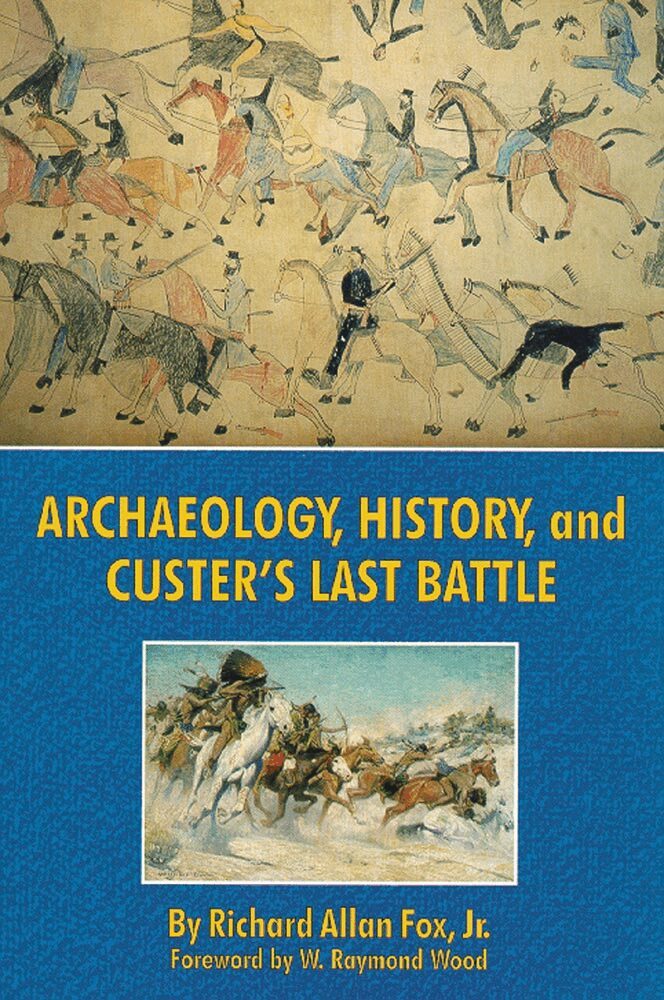
On the afternoon of June 25, 1867, an overwhelming force of Sioux and Cheyenne Indians quickly mounted a savage onslaught against General George Armstrong Custer's battalion, driving the doomed troopers of the U.S. Seventh Cavalry to a small hill overlooking the Little Bighorn River, where Custer and his men bravely erected their heroic last stand.So goes the myth of the Battle of the Little Bighorn, a myth perpetuated and reinforced for over 100 years. In truth, however, ""Custer's Last Stand"" was neither the last of the fighting nor a stand.Using innovative and standard archaeological techniques, combined with historical documents and Indian eyewitness accounts, Richard Allan Fox, Jr. vividly replays this battle in astonishing detail. Through bullets, spent cartridges, and other material data, Fox identifies combat positions and tracks soldiers and Indians across the Battlefield. Guided by the history beneath our feet, and listening to the previously ignored Indian testimonies, Fox reveals scenes of panic and collapse and, ultimately, a story of the Custer battle quite different from the fatalistic versions of history. According to the author, the five companies of the Seventh Cavalry entered the fray in good order, following planned strategies and displaying tactical stability. It was the sudden disintegration of this cohesion that caused the troopers' defeat. The end came quickly, unexpectedly, and largely amid terror and disarray. Archaeological evidences show that there was no determined fighting and little firearm resistance. The last soldiers to be killed had rushed from Custer Hill.
253 kr
Skickas inom 5-8 vardagar
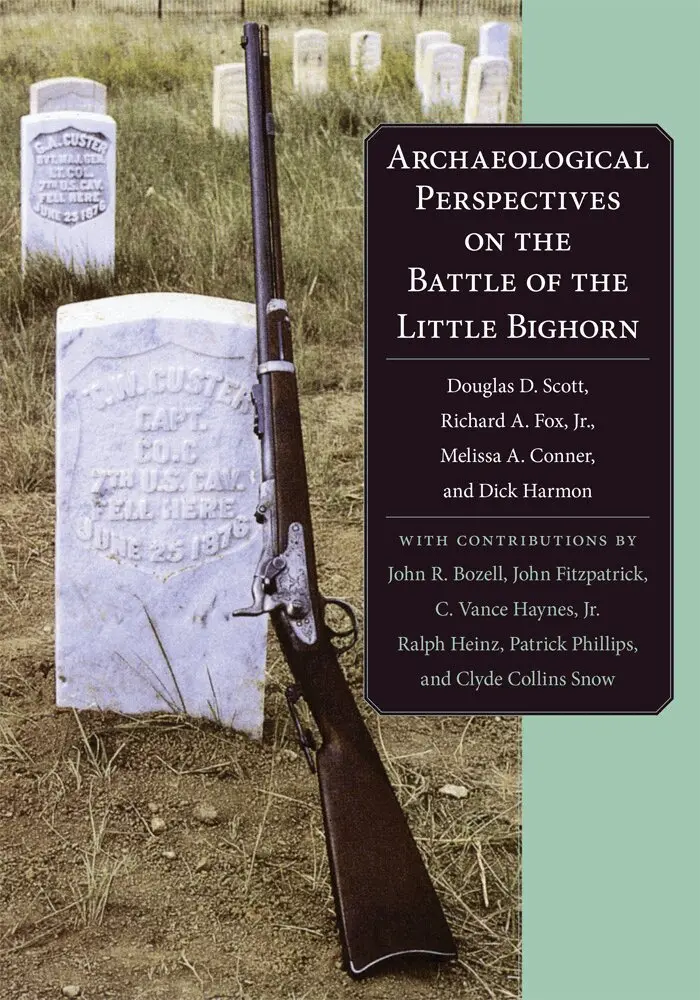
Ever since the Custer massacres on June 25, 1876, the question has been asked: What happened - what REALLY happened - at the Battle of the Little Bighorn? We know some of the answers, because half of George Armstrong Custer's Seventh Cavalry - the men with Major Marcus Reno and Captain Frederick Benteen - survived the fight, but what of the half that did not, the troopers, civilians, scouts, and journalist who were with Custer?Now, because a grass fire in August 1983 cleared the terrain of brush and grass and made possible thorough archaeological examinations of the battlefield in 1984 and 1985, we have many answers to important questions.On the basis of the archaeological evidence presented in this book, we know more about what kinds of weapons were used against the cavalry. We know exactly where many of the men fought, how they died, and what happened to their bodies at the time of or after death. We know how the troopers were deployed, what kind of clothing they wore, what kind of equipment they had, how they fought. Through the techniques of historical archaeology and forensic anthropology, the remains and grave of one of Custer's scouts, Mitch Boyer, have been identified. And through geomorphology and the process of elimination, we know with almost 100 percent certainty where the twenty-eight missing men who supposedly were buried en masse in Deep Ravine will be found.