Richard B. Hays - Böcker
Visar alla böcker från författaren Richard B. Hays. Handla med fri frakt och snabb leverans.
16 produkter
16 produkter
242 kr
Skickas inom 7-10 vardagar
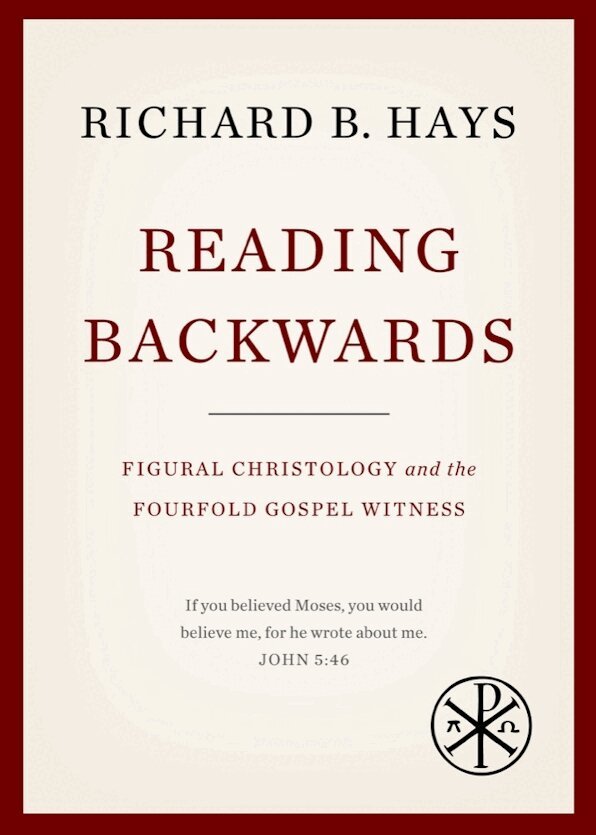
The claim that the events of Jesus' life, death, and resurrection took place ‘according to the Scriptures’ stands at the heart of the New Testament's earliest message. All four canonical Gospels declare that the Torah, Prophets and Psalms mysteriously prefigure Jesus. In this ground-breaking new book, Hays traces the strategies the Gospel writers employ to ‘read backwards’, showing how the Old Testament figuratively discloses the astonishing truth about Jesus' identity.
250 kr
Skickas inom 7-10 vardagar
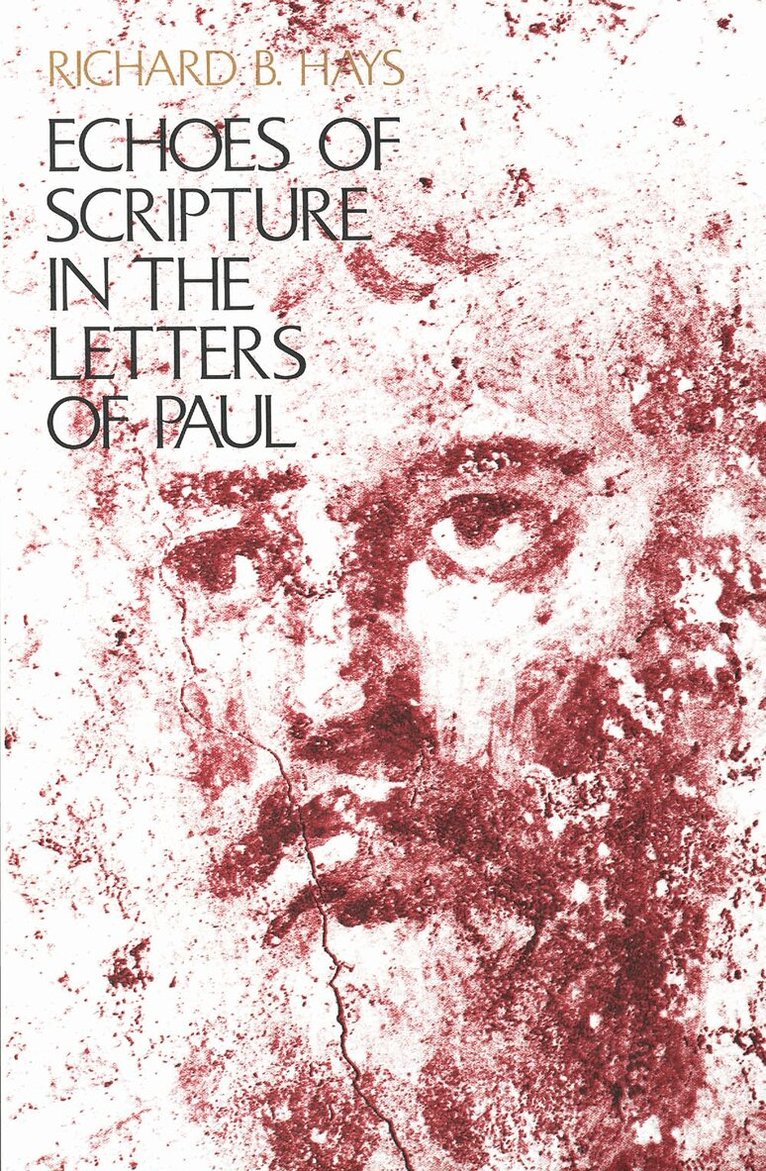
A fresh reading of the letters of Paul, bringing to light their literary texture “Hays has without doubt posed the right question at the right time within the horizon of a particularly important problematic. . . . A new beginning for the question concerning the reception of the Old Testament in the New.”—Hans Hübner, Theologische Literaturzeitung Paul’s letters, the earliest writings in the New Testament, are filled with allusions, images, and quotations from the Old Testament, or, as Paul called it, Scripture. In this book, Richard B. Hays investigates Paul’s appropriation of Scripture from a perspective based on literary-critical studies of intertextuality. His uncovering of scriptural echoes in Paul’s language enriches our appreciation of the complex literary texture of Paul’s letters and offers new insights into his message.
292 kr
Skickas inom 7-10 vardagar
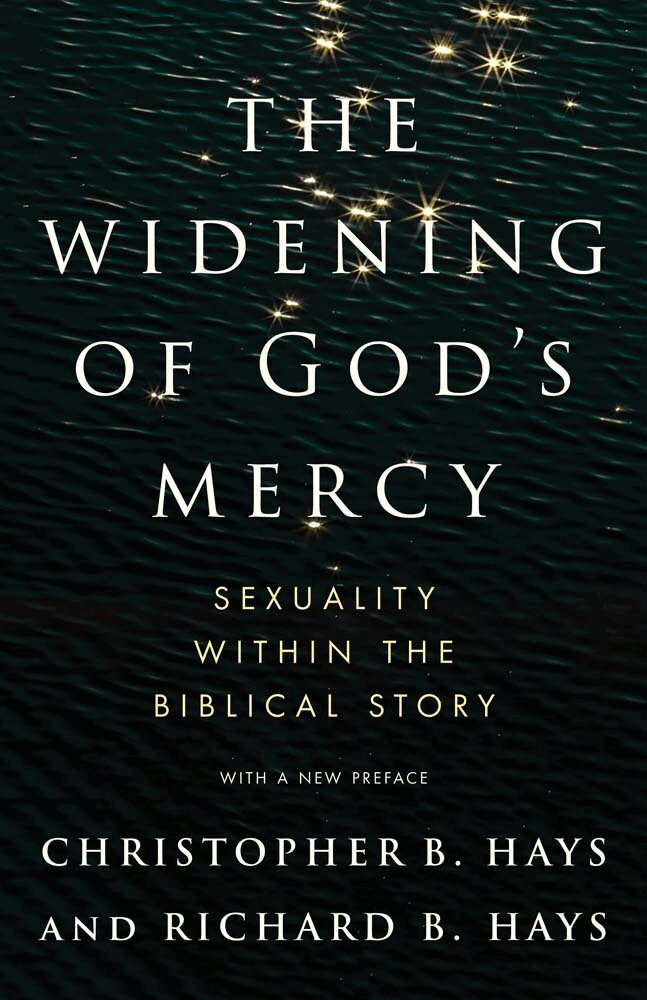
A fresh, deeply biblical account of God’s expanding grace and mercy, tracing how the Bible’s narrative points to the full inclusion of LGBTQ people in Christian communities “A radical new vision . . . and [an] argument that God’s plan was always to include more and more people.”—Scott Detrow, All Things Considered, NPR Discussions of the Bible and human sexuality often focus on a scattered handful of specific passages. But arguments about this same set of verses have reached an impasse, two leading biblical scholars believe; these debates are missing the forest for the trees. In this learned and beautifully written book, Richard and Christopher Hays explore a more expansive way of listening to the overarching story that scripture tells. They remind us of a dynamic and gracious God who is willing to change his mind, consistently broadening his grace to include more and more people. Those who were once outsiders find themselves surprisingly embraced within the people of God, while those who sought to enforce exclusive boundaries are challenged to rethink their understanding of God’s ways. The authors—a father and son—point out ongoing conversations within the Bible in which traditional rules, customs, and theologies are rethought. They argue that God has already gone on ahead of our debates and expanded his grace to people of different sexualities. If the Bible shows us a God who changes his mind, they say, perhaps today’s Christians should do the same. The book begins with the authors’ personal experiences of controversies over sexuality and closes with Richard Hays’s epilogue reflecting on his own change of heart and mind.
158 kr
Skickas inom 7-10 vardagar
A fresh, deeply biblical account of God’s expanding grace and mercy, tracing how the Bible’s narrative points to the full inclusion of LGBTQ people in Christian communities “A radical new vision . . . and [an] argument that God’s plan was always to include more and more people.”—Scott Detrow, All Things Considered, NPR Discussions of the Bible and human sexuality often focus on a scattered handful of specific passages. But arguments about this same set of verses have reached an impasse, two leading biblical scholars believe; these debates are missing the forest for the trees. In this learned and beautifully written book, Richard and Christopher Hays explore a more expansive way of listening to the overarching story that scripture tells. They remind us of a dynamic and gracious God who is willing to change his mind, consistently broadening his grace to include more and more people. Those who were once outsiders find themselves surprisingly embraced within the people of God, while those who sought to enforce exclusive boundaries are challenged to rethink their understanding of God’s ways. The authors—a father and son—point out ongoing conversations within the Bible in which traditional rules, customs, and theologies are rethought. They argue that God has already gone on ahead of our debates and expanded his grace to people of different sexualities. If the Bible shows us a God who changes his mind, they say, perhaps today’s Christians should do the same. The book begins with the authors’ personal experiences of controversies over sexuality and closes with Richard Hays’s epilogue reflecting on his own change of heart and mind.
437 kr
Skickas inom 3-6 vardagar
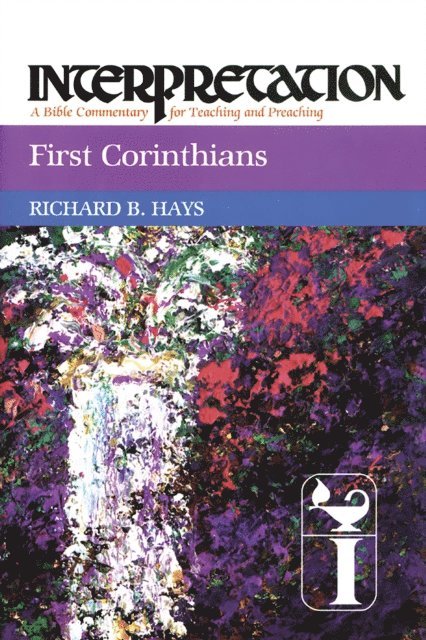
Interpretation: A Bible Commentary for Teaching and Preaching is a distinctive resource for those who interpret the Bible in the church. Planned and written specifically for teaching and preaching needs, this critically acclaimed biblical commentary is a major contribution to scholarship and ministry.
313 kr
Skickas inom 5-8 vardagar
420 kr
Skickas inom 3-6 vardagar
394 kr
Skickas inom 3-6 vardagar
504 kr
Skickas inom 3-6 vardagar
Paul's first letter to the Corinthians was addressed originally to a fledgling mission church in Corinth. Paul's absence from the church had allowed serious problems to arise within the Corinthian community, but the problems that he addresses in this letter do not always seem based on explicitly theological ideas. The brilliance of Paul, though, is that he frames the issues in theological terms and reflects on them in the light of the gospel.Interpretation: A Bible Commentary for Teaching and Preaching is a distinctive resource for those who interpret the Bible in the church. Planned and written specifically for teaching and preaching needs, this critically acclaimed biblical commentary is a major contribution to scholarship and ministry.
394 kr
Skickas inom 3-6 vardagar
494 kr
Skickas inom 5-8 vardagar
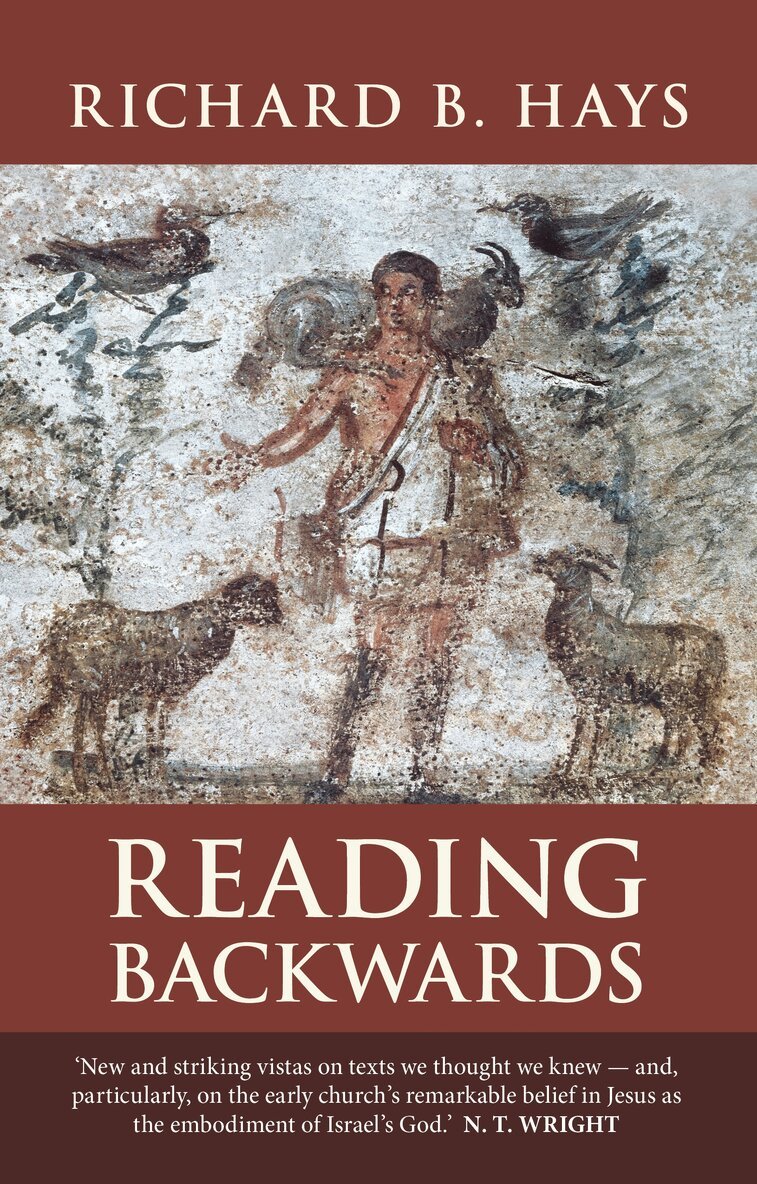
In Reading Backwards Richard B. Hays maps the shocking ways the four Gospel writers interpreted Israel's Scripture to craft their literary witnesses to the Church's one Christ. The Gospels' scriptural imagination discovered inside the long tradition of a resilient Jewish monotheism a novel and revolutionary Christology.Modernity's incredulity toward the Christian faith partly rests upon the characterization of early Christian preaching as a tendentious misreading of the Hebrew Scriptures. Christianity, modernity claims, twisted the Bible they inherited to fit its message about a mythological divine Savior. The Gospels, for many modern critics, are thus more about Christian doctrine in the second and third century than they are about Jesus in the first.Such Christian "misreadings" are not late or politically motivated developments within Christian thought. As Hays demonstrates, the claim that the events of Jesus' life, death, and resurrection took place "according to the Scriptures" stands at the very heart of the New Testament's earliest message. All four canonical Gospels declare that the Torah and the Prophets and the Psalms mysteriously prefigure Jesus. The author of the Fourth Gospel puts the claim succinctly: "If you believed Moses, you would believe me, for he wrote about me" (John 5:46).Hays thus traces the reading strategies the Gospel writers employ to "read backwards" and to discover how the Old Testament figuratively discloses the astonishing paradoxical truth about Jesus' identity. Attention to Jewish and Old Testament roots of the Gospel narratives reveals that each of the four Evangelists, in their diverse portrayals, identify Jesus as the embodiment of the God of Israel. Hays also explores the hermeneutical challenges posed by attempting to follow the Evangelists as readers of Israel's Scripture—can the Evangelists teach us to read backwards along with them and to discern the same mystery they discovered in Israel's story?In Reading Backwards Hays demonstrates that it was Israel's Scripture itself that taught the Gospel writers how to understand Jesus as the embodied presence of God, that this conversion of imagination occurred early in the development of Christian theology, and that the Gospel writers' revisionary figural readings of their Bible stand at the very center of Christianity.
570 kr
Skickas inom 10-15 vardagar
Reading the Bible Intertextually explores the revisionary hermeneutical practices of the writers of the four gospels. Each of the contributors examines the distinctive ways that the canonical evangelists put a particular ""spin"" on the story of Jesus through rereading the Old Testament in different ways. In addition, the evangelists' different ways of reading Israel's Scripture are correlated with different visions for the embodied life of the community of Jesus' followers. This is an exciting new reading of the gospels, bringing interdisciplinary and intertextual readings to the texts, articulated by some of the most brilliant New Testament scholars of our time.
423 kr
Skickas inom 10-15 vardagar
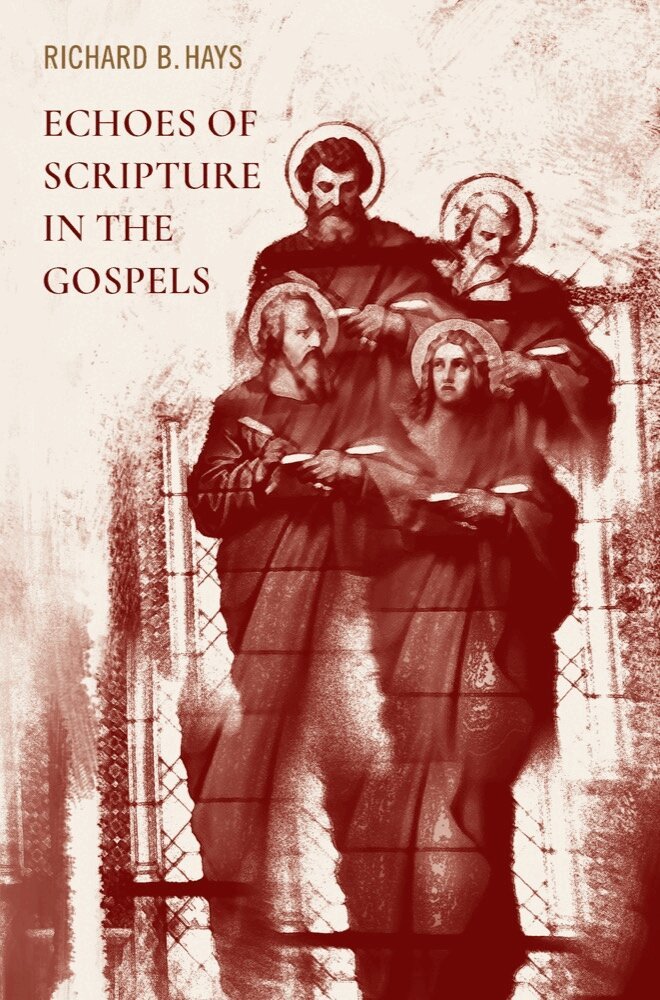
The claim that the events of Jesus' life, death, and resurrection took place ""according to the Scriptures"" stands at the heart of the New Testament's message. All four canonical Gospels declare that the Torah and the Prophets and the Psalms mysteriously prefigure Jesus. The author of the Fourth Gospel states this claim succinctly: in his narrative, Jesus declares, ""If you believed Moses, you would believe me, for he wrote about me"" (John 5:46). Yet modern historical criticism characteristically judges that the New Testament's christological readings of Israel's Scripture misrepresent the original sense of the texts; this judgment forces fundamental questions to be asked: Why do the Gospel writers read the Scriptures in such surprising ways? Are their readings intelligible as coherent or persuasive interpretations of the Scriptures? Does Christian faith require the illegitimate theft of someone else's sacred texts? Echoes of Scripture in the Gospels answers these questions. Richard B. Hays chronicles the dramatically different ways the four Gospel writers interpreted Israel's Scripture and reveals that their readings were as complementary as they were faithful. In this long-awaited sequel to his Echoes of Scripture in the Letters of Paul, Hays highlights the theological consequences of the Gospel writers' distinctive hermeneutical approaches and asks what it might mean for contemporary readers to attempt to read Scripture through the eyes of the Evangelists. In particular, Hays carefully describes the Evangelists' practice of figural reading - an imaginative and retrospective move that creates narrative continuity and wholeness. He shows how each Gospel artfully uses scriptural echoes to re-narrate Israel's story, to assert that Jesus is the embodiment of Israel's God, and to prod the church in its vocation to engage the pagan world. Hays shows how the Evangelists summon readers to a conversion of their imagination. The Evangelists' use of scriptural echo beckons readers to believe the extraordinary: that Jesus was Israel's Messiah, that Jesus is Israel's God, and that contemporary believers are still on mission. The Evangelists, according to Hays, are training our scriptural senses, calling readers to be better scriptural people by being better scriptural poets.
597 kr
Skickas inom 10-15 vardagar
The claim that the events of Jesus' life, death, and resurrection took place ""according to the Scriptures"" stands at the heart of the New Testament's message. All four canonical Gospels declare that the Torah and the Prophets and the Psalms mysteriously prefigure Jesus. The author of the Fourth Gospel states this claim succinctly: in his narrative, Jesus declares, ""If you believed Moses, you would believe me, for he wrote about me"" (John 5:46). Yet modern historical criticism characteristically judges that the New Testament's christological readings of Israel's Scripture misrepresent the original sense of the texts; this judgment forces fundamental questions to be asked: Why do the Gospel writers read the Scriptures in such surprising ways? Are their readings intelligible as coherent or persuasive interpretations of the Scriptures? Does Christian faith require the illegitimate theft of someone else's sacred texts? Echoes of Scripture in the Gospels answers these questions. Richard B. Hays chronicles the dramatically different ways the four Gospel writers interpreted Israel's Scripture and reveals that their readings were as complementary as they were faithful. In this long-awaited sequel to his Echoes of Scripture in the Letters of Paul, Hays highlights the theological consequences of the Gospel writers' distinctive hermeneutical approaches and asks what it might mean for contemporary readers to attempt to read Scripture through the eyes of the Evangelists. In particular, Hays carefully describes the Evangelists' practice of figural reading - an imaginative and retrospective move that creates narrative continuity and wholeness. He shows how each Gospel artfully uses scriptural echoes to re-narrate Israel's story, to assert that Jesus is the embodiment of Israel's God, and to prod the church in its vocation to engage the pagan world. Hays shows how the Evangelists summon readers to a conversion of their imagination. The Evangelists' use of scriptural echo beckons readers to believe the extraordinary: that Jesus was Israel's Messiah, that Jesus is Israel's God, and that contemporary believers are still on mission. The Evangelists, according to Hays, are training our scriptural senses, calling readers to be better scriptural people by being better scriptural poets.
957 kr
Kommande
Reading with the Grain of Scripture is a collection of Richard Hays' most important essays on biblical interpretation published over the past twenty-five years. The studies gathered here range across the New Testament canon, dealing with the four Gospels, the historical Jesus, the letters of Paul, and the theologies of individual writings of the New Testament, including Acts, Hebrews, and Revelation. Taking a stand against the corrosive hermeneutics of suspicion that has characterized much late modern and postmodern criticism, Hays proposes a reading strategy centered on the resurrection of Jesus and the New Testament's message of hope for God's eschatological transformation of the world. Such an approach seeks to read with, rather than against, the grain of the biblical narratives and to discern the deep figural coherence between the Old Testament and the New. Most importantly, Hays' close readings of the New Testament texts exemplify the practice of reading from a posture of trust, reading with and for the community of faith that these texts have birthed and sustained.
369 kr
Skickas inom 10-15 vardagar
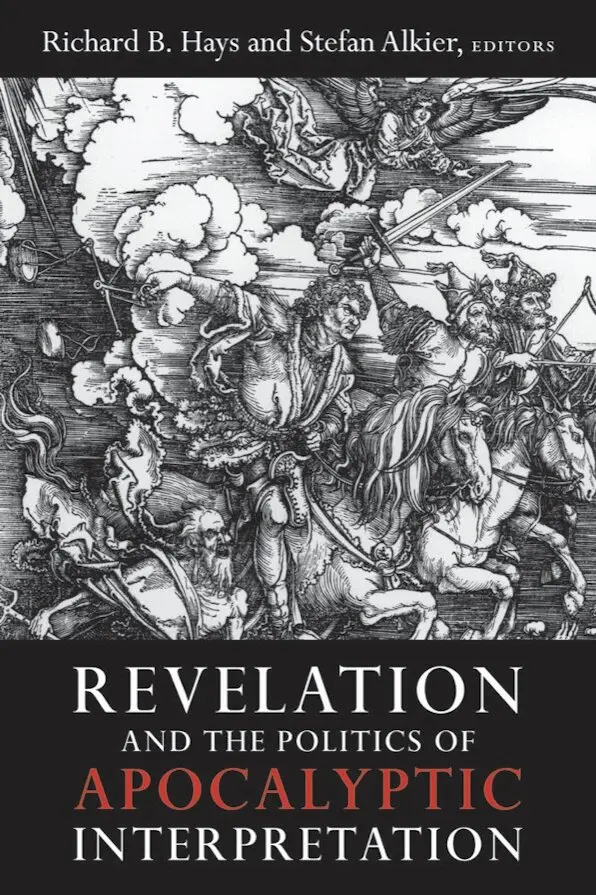
John's apocalyptic revelation tends to be read either as an esoteric mystery or a breathless blueprint for the future. Missing, though, is how Revelation is the most visually stunning and politically salient text in the canon. Revelation and the Politics of Apocalyptic Interpretation explores the ways in which Revelation, when read as the last book in the Christian Bible, is in actuality a crafted and contentious word. Senior scholars, including N.T. Wright, Richard Hays, Marianne Meye Thompson, and Stefan Alkier, reveal the intricate intertextual interplay between this apocalyptically charged book, its resonances with the Old Testament, and its political implications. In so doing, the authors show how the church today can read Revelation as both promise and critique.