Richard G. Marlink - Böcker
Visar alla böcker från författaren Richard G. Marlink. Handla med fri frakt och snabb leverans.
4 produkter
4 produkter
1 636 kr
Skickas inom 10-15 vardagar
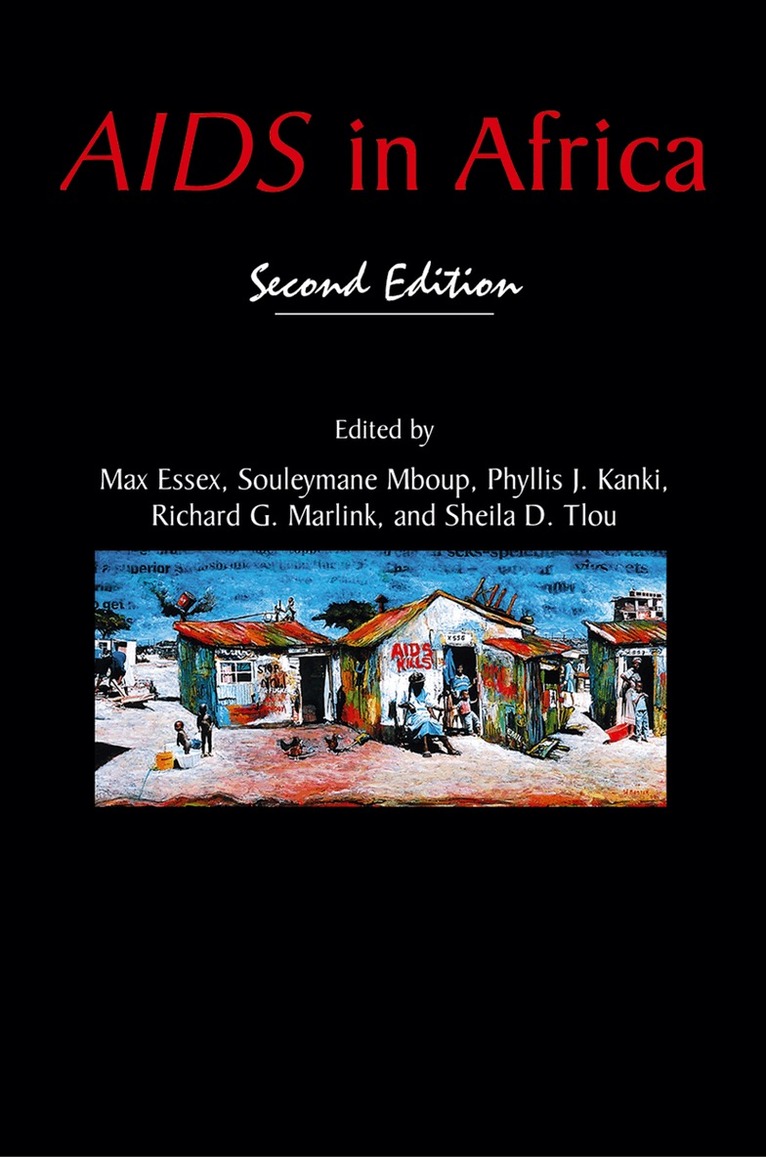
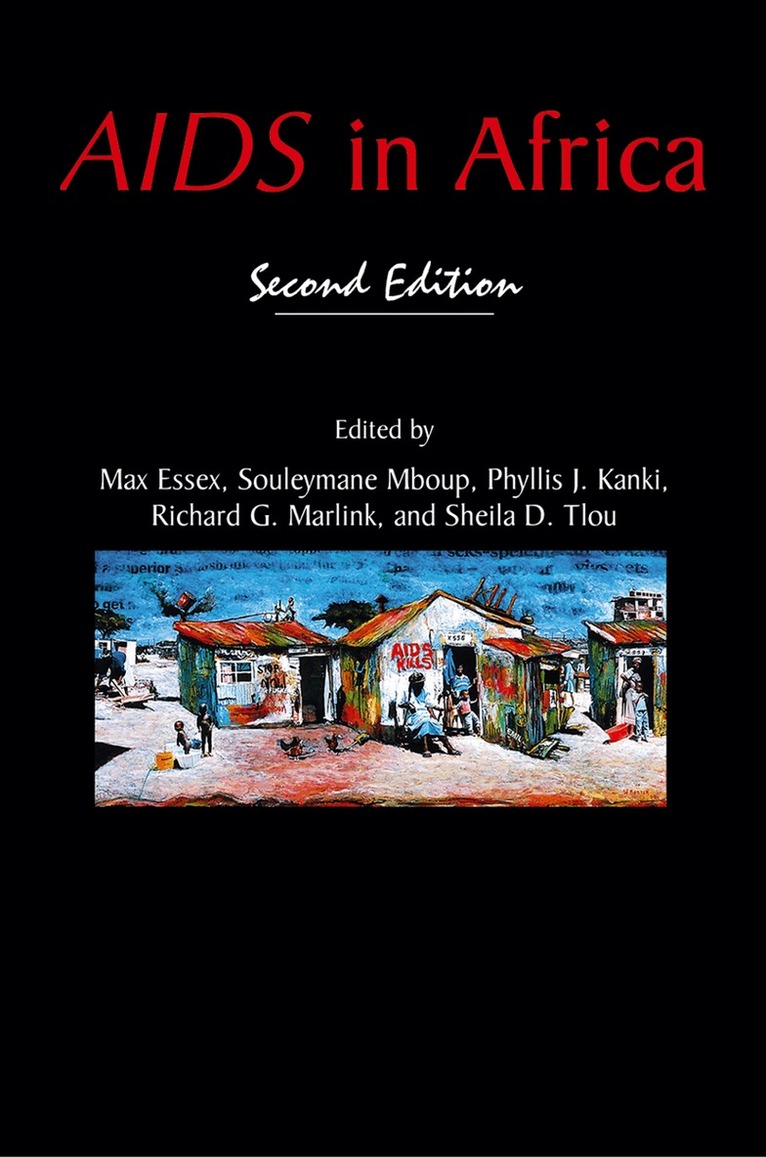
In the face of a grave lack of resources to fight the AIDS epidemic in Africa, practical medical education must play a critical role in curtailing the number of new cases and improving quality of care for those already infected with HIV in 2002. Although there are many AIDS experts in Africa and a substantial body of knowledge about the epidemic, networking is often compromised due to limited infrastructure and technology. Existing definitive clinical reference books on AIDS focus on the syndrome as it is understood and treated in countries with highly developed health care systems and policies, excellent medical training, and easy access to breakthrough treatments; much of the information contained in such textbooks is unfortunately irrelevant in the context of AIDS in Africa.This second edition of "Aids in Africa" includes an extensive update of the magnitude and nature of the epidemic, as well as regionally specific information on pathogenesis, diagnosis, epidemiology, treatment, pediatric infection, vaccine development, socioeconomic impact, and ethical considerations and include vital topics such as: prevention methods, from chemoprophylaxis to behavioral modification and education; the supportive responsibilities of industrialized countries; and the successful mobilization of local infrastructure and community leaders to implement regionally appropriate AIDS care programs. A review of Africa's experience should be valuable to health care providers, researchers, and policy planners not only in Africa but throughout the world, since Africa has had higher rates of HIV infection and more experience with AIDS than other regions. The prevalence of the virus in sub-Saharan Africa and its rapid spread suggest its greater potential for causing larger epidemics than any other HIV virus the world has experienced before.
Del 2 - Harvard Series on Population and Development Studies
Line Drawn in the Sand
Responses to the AIDS Treatment Crisis in Africa
Häftad, Engelska, 2009
251 kr
Skickas inom 7-10 vardagar
In the nearly three decades since the AIDS epidemic was first recognized, scientists have made tremendous strides in devising treatments for people living with HIV/AIDS. Yet in Africa, where more than 60 percent of HIV-infected people live, treatments remain out of reach for most. A Line Drawn in the Sand captures the determination of several African nations in tackling the challenge of providing lifesaving antiretroviral therapies to their citizens: Botswana, which has some of the highest HIV infection rates worldwide; Nigeria, whose epidemic threatens to become one of the world’s largest; Senegal, often touted as one of the few countries with a model response to the HIV/AIDS epidemic; and Tanzania, whose extreme poverty threatens efforts to stem its epidemic. By emphasizing the dramatic results that investments in AIDS treatments in Africa can bring, the book provides lessons to nations about scaling up their own treatment responses, hope to individuals and communities confronted with the often devastating impact of AIDS, and inspiration to the international HIV/AIDS community.
1 636 kr
Skickas inom 10-15 vardagar
The way we deal with AIDS in Africa will All of them take account of the local cultural determine Africa’s future. The devastation context. But they all have something else in wrought by HIV/AIDS on the continent is so common; they stem from a political will to acute that it has become one of the main fight AIDS, and a recognition that facing up obstacles to development itself. AIDS to the problem is the first step towards c- threatens to unravel whole societies, com- quering it. I am convinced that, given that munities, and economies. In this way, AIDS will, every society can do the same. is not only taking away Africa’s present—it We have seen a growing understanding is taking away Africa’s future. of the inextricable link between prevention This crisis requires an unprecedented and treatment, and a conviction that tre- response. It requires communities, nations, ment can work even in the poorest societies. and regions, the public and the private sector, We have seen AIDS drugs become more international organizations and nongovern- available and affordable in poor countries, mental groups to come together in concerted, and scientific progress promises simplified coordinated action. Only when all these treatment regimes. Above all, we have seen a forces join in a common effort will we be able growing understanding that the key is poli- to expand our fight against the epidemic to cal commitment to providing treatment, decrease risk, vulnerability, and impact. All backed up by community involvement.
695 kr
Skickas inom 10-15 vardagar
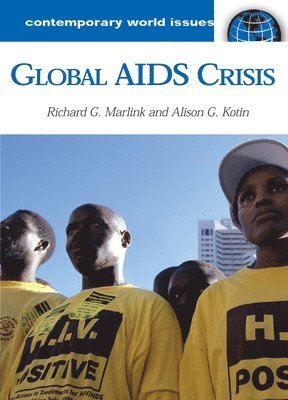
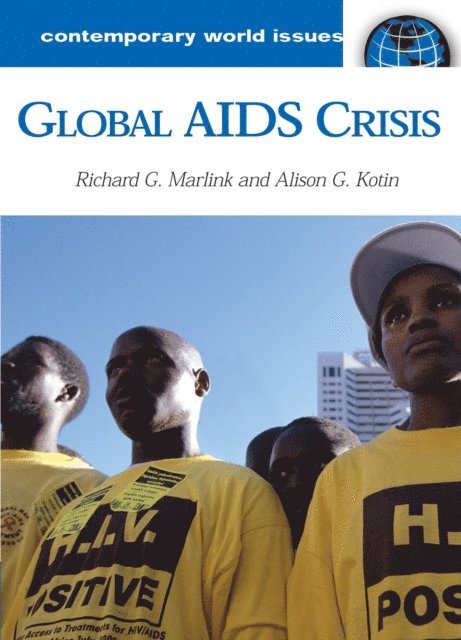
The most authoritative account published to date on the history, spread, and chilling repercussions of one of the deadliest pandemics the world has ever seen.Global AIDS Crisis scrutinizes the scourge of HIV and the AIDS virus throughout the world through the eyes of one of the top AIDS researchers in the world. From Botswana and sub-Saharan Africa to Thailand, Romania, and Brazil, an exploration of developing countries with limited access to healthcare and scarce resources reveals how such factors as tourism, international travel, war, and mobility have facilitated the insidious spread of HIV and AIDS.Candid discussions of sensitive issues such as stigma and its effects on morale and health complement scientific and medical inquiries into the origins of the disease and the development of antiretroviral therapies. An analysis of groundbreaking solutions such as “medication adherence partners,” prevention strategies, and current vaccine models adds a glimmer of hope to a seemingly hopeless crisis.A comprehensive chronology examines scientific discovery, government and nongovernment responses to the epidemic, and access to care and antiretroviral drugsAn entire chapter of illustrations and charts visually supports discussions of cutting-edge medicine, surveillance, impact, and prevention