Max Essex - Böcker
Visar alla böcker från författaren Max Essex. Handla med fri frakt och snabb leverans.
9 produkter
9 produkter
1 625 kr
Skickas inom 10-15 vardagar
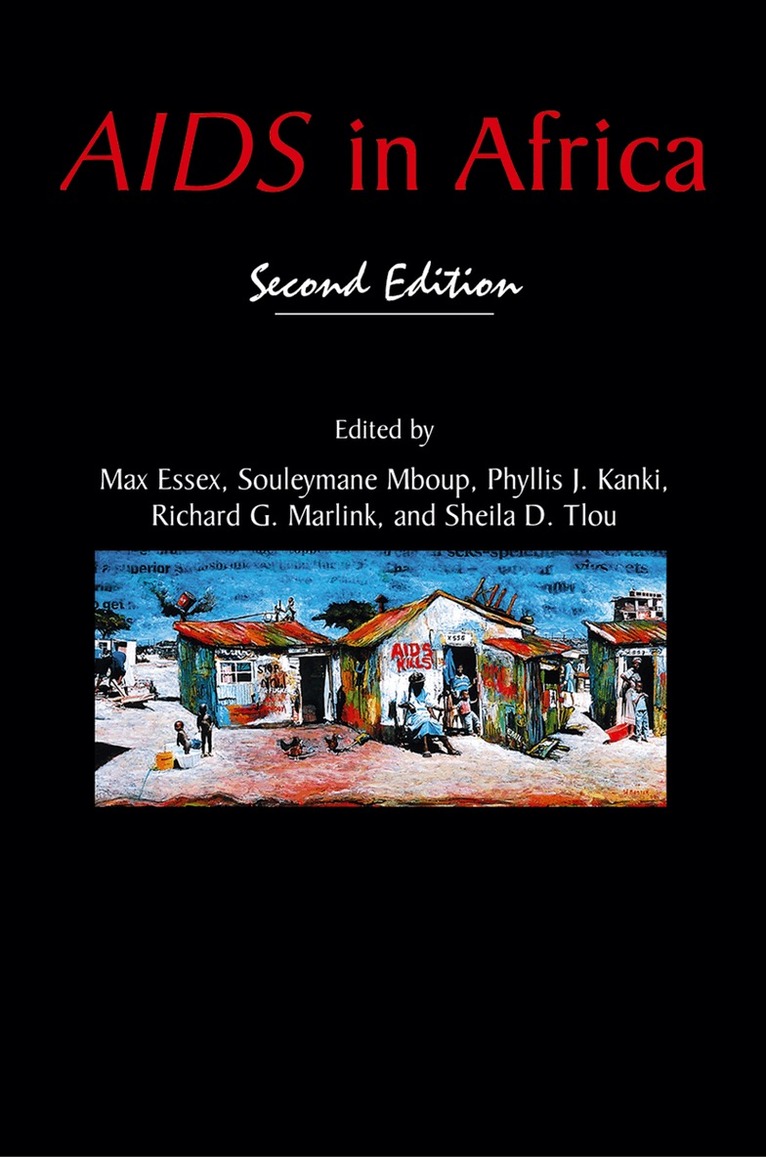
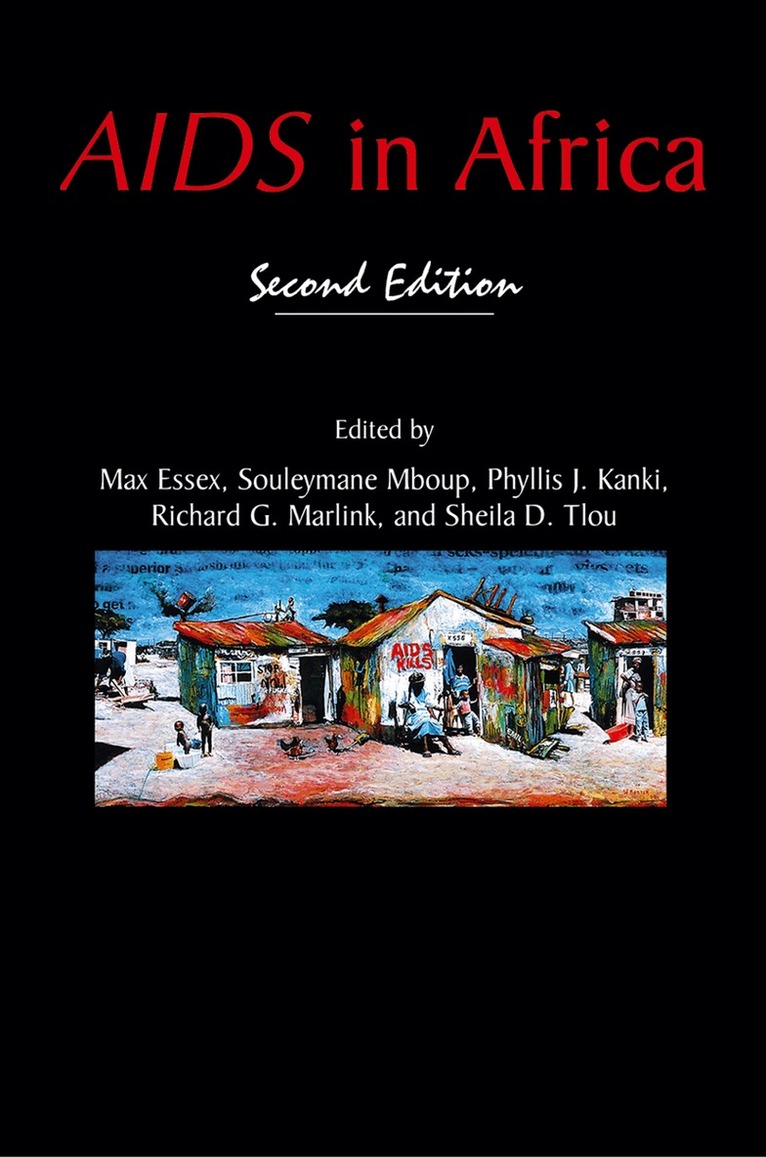
In the face of a grave lack of resources to fight the AIDS epidemic in Africa, practical medical education must play a critical role in curtailing the number of new cases and improving quality of care for those already infected with HIV in 2002. Although there are many AIDS experts in Africa and a substantial body of knowledge about the epidemic, networking is often compromised due to limited infrastructure and technology. Existing definitive clinical reference books on AIDS focus on the syndrome as it is understood and treated in countries with highly developed health care systems and policies, excellent medical training, and easy access to breakthrough treatments; much of the information contained in such textbooks is unfortunately irrelevant in the context of AIDS in Africa.This second edition of "Aids in Africa" includes an extensive update of the magnitude and nature of the epidemic, as well as regionally specific information on pathogenesis, diagnosis, epidemiology, treatment, pediatric infection, vaccine development, socioeconomic impact, and ethical considerations and include vital topics such as: prevention methods, from chemoprophylaxis to behavioral modification and education; the supportive responsibilities of industrialized countries; and the successful mobilization of local infrastructure and community leaders to implement regionally appropriate AIDS care programs. A review of Africa's experience should be valuable to health care providers, researchers, and policy planners not only in Africa but throughout the world, since Africa has had higher rates of HIV infection and more experience with AIDS than other regions. The prevalence of the virus in sub-Saharan Africa and its rapid spread suggest its greater potential for causing larger epidemics than any other HIV virus the world has experienced before.
1 625 kr
Skickas inom 10-15 vardagar
Asia has become the new battle ground for the war against HIV/AIDS. The magnitude of the potential public health problems caused by AIDS in this populous continent may become a catastrophic disaster. A 10 rate of prevalence of HIV-1 in India and China alone would mean more than 200 million people are infected with HIV. AIDS in Asia is useful as a comprehensive, up-to-date AIDS reference book for public health and medical professionals. This volume provides concrete information on the diagnosis, treatment, care, prevention and impact of AIDS. Part I contains 'Snapshots of HIV/AIDS in Asia.' Countries included in this section are: Thailand, India, China, Japan, Malaysia, Indonesia, the Philippines, Pakistan, Nepal, Sri Lanka, Hawaii and the Pacific Islands, Hong Kong and Taiwan. Part II addresses the molecular epidemiology of HIV/AIDS. Part III deals with the diagnosis, surveillance and projected scenarios of the AIDS epidemic. Part IV outlines prevention efforts and treatment options. Part V provides an overview of the ongoing collaborative efforts involved in several different nations in the worldwide war against AIDS. This volume will be invaluable to all the public health profess
552 kr
Skickas inom 10-15 vardagar
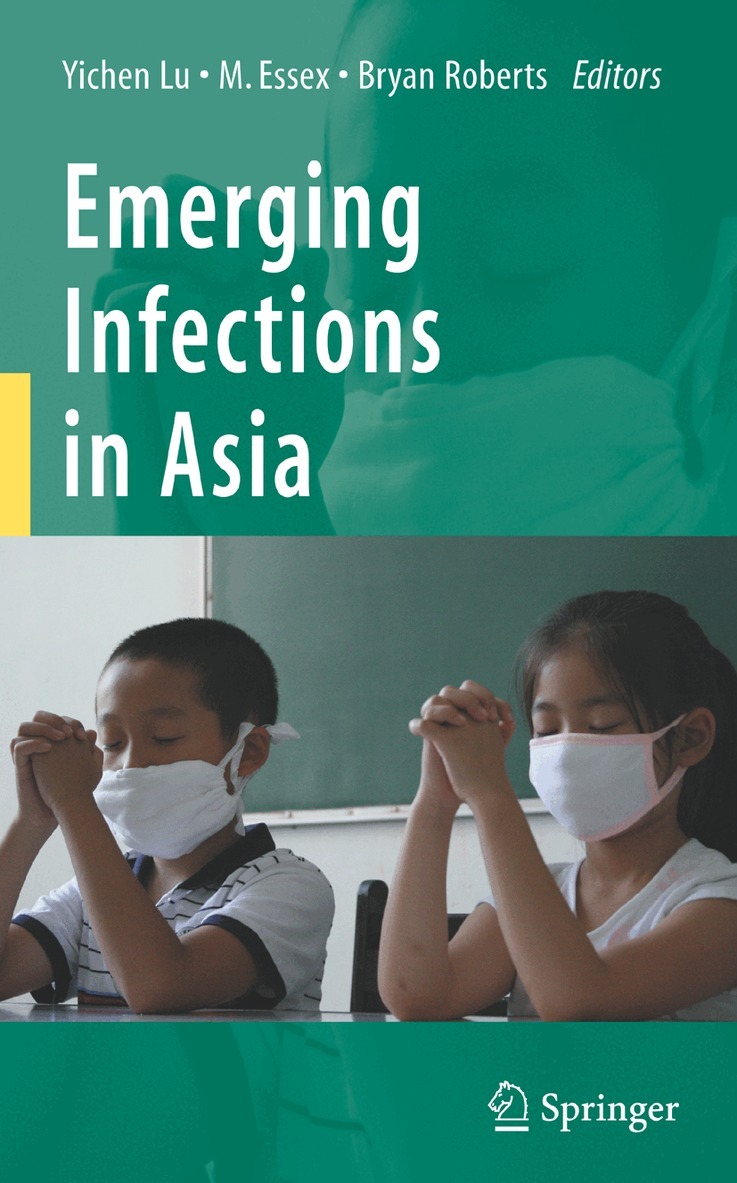
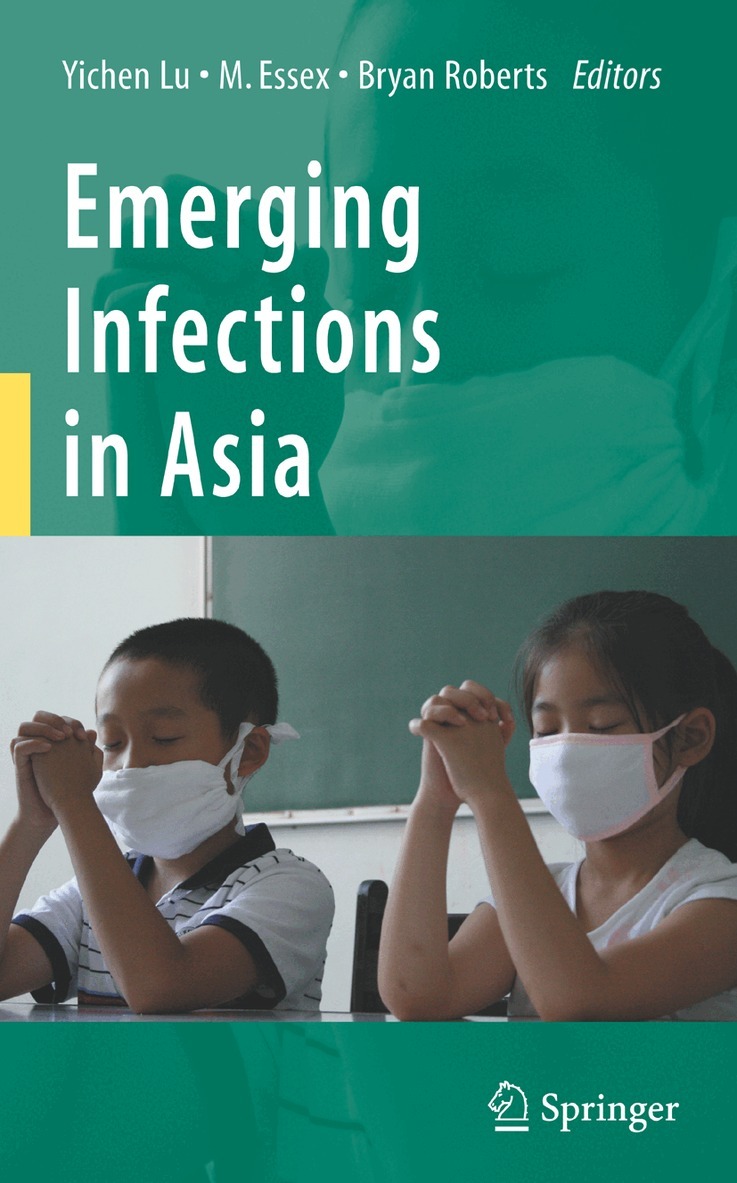
The number of people who live in Asia is greater than the total number of people who live in the rest of the world. More than 160 cities in Asia have a population of at least one million people. Thus, when new infectious diseases threaten popu- tions in Asia, huge segments of the global population are at risk. At the same time, Asians are thoroughly integrated with the rest of the world, providing skilled exp- tise and becoming trading partners in all continents. Infectious diseases ordinarily show no preference for infection or disease according to race or ethnic background. A few exceptions exist, due to the host– pathogen evolution that happened before the recent era of rapid travel. Such exc- tions occur usually because the infectious agent was newly introduced to one population only after having existed and evolved for hundreds or thousands of years in a different population. As air travel became popular in the last few generations of people, it became increasingly difficult for populations to remain in isolation. Thus, in 2003, SARS in China rapidly became SARS in Canada. Throughout history, a major source of new infections of people has been old infections of animals. For some, such as Ebola or Lassa, transmission to people is rare and self-limiting, though frighteningly lethal for the few unfortunate indivi- als who get infected. And Ebola and Lassa are indigenous for Africa, not Asia.
306 kr
Skickas inom 10-15 vardagar
In the year 2000 the World Health Organization estimated that 85 percent of fifteen-year-olds in Botswana would eventually die of AIDS. In Saturday Is for Funerals we learn why that won’t happen.Unity Dow and Max Essex tell the true story of lives ravaged by AIDS—of orphans, bereaved parents, and widows; of families who devote most Saturdays to the burial of relatives and friends. We witness the actions of community leaders, medical professionals, research scientists, and educators of all types to see how an unprecedented epidemic of death and destruction is being stopped in its tracks.This book describes how a country responded in a time of crisis. In the true-life stories of loss and quiet heroism, activism and scientific initiatives, we learn of new techniques that dramatically reduce rates of transmission from mother to child, new therapies that can save lives of many infected with AIDS, and intricate knowledge about the spread of HIV, as well as issues of confidentiality, distributive justice, and human rights. The experiences of Botswana offer practical lessons along with the critical element of hope.
1 625 kr
Skickas inom 10-15 vardagar
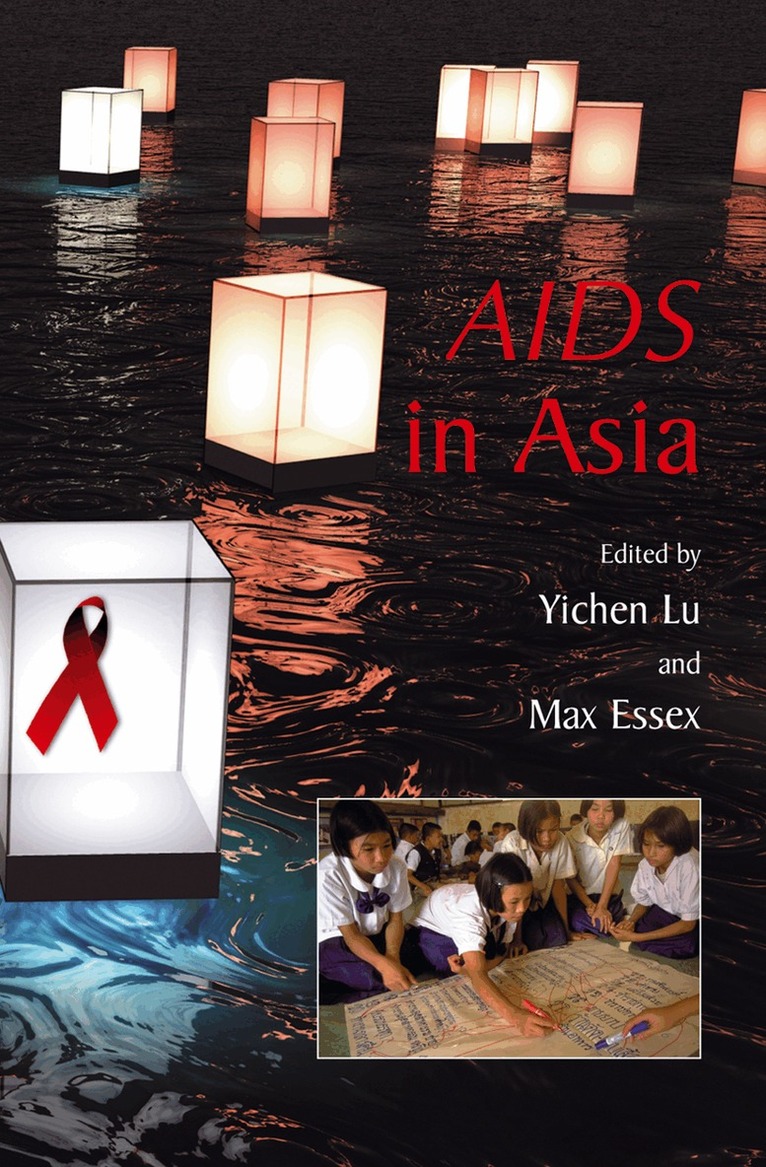
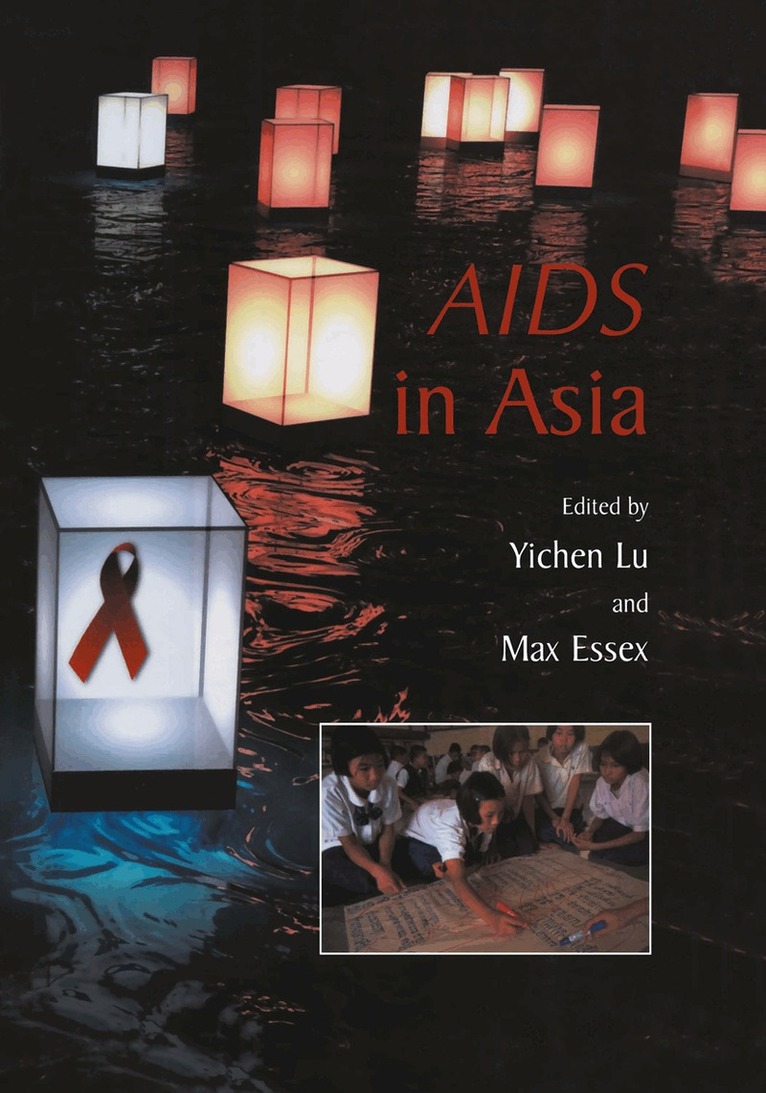
Asia has become the new battle ground for the war against HIV/AIDS. The magnitude of the potential public health problems caused by AIDS in this populous continent may become a catastrophic disaster. A 10% rate of prevalence of HIV-1 in India and China alone would mean more than 200 million people are infected with HIV. AIDS in Asia is useful as a comprehensive, up-to-date AIDS reference book for public health and medical professionals. This volume provides concrete information on the diagnosis, treatment, care, prevention and impact of AIDS. Part I contains 'Snapshots of HIV/AIDS in Asia.' Countries and regions included in this section are: Thailand, India, China, Japan, Vietnam, Laos, Cambodia, Myanmar, Malaysia, Indonesia, the Philippines, Pakistan, Nepal, Sri Lanka, Hawaii and the Pacific Islands, Hong Kong and Taiwan. Part II addresses the molecular epidemiology of HIV/AIDS. Part III deals with the diagnosis, surveillance and projected scenarios of the AIDS epidemic. Part IV outlines prevention efforts and treatment options. Part V provides an overview of the ongoing collaborative efforts involved in several different nations in the worldwide war against AIDS.This volume will be invaluable to all the public health professionals and researchers working in this field. "...the book is a useful addition to the HIV/AIDS literature." "AIDS in Asia offers a comprehensive, interesting overview of the epidemic there and of general issues that will influence its progression." -Roger Detels, MD, MS, University of California-Los Angeles The Journal of the American Medical Association, Book Review, 293:15
552 kr
Skickas inom 10-15 vardagar
The number of people who live in Asia is greater than the total number of people who live in the rest of the world. More than 160 cities in Asia have a population of at least one million people. Thus, when new infectious diseases threaten popu- tions in Asia, huge segments of the global population are at risk. At the same time, Asians are thoroughly integrated with the rest of the world, providing skilled exp- tise and becoming trading partners in all continents. Infectious diseases ordinarily show no preference for infection or disease according to race or ethnic background. A few exceptions exist, due to the host– pathogen evolution that happened before the recent era of rapid travel. Such exc- tions occur usually because the infectious agent was newly introduced to one population only after having existed and evolved for hundreds or thousands of years in a different population. As air travel became popular in the last few generations of people, it became increasingly difficult for populations to remain in isolation. Thus, in 2003, SARS in China rapidly became SARS in Canada. Throughout history, a major source of new infections of people has been old infections of animals. For some, such as Ebola or Lassa, transmission to people is rare and self-limiting, though frighteningly lethal for the few unfortunate indivi- als who get infected. And Ebola and Lassa are indigenous for Africa, not Asia.
1 096 kr
Skickas inom 10-15 vardagar
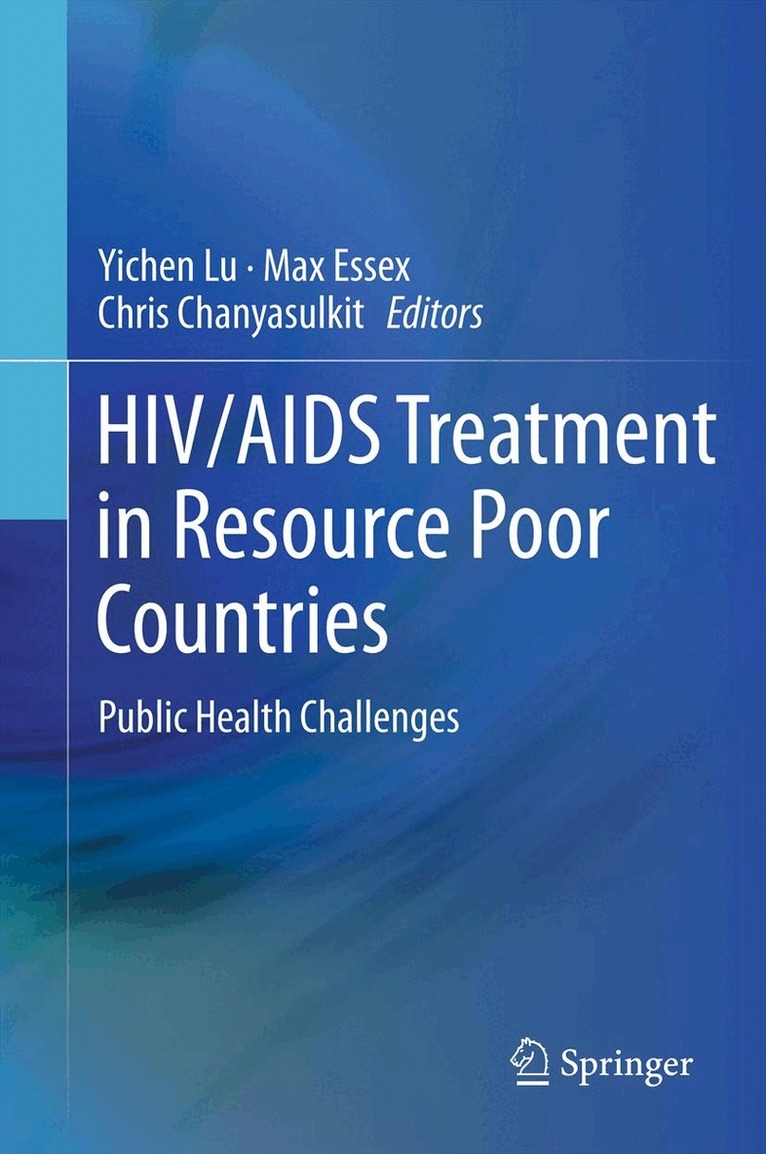
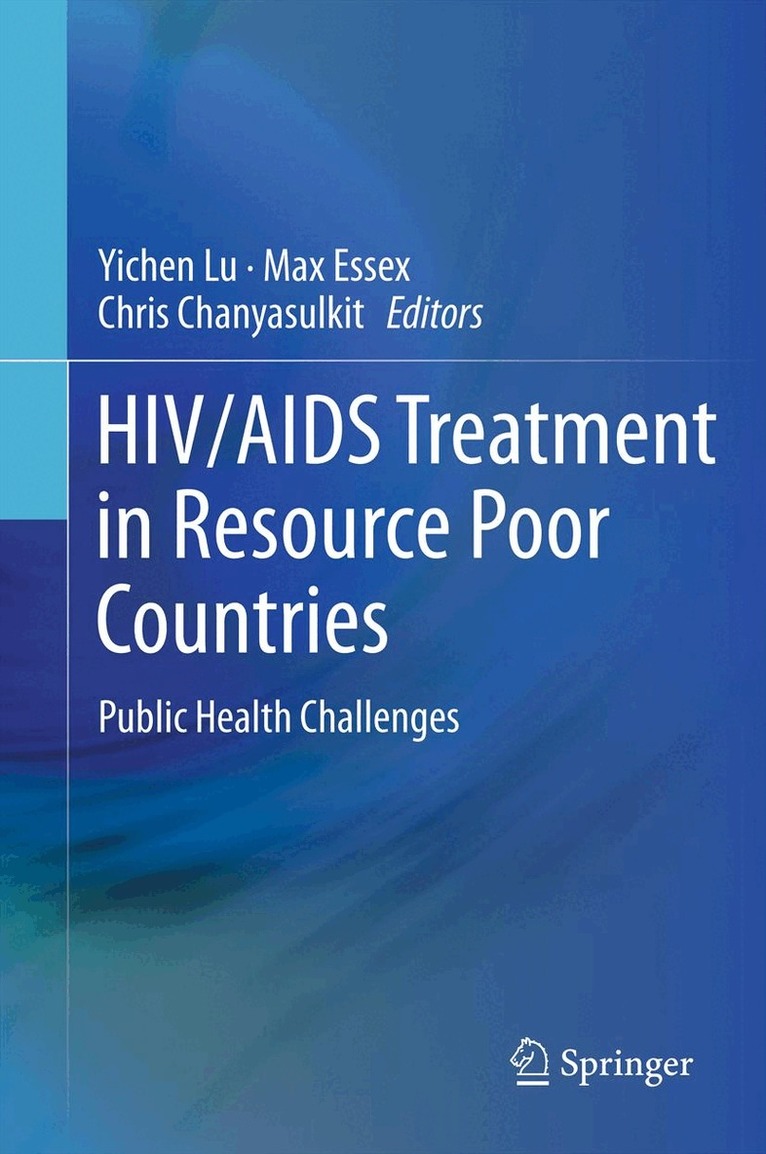
The book focuses on HIV/AIDS prevention and treatment strategies in resource-poor settings. Contributors include HIV/AIDS researchers and public health administrators from the US, Africa, China, and Thailand. Several chapters, written by local health officials, take a close look at AIDS prevention and treatment in China at the community level. Other chapters cover issues of treatment scale-up, drug resistance, and mother-to-child transmission in Southern Africa and Thailand, and offer lessonslearned for researchers in other developing countries. Overall the aim of this book is to bring some of the latest issues to the fore, and to foster exchange and collaboration between AIDS researchers in developing countries. This book grew out of an annual conference held in China and organized by the Harvard School of Public Health, and could possibly become the first volume of a series.
1 625 kr
Skickas inom 10-15 vardagar
The way we deal with AIDS in Africa will All of them take account of the local cultural determine Africa’s future. The devastation context. But they all have something else in wrought by HIV/AIDS on the continent is so common; they stem from a political will to acute that it has become one of the main fight AIDS, and a recognition that facing up obstacles to development itself. AIDS to the problem is the first step towards c- threatens to unravel whole societies, com- quering it. I am convinced that, given that munities, and economies. In this way, AIDS will, every society can do the same. is not only taking away Africa’s present—it We have seen a growing understanding is taking away Africa’s future. of the inextricable link between prevention This crisis requires an unprecedented and treatment, and a conviction that tre- response. It requires communities, nations, ment can work even in the poorest societies. and regions, the public and the private sector, We have seen AIDS drugs become more international organizations and nongovern- available and affordable in poor countries, mental groups to come together in concerted, and scientific progress promises simplified coordinated action. Only when all these treatment regimes. Above all, we have seen a forces join in a common effort will we be able growing understanding that the key is poli- to expand our fight against the epidemic to cal commitment to providing treatment, decrease risk, vulnerability, and impact. All backed up by community involvement.
1 096 kr
Skickas inom 10-15 vardagar
The book focuses on HIV/AIDS prevention and treatment strategies in resource-poor settings. Contributors include HIV/AIDS researchers and public health administrators from the US, Africa, China, and Thailand. Several chapters, written by local health officials, take a close look at AIDS prevention and treatment in China at the community level. Other chapters cover issues of treatment scale-up, drug resistance, and mother-to-child transmission in Southern Africa and Thailand, and offer lessonslearned for researchers in other developing countries. Overall the aim of this book is to bring some of the latest issues to the fore, and to foster exchange and collaboration between AIDS researchers in developing countries. This book grew out of an annual conference held in China and organized by the Harvard School of Public Health, and could possibly become the first volume of a series.