Richard Hindmarsh - Böcker
Visar alla böcker från författaren Richard Hindmarsh. Handla med fri frakt och snabb leverans.
7 produkter
7 produkter
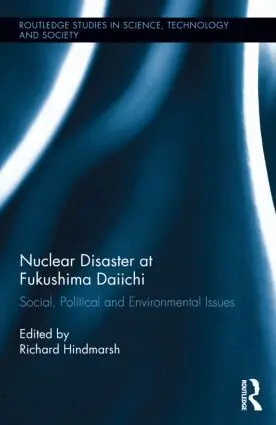
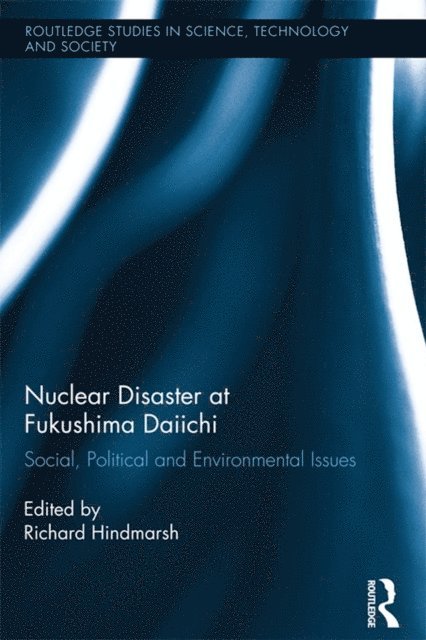
Nuclear Disaster at Fukushima Daiichi
Social, Political and Environmental Issues
Inbunden, Engelska, 2013
2 155 kr
Skickas inom 10-15 vardagar
Nuclear Disaster at Fukushima Daiichi is a timely and groundbreaking account of the disturbing landscape of the Fukushima Daiichi nuclear meltdown amidst an earthquake and tsunami on Japan’s northeast coastline on March 11, 2011. It provides riveting insights into the social and political landscape of nuclear power development in Japan, which significantly contributed to the disaster; the flawed disaster management options taken; and the political, technical, and social reactions as the accident unfolded. In doing so, it critically reflects on the implications for managing future nuclear disasters, for effective and responsible regulation and good governance of controversial science and technology, or technoscience, and for the future of nuclear power itself, both in Japan and internationally.Informed by a leading cast of international scholars in science, technology and society studies, the book is at the forefront of discussing the Fukushima Daiichi disaster at the intersection of social, environmental and energy security and good governance when such issues dominate global agendas for sustainable futures. Its powerful critique of the risks and hazards of nuclear energy alongside poor disaster management is an important counterbalance to the plans for nuclear build as central to sustainable energy in the face of climate change, increasing extreme weather events and environmental problems, and diminishing fossil fuel, peak oil, and rising electricity costs. Adding significantly to the consideration and debate of these critical issues, the book will interest academics, policy-makers, energy pundits, public interest organizations, citizens and students engaged variously with Fukushima itself, disaster management, political science, environmental/energy policy and risk, public health, sociology, public participation, civil society activism, new media, sustainability, and technology governance.
818 kr
Skickas inom 7-10 vardagar
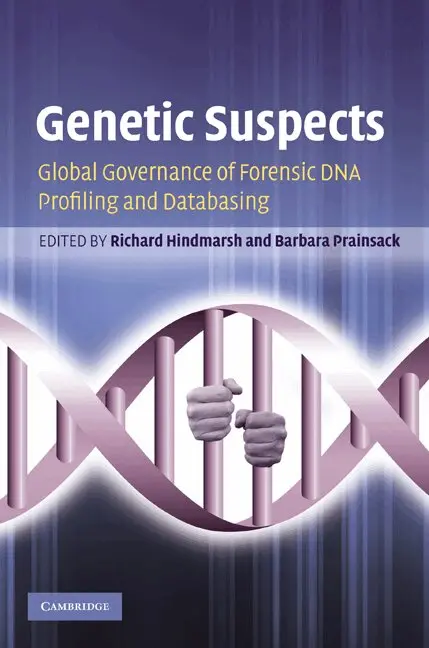
As DNA forensic profiling and databasing become established as key technologies in the toolbox of the forensic sciences, their expanding use raises important issues that promise to touch everyone's lives. In an authoritative global investigation of a diverse range of countries, including those at the forefront of these technologies' development and use, this book identifies and provides critical reflection upon the many issues of privacy; distributive justice; DNA information system ownership; biosurveillance; function creep; the reliability of collection, storage and analysis of DNA profiles; the possibility of transferring medical DNA information to forensics databases; and democratic involvement and transparency in governance, an emergent key theme. This book is timely and significant in providing the essential background and discussion of the ethical, legal and societal dimensions for academics, practitioners, public interest and criminal justice organisations, and students of the life sciences, law, politics, and sociology.
698 kr
Skickas inom 10-15 vardagar
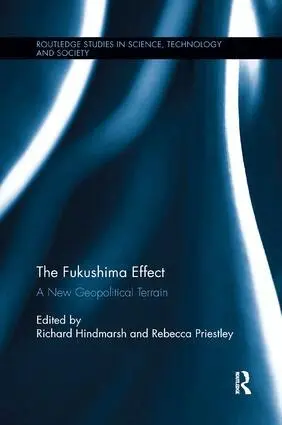
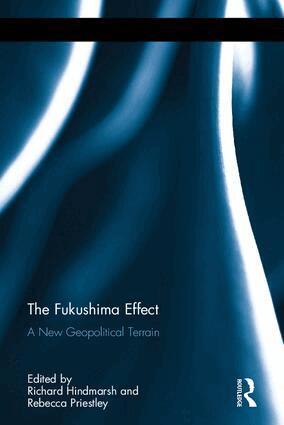
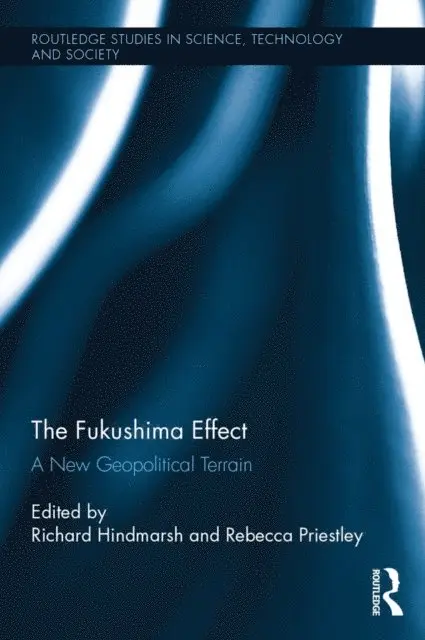
The Fukushima Effect offers a range of scholarly perspectives on the international effect of the Fukushima Daiichi nuclear meltdown four years out from the disaster. Grounded in the field of science, technology and society (STS) studies, a leading cast of international scholars from the Asia-Pacific, Europe, and the United States examine the extent and scope of the Fukushima effect. The authors each focus on one country or group of countries, and pay particular attention to national histories, debates and policy responses on nuclear power development covering such topics as safety of nuclear energy, radiation risk, nuclear waste management, development of nuclear energy, anti-nuclear protest movements, nuclear power representations, and media representations of the effect. The countries featured include well established ‘nuclear nations’, emergent nuclear nations and non-nuclear nations to offer a range of contrasting perspectives. This volume will add significantly to the ongoing international debate on the Fukushima disaster and will interest academics, policy-makers, energy pundits, public interest organizations, citizens and students engaged variously with the Fukushima disaster itself, disaster management, political science, environmental/energy policy and risk, public health, sociology, public participation, civil society activism, new media, sustainability, and technology governance.
283 kr
Skickas
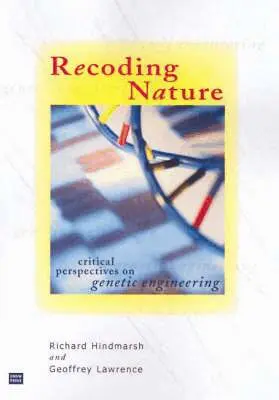
The book addresses some fundamental and profound questions such as: Are GM foods safe to eat? What do consumers think about GM foods and, alternatively, organic produce? What are the real risks of genetic pollution? And is it appropriate to delete a supposed gene for sadness? 'Recoding Nature' challenges the assumptions of those preparing the world for a 'recoded' DNA future. Recoding Nature is at the cutting edge of critical reflection about the 'biotechnology revolution', the redesign of nature through genetically modified plants, animals and even designer humans. The book addresses some fundamental and profound questions: Are GM foods safe to eat? What do consumers think about GM foods and, alternatively, organic produce? What are the real risks of genetic pollution? Is it appropriate to delete a supposed gene for sadness? Where did the idea of the DNA code come from, and how is it shaping thought for a genetics future? Why has commercial release of GM canola been approved when all canola-growing States have declared moratoriums? Does the biomedical approach really offer the way forward in health care? Are there genes for crime, or is this just an illusion? What about the prospects of corporate bioprospecting among Indigenous peoples? And why have large grass-roots movements in Asia surfaced to contest the notion that GM foods will feed the hungry? In fourteen essays by Australian and New Zealand writers critiquing the new biology, and with a stimulating foreword by Mae-Wan Ho - the UK scientist leading a global attack on genetic engineering as 'bad science' - Recoding Nature challenges the assumptions of those preparing the world for a 'recoded' DNA future.
331 kr
Skickas inom 7-10 vardagar
As DNA forensic profiling and databasing become established as key technologies in the toolbox of the forensic sciences, their expanding use raises important issues that promise to touch everyone's lives. In an authoritative global investigation of a diverse range of countries, including those at the forefront of these technologies' development and use, this book identifies and provides critical reflection upon the many issues of privacy; distributive justice; DNA information system ownership; biosurveillance; function creep; the reliability of collection, storage and analysis of DNA profiles; the possibility of transferring medical DNA information to forensics databases; and democratic involvement and transparency in governance, an emergent key theme. This book is timely and significant in providing the essential background and discussion of the ethical, legal and societal dimensions for academics, practitioners, public interest and criminal justice organisations, and students of the life sciences, law, politics, and sociology.
2 155 kr
Skickas inom 10-15 vardagar
The Fukushima Effect offers a range of scholarly perspectives on the international effect of the Fukushima Daiichi nuclear meltdown four years out from the disaster. Grounded in the field of science, technology and society (STS) studies, a leading cast of international scholars from the Asia-Pacific, Europe, and the United States examine the extent and scope of the Fukushima effect. The authors each focus on one country or group of countries, and pay particular attention to national histories, debates and policy responses on nuclear power development covering such topics as safety of nuclear energy, radiation risk, nuclear waste management, development of nuclear energy, anti-nuclear protest movements, nuclear power representations, and media representations of the effect. The countries featured include well established ‘nuclear nations’, emergent nuclear nations and non-nuclear nations to offer a range of contrasting perspectives. This volume will add significantly to the ongoing international debate on the Fukushima disaster and will interest academics, policy-makers, energy pundits, public interest organizations, citizens and students engaged variously with the Fukushima disaster itself, disaster management, political science, environmental/energy policy and risk, public health, sociology, public participation, civil society activism, new media, sustainability, and technology governance.
Nuclear Disaster at Fukushima Daiichi
Social, Political and Environmental Issues
Häftad, Engelska, 2014
698 kr
Skickas inom 10-15 vardagar
Nuclear Disaster at Fukushima Daiichi is a timely and groundbreaking account of the disturbing landscape of the Fukushima Daiichi nuclear meltdown amidst an earthquake and tsunami on Japan’s northeast coastline on March 11, 2011. It provides riveting insights into the social and political landscape of nuclear power development in Japan, which significantly contributed to the disaster; the flawed disaster management options taken; and the political, technical, and social reactions as the accident unfolded. In doing so, it critically reflects on the implications for managing future nuclear disasters, for effective and responsible regulation and good governance of controversial science and technology, or technoscience, and for the future of nuclear power itself, both in Japan and internationally.Informed by a leading cast of international scholars in science, technology and society studies, the book is at the forefront of discussing the Fukushima Daiichi disaster at the intersection of social, environmental and energy security and good governance when such issues dominate global agendas for sustainable futures. Its powerful critique of the risks and hazards of nuclear energy alongside poor disaster management is an important counterbalance to the plans for nuclear build as central to sustainable energy in the face of climate change, increasing extreme weather events and environmental problems, and diminishing fossil fuel, peak oil, and rising electricity costs. Adding significantly to the consideration and debate of these critical issues, the book will interest academics, policy-makers, energy pundits, public interest organizations, citizens and students engaged variously with Fukushima itself, disaster management, political science, environmental/energy policy and risk, public health, sociology, public participation, civil society activism, new media, sustainability, and technology governance.