Richard Hone – författare
Visar alla böcker från författaren . Handla med fri frakt och snabb leverans.
4 produkter
4 produkter
Inbunden, Engelska, 2024
272 kr
Skickas
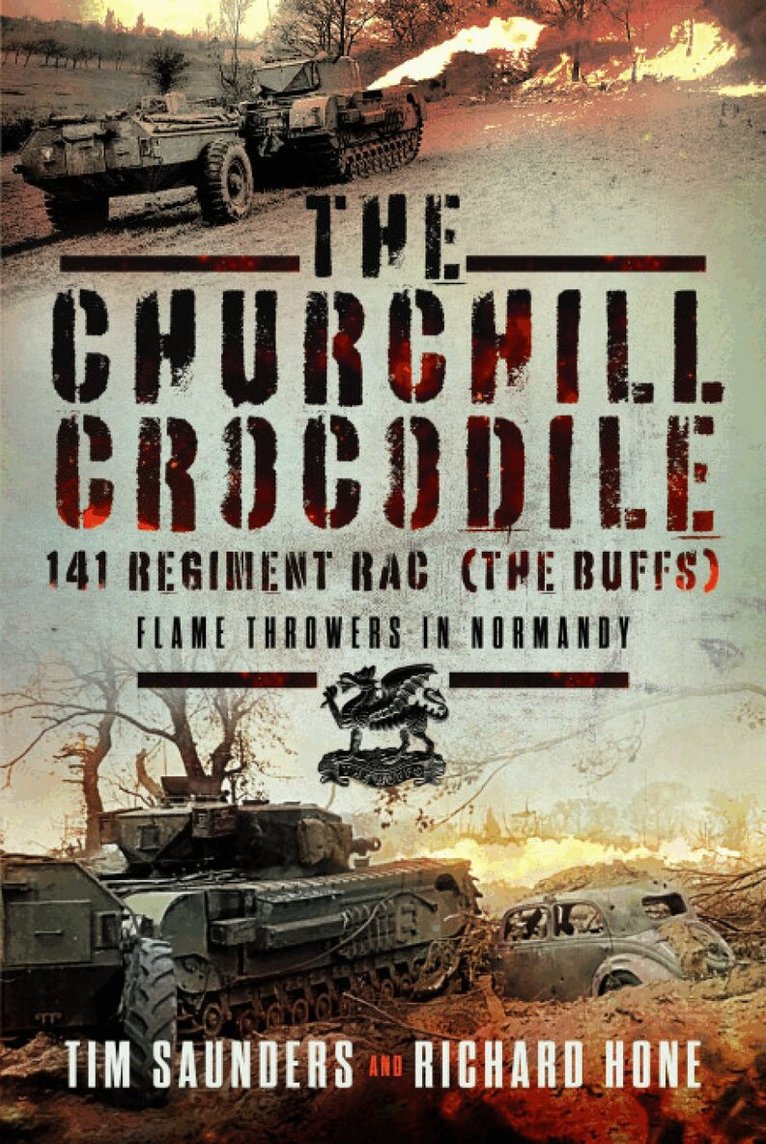
The British Army started the development of flame throwers in 1938, but progress was slow and interest was side-lined after Dunkirk while the army reequipped. Investment in a flame-throwing tank only returned to the agenda thanks to interest by General Percy Hobart when he developed ‘funnies’ for 79th Armoured Division and the concept gained the support of General Sir Alan Brooke.141 (The Buffs) Regiment RAC had been converted to Churchill Tanks at the end of 1941 and in early 1944 they were earmarked for another change of role to the Crocodile conversion of the new Mk VII Churchill tank. This flame throwing system was secret and started to arrive with the regiment in April 1944. By D-Day only one squadron was equipped and trained, with space on the landing craft only available for two troops to land in support of 50th Division.The rest of the regiment arrived by the end of June and were in action with various formations across the front. There followed a period of misuse by those they supported and learning on the job by the regiment’s squadrons, but by the middle of the campaign a clear doctrine for the use of the Crocodile had emerged and they were in great demand.
E-bok
PDF, Engelska, 202429 kr
Läs direkt efter köp
The British Army started the development of flame throwers in 1938, but progress was slow and interest was side-lined after Dunkirk while the army reequipped. Investment in a flame-throwing tank only returned to the agenda thanks to interest by General Percy Hobart when he developed ‘funnies’ for 79th armored Division and the concept gained the support of General Sir Alan Brooke.141 (The Buffs) Regiment RAC had been converted to Churchill Tanks at the end of 1941 and in early 1944 they were earmarked for another change of role to the Crocodile conversion of the new Mk VII Churchill tank. This flame throwing system was secret and started to arrive with the regiment in April 1944. By D-Day only one squadron was equipped and trained, with space on the landing craft only available for two troops to land in support of 50th Division.The rest of the regiment arrived by the end of June and were in action with various formations across the front. There followed a period of misuse by those they supported and learning on the job by the regiment’s squadrons, but by the middle of the campaign a clear doctrine for the use of the Crocodile had emerged and they were in great demand.
E-bok
Engelska, 202115 kr
Läs direkt efter köp
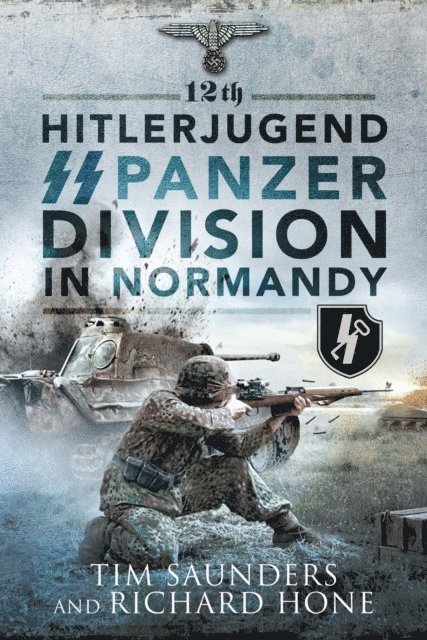
The history of the armored division comprised of German teenagers in the Normandy campaign, drawing on new materials from former Eastern Bloc archives. Raised in 1943 with seventeen-year-olds from the Hitler Youth movement, and following the twin disasters of Stalingrad and ‘Tunisgrad,’ the Hitlerjugend Panzer Division emerged as the most effective German division fighting in the West. The core of the division was a cadre of officers and NCOs provided by Hitler’s bodyguard division, the elite Leibstandarte, with the aim of producing a division of ‘equal value’ to fight alongside them in I SS Panzer Corps. During the fighting in Normandy, the Hitlerjugend proved to be implacable foes to both the British and the Canadians, repeatedly blunting Montgomery’s offensives, fighting with skill and a degree of determination well beyond the norm. This they did from D+1 through to the final battle to escape from the Falaise Pocket, despite huge disadvantages, namely constant Allied air attack, highly destructive naval gunfire, and a chronic lack of combat supplies and replacements of men and equipment. Written with the advantage of new materials from archives in the former Eastern Bloc, this book is no whitewash of a Waffen SS division and it does not shy away from confronting unpalatable facts or controversies. Includes photographs
E-bok
PDF, Engelska, 202115 kr
Läs direkt efter köp
Written with the advantage of new materials from archives in the former Eastern Bloc, this book is no whitewash of a Waffen SS division and it does not shy away from confronting unpalatable facts or controversies.Raised in 1943 with seventeen-year-olds from the Hitler Youth movement, and following the twin disasters of Stalingrad and ‘Tunisgrad’, the Hitlerjugend Panzer Division emerged as the most effective German division fighting in the West. The core of the division was a cadre of offices and NCOs provided by Hitler’s bodyguard division, the elite Leibstandarte, with the aim of producing a division of ‘equal value’ to fight alongside them in I SS Panzer Corps.During the fighting in Normandy, the Hitlerjugend proved to be implacable foes to both the British and the Canadians, repeatedly blunting Montgomery’s offensives, fighting with skill and a degree of determination well beyond the norm. This they did from D+1 through to the final battle to escape from the Falaise Pocket, despite huge disadvantages, namely constant Allied air attack, highly destructive naval gunfire and a chronic lack of combat supplies and replacements of men and equipment.Written with the advantage of new materials from archives in the former Eastern Bloc, this book is no whitewash of a Waffen SS division and it does not shy away from confronting unpalatable facts or controversies.