Tim Saunders - Böcker
Visar alla böcker från författaren Tim Saunders. Handla med fri frakt och snabb leverans.
30 produkter
30 produkter
163 kr
Skickas
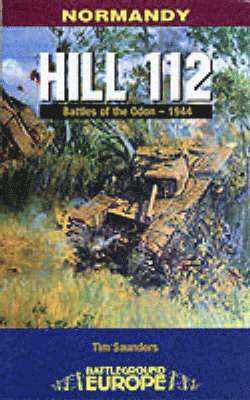
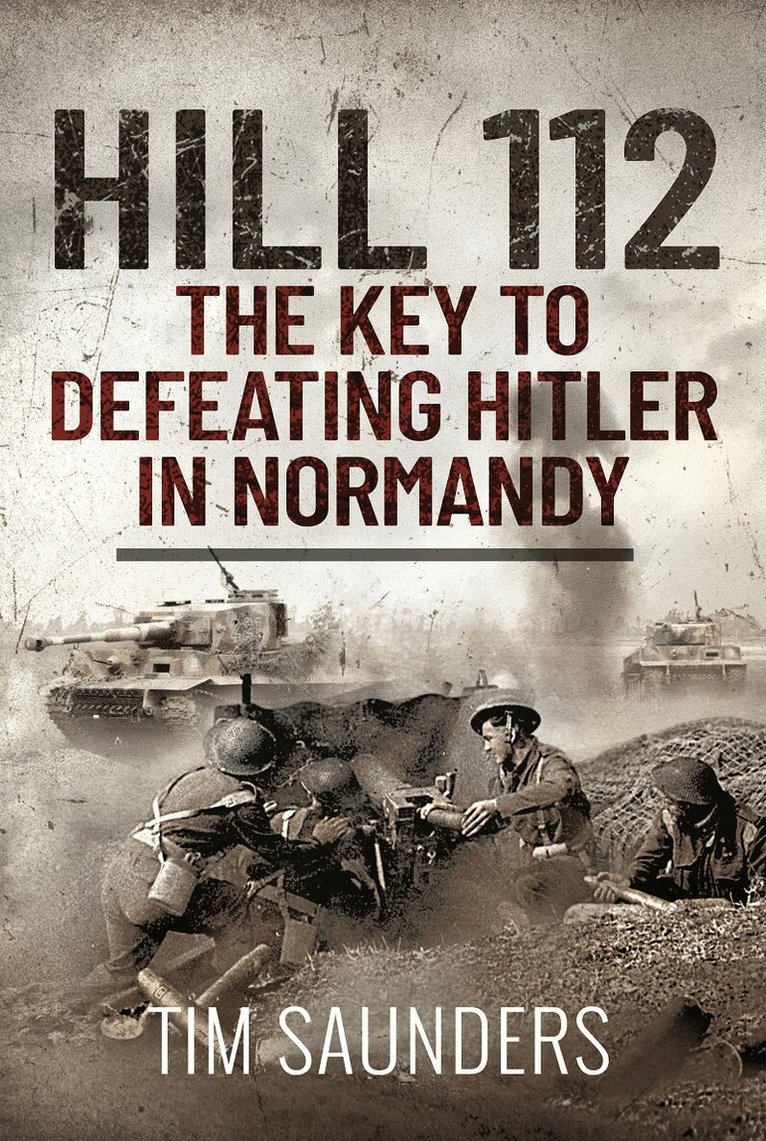
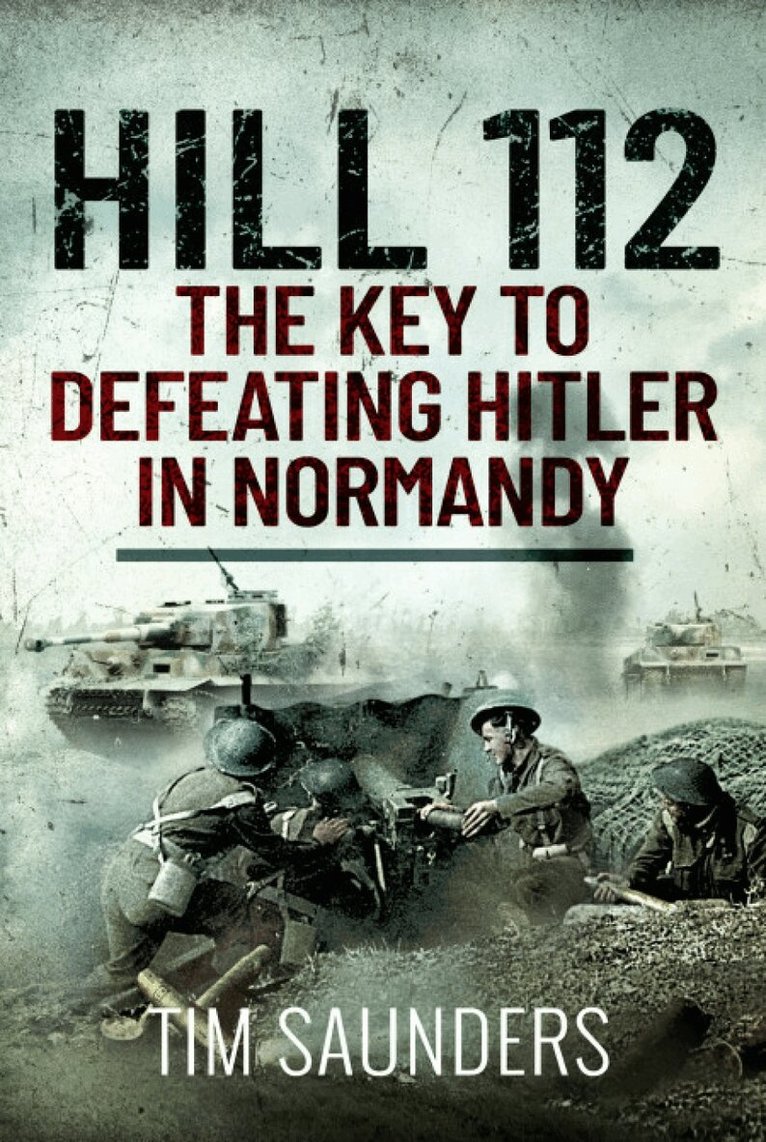
'He who holds Hill 112, holds Normandy' said a German general, while the British regarded the hill as 'the Key to Normandy'. During the battle in June and July 1944, both sides were to fight hard for its dominating views over the surrounding area.This book tells of Hill 112's seizure by 11th Armoured Division and their subsequent withdrawal after ULTRA decryptions warned Montgomery of II SS Panzer Corps's approach. Ten days later soldiers from the West Country, Scotland and the Royal Tank Regiment struggled to take Hill 112 for a second time.The controversial Major General Thomas earned the nickname 'Butcher' in one of the Normandy campaign's bloodiest battles, fought against four SS panzer divisions. This guide depicts in vivid detail the desperate fighting during the hot July days on the slopes of Hill 112 and in the surrounding villages that remain largely unchanged today.
163 kr
Skickas
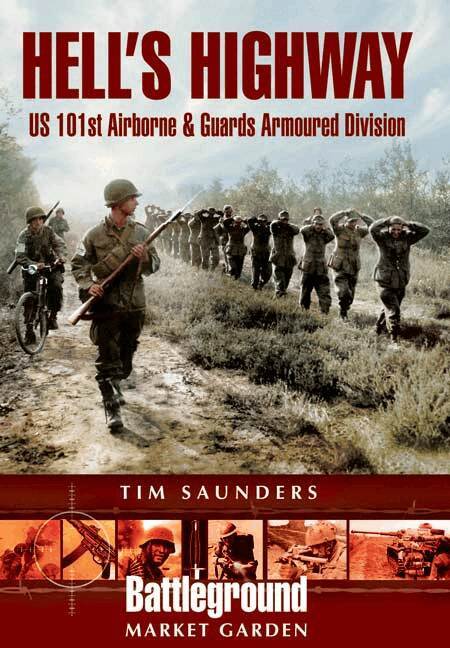
Hell's Highway is the dramatic name given to the vital stretch of road that the British 3rd Guards Armoured Division had to advance down rapidly on their route to relieve the American Paras (83rd Airborne) at Nijmegen and the British 1st Airborne Division at Arnhem. It should have been easy as The Screaming Eagles (101st Airborne) had been dropped to hold it. The reasons for the ensuing delay which led to disaster at Arnhem remain controversial and make for gripping reading. Adopting the clear and successful style of Battleground works this book relies on personal accounts to embellish this dramatic story.
183 kr
Skickas
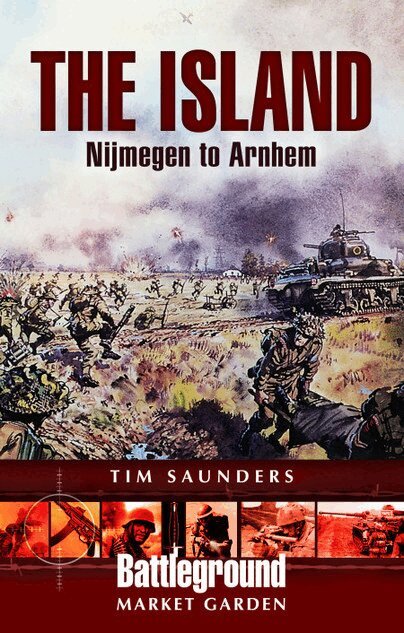
Having fought their way up fifty miles of Hell's Highway and through Nijmegen, XXX Corps was just ten miles from Arnhem and 1st British Airborne Division. The Island is flat land between the Waal at Nijmegen and the Rhine at Arnhem. The situation was increasingly bad with the remainder of II SS Panzer Corps in the area and German counter attacks on Hell's Highway preventing the Allies applying their material superiority. The Guards Armoured and then 43rd Wessex Infantry Division took turns to lead before reaching the Rhine opposite the paratroopers in the Oosterbeek Perimeter.Attempts to cross the Rhine by the Polish Paras and the Dorset Regiment had little success but, meanwhile, the guns of XXX Corps ensured the survival of the Perimeter. After some desperate fighting on the island, 43 Wessex Division evacuated just two thousand members of the elite Airborne Division who had landed eight days earlier.
152 kr
Tillfälligt slut
Operation EPSOM was Montgomerys third attempt to take the city of Caen, which was a key British D-Day objective. This book takes us through the actions in vivid detail. Delayed by a storm, the attack, designed to envelop Caen from the west, eventually began at the end of June 1944.The Territorial Army battalions of 15th Scottish Division spearheaded the attacks through the well developed positions of 12th
266 kr
Skickas
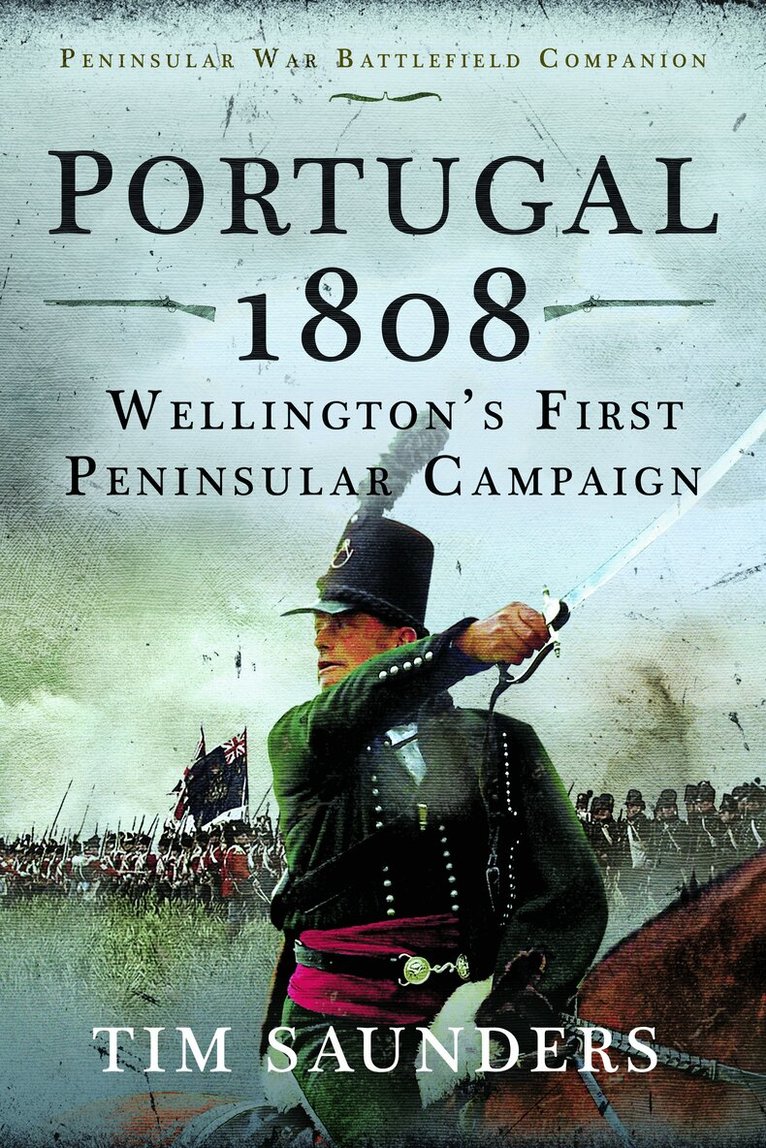
When Napoleon overreached himself by usurping the Burbon throne of Spain in early 1808, the resulting Spanish resentment and the brutal suppression of the Dos di Mayo Rebellion in Madrid turned Spain, a long-term enemy of Britain, into an ally. Sir Arthur Wellesley’s expedition to South America was promptly cancelled and redirected to the Peninsular.Eventually landing in Portugal at the mouth of the Rio Mondego, the army found itself with little transport, but by keeping close to the coast and with logistical support from the Royal Navy, Wellesley set off south to confront Marshal Junot and liberate Lisbon. The first clash of arms was at Obidos and, days later, at the Combat of Roliça, Wellesley achieved his first victory in battle against the willey General Delaborde.With word that reinforcements were expected to arrive at Maceira Bay, the army was deployed at Vimiero to protect their landing. Meanwhile, Junot had assembled his army and decided to attack at Vimiero. In a short but hard-fought battle, Wellesley was victorious, however an opportunity for total defeat of the French was squandered in succession by generals Burrard and Dalrymple, who instead accepted an armistice. This eventually became the notorious Convention of Cintra.
318 kr
Skickas
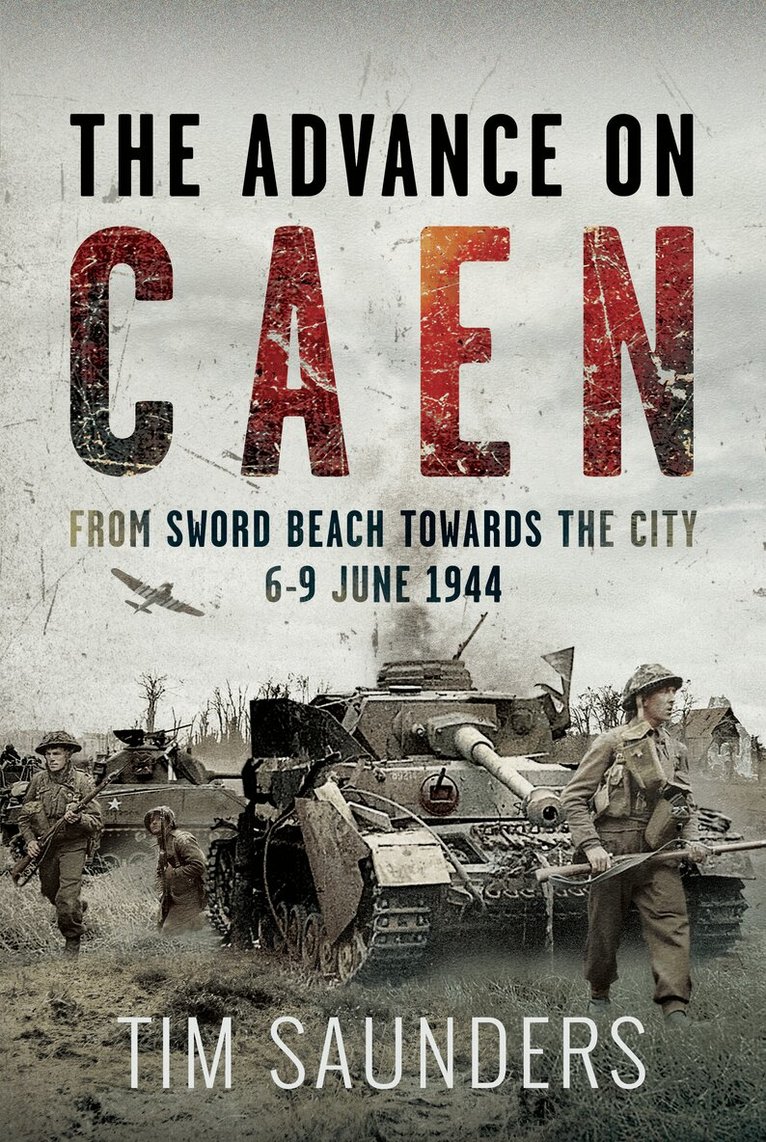
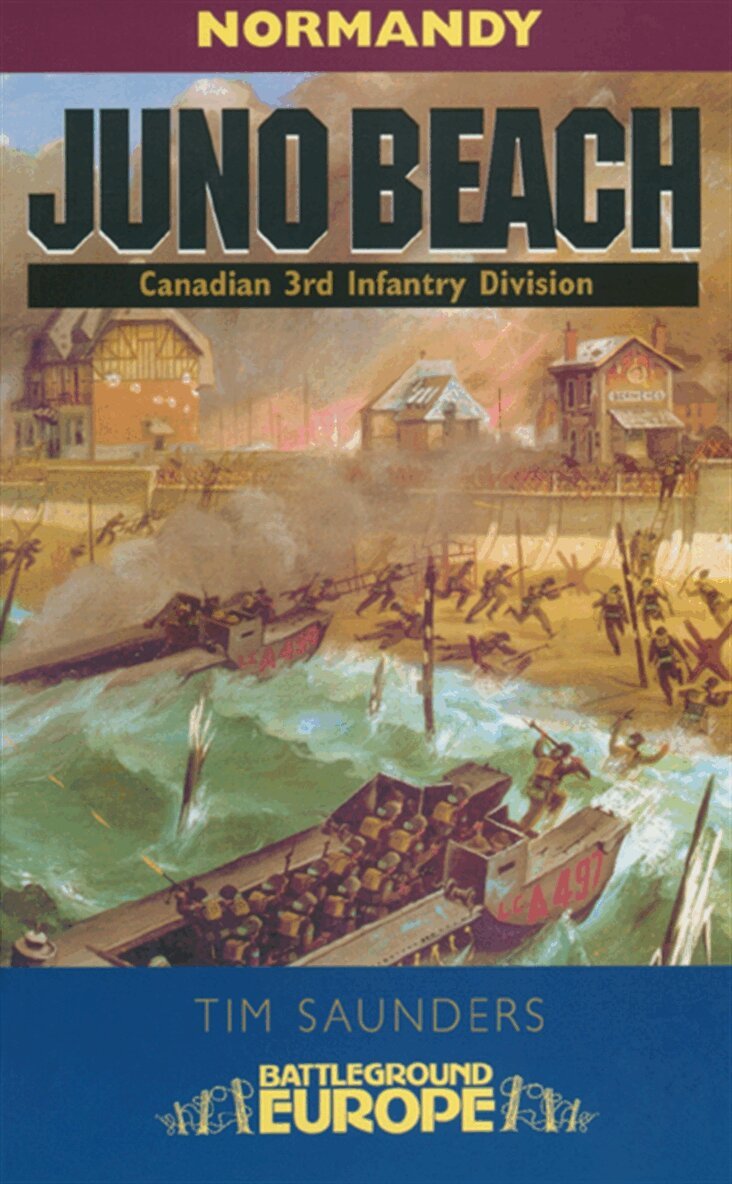
The COSSAC planners in 1943 outlined a strategy to capture the city of Caen, some 10 miles in-land from the coastline with an airborne division. On assumption of command of 21st Army Group, General Montgomery up-scaled the invasion and inserting SWORD Beach, gave the task of capturing the city to the 3rd Division on D Day or shortly afterwards. The Germans, however, seeing the number of Allied divisions, many fictional, multiplying on their situation maps, believed that a secondary landing would be made in Normandy. In April 1944, they therefore made significant reinforcements including moving the 21st Panzer Division to the important transport node of Caen that, if held, barred the way onto the more open country south to Falaise.Though aware of the German reinforcement thanks to ULTRA, the Allied aspiration remained to capture Caen and fix the Germans against the British Second Army on the eastern flank of the lodgement. In doing so, it became obvious that the city would not be captured as quickly or cleanly as originally envisaged.On D Day, the 3rd Division faced not just the coastal crust of defences, but German formations deployed in depth, including the 21st Panzer Division barring the way to Caen. Beset with difficulties resulting from Eisenhower’s decision to ‘go’ in less-than-ideal conditions, the landing was slow and the division could not develop the necessary momentum to carry them to the city.
318 kr
Skickas
As the Second World War loomed, the Territorial Army was doubled and 2nd Battalion, The London Rifle Brigade was formed. This title was short lived and 8th Rifle Brigade joined the newly raised 11th Armoured Division in the spring of 1941. Three years of training followed, with regular changes of tactics and developments in weapons and equipment. Some of these were still being implemented at the last moment before the invasion of North West Europe, including the issue of a mix of Lend Lease US halftracks.Deploying to Normandy, 8 RB’s companies were attached to their respective Sherman regiments of 29 Armoured Brigade and were well prepared for their part in Operation EPSOM. At the tip of the salient driven across the Odon, the Riflemen fought their first bloody action on Hill 112. Operation GOODWOOD followed in mid-July, with successful infantry assaults on villages before tank casualties and heavy rain brought a halt to the battle.At the end of the month, with the American breakout gaining momentum, the 11th Armoured Division was transferred west into the Bocage in Operation BLUECOAT. In very different terrain the Riflemen played a leading part in the advance south. Having reached Preseles, again at the tip of an advance, 8 RB fought a desperate defensive battle against an SS panzer division. But by now the Germans were becoming exhausted and over two weeks, the pattern was an advance 10 miles or so against delaying positions before facing a serious German position, usually based on an obstacle as dusk settled. Overnight the enemy withdrew again, and the process was repeated daily to Falaise and beyond.The distances covered in the pursuit to the Seine were greater but with the seizure of a crossing at Venon, the division was rushed forward and in a remarkable advance of many miles against disorganised German formations, the division took Amiens and secured bridges over the River Somme, forestalling enemy attempts to form a defensive line.
266 kr
Skickas
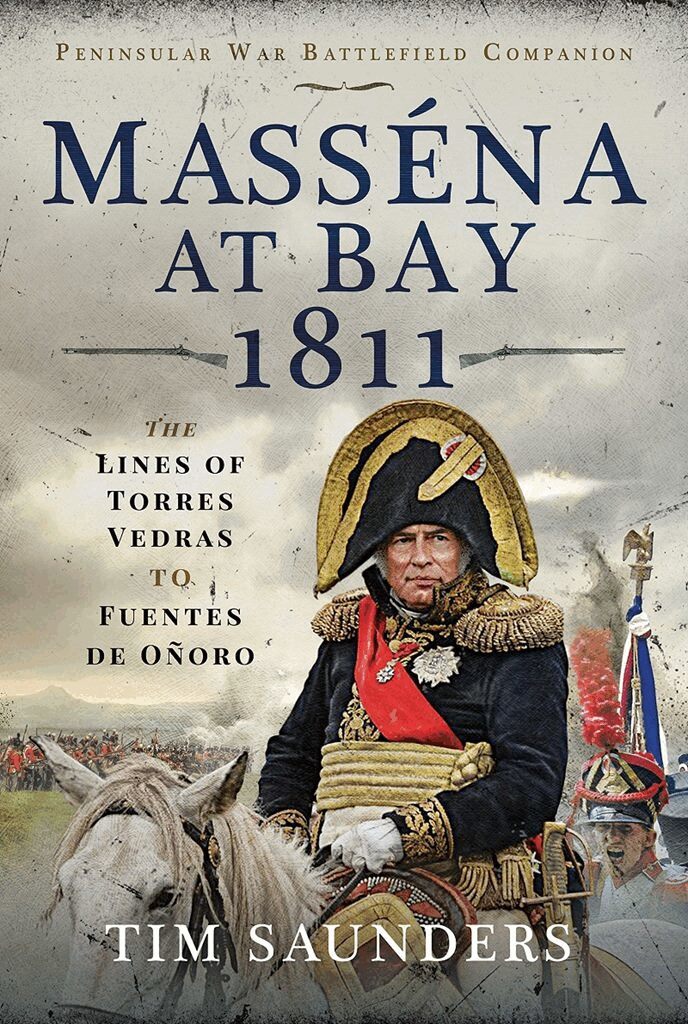
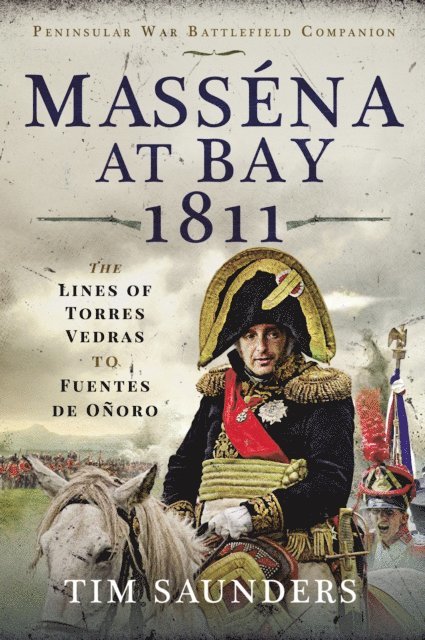
The 1810 French invasion of Portugal, commanded by the veteran marshal Andre Massena, who was known to Napoleon as the 'Spoilt Child of Victory' has been well covered by historians. Conversely, the shock revelation of the presence of the Lines of Torres Vedras baring the French Army of Portugal's way to their objective of Lisbon, and numerous combats through to the Battle of Funtes de Onoro, has been frequently and unjustifiably glossed over.This book, starting with the occupation of the Lines of Torres Vedras, which were at the heart of Wellington's Peninsular strategy from October 1809-1812, is the story of Wellington's pursuit of Massena back to Spain. This was a time when the Peninsular Army was still being forged and Wellington was refining his own art of war. In addition, 1810-1811 was a period when the outcome of the struggle in Iberia was still far from certain, and Wellington could not manoeuvre with the same confidence in the outcome as he could in future years.The series of combats fought at Pombal, Redhina, Foz da Arounce and Sabugal while Massena was at bay, though not categorised as 'general actions', were of the same scale and significance as those of 1808; Rolica and Vimiero. The general action at Funtes de Onoro was one of the most significant of Wellington's victories, but he confessed that 'If Bony had been here we would have been beat'.
214 kr
Skickas
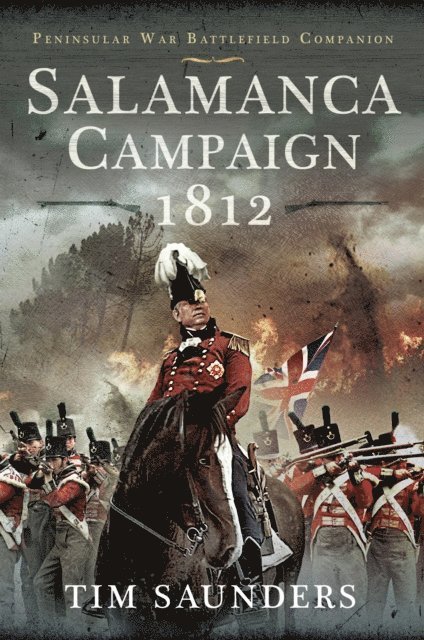
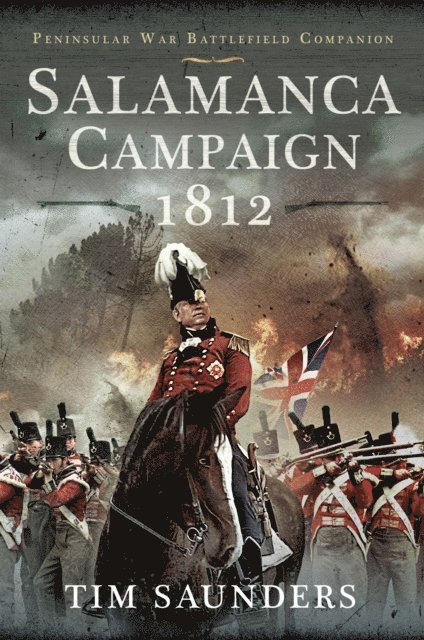
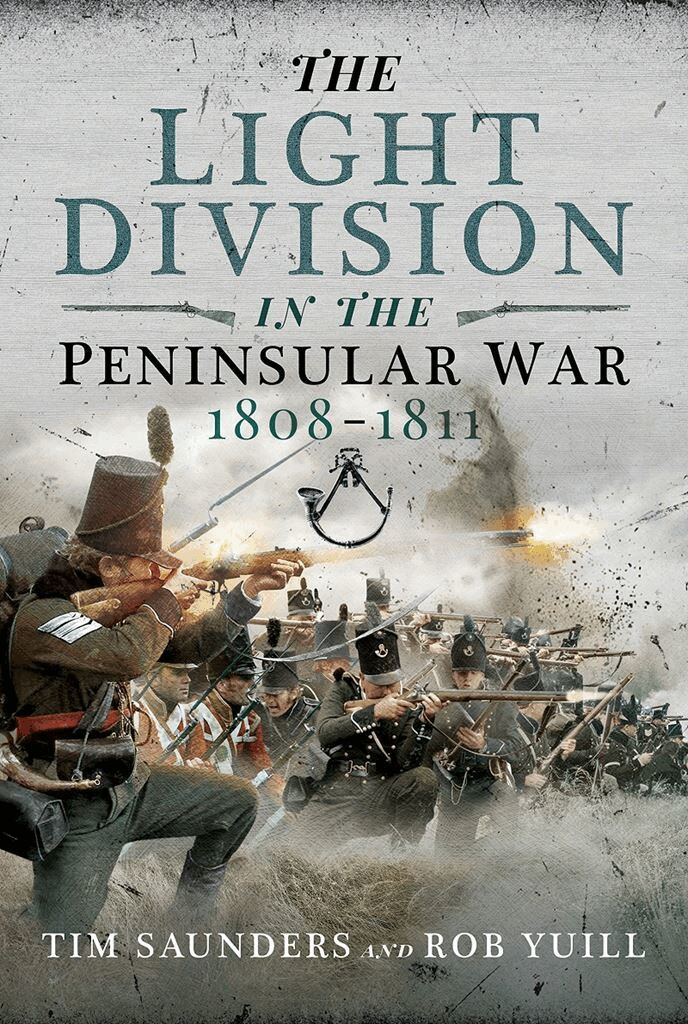
By the middle of 1811, Brigadier General Robert Craufurd's Light Division was emerging as the elite of the Peninsular Army and Wellington was seeking opportunities to go over to the offensive, following the expulsion of Marshal Mass na from Portugal.After a period of outpost duty for the Light Division on the familiar ground of the Spanish borders, Wellington seized the keys to Spain' in the epic sieges of Ciudad Rodrigo and Badajoz. Still reeling from the loss of General Craufurd, The Division' led the army against Marshal Marmont and after a protracted period of marching and counter marching, the French were finally brought to battle at Salamanca. As a result of King Joseph being driven out of Madrid, the French marshals united and in the autumn of 1812, the British were driven back to Ciudad Rodrigo in another gruelling retreat.With news of Napoleon's disaster in Russia and with reinforcements from Britain, Wellington prepared his army to drive the French from the Peninsular. A lightening march across Spain to cut the Great Road found King Joseph and Marshal Jourdan at Vitoria and the resulting battle, in which the Light Division fought their way into the heart of the French position, was a triumph of arms for Wellington's light troops.The pursuit into the Pyrenees, had a sting in the tail when Marshal Soult mounted counter offensives in an attempt to relieve San Sebastian and Pamplona. Having thrown the French back and with the Sixth Coalition intact, the Light Division fought their way through the mountains and into Napoleon's France.With the allies closing in on all sides, the French fought on into 1814 and the Light Bobs had further fighting before the spoils of peace in a war-weary France could be enjoyed.
373 kr
Kommande
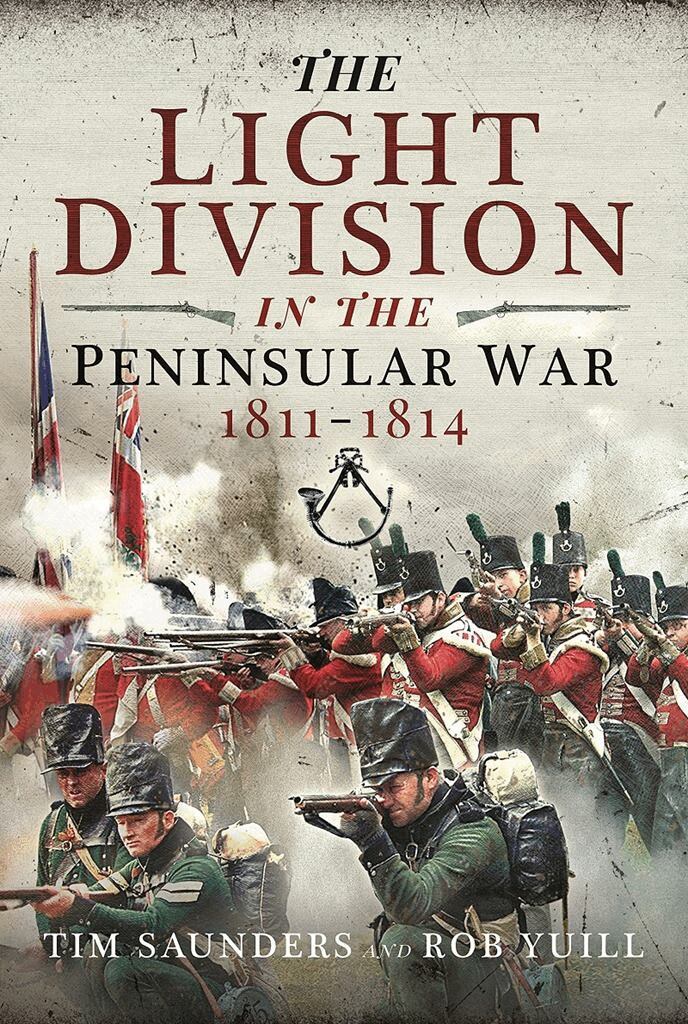
Histories of the Light Division have tended to be incomplete, being based on memoirs of a few well known diarists, principally from the 95th Rifles. The authors of this book, the first volume of two, have sought memoirs from across the division, including the artillery, the King's German Hussars and others to complete a broader history of Wellington's elite division.Light infantry was not new a concept in 1803, but at Shorncliffe Camp Sir John Moore developed a progressive ethos, set of tactics and training for the newly converted light infantry regiments. With the 95th Rifles they were melded into a brigade that was to form the basis of the incomparable Light Division.From the outset of the Peninsular campaigns in 1808 they delivered results way beyond their scant numbers, but it was during the epic winter retreat to La Corunna that they showed their metal. Returning to the Peninsular months later, the irascible Brigadier Craufurd led the Light Brigade in terrible march to reach Wellington at Talavera; heavily laden and in the heat of summer.Over the winter of 1809/10, Craufurd,s battalions, now elevated to the status of a division, provided the army's outposts. This was work that Craufurd excelled in and actions abounded, including the Combat on the Coa, where the division fought hard to escape Marshal Ney's trap.In 1810, with Wellington withdrawing to the Lines of Torres Vedra, the Light Division played a significant part in the battle of Bucaco Ridge, while the following year they drove Marshal Massena's army back into Spain having fought almost daily actions en route.This history of the Light Division is not simply a series of set piece battles but provides a wider picture of campaigning and what it was to be a light infantry soldier.
266 kr
Skickas
He who holds Hill 112 holds Normandy' seemed an unlikely maxim when the hill is viewed from a distance, but on reaching its plateau, the vistas unfold in every direction across a huge swath of Normandy. For the Germans it was their vital defensive ground, but for the British it was an essential steppingstone en route to the River Orne and access to the open country south to Falaise.The Hitlerjugend SS Panzer Division lost Hill 112 to 4th Armoured Brigade when the Scots captured the Tourmauville Bridge intact, but the essence of Hill 112's tactical problem soon became clear. It was impossible for armour to survive on its broad plateau, while the infantry could only hold the skeletal orchards and woods at the cost of crushing casualties. With II SS Panzer Corps preparing to attack the British, the toe hold was given up and 11th Armoured Division was left holding a bridgehead across the River Odon.Ten days later, 43rd Wessex Division was ordered to resume the advance to the Orne with Hill 112 its first objective. As the west countrymen and tanks rose to advance, they met withering fire from the stronghold that Hill 112 had become. The scene was set for one of the grimmest battles of the campaign.For six weeks from the end of June into August, when the Allied advances finally gained momentum, Hill 112 was far too important to let the opposition hold and exploit it. Consequently, it was regularly shelled and mortared, and shrouded with smoke and dust, while soldiers of both sides clung to their respective rims of the plateau.By the end, Hill 112 had developed a reputation as evil as that of any spot on the First World War's Western Front.
163 kr
Skickas
‘He who holds Hill 112 holds Normandy’ seemed an unlikely maxim when the hill is viewed from a distance, but on reaching its plateau, the vistas unfold in every direction across a huge swath of Normandy. For the Germans it was their vital defensive ground, but for the British it was an essential steppingstone en route to the River Orne and access to the open country south to Falaise.The Hitlerjugend SS Panzer Division lost Hill 112 to 4th Armoured Brigade when the Scots captured the Tourmauville Bridge intact, but the essence of Hill 112’s tactical problem soon became clear. It was impossible for armour to survive on its broad plateau, while the infantry could only hold the skeletal orchards and woods at the cost of crushing casualties. With II SS Panzer Corps preparing to attack the British, the toe hold was given up and 11th Armoured Division was left holding a bridgehead across the River Odon.Ten days later, 43rd Wessex Division was ordered to resume the advance to the Orne with Hill 112 its first objective. As the west countrymen and tanks rose to advance, they met withering fire from the stronghold that Hill 112 had become. The scene was set for one of the grimmest battles of the campaign.For six weeks from the end of June into August, when the Allied advances finally gained momentum, Hill 112 was far too important to let the opposition hold and exploit it. Consequently, it was regularly shelled and mortared, and shrouded with smoke and dust, while soldiers of both sides clung to their respective rims of the plateau.By the end, Hill 112 had developed a reputation as evil as that of any spot on the First World War’s Western Front.
235 kr
Skickas
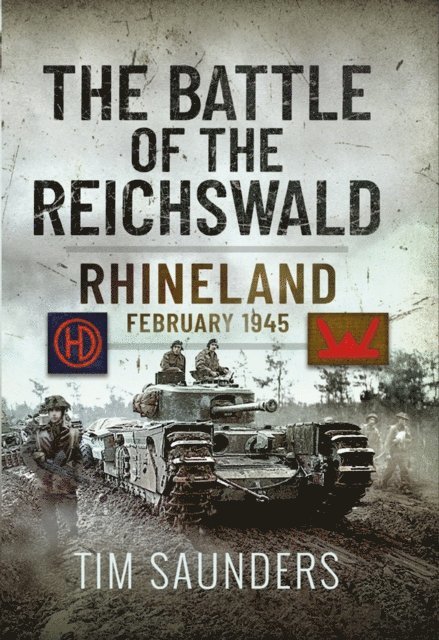
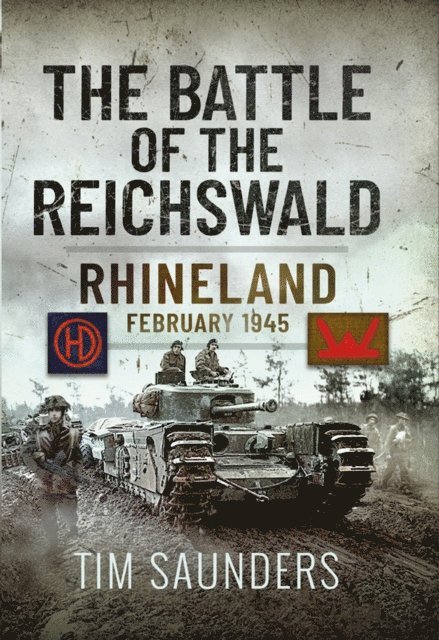
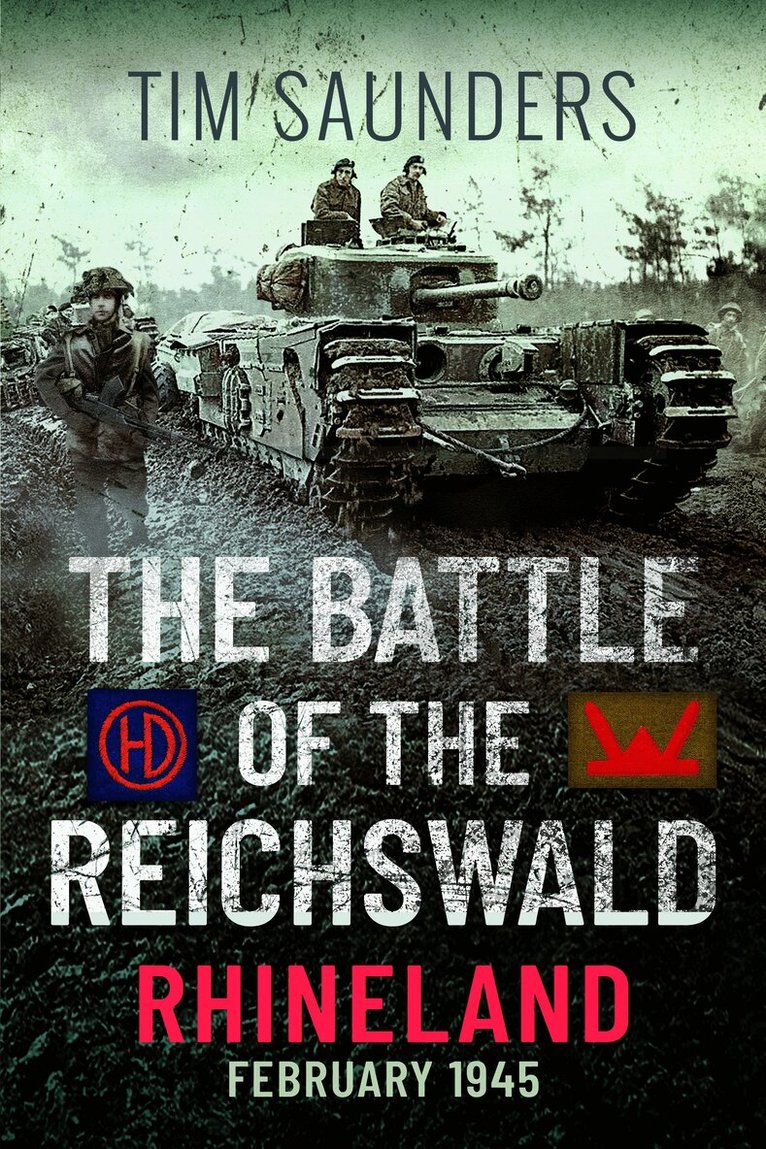
During winter 1944/45 few German officers believed that the Allies would attack the wooded Reichswald Plug on the narrow neck of land between the rivers Rhine and Maas. Consequently, relying on the natural defences of the forest, the vaunted Siegfried Line had been allowed to peter out. The 84th Infantry Division held field defences that had been worked on all autumn, but the defenders were thinly spread, and most German soldiers now faced the certainty of defeat.Originally hoping to use the frozen winter ground for a speedy assault, days before Operation VERITABLE began a thaw set in and the Allies faced attacking in the worst possible ground conditions. On the morning of 8 February, after protracted bombardment, delays multiplied as vehicles became bogged in saturated fields and shell holes, and roads broke up under heavy armour. However, just enough assault engineer equipment reached the outer German defences, where they found the enemy infantry largely stunned by the bombardment.It took all of the first day to break through the mud and defences into the Reichswald, while to the north, Canadians and Scots struggled across equally sodden open country with the Rhine floods rising fast. Despite the conditions, overnight the Canadians took to the flood waters to seize what were now island villages and the Scots dashed to capture the vital Materborn, which overlooked Kleve.With heavy rain compounding difficulties, mud and flood waters made movement of men and supplies increasingly difficult. Despite this and the arrival of German reinforcements, the Allies fought their way forward, forcing the Reichswald Plug and opening the way into the Rhineland and the final phases of the war.
177 kr
Skickas
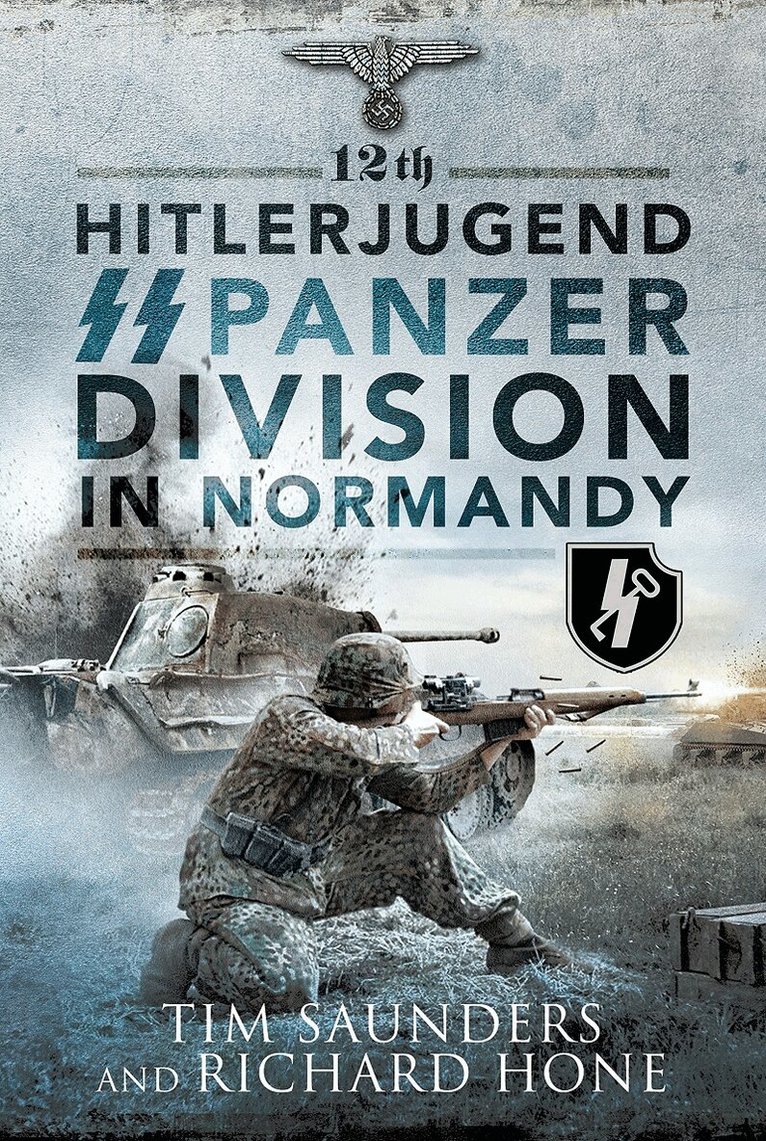
Raised in 1943 with seventeen-year-olds from the Hitler Youth movement, and following the twin disasters of Stalingrad and Tunisgrad', the Hitlerjugend Panzer Division emerged as the most effective German division fighting in the West. The core of the division was a cadre of offices and NCOs provided by Hitler's bodyguard division, the elite Leibstandarte, with the aim of producing a division of equal value' to fight alongside them in I SS Panzer Corps.During the fighting in Normandy, the Hitlerjugend proved to be implacable foes to both the British and the Canadians, repeatedly blunting Montgomery's offensives, fighting with skill and a degree of determination well beyond the norm. This they did from D+1 through to the final battle to escape from the Falaise Pocket, despite huge disadvantages, namely constant Allied air attack, highly destructive naval gunfire and a chronic lack of combat supplies and replacements of men and equipment.Written with the advantage of new materials from archives in the former Eastern Bloc, this book is no whitewash of a Waffen SS division and it does not shy away from confronting unpalatable facts or controversies.
183 kr
Skickas
During winter 1944/45 few German officers believed that the Allies would attack the wooded Reichswald Plug on the narrow neck of land between the rivers Rhine and Maas. Consequently, relying on the natural defences of the forest, the vaunted Siegfried Line had been allowed to peter out. The 84th Infantry Division held field defences that had been worked on all autumn, but the defenders were thinly spread, and most German soldiers now faced the certainty of defeat.Originally hoping to use the frozen winter ground for a speedy assault, days before Operation VERITABLE began a thaw set in and the Allies faced attacking in the worst possible ground conditions. On the morning of 8 February, after protracted bombardment, delays multiplied as vehicles became bogged in saturated fields and shell holes, and roads broke up under heavy armour. However, just enough assault engineer equipment reached the outer German defences, where they found the enemy infantry largely stunned by the bombardment.It took all of the first day to break through the mud and defences into the Reichswald, while to the north, Canadians and Scots struggled across equally sodden open country with the Rhine floods rising fast. Despite the conditions, overnight the Canadians took to the flood waters to seize what were now island villages and the Scots dashed to capture the vital Materborn, which overlooked Kleve.With heavy rain compounding difficulties, mud and flood waters made movement of men and supplies increasingly difficult. Despite this and the arrival of German reinforcements, the Allies fought their way forward, forcing the Reichswald Plug and opening the way into the Rhineland and the final phases of the war.
266 kr
Skickas
The British Army started the development of flame throwers in 1938, but progress was slow and interest was side-lined after Dunkirk while the army reequipped. Investment in a flame-throwing tank only returned to the agenda thanks to interest by General Percy Hobart when he developed ‘funnies’ for 79th Armoured Division and the concept gained the support of General Sir Alan Brooke.141 (The Buffs) Regiment RAC had been converted to Churchill Tanks at the end of 1941 and in early 1944 they were earmarked for another change of role to the Crocodile conversion of the new Mk VII Churchill tank. This flame throwing system was secret and started to arrive with the regiment in April 1944. By D-Day only one squadron was equipped and trained, with space on the landing craft only available for two troops to land in support of 50th Division.The rest of the regiment arrived by the end of June and were in action with various formations across the front. There followed a period of misuse by those they supported and learning on the job by the regiment’s squadrons, but by the middle of the campaign a clear doctrine for the use of the Crocodile had emerged and they were in great demand.
297 kr
Skickas
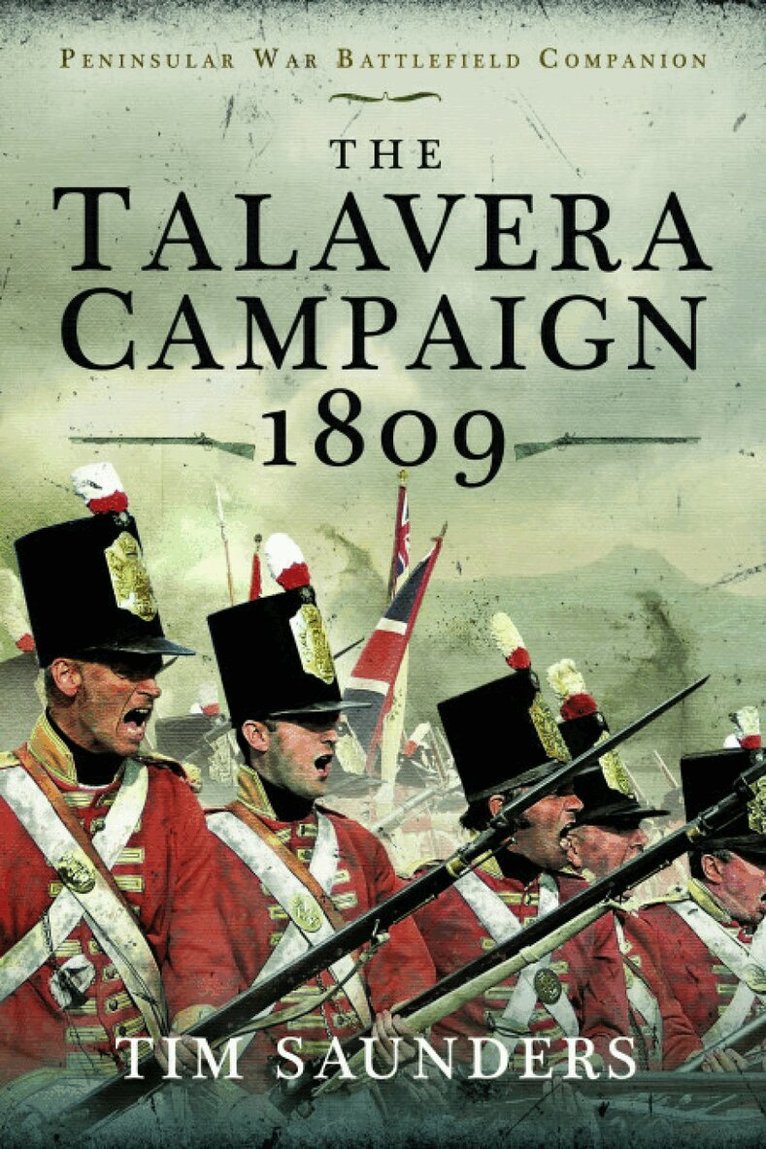
Lieutenant General Sir Arthur Wellesley returned to the Peninsular in 1809 convinced that the country could be held against the French. His audacious crossing of the Duoro and speedy victory at Oporto in May, followed by the deceptively easy ejection of Marshal Soult's corps, confirmed this view, giving him the confidence to plan a campaign with General Cuesta's Army of Extremadura to advance on French-held Madrid via the Tagus Valley.From the outset relations between the two allied generals were poor, not to mention the divisions and enmity within the Spanish juntas and army. Matters only got worse once Wellesley's army entered Spain, thanks to a failure to provide supplies and missed opportunities. Finally, the French army, with King Joseph at its head, marched to confront the allies at Talavera.The fighting did not start well for the British, who were taken by surprise and had to fight hard to extricate themselves from trouble, before inexperienced staff officers and commanders mis-deployed divisions and brigades, nearly resulting in disaster for the Allies when Marshal Victor launched a night attack. The Peninsular Army still had much to learn.The following day, the French attacked again with the full force of a Napoleonic army infantry, cavalry and artillery, but the two-deep British line held and with their confidence shattered, the French withdrew. It was a hard-fought victory for the British commander, who was soon to be ennobled as the Duke of Wellington.
388 kr
Kommande
Lieutenant General Sir Arthur Wellesley returned to the Peninsular in 1809 convinced that the country could be held against the French. His audacious crossing of the Duoro and speedy victory at Oporto in May, followed by the deceptively easy ejection of Marshal Soult’s corps, confirmed this view, giving him the confidence to plan a campaign with General Cuesta’s Army of Extremadura to advance on French-held Madrid via the Tagus Valley.From the outset relations between the two allied generals were poor, not to mention the divisions and enmity within the Spanish juntas and army. Matters only got worse once Wellesley’s army entered Spain, thanks to a failure to provide supplies and missed opportunities. Finally, the French army, with King Joseph at its head, marched to confront the allies at Talavera.The fighting did not start well for the British, who were taken by surprise and had to fight hard to extricate themselves from trouble, before inexperienced staff officers and commanders mis-deployed divisions and brigades, nearly resulting in disaster for the Allies when Marshal Victor launched a night attack. The Peninsular Army still had much to learn.The following day, the French attacked again with the full force of a Napoleonic army infantry, cavalry and artillery, but the two-deep British line held and with their confidence shattered, the French withdrew. It was a hard-fought victory for the British commander, who was soon to be ennobled as the Duke of Wellington.
266 kr
Skickas
In this second of Tim Saunders’ volumes on the opening stage of the 1945 Rhineland Campaign, the focus is to the north of the Reichswald, on the flood plain of the River Rhine and a narrow strip of slightly higher ground.Amidst the rapidly rising flood waters, 3rd Canadian Division earned the nickname ‘The Water Rats’ as they fought to clear villages and dykes, while on their right, the 15th Scottish Division fought through the Germans’ outer defences with tanks becoming deeply bogged before facing the Siegfried Line defences. Even though deceived by a faulty estimate of allied intent, German resistance to the Guards Armoured Brigade, the specialist assault vehicles of 79th Armoured Division and the Scottish infantry, was stiff as they broke through the anti-tank ditches and bunkers.Aiming to maintain momentum, General Horrocks, the commander of XXX Corps, released 43rd Wessex Division and 8 Armoured Brigade into the narrow corridor between the floods and the Reichswald, which resulted in a terrible traffic jam. Despite this, the West Country soldiers and tanks were soon in the badly bombed ruins of Kleve, the first substantial German city to be taken by the British.German reaction to the attack on the ‘Reichswald plug’ was to send their surviving panzer and panzergrenadier formations south into counter attacks to blunt the allied offensive that was poised to spill out into the Rhineland.
147 kr
Skickas
On 21 May 1940 during the ill-fated Dunkirk Campaign the British launched an operation spearheaded by two tank regiments to help secure the city of Arras. This was the only significant armoured operation mounted by the British during the campaign. Poorly coordinated and starting badly the Matilda tanks ran into the flanks of Rommel s over extended 7th Panzer Division. With the German anti-tank guns, unable to penetrate the armour of the British tanks, Rommel s infantry fell into chaos as the Matildas plunged deep into their flank. The Germans were machinegunned and started to surrendered in large numbers but with the British infantry lagging well behind, fighting their own battles in the villages, there was no one to round them up. Into this scene of chaos entered Rommel whose personal leadership and example started to steady his troops and organise an effective response, despite being spattered with the brains of his aide de camp. This was classic Rommel but in the aftermath, he claimed to have been attacked by five divisions.The Arras counter-attack contributed to Hitler issuing the famous halt order to his panzers that arguably did much to allow the British Army to withdraw to Dunkirk and escape total destruction.
157 kr
Skickas
By early August 1944 the Germans fighting in Normandy had been worn down by the battles around Caen, while to the west, the American breakout was finally gaining momentum. Now was the time to launch II Canadian Corps south towards Falaise. With much of the German armour having been stripped away for the Mortain Counter-Attack, hopes ran high that the Corps, reinforced with British tanks, the 51st Highland and the Polish Armoured Divisions, would repeat the success of their predecessors in the Battle of Amiens.An innovative change of tactics to a night armoured assault and the conversion of seventy-two self-propelled guns to armoured personnel carriers for the accompanying infantry was very successful, but up against their implacable foes, 12th Hitlerjugend SS Panzer Division, the pause for bombing allowed Kurt Panzer' Meyer to deploy his division. Consequently, when the 4th Canadian and Polish Armoured Divisions were launched into their first battle they made frustratingly little progress. As the Canadians advanced over the following days, the battle degenerated into a costly fight for ground as the Hitlerjugend struggled to contain the inexperienced Poles and Canadians.Operation Totalize is renowned for the death of SS panzer Ace Michael Wittmann at the hands of Trooper Joe Ekins and the destruction of Worthington Force, the result of a navigational error.
257 kr
Skickas
Histories of the Light Division have tended to be incomplete, being based on memoirs of a few well known diarists, principally from the 95th Rifles. The authors of this book, the first volume of two, have sought memoirs from across the division, including the artillery, the King's German Hussars and others to complete a broader history of Wellington's elite division.Light infantry was not new a concept in 1803, but at Shorncliffe Camp Sir John Moore developed a progressive ethos, set of tactics and training for the newly converted light infantry regiments. With the 95th Rifles they were melded into a brigade that was to form the basis of the incomparable Light Division.From the outset of the Peninsular campaigns in 1808 they delivered results way beyond their scant numbers, but it was during the epic winter retreat to La Corunna that they showed their metal. Returning to the Peninsular months later, the irascible Brigadier Craufurd led the Light Brigade in terrible march to reach Wellington at Talavera; heavily laden and in the heat of summer.Over the winter of 1809/10, Craufurd,s battalions, now elevated to the status of a division, provided the army's outposts. This was work that Craufurd excelled in and actions abounded, including the Combat on the C a, where the division fought hard to escape Marshal Ney's trap.In 1810, with Wellington withdrawing to the Lines of Torres Vedra, the Light Division played a significant part in the battle of Bu aco Ridge, while the following year they drove Marshal Massena's army back into Spain having fought almost daily actions en route.This history of the Light Division is not simply a series of set piece battles but provides a wider picture of campaigning and what it was to be a light infantry soldier.
318 kr
Tillfälligt slut
By the middle of 1811, Brigadier General Robert Craufurd's Light Division was emerging as the elite of the Peninsular Army and Wellington was seeking opportunities to go over to the offensive, following the expulsion of Marshal Mass na from Portugal.After a period of outpost duty for the Light Division on the familiar ground of the Spanish borders, Wellington seized the keys to Spain' in the epic sieges of Ciudad Rodrigo and Badajoz. Still reeling from the loss of General Craufurd, The Division' led the army against Marshal Marmont and after a protracted period of marching and counter marching, the French were finally brought to battle at Salamanca. As a result of King Joseph being driven out of Madrid, the French marshals united and in the autumn of 1812, the British were driven back to Ciudad Rodrigo in another gruelling retreat.With news of Napoleon's disaster in Russia and with reinforcements from Britain, Wellington prepared his army to drive the French from the Peninsular. A lightening march across Spain to cut the Great Road found King Joseph and Marshal Jourdan at Vitoria and the resulting battle, in which the Light Division fought their way into the heart of the French position, was a triumph of arms for Wellington's light troops.The pursuit into the Pyrenees, had a sting in the tail when Marshal Soult mounted counter offensives in an attempt to relieve San Sebastian and Pamplona. Having thrown the French back and with the Sixth Coalition intact, the Light Division fought their way through the mountains and into Napoleon's France.With the allies closing in on all sides, the French fought on into 1814 and the Light Bobs had further fighting before the spoils of peace in a war-weary France could be enjoyed.
Battle for the Bocage, Normandy 1944
Point 103, Tilly-sur-Seulles and Villers Bocage
Inbunden, Engelska, 2021
266 kr
Tillfälligt slut
This is the story of the fighting in Normandy by the veteran desert formations brought back by Montgomery from the Mediterranean in order to spearhead the invasion; 50th Infantry and 7th Armoured divisions, plus 4th Armoured Brigade. Heavily reinforced by individuals and fresh units, their task beyond the beaches was to push south to Villers Bocage with armour on the evening of D Day in order to disrupt German counter-attacks on the beachhead.Difficulties on 50th Division's beaches and lost opportunities allowed time for the 12th _Hitlerjugend_ SS Panzer Division and the equally elite 130th Panzer _Lehr_ Division to arrive in Normandy, despite delays of their own caused by allied fighter bombers. The result was 4th Armoured Brigade's thrust south encountered opposition from the start and was firmly blocked just south of Point 103 after an advance of less than 5 miles.A major counter-attack by Panzer _Lehr_ failed, as did a renewed British attempt, this time by the vaunted 7th Armoured Division, which was halted at Tilly sur Seulles. From here the fighting became a progressively attritional struggle in the hedgerows of the Bocage country south of Bayeux. More and more units were drawn into the fighting, which steadily extended west. Finally, an opportunity, via the Caumont Gap, to outflank the German defences was taken and 7th Armoured Division reached Villers Bocage. Here the County of London Yeomanry encountered the newly arrived Tigers of Michael Wittmann, with disastrous results. The Desert Rats were forced to withdraw having lost much of their reputation.There then followed what the battalions of 50th Division describe as their 'most unpleasant period of the war', in bitter fighting, at often very close quarters, for the 'next hedgerow'.
Battle for the Bocage, Normandy 1944
Point 103, Tilly-sur-Seulles and Villers Bocage
Häftad, Engelska, 2023
204 kr
Tillfälligt slut
This is the story of the fighting in Normandy by the veteran desert formations brought back by Montgomery from the Mediterranean in order to spearhead the invasion; 50th Infantry and 7th Armoured divisions, plus 4th Armoured Brigade. Heavily reinforced by individuals and fresh units, their task beyond the beaches was to push south to Villers Bocage with armour on the evening of D Day in order to disrupt German counter-attacks on the beachhead.Difficulties on 50th Division’s beaches and lost opportunities allowed time for the 12th Hitlerjugend SS Panzer Division and the equally elite 130th Panzer Lehr Division to arrive in Normandy, despite delays of their own caused by allied fighter bombers. The result was 4th Armoured Brigade’s thrust south encountered opposition from the start and was firmly blocked just south of Point 103 after an advance of less than 5 miles.A major counter-attack by Panzer Lehr failed, as did a renewed British attempt, this time by the vaunted 7th Armoured Division, which was halted at Tilly sur Seulles. From here the fighting became a progressively attritional struggle in the hedgerows of the Bocage country south of Bayeux. More and more units were drawn into the fighting, which steadily extended west. Finally, an opportunity, via the Caumont Gap, to outflank the German defences was taken and 7th Armoured Division reached Villers Bocage. Here the County of London Yeomanry encountered the newly arrived Tigers of Michael Wittmann, with disastrous results. The Desert Rats were forced to withdraw having lost much of their reputation.There then followed what the battalions of 50th Division describe as their ‘most unpleasant period of the war’, in bitter fighting, at often very close quarters, for the ‘next hedgerow’.
152 kr
Tillfälligt slut
BMW X5
The Essential Buyer’s Guide: All First Generation (E53) Models 1999 to 2006
Häftad, Engelska, 2013
128 kr
Skickas inom 7-10 vardagar
In a seven year period, BMW’s X5 ‘Sports Activity Vehicle’ won a loyal following from high profile celebrities and sports personalities, and its agility, performance and economy have cemented its position as the luxury crossover of choice. With a variety of used examples now available, this book guides prospective purchasers through the entire process, helping to pinpoint the best available vehicle for their budget. Written by Advanced Motorist and established motoring journalist Tim Saunders, this guide also includes expert quotes from Parkers the car value experts.
94 kr
Skickas inom 7-10 vardagar
94 kr
Skickas inom 7-10 vardagar
All the farmer's clothes have gone off the line! Who has taken them?
104 kr
Kommande