Richard M. Fried - Böcker
Visar alla böcker från författaren Richard M. Fried. Handla med fri frakt och snabb leverans.
2 produkter
2 produkter
223 kr
Skickas inom 5-8 vardagar
This is a well-researched, and frequently entertaining, account of the rise and fall of the House Committee on Un-American activities. Fried describes the growth of the kind of paranoid and xenophobic anti-communism which characterized the HUAC and traces its origins from the New Deal to the post-war periods. Along the way we meet important actors in the Red-baiting drama, including Presidents Roosevelt, Truman, Eisenhower, the young Richard Nixon, Alger Hiss, the Rosenbergs, the Hollywood Ten, and, of course, Wisconsin Senator Joseph McCarthy. Fried, however, also documents the more sweeping and less public effects of McCarthyism on thousands of people, from teachers and lawyers to washroom attendants forced to take loyalty tests. As Fried shows, these 'insignificant' stories are perhaps the strongest testament to the social and political climate which terrorized many ordinary citizens during the McCarthy years.

546 kr
Skickas inom 10-15 vardagar
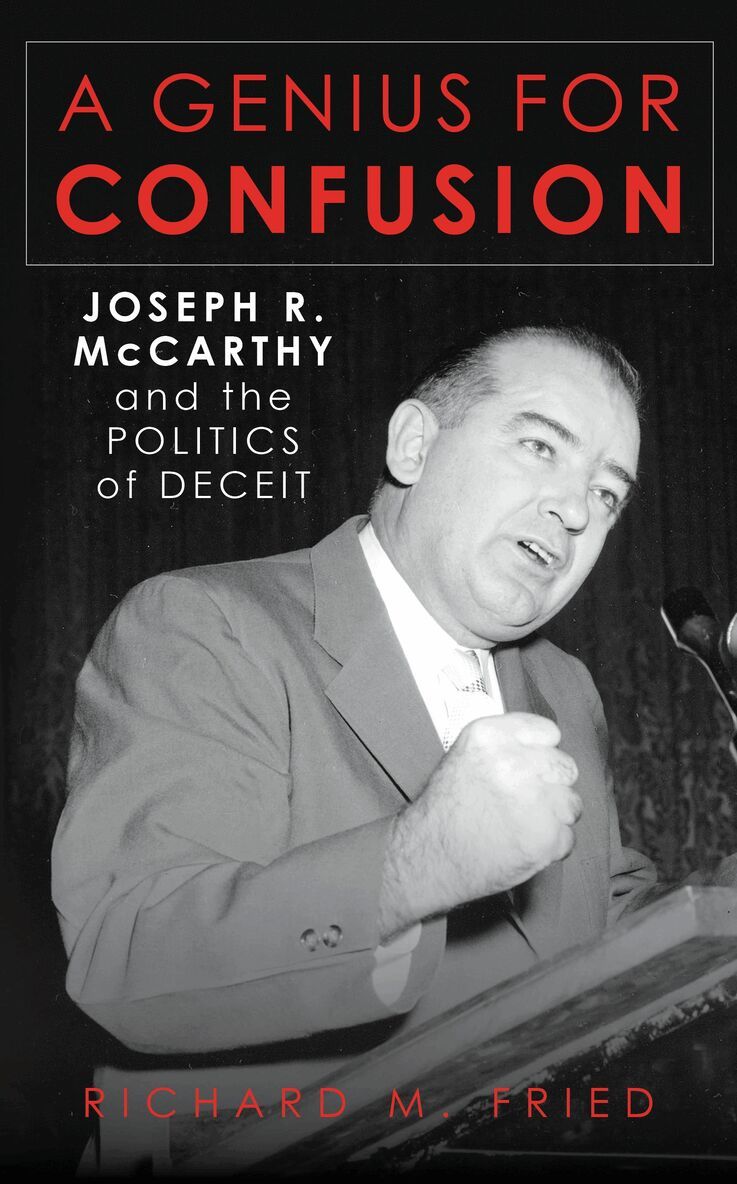
This new biography of Joseph R. McCarthy shows how the Wisconsin Senator’s campaign against American Communists prized sensation above truth. McCarthy often put aside his hunt for Reds while he pursued his anti-communist critics. He fought foes not just with noisy accusations but with covert gossip. He was gullible enough that some con artists managed to lure him on wild goose chases. The man who charged others with being “dupes” was sometimes one himself. Historian Fried’s book builds on over a decade’s research in a multitude of sources, many of them newly opened—not just McCarthy’s own papers but those of forty-seven Senate colleagues, plus records of journalists, observers, and activists. It brings to light such theatrical episodes as a CIA “op” against McCarthy as well as Joe’s quixotic search for Soviet security chief Lavrenti Beria in Spain. The resulting multi-focal perspective on the political and institutional setting in which McCarthy operated with such abandon is full of drama.