Richard M. Gamble – författare
Visar alla böcker från författaren Richard M. Gamble. Handla med fri frakt och snabb leverans.
6 produkter
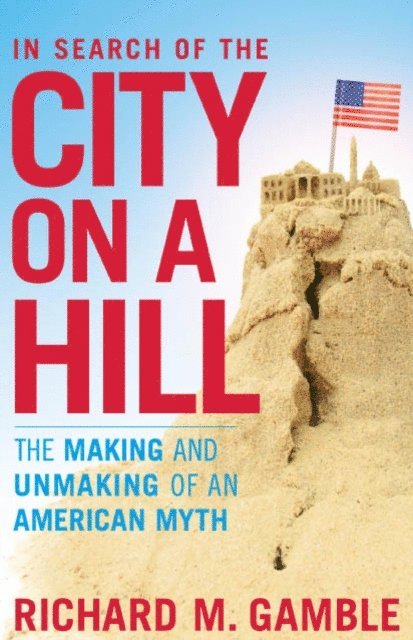
In Search of the City on a Hill
The Making and Unmaking of an American Myth
E-bok, 2012
639 kr
Lägg i varukorg
In Search of the City on a Hill challenges the widespread assumption that Americans have always used this potent metaphor to define their national identity. It demonstrates that America's 'redeemer myth' owes more to nineteenth- and twentieth-century reinventions of the Puritans than to the …
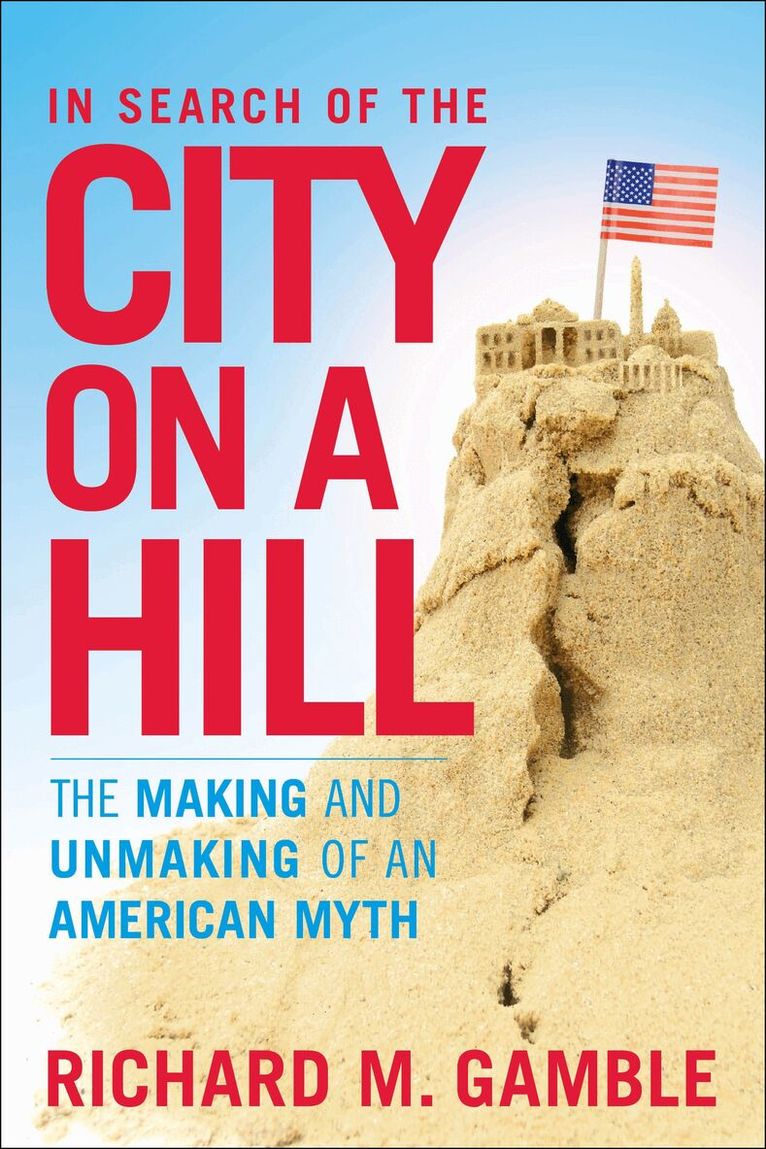
In Search of the City on a Hill
The Making and Unmaking of an American Myth
Inbunden, 2012
602 kr
Lägg i varukorg
This is the American history of the 'city on a hill' metaphor from its Puritan beginnings to its role in Reagan's American civil religion and beyond. "In Search of the City on a Hill" challenges the widespread assumption that Americans have always used this potent metaphor to define their national …
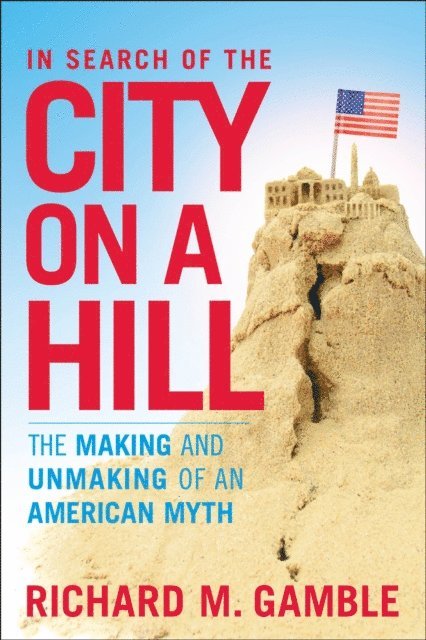
In Search of the City on a Hill
The Making and Unmaking of an American Myth
E-bok, 2012
658 kr
Lägg i varukorg
In Search of the City on a Hill challenges the widespread assumption that Americans have always used this potent metaphor to define their national identity. It demonstrates that America''s ''redeemer myth'' owes more to nineteenth- and twentieth-century reinventions of the Puritans than to the …
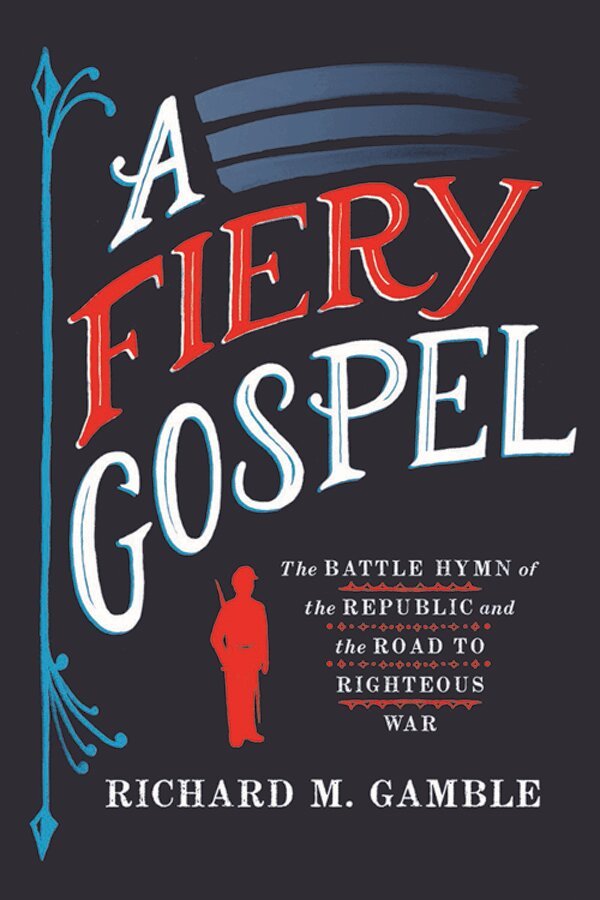
Fiery Gospel
The Battle Hymn of the Republic and the Road to Righteous War
Inbunden, 2019
338 kr
Lägg i varukorg
Since its composition in Washington's Willard Hotel in 1861, Julia Ward Howe's "Battle Hymn of the Republic" has been used to make America and its wars sacred. Few Americans reflect on its violent and redemptive imagery, drawn freely from prophetic passages of the Old and New Testaments, and fewer …
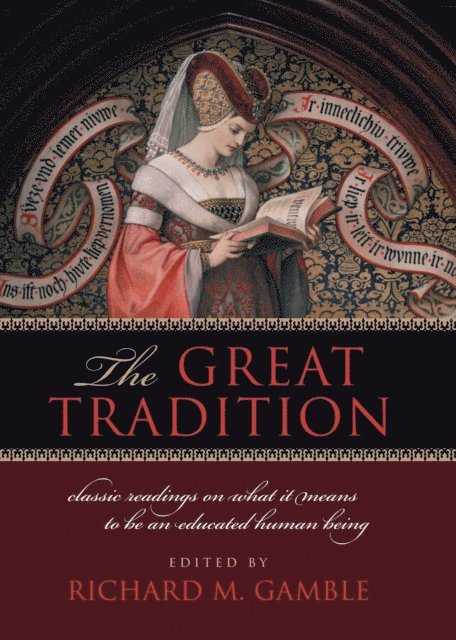
Great Tradition
Classic Readings on What It Means to Be an Educated Human Being
E-bok, 2023
195 kr
Lägg i varukorg
Frustrated with the continuing educational crisis of our time, concerned parents, teachers, and students sense that true reform requires more than innovative classroom technology, standardized tests, or skills training. An older tradition—the Great Tradition—of education in the West is waiting to …
Great Tradition
Classic Readings on What it Means to be an Educated Human Being
Häftad, 2009
528 kr
Lägg i varukorg
Frustrated with the continuing educational crisis of our time, concerned parents, teachers, and students sense that true reform requires more than innovative classroom technology, standardized tests, or skills training. An older tradition - the Great Tradition - of education in the West is waiting …