Richard Martinez – författare
Visar alla böcker från författaren Richard Martinez. Handla med fri frakt och snabb leverans.
4 produkter
4 produkter
Inbunden, Engelska, 2007
1 091 kr
Skickas inom 10-15 vardagar
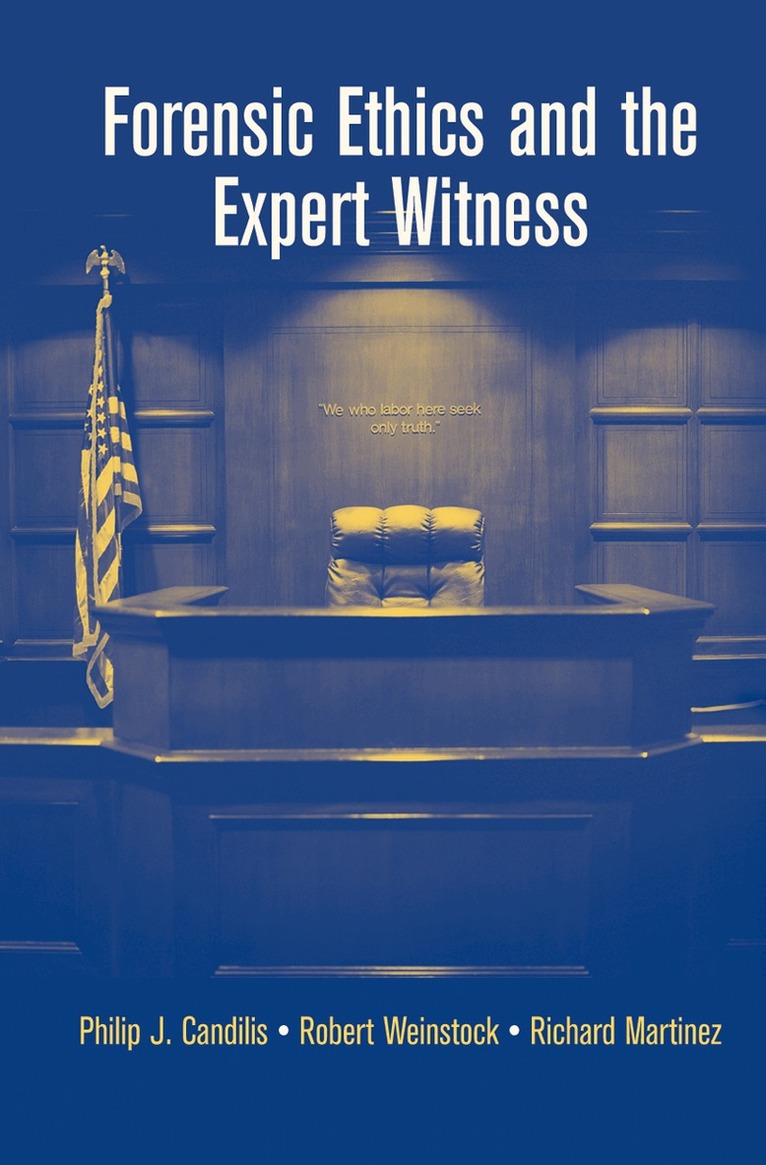
Why a book about the ethics of forensic psychiatry and related disciplines? Most psychiatrists, after all, learn something in their training about the ethics of medical practice in general and of the practice of psychiatry in particular. Do the maxims that steer all physicians through the ethical complexities of clinical medicine not provide equally effective guidance to clinical and scientific expert witnesses? The answer, in short, is “No. ” When psychiatrists, for example, enter the realm of the expert witness, they tread on moral terrain with a significantly different topography than the paths to which they are accustomed in their clinical roles. Clinical psych- trists owe primary allegiance to their patients’interests; for them the prin- ples of beneficence (doing good) and non-maleficence (avoiding harm) will generally take priority over all other considerations. For psychiatrists who serve as experts, however, there are no patients to whom fidelity is due. There are only persons being evaluated for the sake of providing opinions to third parties. Perhaps a defendant in a criminal case, a plaintiff in a tort action, or a claimant in an adjudication of disability benefits or workers’ compensation—but not a patient. And that makes all the difference. Whatever its other virtues, no theory of the ethics of forensic psychiatry will serve its purpose unless it offers the psychiatric expert direction in dealing with this situation.
E-bok
PDF, Engelska, 2007955 kr
Läs direkt efter köp
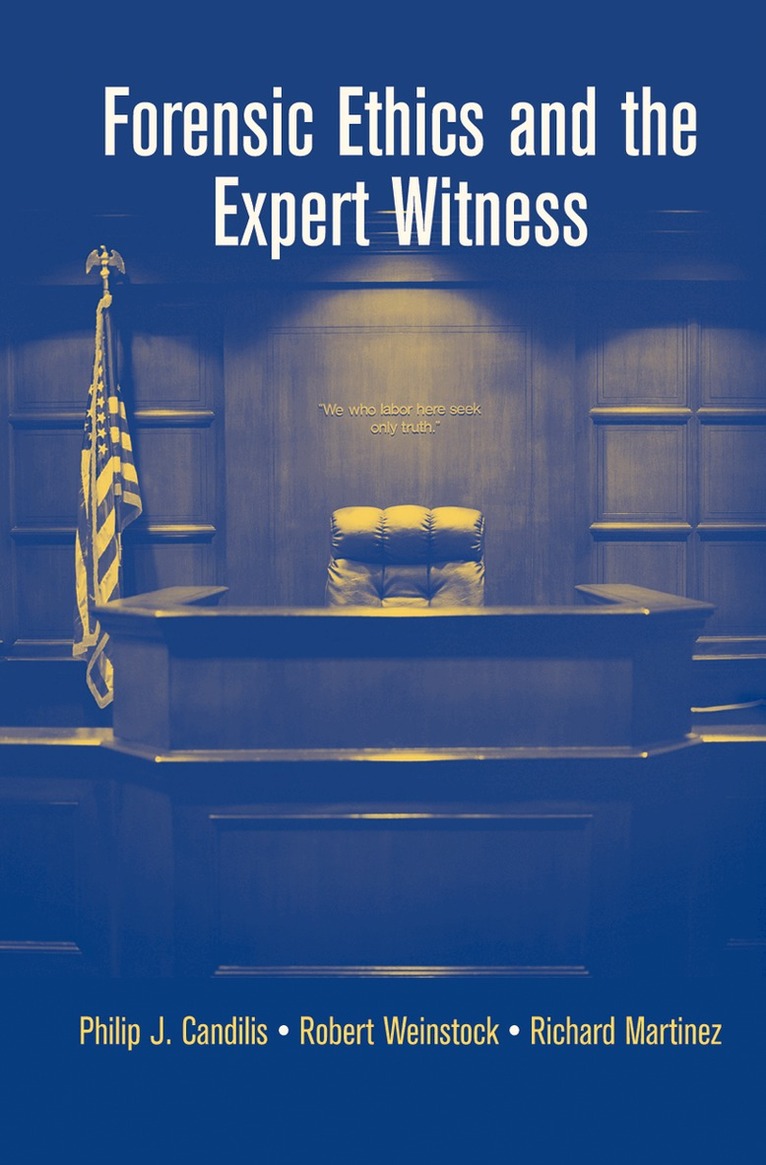
Why a book about the ethics of forensic psychiatry and related disciplines? Most psychiatrists, after all, learn something in their training about the ethics of medical practice in general and of the practice of psychiatry in particular. Do the maxims that steer all physicians through the ethical complexities of clinical medicine not provide equally effective guidance to clinical and scientific expert witnesses? The answer, in short, is “No. ” When psychiatrists, for example, enter the realm of the expert witness, they tread on moral terrain with a significantly different topography than the paths to which they are accustomed in their clinical roles. Clinical psych- trists owe primary allegiance to their patients’interests; for them the prin- ples of beneficence (doing good) and non-maleficence (avoiding harm) will generally take priority over all other considerations. For psychiatrists who serve as experts, however, there are no patients to whom fidelity is due. There are only persons being evaluated for the sake of providing opinions to third parties. Perhaps a defendant in a criminal case, a plaintiff in a tort action, or a claimant in an adjudication of disability benefits or workers’ compensation—but not a patient. And that makes all the difference. Whatever its other virtues, no theory of the ethics of forensic psychiatry will serve its purpose unless it offers the psychiatric expert direction in dealing with this situation.
Häftad, Engelska, 2010
775 kr
Skickas inom 10-15 vardagar
Why a book about the ethics of forensic psychiatry and related disciplines? Most psychiatrists, after all, learn something in their training about the ethics of medical practice in general and of the practice of psychiatry in particular. Do the maxims that steer all physicians through the ethical complexities of clinical medicine not provide equally effective guidance to clinical and scientific expert witnesses? The answer, in short, is “No. ” When psychiatrists, for example, enter the realm of the expert witness, they tread on moral terrain with a significantly different topography than the paths to which they are accustomed in their clinical roles. Clinical psych- trists owe primary allegiance to their patients’interests; for them the prin- ples of beneficence (doing good) and non-maleficence (avoiding harm) will generally take priority over all other considerations. For psychiatrists who serve as experts, however, there are no patients to whom fidelity is due. There are only persons being evaluated for the sake of providing opinions to third parties. Perhaps a defendant in a criminal case, a plaintiff in a tort action, or a claimant in an adjudication of disability benefits or workers’ compensation—but not a patient. And that makes all the difference. Whatever its other virtues, no theory of the ethics of forensic psychiatry will serve its purpose unless it offers the psychiatric expert direction in dealing with this situation.
Inbunden, Engelska, 2026
1 382 kr
Skickas
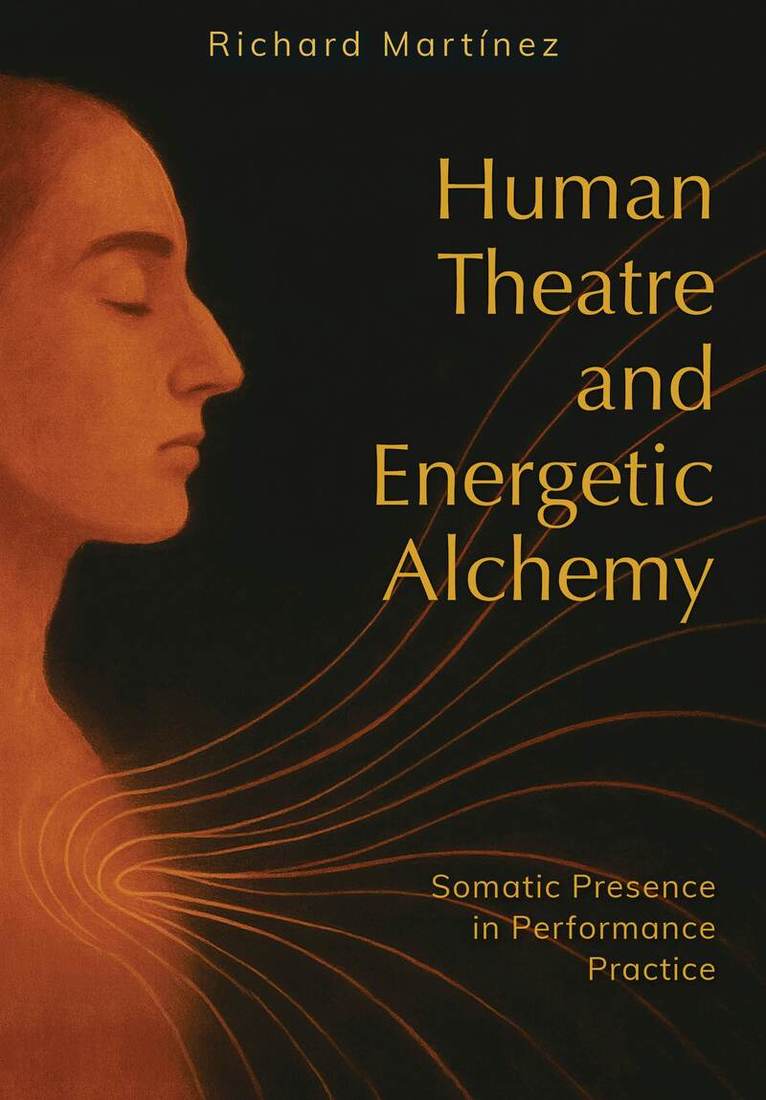
Human Theatre: The Energetic Alchemy of the Performer is a practice-based, interdisciplinary exploration of embodied performance, presence, and the energetic body. Drawing from physical theatre, somatics, trauma-informed practice, and voice-body integration, the book introduces Human Theatre, a method centered on the DEE cycle—Dynamis (potential), Energeia (action), and Entelecheia (transformation). It invites performers to move beyond imitation and toward energetic authenticity through breath, movement, and vulnerability.The book weaves theory, testimony, and exercises to support actors, dancers, and educators seeking deeper connection with their bodies and audiences. It engages traditions from Lessac Kinesensics, flamenco, clown, Commedia dell’Arte, and contemporary somatic techniques. Core themes include embodiment, presence, dissociation, trauma, and the poetic role of silence and gesture in storytelling.Written with both artistic rigor and emotional honesty, Human Theatre is a vital resource for performers, theatre-makers, and researchers interested in the intersection of performance, healing, and human truth. It affirms that performance is not only an artistic act but a deeply human one—an alchemical space where energy becomes expression and transformation begins.