Richard Vague - Böcker
Visar alla böcker från författaren Richard Vague. Handla med fri frakt och snabb leverans.
9 produkter
9 produkter
226 kr
Skickas inom 10-15 vardagar
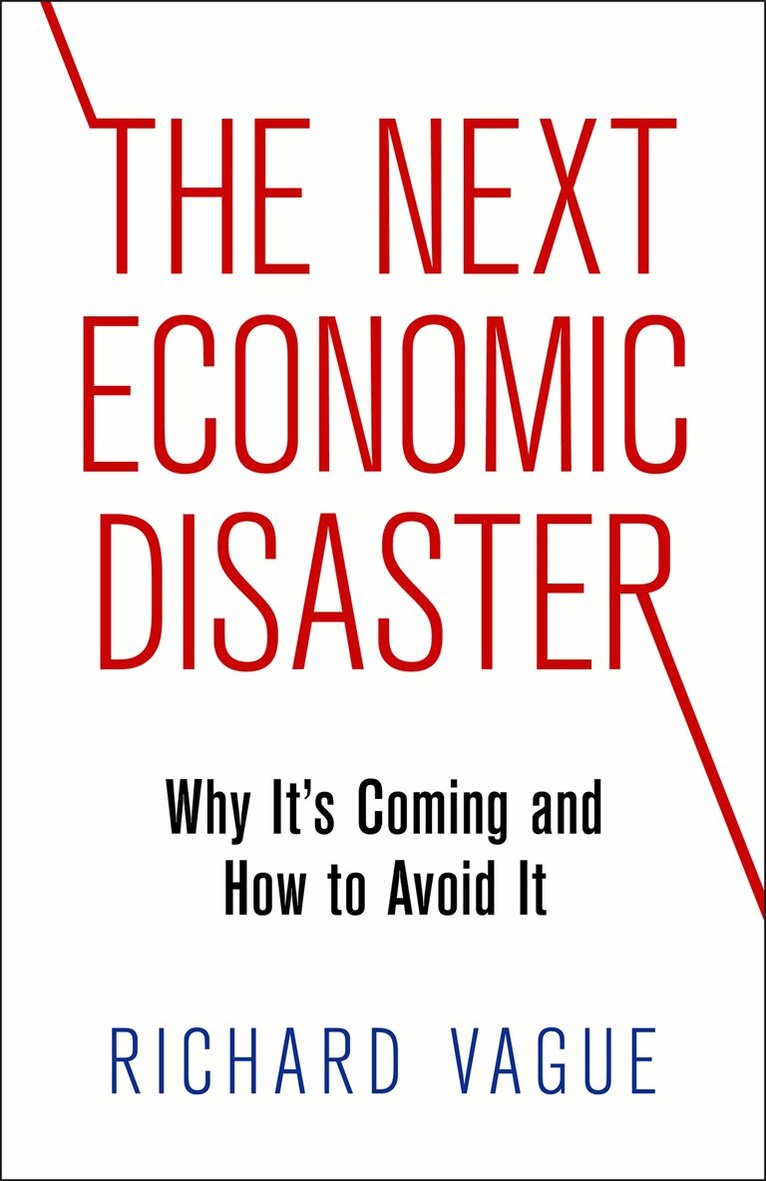
Current debates about economic crises typically focus on the role that public debt and debt-fueled public spending play in economic growth. This illuminating and provocative work shows that it is the rapid expansion of private rather than public debt that constrains growth and sparks economic calamities like the financial crisis of 2008.Relying on the findings of a team of economists, credit expert Richard Vague argues that the Great Depression of the 1930s, the economic collapse of the past decade, and many other sharp downturns around the world were all preceded by a spike in privately held debt. Vague presents an algorithm for predicting crises and argues that China may soon face disaster. Since American debt levels have not declined significantly since 2008, Vague believes that economic growth in the United States will suffer unless banks embrace a policy of debt restructuring.All informed citizens, but especially those interested in economic policy and history, will want to contend with Vague's distressing arguments and evidence.
388 kr
Skickas inom 3-6 vardagar
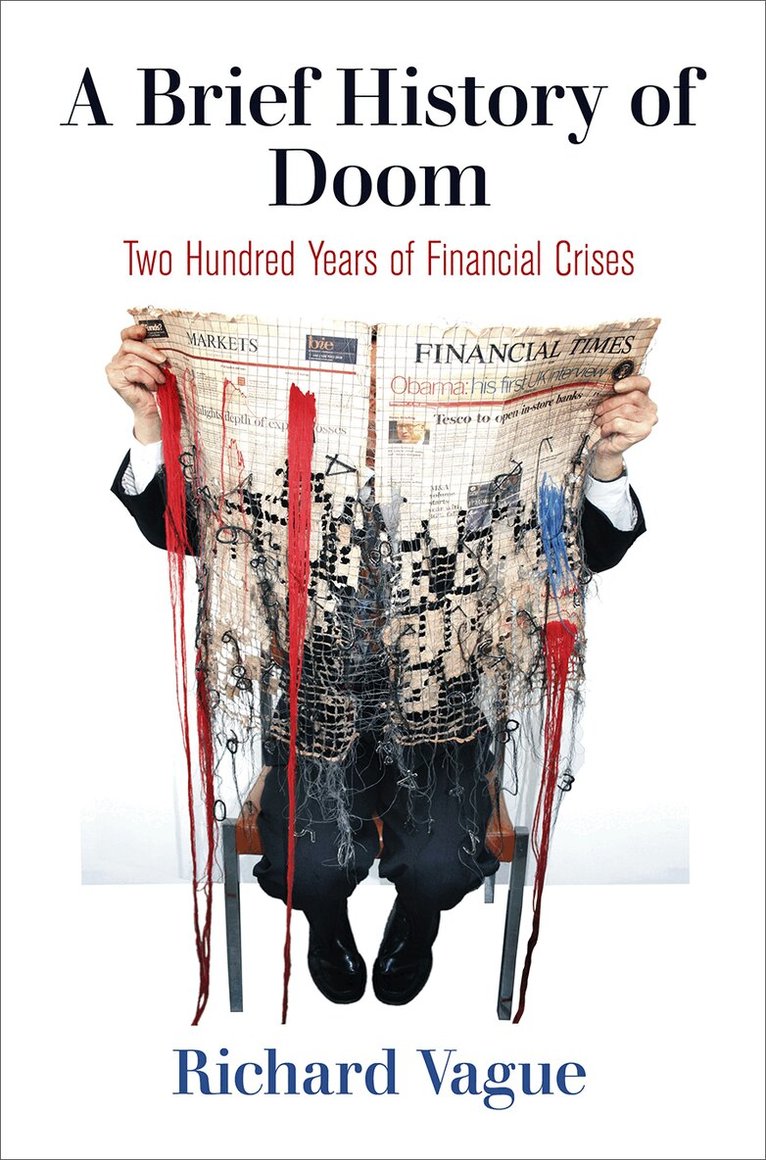
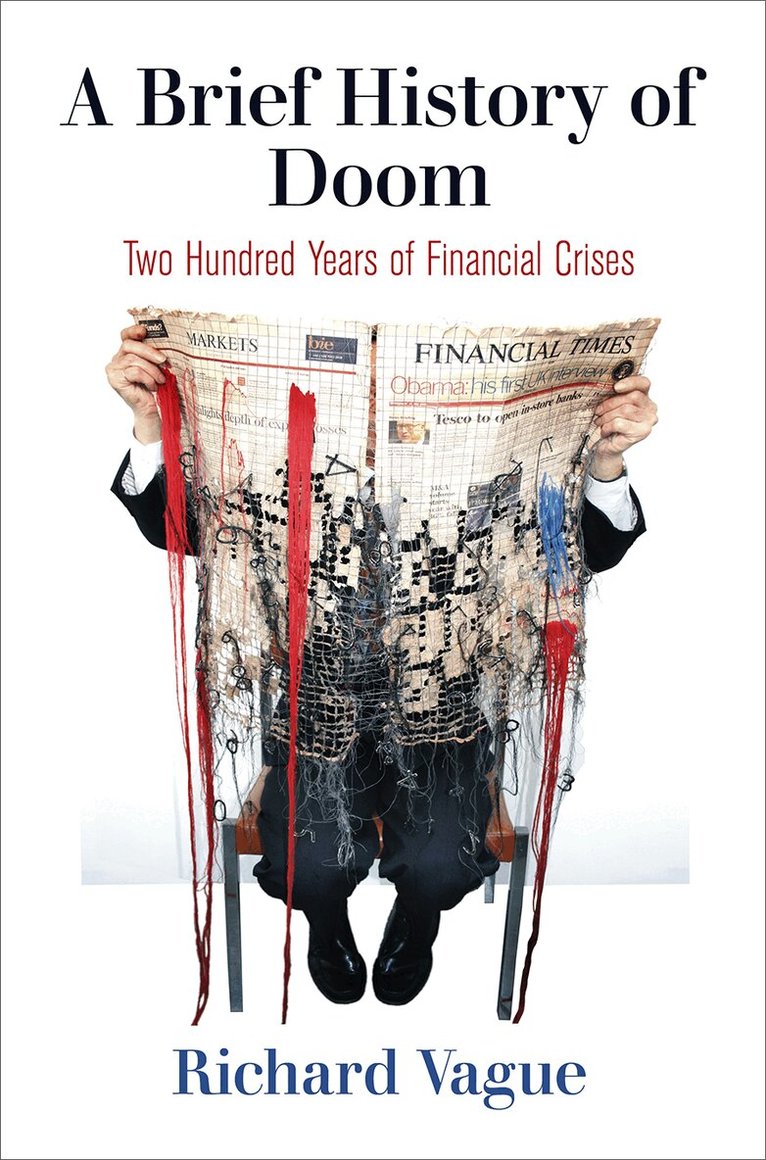
Financial crises happen time and again in post-industrial economies-and they are extraordinarily damaging. Building on insights gleaned from many years of work in the banking industry and drawing on a vast trove of data, Richard Vague argues that such crises follow a pattern that makes them both predictable and avoidable.A Brief History of Doom examines a series of major crises over the past 200 years in the United States, Great Britain, Germany, France, Japan, and China-including the Great Depression and the economic meltdown of 2008. Vague demonstrates that the over-accumulation of private debt does a better job than any other variable of explaining and predicting financial crises. In a series of clear and gripping chapters, he shows that in each case the rapid growth of loans produced widespread overcapacity, which then led to the spread of bad loans and bank failures. This cycle, according to Vague, is the essence of financial crises and the script they invariably follow.The story of financial crisis is fundamentally the story of private debt and runaway lending. Convinced that we have it within our power to break the cycle, Vague provides the tools to enable politicians, bankers, and private citizens to recognize and respond to the danger signs before it begins again.
439 kr
Skickas inom 7-10 vardagar
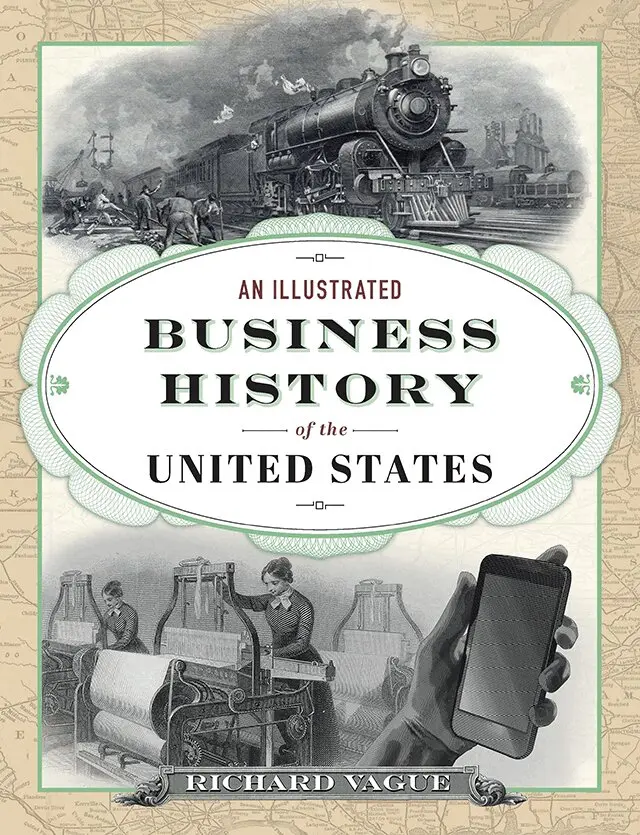
From Benjamin Franklin, Robert Morris, and Cornelius Vanderbilt to Steve Jobs, Oprah Winfrey, and Bill Gates, with Madam C.J. Walker, Martha Stewart, Jay-Z, and many more in-between, An Illustrated Business History of the United States is a sweeping, lively, and highly approachable history of American business from the nation's founding to the twenty-first century.Author Richard Vague divides this history into fourteen eras, with each era featuring lists of the wealthiest individuals, notable inventions, and companies founded, and the largest organizations, banks, and insurance companies. Much of the data to create these lists stems from original research, and the book contains a wealth of primary business information extended and supplemented on a companion website.Major themes include the nation's business beginnings in land and real estate, the pivotal place of financial institutions from the nation's earliest days, America's emergence as an industrial powerhouse, its outsized innovations, the dominance of its railways, automobiles, and other transportation companies, and the ever-changing role of government. As the book moves to the contemporary era, it highlights the merchandising of comfort, entertainment, and controversy, and looks to the future as it touches on the potential of emerging industries such as genetic engineering, green energy, and virtual reality.A must read for any student of American history, the book covers both catastrophe and triumph, innovation and failure, and provides a crucial context for a better understanding of the nation's political and social history. Lushly illustrated with 300 color images, it is equally rewarding for those who want to read it cover to cover and those who prefer to focus on select eras of special interest.
546 kr
Skickas inom 7-10 vardagar
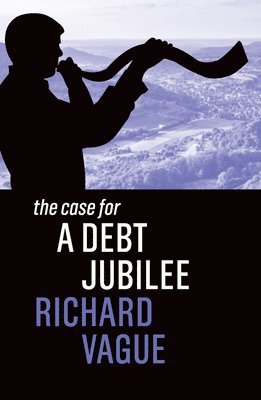
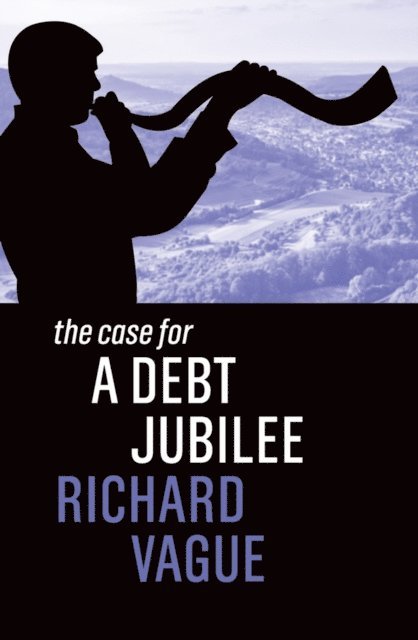
We were drowning in in record levels of debt before the COVID-19 crisis, and we are now deluged in it. U.S. private-sector loans have tripled relative to income since 1950 – and government debt is also at an all-time high. Soaring debt burdens individuals, stifles growth, compounds inequality, and brings falling living standards for millions.Richard Vague’s new book argues that, contrary to mainstream assumptions, we cannot simply hope that the trend will correct itself. Mounting debt is a feature of our economic system, not a bug: debts perpetually grow and compound, polarizing and impoverishing economies if not overtly dealt with. He offers a detailed plan for how we can restructure a range of debts – such as student loans, auto loans, medical debt and more – and offer hard-pressed debtors a ‘jubilee’ now, not in some utopian future.Vague’s bold polemic contains a wealth of ideas that will free millions from modern-day debt peonage, reduce inequality and bring new vigor to the economy as it struggles to emerge from the pandemic.
142 kr
Skickas inom 7-10 vardagar
We were drowning in in record levels of debt before the COVID-19 crisis, and we are now deluged in it. U.S. private-sector loans have tripled relative to income since 1950 – and government debt is also at an all-time high. Soaring debt burdens individuals, stifles growth, compounds inequality, and brings falling living standards for millions.Richard Vague’s new book argues that, contrary to mainstream assumptions, we cannot simply hope that the trend will correct itself. Mounting debt is a feature of our economic system, not a bug: debts perpetually grow and compound, polarizing and impoverishing economies if not overtly dealt with. He offers a detailed plan for how we can restructure a range of debts – such as student loans, auto loans, medical debt and more – and offer hard-pressed debtors a ‘jubilee’ now, not in some utopian future.Vague’s bold polemic contains a wealth of ideas that will free millions from modern-day debt peonage, reduce inequality and bring new vigor to the economy as it struggles to emerge from the pandemic.
Banker Who Made America
Thomas Willing and the Rise of the American Financial Aristocracy, 1731-1821
Inbunden, Engelska, 2026
240 kr
Skickas inom 7-10 vardagar
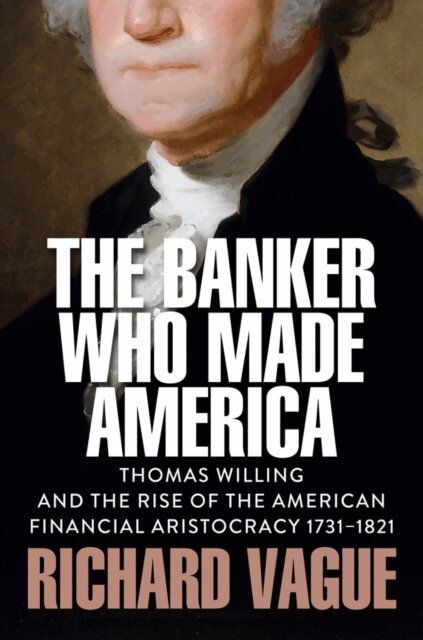
If you haven't followed the money, chances are you don't know the real story of America and its Revolution. Nothing gives a clearer insight into this history than the life of early America's dominant merchant trader, first bank president, and first central banker, Thomas Willing.In this book, Richard Vague shows how Willing bankrolled – and in the process helped save – the Revolution and then fundamentally shaped the financial architecture of the young Republic. So powerful was Willing that President John Adams complained that George Washington and Alexander Hamilton were governed by him. Yet at a decisive moment in Willing's life he voted against independence, as conflict between Pennsylvania's moneyed elite and the emergent lower and middle classes embroiled the politics of 1776 in bitter class conflict. This dynamic would continue after independence, as Willing and his associates attempted to tame the democratic forces unleashed by revolution and thereby set up a tension that has never stopped shaping US politics. This dramatic untold story sheds genuinely new light on the genesis of the American Republic, as well as the enduring economic and political conflicts that still shape US society today.
344 kr
Skickas inom 3-6 vardagar
214 kr
Skickas
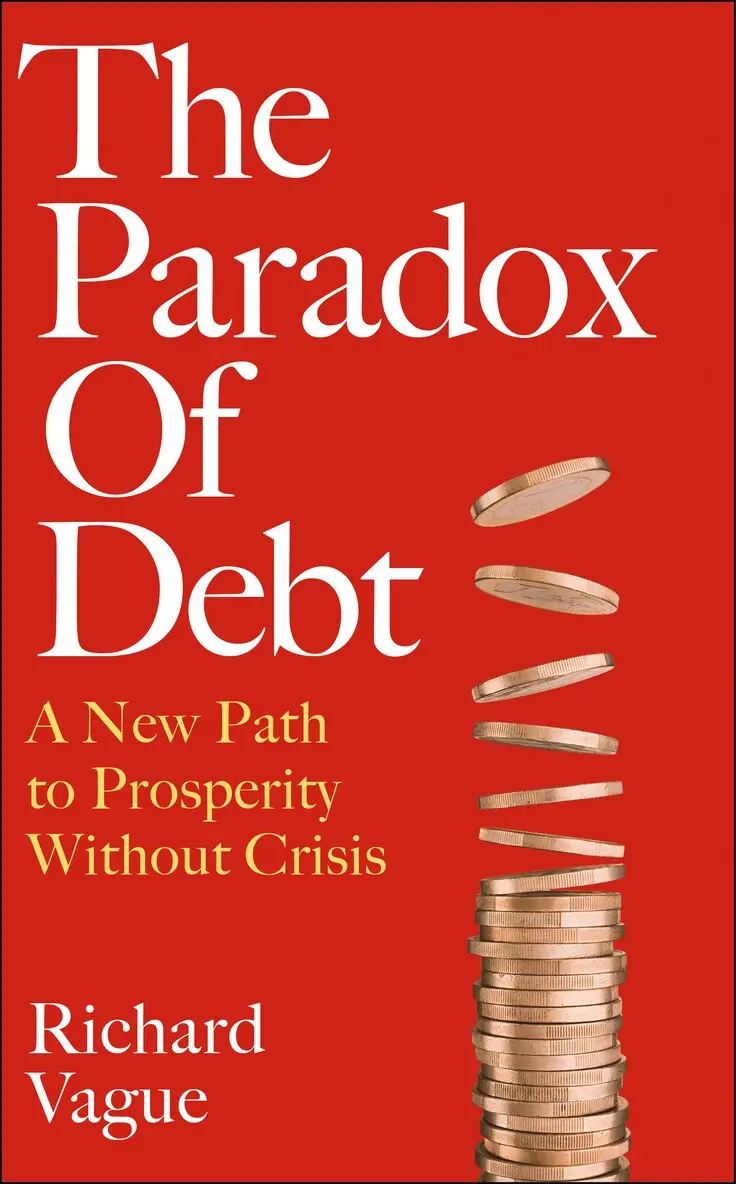
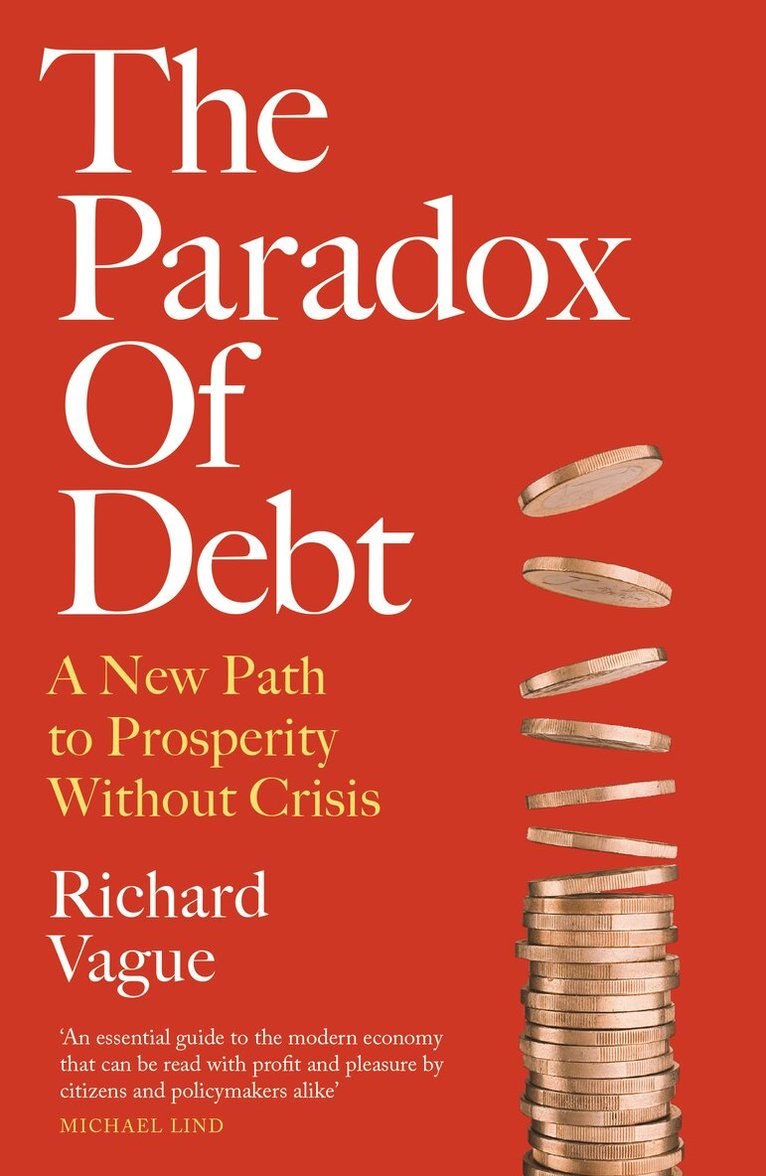
HOW TO MAKE DEBT WORK FOR USWhen we talk about debt and its impact on our economy, we almost always mean ‘government debt’. However, this is only a small part of the picture: individuals, private firms and households owe trillions, and these private debts are vital to understanding the economy.In The Paradox of Debt, Richard Vague shows that the real factor that drives both financial crises and spiralling inequality – but also, paradoxically, economic growth – is ever-rising private debt. The paradox is that while debt is essential and our economy relies on it, it also brings instability unless it is periodically deleveraged – and that is very hard to do. It can, however, be carefully managed, and Vague demonstrates how to do so in areas ranging from trade and housing to financial policy and student debt.‘Richard Vague is a successful banker, brilliant author and contrarian economist with an encyclopaedic knowledge of the history of money and banking, and the parts of economic theory that are worth knowing. No-one else comes close to his blend of professional experience, oratorical flair and critical insights’ STEVE KEEN, author of Debunking Economics
142 kr
Skickas
HOW TO MAKE DEBT WORK FOR USWhen we talk about debt and its impact on our economy, we almost always mean ‘government debt’. However, this is only a small part of the picture: individuals, private firms and households owe trillions, and these private debts are vital to understanding the economy.In The Paradox of Debt, Richard Vague shows that the real factor that drives both financial crises and spiralling inequality – but also, paradoxically, economic growth – is ever-rising private debt. The paradox is that while debt is essential and our economy relies on it, it also brings instability unless it is periodically deleveraged – and that is very hard to do. It can, however, be carefully managed, and Vague demonstrates how to do so in areas ranging from trade and housing to financial policy and student debt.‘Richard Vague is a successful banker, brilliant author and contrarian economist with an encyclopaedic knowledge of the history of money and banking, and the parts of economic theory that are worth knowing. No-one else comes close to his blend of professional experience, oratorical flair and critical insights’ STEVE KEEN, author of Debunking Economics