Richard W. Redding - Böcker
Visar alla böcker från författaren Richard W. Redding. Handla med fri frakt och snabb leverans.
3 produkter
3 produkter
346 kr
Kommande
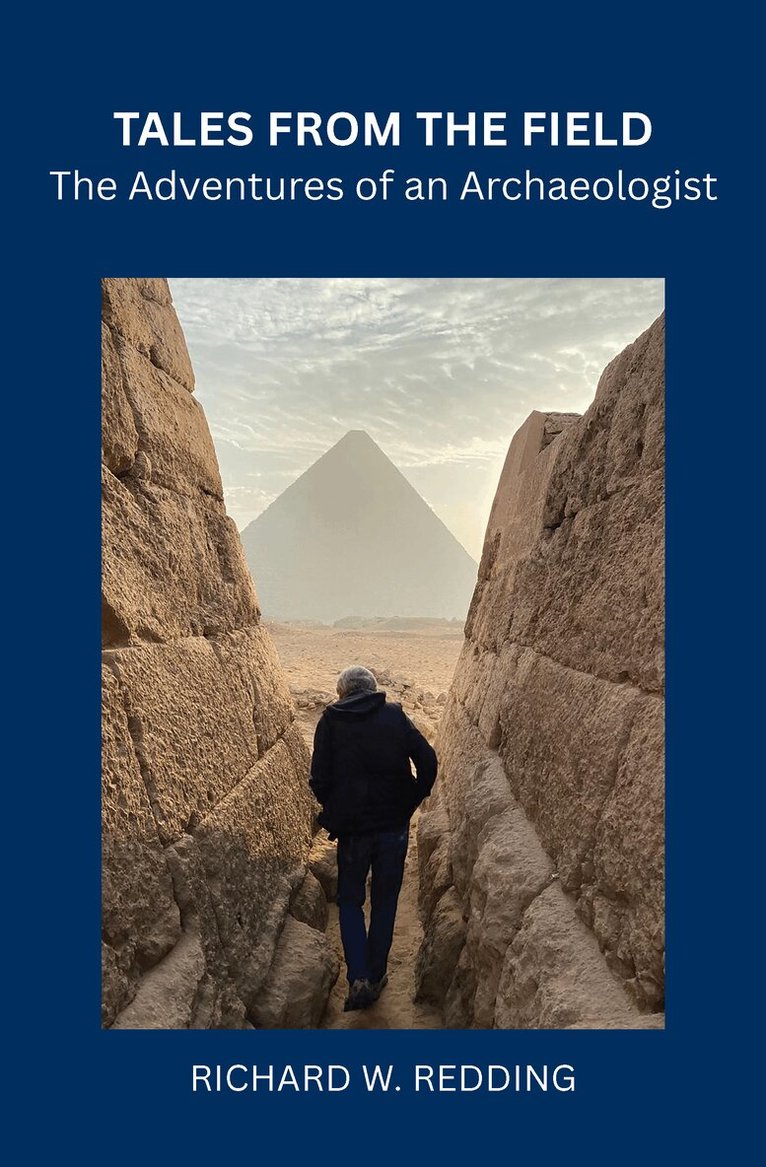
Join Dr. Richard Redding—renowned archaeologist, professor, and field researcher—as he shares stories from a life spent uncovering the past. Leading large excavations demands not just scientific skill but resilience, quick thinking, and the ability to navigate both logistical hurdles and unpredictable dangers. Whether escaping a volatile situation or managing a team in extreme conditions, Redding’s tales reveal the real world of archaeology. Through sharp insight and compelling storytelling, he shows us that archaeology is as much about the adventure as it is about the discovery.
1 674 kr
Skickas inom 5-8 vardagar
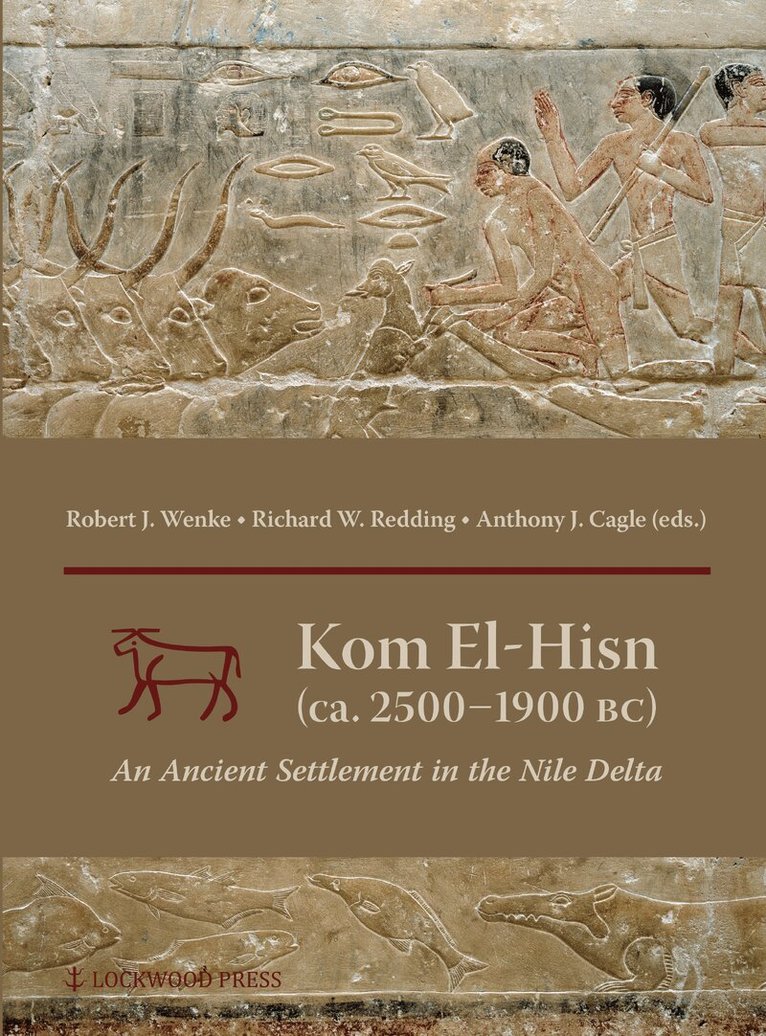
This volume presents the findings of three seasons of excavation in the 1980s at Kom el-Hisn 'the mound of the fortress,' in the northwest Nile Delta. This provincial community was often in the orbit of Memphis, the capital and administrative center of Egypt's Old Kingdom Period. Small areas of occupations of the 1st Intermediate and early Middle Kingdom periods were also excavated. One of the goals of the excavations was to complement and compare the substantial ancient textual record of this era with Kom el-Hisn's archaeological record because such evidence is sparse for Lower Egypt between about 2500 and 1800 BC. The findings presented here reveal the complexity of small Old Kingdom settlements in the context of the Memphite state organization and shed light on the changing relationships of this administrative centre with its provincial communities. Kom el-Hisn's faunal, floral, lithic and architectural remains are presented and discussed in detail, as are some theoretical and methodological issues relevant to this research.
Del 5 - Archaeobiology
View from the Herd
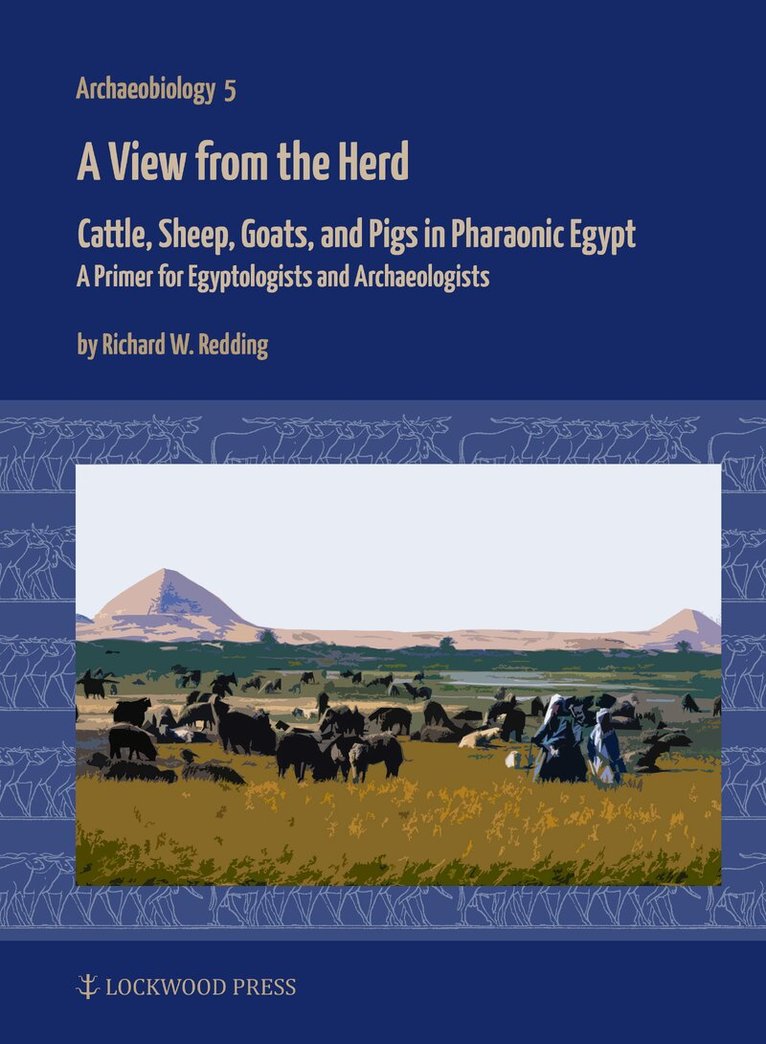
Cattle, Sheep, Goats, and Pigs in Pharaonic Egypt: A Primer for Egyptologists and Archaeologists
Inbunden, Engelska, 2024
867 kr
Skickas
In this book, the late Richard Redding synthesizes his decades-long work on the ancient agricultural economy of Egypt. Drawing on a diverse range of data, including zooarchaeology, ancient texts, and iconographic sources, he explores the role of cattle, sheep, goats and pigs in the economic infrastructure of ancient, mainly Pharaonic, Egypt, along with the complexities of decision-making processes that shaped the use and management of these vital livestock resources. The book integrates zooarchaeological and historical data with information on unimproved breeds of agricultural livestock from Egypt and the broader Middle East as well as considering texts and tomb paintings. Redding argues that understanding the interplay between economic forces, environmental factors and herders' knowledge of animal characteristics is crucial for unravelling the dynamic nature of decision-making. He explores herd growth rates, meat yields, caloric and nutritional benefits, and optimal herd structures. By employing that data and ecological models, including the annual Nile floods, he provides insights into the adaptive strategies employed by ancient Egyptian herders. In this way, Redding examines the economic rationale behind ancient Egyptian herding communities. His models of Pharaonic herding strategies generate expectations tested using zooarchaeological evidence.Redding long advocated the modelling approach that he demonstrates here, understanding zooarchaeological data through a lens of animal biology and environmental context. This work should spark wide interest among archaeologists working in disparate regions.