Riché Richardson - Böcker
Visar alla böcker från författaren Riché Richardson. Handla med fri frakt och snabb leverans.
3 produkter
3 produkter
503 kr
Skickas inom 5-8 vardagar
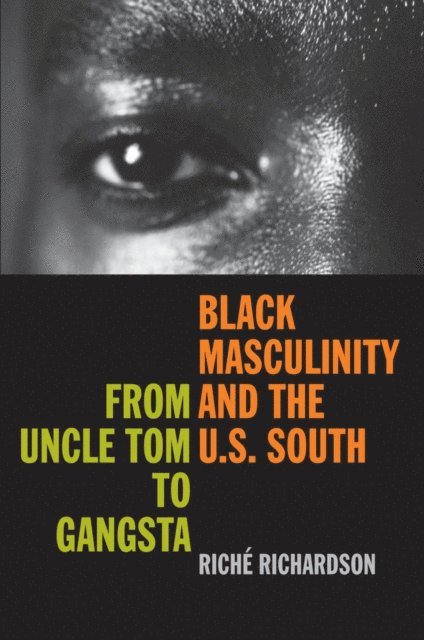
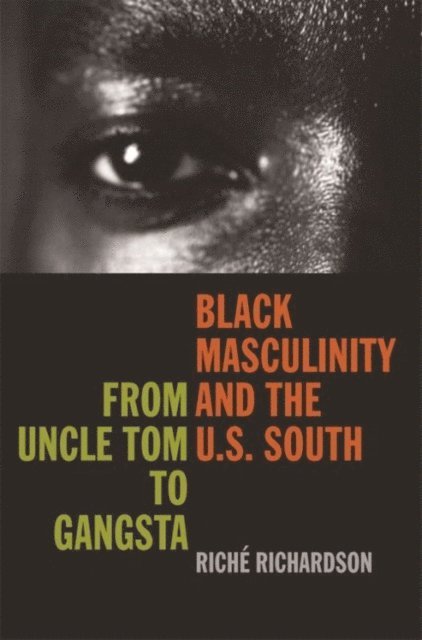
This pathbreaking study of region, race, and gender reveals how we underestimate the South's influence on the formation of black masculinity at the national level. Many negative stereotypes of black men—often contradictory ones—have emerged from the ongoing historical traumas initiated by slavery. Are black men emasculated and submissive or hypersexed and violent? Nostalgic representations of black men have arisen as well: think of the philosophical, hardworking sharecropper or the abiding, upright preacher. To complicate matters, says Riché Richardson, blacks themselves appropriate these images for purposes never intended by their (mostly) white progenitors.Starting with such well-known caricatures as the Uncle Tom and the black rapist, Richardson investigates a range of pathologies of black masculinity that derive ideological force from their associations with the South. Military policy, black-liberation discourse, and contemporary rap, she argues, are just some of the instruments by which egregious pathologies of black masculinity in southern history have been sustained. Richardson's sources are eclectic and provocative, including Ralph Ellison's fiction, Charles Fuller's plays, Spike Lee's films, Huey Newton's and Malcolm X's political rhetoric, the O. J. Simpson discourse, and the music production of Master P, the Cash Money Millionaires, and other Dirty South rappers.Filled with new insights into the region's role in producing hierarchies of race and gender in and beyond their African American contexts, this new study points the way toward more epistemological frameworks for southern literature, southern studies, and gender studies.
1 138 kr
Skickas inom 7-10 vardagar
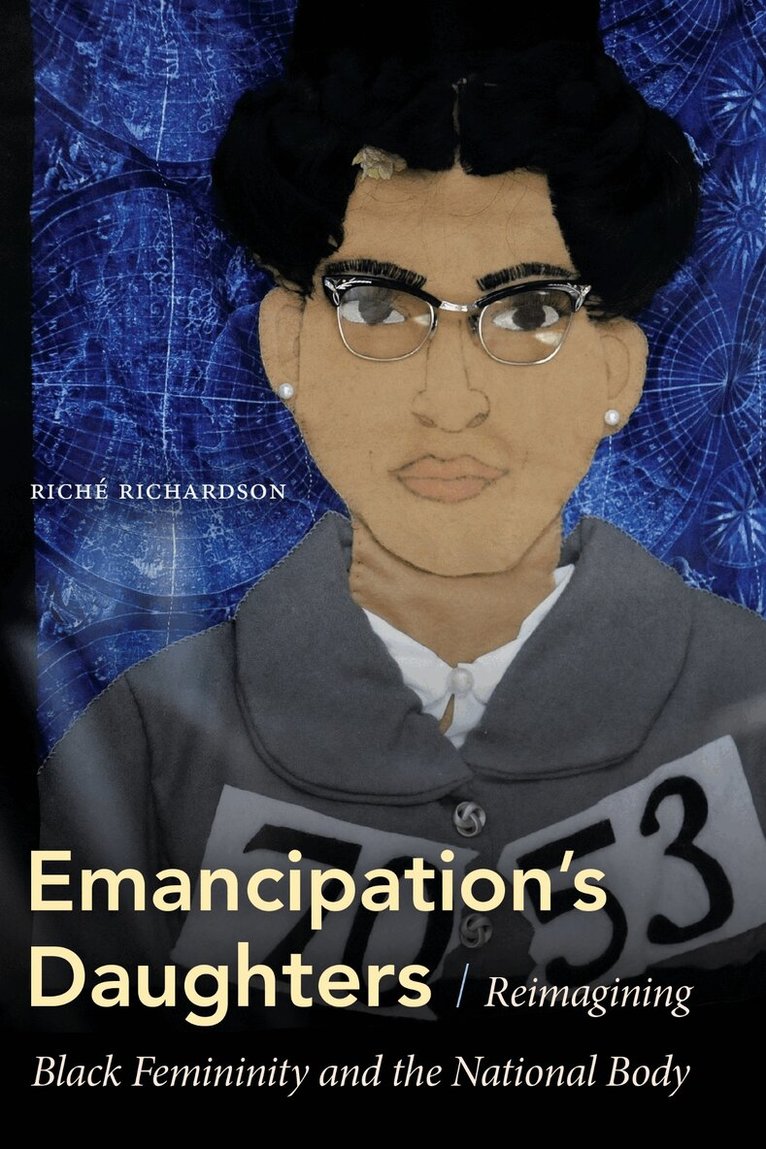
In Emancipation's Daughters, RichÉ Richardson examines iconic black women leaders who have contested racial stereotypes and constructed new national narratives of black womanhood in the United States. Drawing on literary texts and cultural representations, Richardson shows how five emblematic black women-Mary McLeod Bethune, Rosa Parks, Condoleezza Rice, Michelle Obama, and BeyoncÉ-have challenged white-centered definitions of American identity. By using the rhetoric of motherhood and focusing on families and children, these leaders have defied racist images of black women, such as the mammy or the welfare queen, and rewritten scripts of femininity designed to exclude black women from civic participation. Richardson shows that these women's status as national icons was central to reconstructing black womanhood in ways that moved beyond dominant stereotypes. However, these formulations are often premised on heteronormativity and exclude black queer and trans women. Throughout Emancipation's Daughters, Richardson reveals new possibilities for inclusive models of blackness, national femininity, and democracy.
296 kr
Skickas inom 7-10 vardagar
In Emancipation's Daughters, RichÉ Richardson examines iconic black women leaders who have contested racial stereotypes and constructed new national narratives of black womanhood in the United States. Drawing on literary texts and cultural representations, Richardson shows how five emblematic black women-Mary McLeod Bethune, Rosa Parks, Condoleezza Rice, Michelle Obama, and BeyoncÉ-have challenged white-centered definitions of American identity. By using the rhetoric of motherhood and focusing on families and children, these leaders have defied racist images of black women, such as the mammy or the welfare queen, and rewritten scripts of femininity designed to exclude black women from civic participation. Richardson shows that these women's status as national icons was central to reconstructing black womanhood in ways that moved beyond dominant stereotypes. However, these formulations are often premised on heteronormativity and exclude black queer and trans women. Throughout Emancipation's Daughters, Richardson reveals new possibilities for inclusive models of blackness, national femininity, and democracy.