Rima Lunin Schultz - Böcker
Visar alla böcker från författaren Rima Lunin Schultz. Handla med fri frakt och snabb leverans.
2 produkter
2 produkter
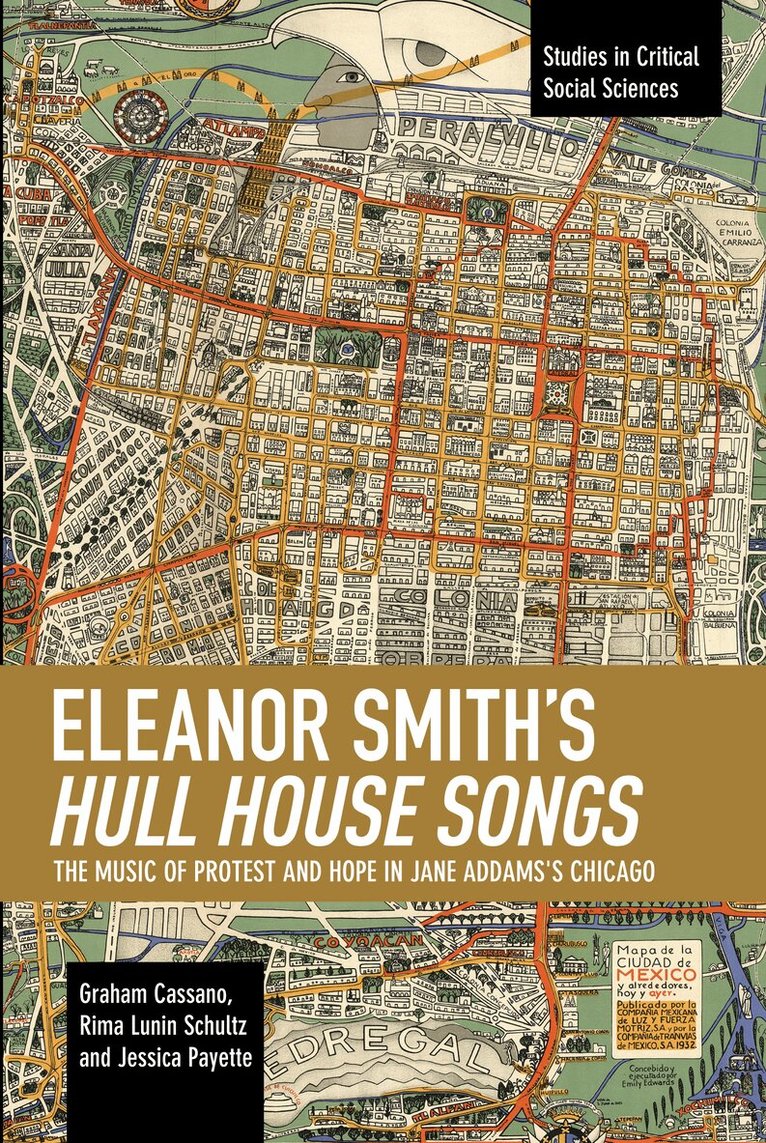
Eleanor Smith's Hull House Songs
The Music of Protest and Hope in Jane Addams's Chicago
Häftad, Engelska, 2020
356 kr
Skickas inom 5-8 vardagar
In Eleanor Smith's Hull House Songs: The Music of Protest and Hope in Jane Addams's Chicago, the authors re-publish Hull House Songs (1916), together with critical commentary. Hull-House Songs contains five politically engaged compositions written by the Hull-House music educator, Eleanor Smith. The commentary that accompanies the folio includes an examination of Smith's poetic sources and musical influences; a study of Jane Addams's aesthetic theories; and a complete history of the arts at Hull-House. Through this focus upon aesthetic and cultural programs at Hull-House, the author-editors identify the external, and internalized, forces of domination (class position, racial identity, patriarchal disenfranchisement) that limited the work of the Hull-House women, while also recovering the sometimes hidden emancipatory possibilities of their legacy. With an afterword by Jocelyn Zelasko.
Del 131 - Studies in Critical Social Sciences
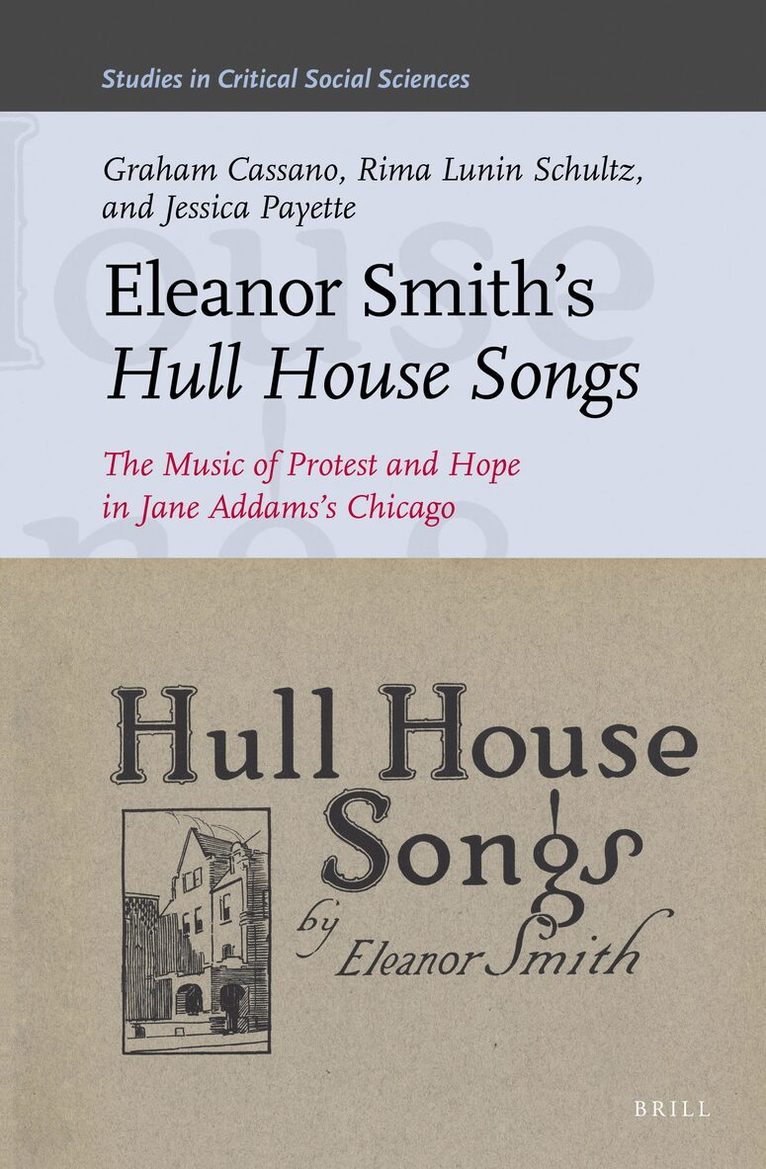
Eleanor Smith's Hull House Songs
The Music of Protest and Hope in Jane Addams's Chicago
Inbunden, Engelska, 2018
2 886 kr
Skickas inom 5-8 vardagar
In Eleanor Smith’s Hull House Songs: The Music of Protest and Hope in Jane Addams’s Chicago, the authors republish Hull House Songs (1916), together with critical commentary. Hull-House Songs contains five politically engaged compositions written by the Hull-House music educator, Eleanor Smith. The commentary that accompanies the folio includes an examination of Smith’s poetic sources and musical influences; a study of Jane Addams’s aesthetic theories; and a complete history of the arts at Hull-House. Through this focus upon aesthetic and cultural programs at Hull-House, the authors identify the external, and internalized, forces of domination (class position, racial identity, patriarchal disenfranchisement) that limited the work of the Hull-House women, while also recovering the sometimes hidden emancipatory possibilities of their legacy. With an afterword by Jocelyn Zelasko.