Robert Bearman – författare
Visar alla böcker från författaren Robert Bearman. Handla med fri frakt och snabb leverans.
10 produkter
Shakespeare's Money
How much did he make and what did this mean?
E-bok, 2016
263 kr
Lägg i varukorg
There is no doubting Shakespeare''s literary genius, immortalised in his published work. However, statements along these lines are frequently followed by laments of how little is known about this life. This is true if we wish to know about Shakespeare''s movements on even a month-by-month basis, or …
Shakespeare's Money
How much did he make and what did this mean?
E-bok, 2016
263 kr
Lägg i varukorg
There is no doubting Shakespeare''s literary genius, immortalised in his published work. However, statements along these lines are frequently followed by laments of how little is known about this life. This is true if we wish to know about Shakespeare''s movements on even a month-by-month basis, or …
Shakespeare's Money
How much did he make and what did this mean?
Inbunden, 2016
729 kr
Lägg i varukorg
There is no doubting Shakespeare's literary genius, immortalised in his published work. However, statements along these lines are frequently followed by laments of how little is known about this life. This is true if we wish to know about Shakespeare's movements on even a month-by-month basis, or …
Shakespeare's Money
How much did he make and what did this mean?
Häftad, 2018
356 kr
Lägg i varukorg
There is no doubting Shakespeare's literary genius, immortalised in his published work. However, statements along these lines are frequently followed by laments of how little is known about this life. This is true if we wish to know about Shakespeare's movements on even a month-by-month basis, or …
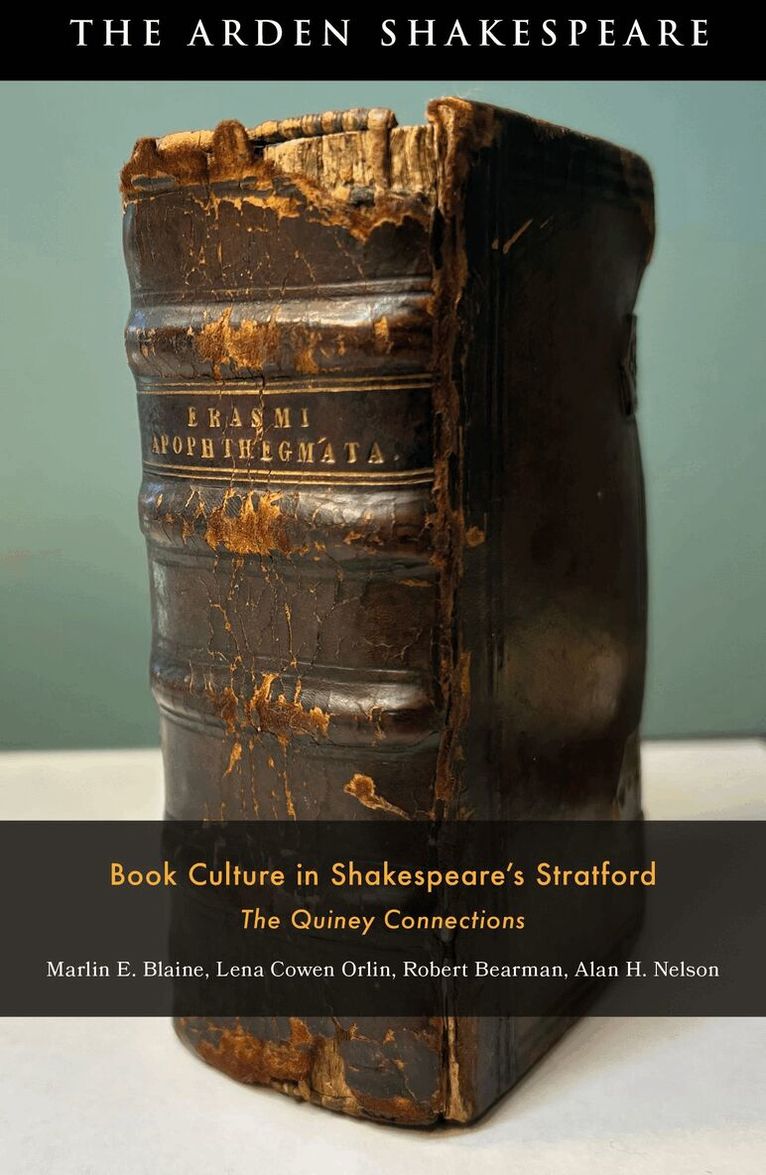
Book Culture in Shakespeare’s Stratford
The Quiney Connections
Av Marlin E. Blaine, Lena Cowen Orlin m. fl.
Inbunden, 2025
1304 kr
Lägg i varukorg
The recent discovery of two Latin books that once belonged to the Quiney family of Stratford-upon-Avon expands our understanding of Shakespeare’s grammar school education and of the social, material, and learned networks that operated in his hometown. One of these books, the Apophthegmata of …
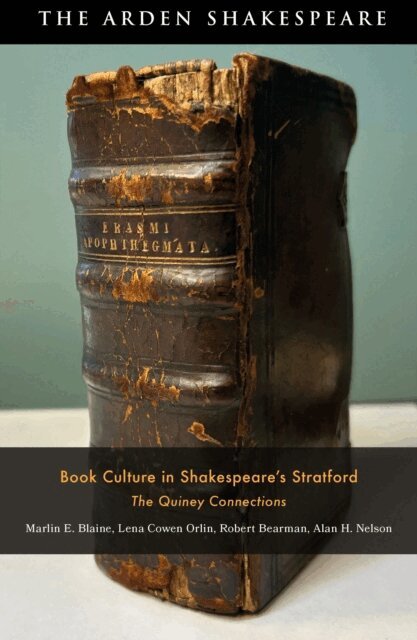
Book Culture in Shakespeare’s Stratford
The Quiney Connections
Av Marlin E. Blaine, Lena Cowen Orlin m. fl.
E-bok, 2025
1434 kr
Lägg i varukorg
The recent discovery of two Latin books that once belonged to the Quiney family of Stratford-upon-Avon expands our understanding of Shakespeare's grammar school education and of the social, material, and learned networks that operated in his hometown. One of these books, the Apophthegmata of …
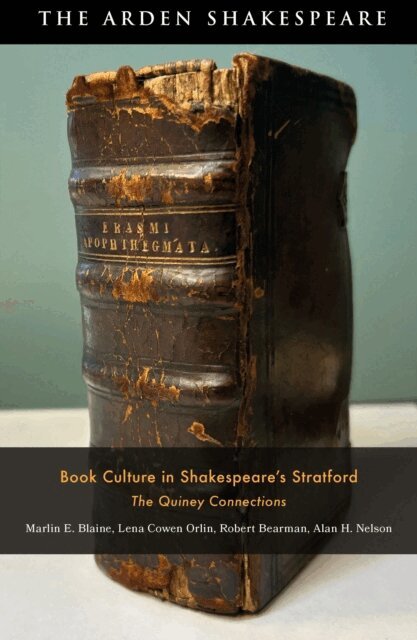
Book Culture in Shakespeare’s Stratford
The Quiney Connections
Av Marlin E. Blaine, Lena Cowen Orlin m. fl.
E-bok, 2025
1392 kr
Lägg i varukorg
The recent discovery of two Latin books that once belonged to the Quiney family of Stratford-upon-Avon expands our understanding of Shakespeare's grammar school education and of the social, material, and learned networks that operated in his hometown. One of these books, the Apophthegmata of …
Book Culture in Shakespeare’s Stratford
The Quiney Connections
Av Marlin E. Blaine, Lena Cowen Orlin m. fl.
Häftad, 2027
473 kr
Kommande
The recent discovery of two Latin books that once belonged to the Quiney family of Stratford-upon-Avon expands our understanding of Shakespeare’s grammar school education and of the social, material, and learned networks that operated in his hometown. One of these books, the Apophthegmata of …
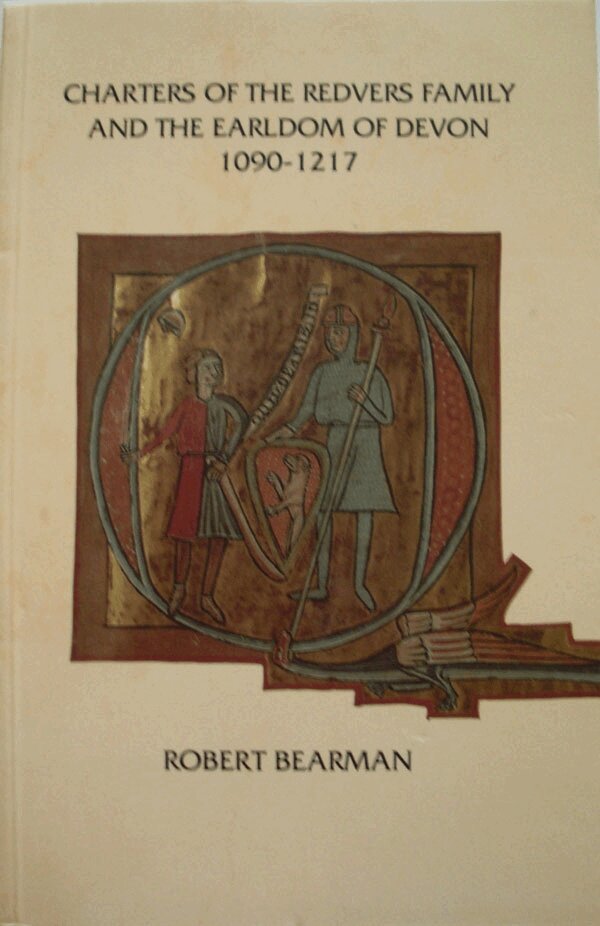
Charters of the Redvers Family and the Earldom of Devon 1090-1217
Häftad, 1994
309 kr
Tillfälligt slut
The Redvers earls of Devon were one of the leading families of southern England in the twelfth and thirteenth centuries, with large estates in Devon, Dorset, Hampshire and the Isle of Wight. Over 200 charters have survived before1217 which relate to them, fully edited for the first time in this …
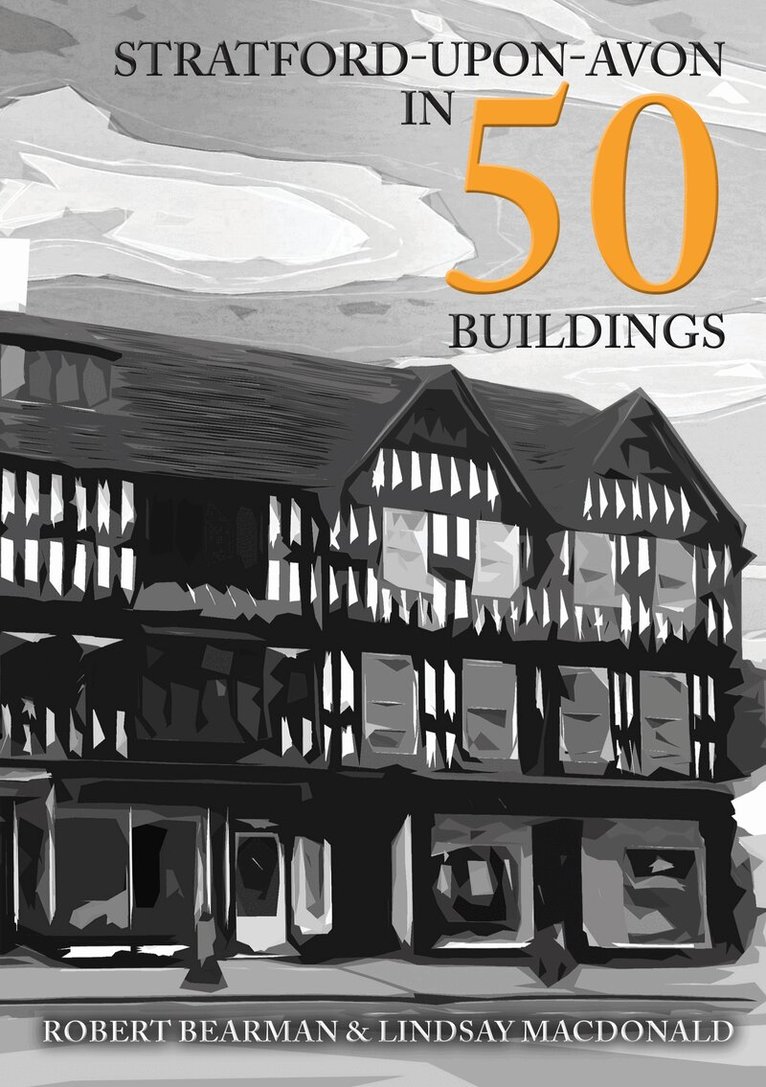
Stratford-upon-Avon in 50 Buildings
Av Robert Bearman, Lindsay MacDonald
Häftad, 2022
181 kr
Tillfälligt slut
Although a small Warwickshire market town, Stratford-upon-Avon has a remarkable number and variety of historic buildings. The medieval street plan survives, with most of the streets still known by the same names. Over the past 250 years, tourism has become a major activity because of the town’s …