Robert Burrell - Böcker
Visar alla böcker från författaren Robert Burrell. Handla med fri frakt och snabb leverans.
3 produkter
3 produkter
2 348 kr
Skickas inom 7-10 vardagar
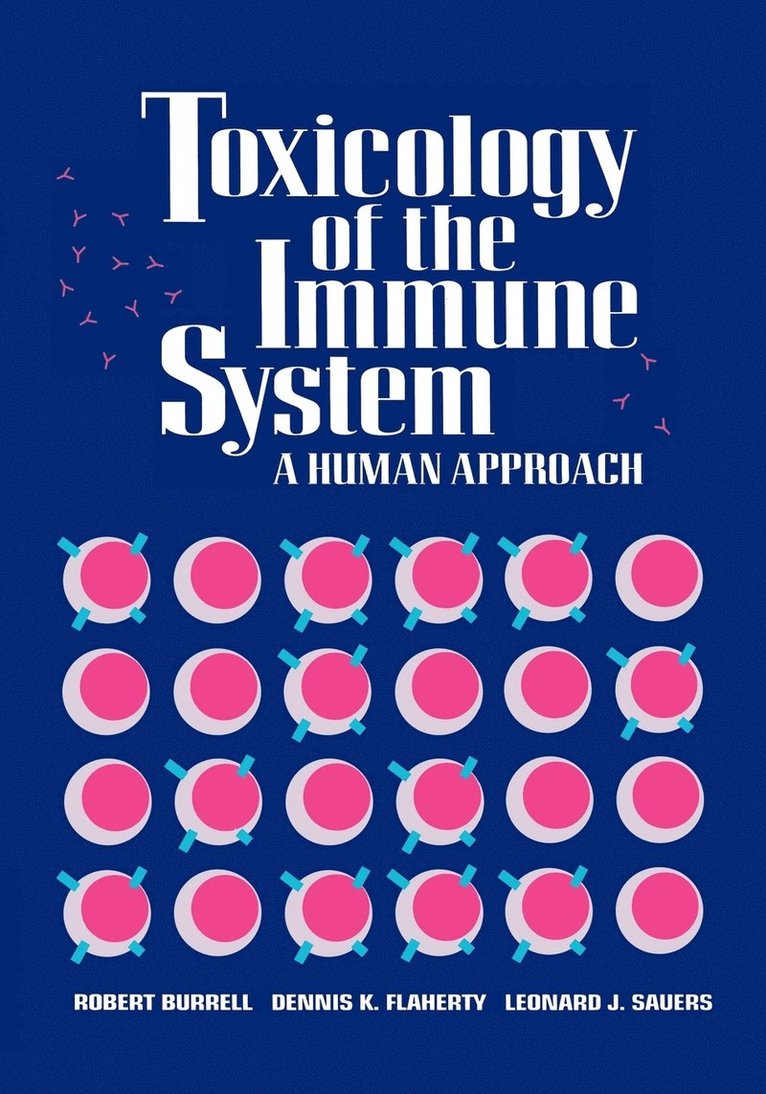
Due to increased awareness of the AIDS crisis as well as concern about environmental chemicals, immunotoxicology has quickly become one of the most important and controversial topics in occupational medicine and toxicology. This insightful reference/text clarifies the subject by exploring the basic environmental, occupational, and therapeutic agents that can suppress or strengthen the immune system. The authors provide a necessary bridge between immunology and toxicology to explain the various products and processes that may change immune parameters, affect host resistance to infections and tumors, and alter a system's future reaction to exposure. They assess the damage done not only to the immune system, but also damage by the immune system as a result of altered functioning. Throughout the book, emphasis is placed on the relevance to existing clinical health and possible future adverse effects. Even the more common immunotoxic conditions, such as food and drug intolerance, cigarette smoking, and occupational asthma, are put into perspective, with straightforward information on possible genetic, environmental, and pharmacological risk factors. Detailed sections are included on: Organ systems and target cells most often affectedTypes of damage and injury resulting from immunotoxic reactionsClinical populations in which immune system damage occursMethods for investigating the etiology of agents and risk assessmentRelevance of laboratory data to human riskStrategies for achieving standard practices to prevent the disparity in results that characterizes many immune system studiesRegulatory affairs related to immunotoxicologyLaboratory and experimental findings are probed to determine how and to what degree different immunotoxicants have induced clinical disease. Citations of animal research are restricted to those studies that point the way for future human studies, or have direct relevance to human situations. To further the reader’s understanding of xenobiotics, the authors treat the subject of purposeful immunomodulation, achieved by administering immunosuppressive or immunopotentiating drugs. Despite increasing public awareness, there remains an inaccurate perception of what chemicals can and cannot do. This important reference sets the record straight, making it an essential source for toxicologists, immunologists, industrial hygienists, microbiologists, allergists, as well as all professionals in the agricultural and cosmetic industries, and those involved in chemical and biological regulation.
Del 6 - Cambridge Intellectual Property and Information Law
Copyright Exceptions
The Digital Impact
Häftad, Engelska, 2009
540 kr
Skickas inom 7-10 vardagar
This book was first published in 2005. Copyright 'exceptions' or 'users' rights' have become a highly controversial aspect of copyright law. Most recently, Member States of the European Union have been forced to amend their systems of exceptions so as to comply with the Information Society Directive. Taking the newly amended UK legislation as a case study, this book examines why copyright exceptions are necessary and the forces that have shaped the present legislative regime in the UK. It seeks to further our understanding of the exceptions by combining detailed doctrinal analysis with insights gained from a range of other sources. The principal argument of the book is that the UK's current system of 'permitted acts' is much too restrictive and hence is in urgent need of reform, but that paradoxically the Information Society Directive points the way towards a much more satisfactory approach.
Del 6 - Cambridge Intellectual Property and Information Law
Copyright Exceptions
The Digital Impact
Inbunden, Engelska, 2005
1 521 kr
Skickas inom 7-10 vardagar
This book was first published in 2005. Copyright 'exceptions' or 'users' rights' have become a highly controversial aspect of copyright law. Most recently, Member States of the European Union have been forced to amend their systems of exceptions so as to comply with the Information Society Directive. Taking the newly amended UK legislation as a case study, this book examines why copyright exceptions are necessary and the forces that have shaped the present legislative regime in the UK. It seeks to further our understanding of the exceptions by combining detailed doctrinal analysis with insights gained from a range of other sources. The principal argument of the book is that the UK's current system of 'permitted acts' is much too restrictive and hence is in urgent need of reform, but that paradoxically the Information Society Directive points the way towards a much more satisfactory approach.