Robert Cryer – författare
Visar alla böcker från författaren Robert Cryer. Handla med fri frakt och snabb leverans.
15 produkter
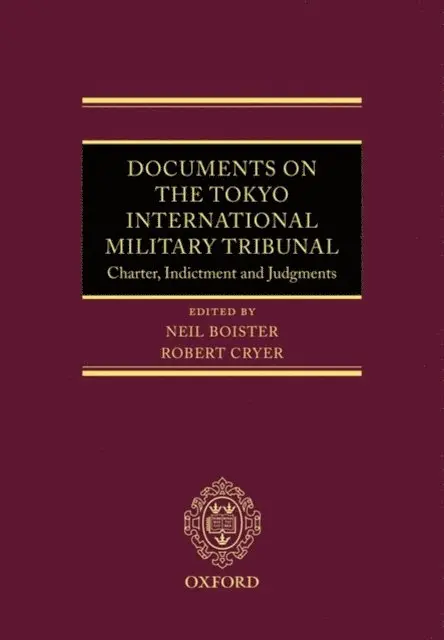
Documents on the Tokyo International Military Tribunal
Charter, Indictment, and Judgments
E-bok, 2008
3245 kr
Lägg i varukorg
Despite the recent growth of interest in international criminal law, in research and practice, the Tokyo International Military Tribunal remains largely neglected. One of the reasons for this is the absence of any readily available version of the judgments that emanated from the Tribunal. This …
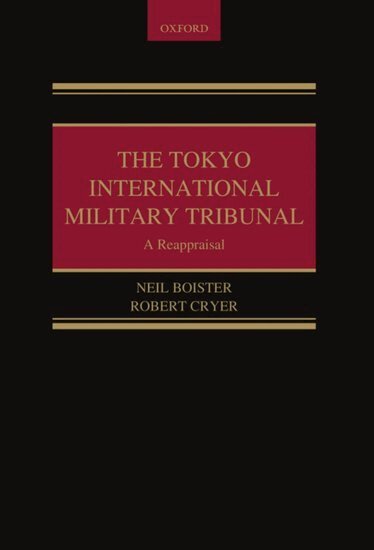
The Tokyo International Military Tribunal - A Reappraisal
Inbunden, 2008
2894 kr
Lägg i varukorg
The Tokyo International Military Tribunal (IMT) is not frequently discussed in the literature on international criminal law, and it is often thought that it was little more (and possibly less) than a footnote to the Nuremberg proceedings. This work seeks to dispel this widely held belief, by …
Development of International Humanitarian Law by the International Criminal Tribunals
Av Robert Cryer
Inbunden, 2015
1097 kr
Kommande
In response to some of the most protracted and brutal conflicts of the last twenty years, the United Nations has created several ad hoc criminal tribunals tasked with bringing the perpetrators of war crimes, crimes against humanity, and crimes of genocide to justice. This book analyses the …
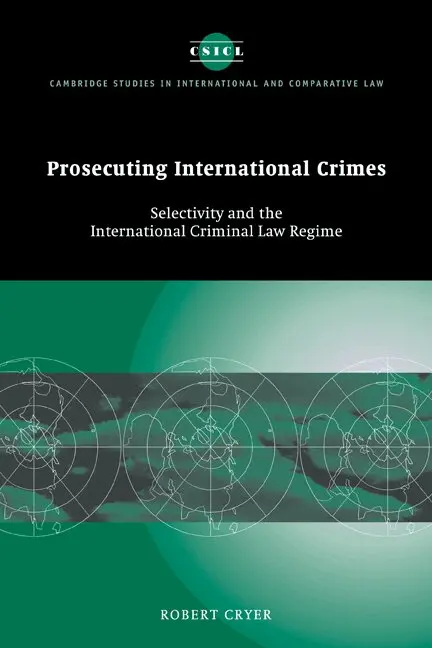
Prosecuting International Crimes
Selectivity and the International Criminal Law Regime
Av Robert Cryer
Häftad, 2011
838 kr
Lägg i varukorg
This 2005 book discusses the legitimacy of the international criminal law regime. It explains the development of the system of international criminal law enforcement in historical context, from antiquity through the Nuremberg and Tokyo Trials, to modern-day prosecutions of atrocities in the former …
Prosecuting International Crimes
Selectivity and the International Criminal Law Regime
Av Robert Cryer, James Crawford m. fl.
Inbunden, 2005
1933 kr
Lägg i varukorg
This 2005 book discusses the legitimacy of the international criminal law regime. It explains the development of the system of international criminal law enforcement in historical context, from antiquity through the Nuremberg and Tokyo Trials, to modern-day prosecutions of atrocities in the former …
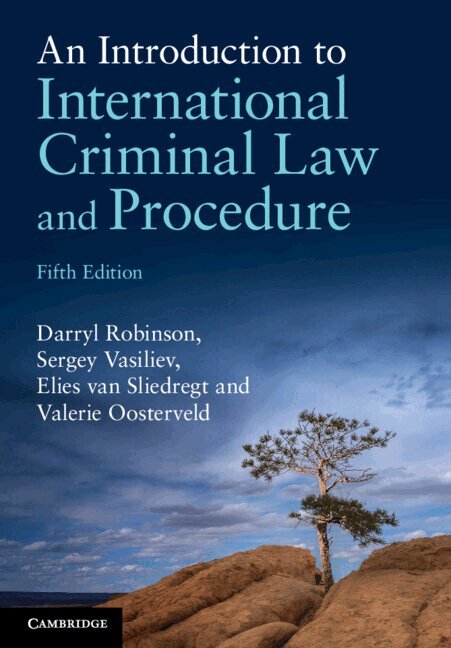
An Introduction to International Criminal Law and Procedure
Av Darryl Robinson, Sergey Vasiliev m. fl.
Häftad, 2024
611 kr
Lägg i varukorg
Building on the success of previous editions (Cryer et al.), this popular textbook is now expanded and updated in a 5th edition featuring two new co-authors, Elies van Sliedregt and Valerie Oosterveld. A market leader and one of the most globally trusted textbooks on international criminal law, it …
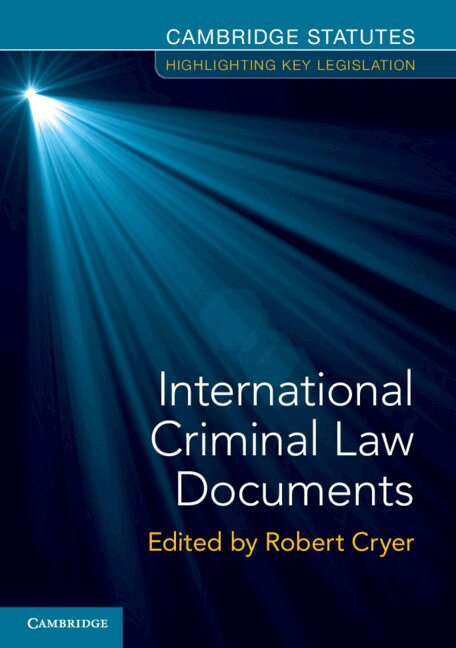
International Criminal Law Documents
Av Robert Cryer
E-bok, 2019
300 kr
Lägg i varukorg
This carefully edited text collects the major documents on International Criminal Law, through the early practice after the First World War, the Nuremberg and Tokyo International Military Tribunals up to the present. It includes the statutes of the ad hoc Tribunals for the former Yugoslavia and …
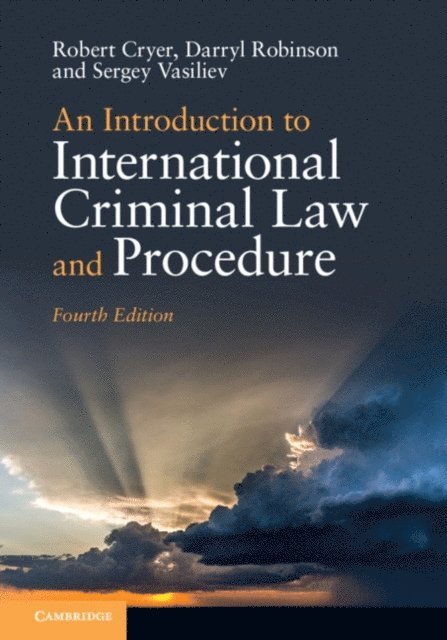
Introduction to International Criminal Law and Procedure
Av Sergey Vasiliev, Darryl Robinson m. fl.
E-bok, 2019
675 kr
Lägg i varukorg
Written by a team of international lawyers with extensive academic and practical experience of international criminal law, the fourth edition of this leading textbook offers readers comprehensive coverage and a high level of academic rigour while maintaining its signature accessible and engaging …
International Criminal Law Documents
Av Robert Cryer
E-bok, 2019
294 kr
Lägg i varukorg
This carefully edited text collects the major documents on International Criminal Law, through the early practice after the First World War, the Nuremberg and Tokyo International Military Tribunals up to the present. It includes the statutes of the ad hoc Tribunals for the former Yugoslavia and …
International Criminal Law Documents
Av Robert Cryer
Häftad, 2019
274 kr
Lägg i varukorg
This carefully edited text collects the major documents on International Criminal Law, through the early practice after the First World War, the Nuremberg and Tokyo International Military Tribunals up to the present. It includes the statutes of the ad hoc Tribunals for the former Yugoslavia and …
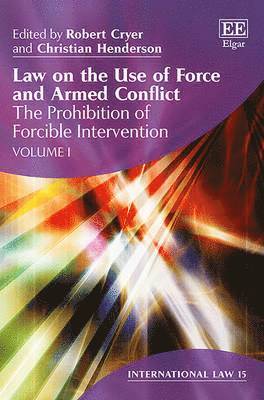
Law on the Use of Force and Armed Conflict
Av Robert Cryer, Christian Henderson
Inbunden, 2017
12782 kr
Lägg i varukorg
This comprehensive four-volume compilation presents seminal works from leading authors on the use of force and armed conflict, beginning with detailed analysis of the prohibition of forcible intervention, including interpretation of the rule and notable exceptions to it. In addition, the collection …
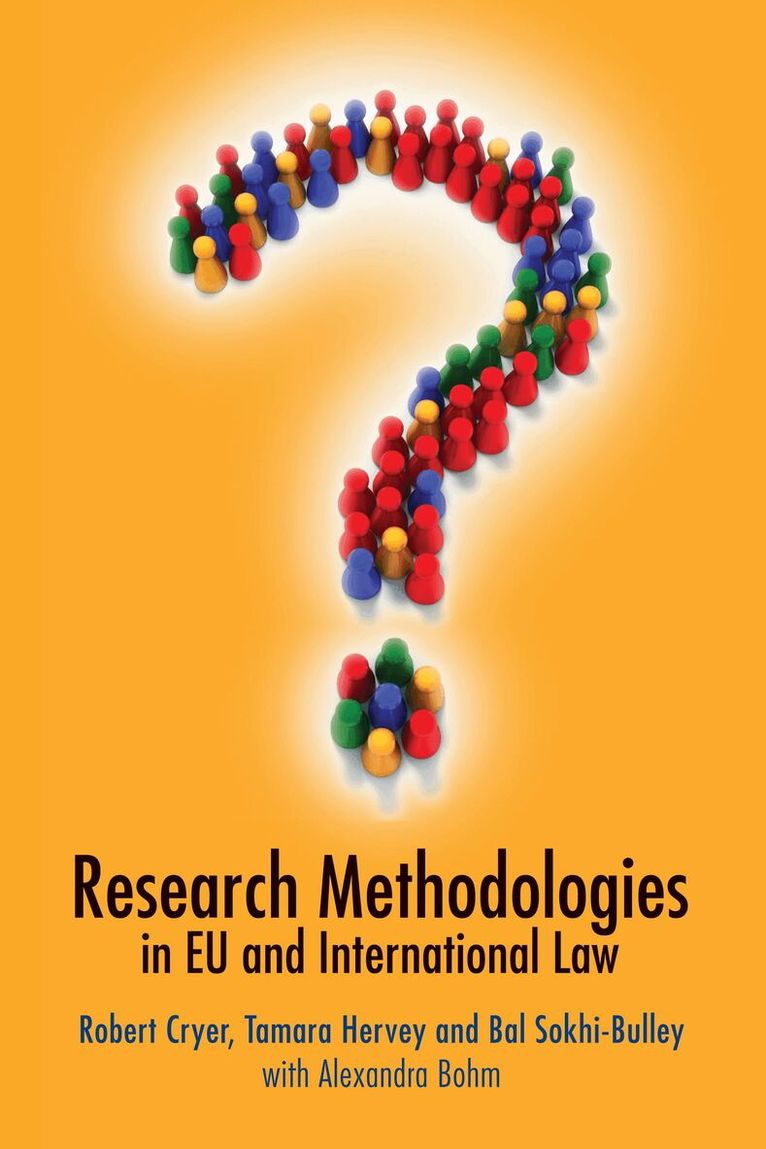
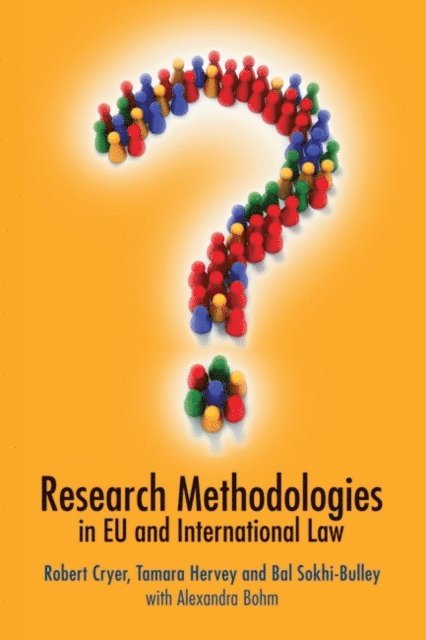
Research Methodologies in EU and International Law
Av Tamara Hervey, Robert Cryer m. fl.
Häftad, 2011
4,0 utav 5 stjärnor. Totalt antal röster: (1)
475 kr
Lägg i varukorg
Law research students often begin their PhDs without having an awareness of methodology, or the opportunity to think about the practice of research and its theoretical implications. Law Schools are, however, increasingly alive to the need to provide training in research methods to their students. …
Research Methodologies in EU and International Law
Av Tamara Hervey, Robert Cryer m. fl.
E-bok, 2011
516 kr
Lägg i varukorg
Law research students often begin their PhDs without having an awareness of methodology, or the opportunity to think about the practice of research and its theoretical implications. Law Schools are, however, increasingly alive to the need to provide training in research methods to their students. …
Research Methodologies in EU and International Law
Av Tamara Hervey, Robert Cryer m. fl.
E-bok, 2011
516 kr
Lägg i varukorg
Law research students often begin their PhDs without having an awareness of methodology, or the opportunity to think about the practice of research and its theoretical implications. Law Schools are, however, increasingly alive to the need to provide training in research methods to their students. …
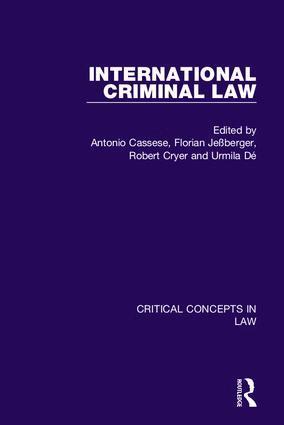
International Criminal Law
Av Antonio Cassese, Florian Jeßberger m. fl.
2015
22626 kr
Tillfälligt slut
In 1993, the United Nations Security Council set up an ad hoc tribunal to bring to trial those accused of the worst breaches of humanitarian law in the war-torn former Yugoslavia, thus setting in motion a process which has significantly raised the profile and importance of international criminal …