Robert F. Reid-Pharr - Böcker
Visar alla böcker från författaren Robert F. Reid-Pharr. Handla med fri frakt och snabb leverans.
9 produkter
9 produkter
899 kr
Skickas inom 5-8 vardagar
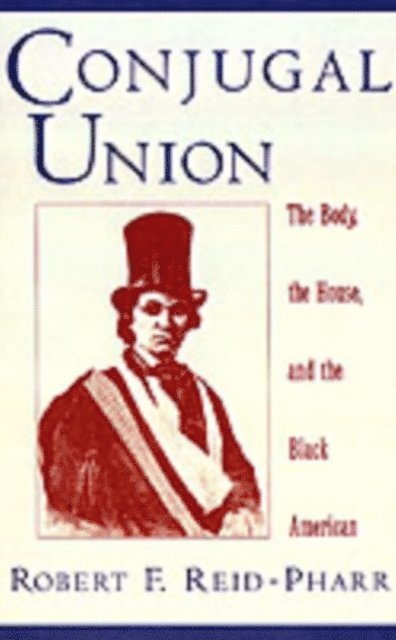
In his new book, Robert Reid-Pharr argues that black gender and sexuality have always played a crucial role in questions of black national identity. He identifies the origins of a "national" African American literature in the founding of the Black press in 1827 and the beginnings of a novelistic tradition in the antebellum period. Reid-Pharr shows how state conventions, churches, newspapers, and novels -- predominantly aimed at Northeastern Black communities -- were integral in shaping the ideal of the black family.
178 kr
Skickas inom 7-10 vardagar
For three decades, the legacy of writer, editor, performer, and activist Essex Hemphill has been lovingly sustained through xeroxed copies of his few published works. They are as potent now as they were in the 1980s. With tenderness and rage, Hemphill's poems unflinchingly explore the complex, overlapping identities of sexuality, gender, and race, the American political landscape, and his own experiences as a black gay man during the HIV/AIDS crisis.Edited by John Keene and Robert F. Reid-Pharr, Love is a Dangerous Word contains selections from Hemphill's only published full-length collection, Ceremonies—named one of the 25 most influential works of postwar queer literature by the New York Times—alongside rarely seen poems from magazines and chapbooks. It serves as both an introduction to Hemphill’s poetic prowess and a treasure trove for those who have long awaited his return to the literary spotlight.
1 154 kr
Skickas inom 10-15 vardagar
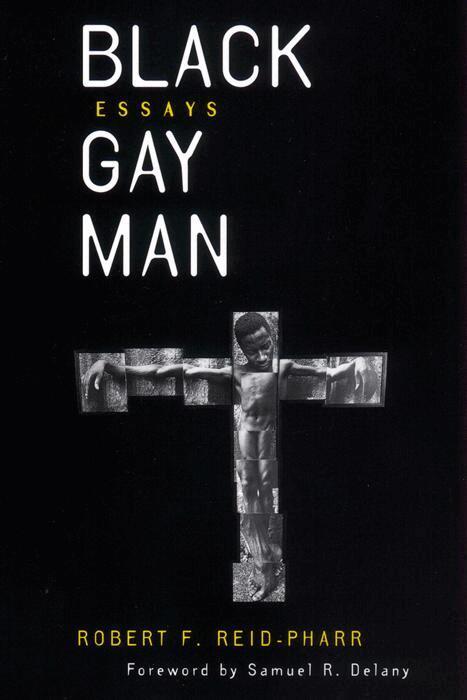
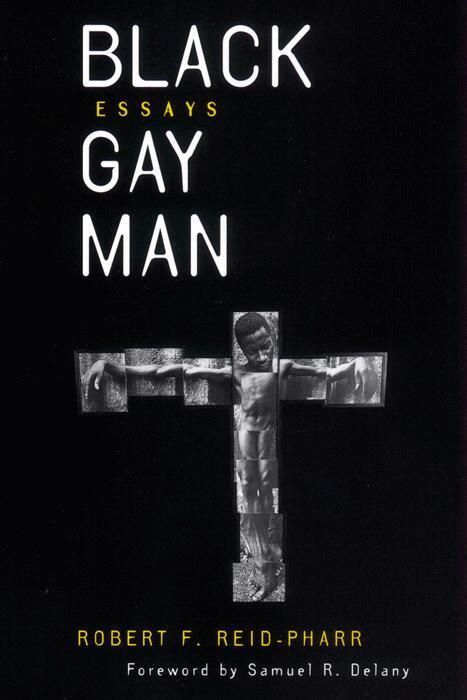
The landmark book that established Robert Reid-Pharr as one of America's most exciting and challenging left intellectualsAt turns autobiographical, political, literary, erotic, and humorous, Black Gay Man spoils our preconceived notions of not only what it means to be black, gay and male but also what it means to be a contemporary intellectual. Both a celebration of black gay male identity as well as a powerful critique of the structures that allow for the production of that identity, Black Gay Man introduced the eloquent voice of Robert Reid-Pharr in cultural criticism.At once erudite and readable, the range of topics and positions taken up in Black Gay Man reflect the complexity of American life itself. Treating subjects as diverse as the Million Man March, interracial sex, anti-Semitism, turn of the century American intellectualism as well as literary and cultural figures ranging from Essex Hemphill and Audre Lorde to W.E.B. DuBois, Frantz Fanon and James Baldwin, Black Gay Man is a bold and nuanced attempt to question prevailing ideas about community, desire, politics and culture. Moving beyond critique, Reid-Pharr also pronounces upon the promises of a new America.
349 kr
Skickas inom 7-10 vardagar
The landmark book that established Robert Reid-Pharr as one of America's most exciting and challenging left intellectualsAt turns autobiographical, political, literary, erotic, and humorous, Black Gay Man spoils our preconceived notions of not only what it means to be black, gay and male but also what it means to be a contemporary intellectual. Both a celebration of black gay male identity as well as a powerful critique of the structures that allow for the production of that identity, Black Gay Man introduced the eloquent voice of Robert Reid-Pharr in cultural criticism.At once erudite and readable, the range of topics and positions taken up in Black Gay Man reflect the complexity of American life itself. Treating subjects as diverse as the Million Man March, interracial sex, anti-Semitism, turn of the century American intellectualism as well as literary and cultural figures ranging from Essex Hemphill and Audre Lorde to W.E.B. DuBois, Frantz Fanon and James Baldwin, Black Gay Man is a bold and nuanced attempt to question prevailing ideas about community, desire, politics and culture. Moving beyond critique, Reid-Pharr also pronounces upon the promises of a new America.
1 154 kr
Skickas inom 10-15 vardagar
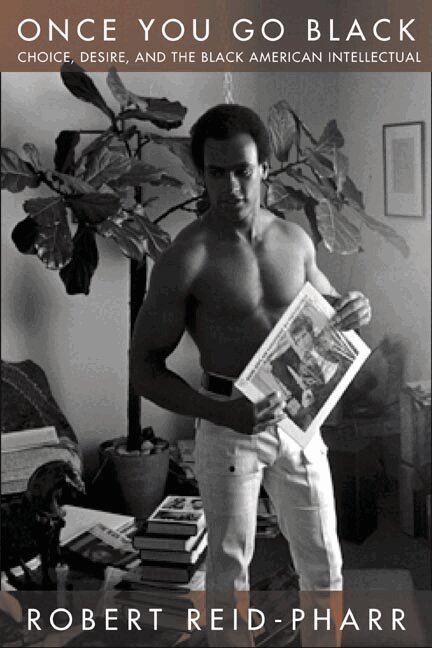
2007 Lambda Literary Award Finalist, LGBT StudiesRichard Wright. Ralph Ellison. James Baldwin. Literary and cultural critic Robert Reid-Pharr asserts that these and other post-World War II intellectuals announced the very themes of race, gender, and sexuality with which so many contemporary critics are now engaged. While at its most elemental Once You Go Black is an homage to these thinkers, it is at the same time a reconsideration of black Americans as agents, and not simply products, of history. Reid-Pharr contends that our current notions of black American identity are not inevitable, nor have they simply been forced onto the black community. Instead, he argues, black American intellectuals have actively chosen the identity schemes that seem to us so natural today.Turning first to the late and relatively obscure novels of Wright, Ellison, and Baldwin, Reid-Pharr suggests that each of these authors rejects the idea of the black as innocent. Instead they insisted upon the responsibility of all citizens—even the most oppressed—within modern society. Reid-Pharr then examines a number of responses to this presumed erosion of black innocence, paying particular attention to articulations of black masculinity by Huey Newton, one of the two founders of the Black Panther Party, and Melvin Van Peebles, director of the classic film Sweet Sweetback's Baadasssss Song.Shuttling between queer theory, intellectual history, literary close readings, and autobiography, Once You Go Black is an impassioned, eloquent, and elegant call to bring the language of choice into the study of black American literature and culture. At the same time, it represents a hard-headed rejection of the presumed inevitability of what Reid-Pharr names racial desire in the production of either culture or cultural studies.
336 kr
Skickas inom 7-10 vardagar
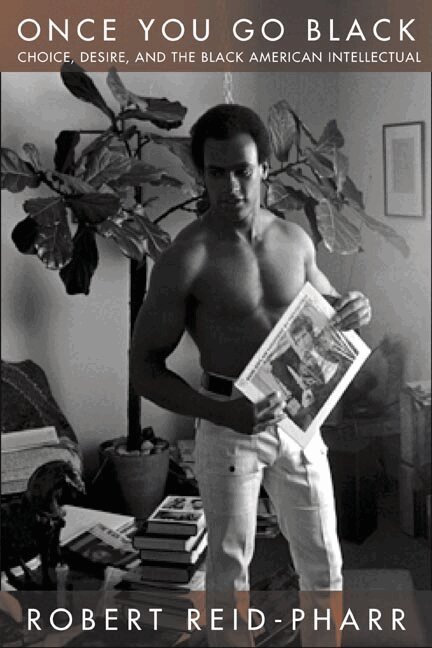
2007 Lambda Literary Award Finalist, LGBT StudiesRichard Wright. Ralph Ellison. James Baldwin. Literary and cultural critic Robert Reid-Pharr asserts that these and other post-World War II intellectuals announced the very themes of race, gender, and sexuality with which so many contemporary critics are now engaged. While at its most elemental Once You Go Black is an homage to these thinkers, it is at the same time a reconsideration of black Americans as agents, and not simply products, of history. Reid-Pharr contends that our current notions of black American identity are not inevitable, nor have they simply been forced onto the black community. Instead, he argues, black American intellectuals have actively chosen the identity schemes that seem to us so natural today.Turning first to the late and relatively obscure novels of Wright, Ellison, and Baldwin, Reid-Pharr suggests that each of these authors rejects the idea of the black as innocent. Instead they insisted upon the responsibility of all citizens—even the most oppressed—within modern society. Reid-Pharr then examines a number of responses to this presumed erosion of black innocence, paying particular attention to articulations of black masculinity by Huey Newton, one of the two founders of the Black Panther Party, and Melvin Van Peebles, director of the classic film Sweet Sweetback's Baadasssss Song.Shuttling between queer theory, intellectual history, literary close readings, and autobiography, Once You Go Black is an impassioned, eloquent, and elegant call to bring the language of choice into the study of black American literature and culture. At the same time, it represents a hard-headed rejection of the presumed inevitability of what Reid-Pharr names racial desire in the production of either culture or cultural studies.
235 kr
Tillfälligt slut
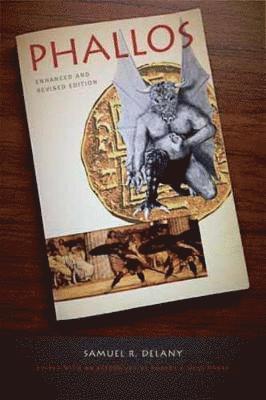
Phallos is a 2004 novel by the acclaimed novelist and critic Samuel R. Delany. Taking the form of a gay pornographic novella, with the explicit sex omitted, Phallos is set during the reign of the second-century Roman emperor Hadrian, and circles around the historical account of the murder of the emperor's favorite, Antinous. The story moves from Syracuse to Egypt, from the Pillars of Hercules to Rome, from Athens to Byzantium, and back. Young Neoptolomus searches after the stolen phallus of the nameless god of Hermopolis, crafted of gold and encrusted with jewels, within which are reputedly the ancient secrets of science and society that will lead to power, knowledge, and wealth. Vivid and clever, the original novella has been expanded by nearly a third. Appended to the text are an afterword by Robert F. Reid-Pharr and three astute speculative essays by Steven Shaviro, Kenneth R. James, and Darieck Scott.
362 kr
Skickas inom 7-10 vardagar
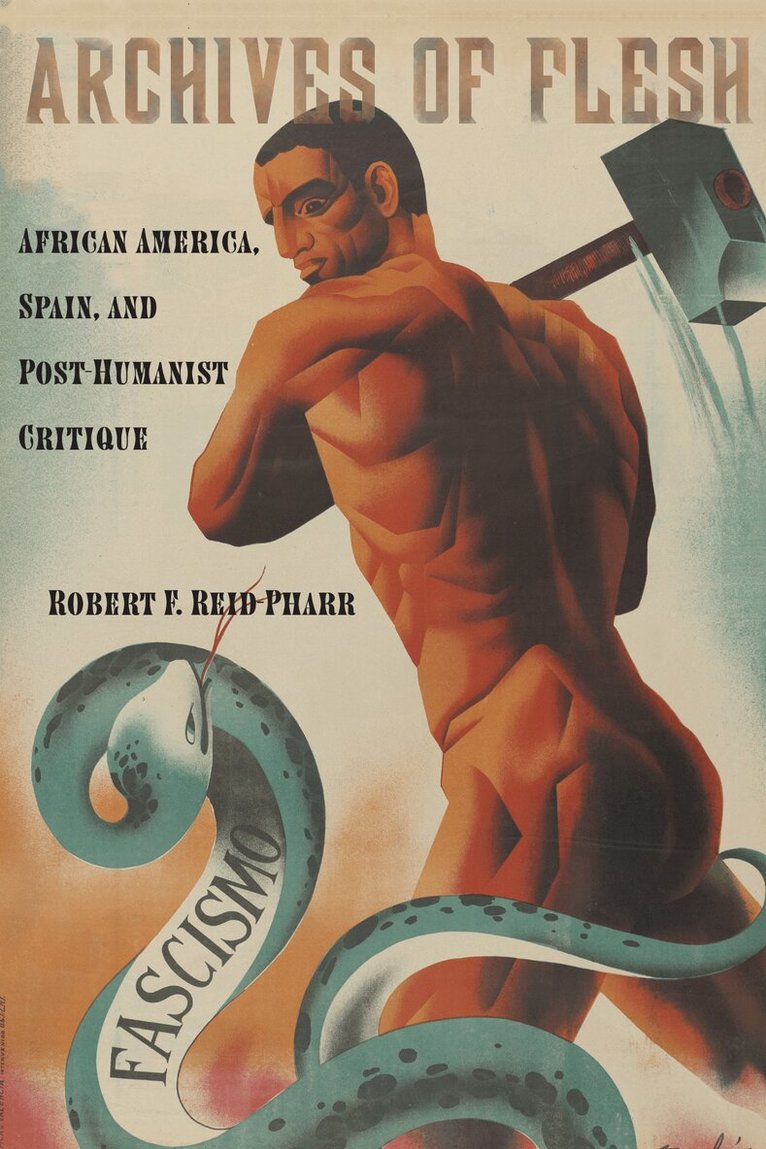
Enlists the principles of post-humanist critique in order to investigate decades of intimate dialogues between African American and Spanish intellectuals In Archives of Flesh, Robert Reid-Pharr reveals the deep history of intellectual engagement between African America and Spain. Opening a fascinating window onto black and anti-Fascist intellectual life from 1898 through the mid-1950s, Reid-Pharr argues that key institutions of Western Humanism, including American colleges and universities, developed in intimate relation to slavery, colonization, and white supremacy. This retreat to rigidly established philosophical and critical traditions can never fully address—or even fully recognize—the deep-seated hostility to black subjectivity underlying the humanist ideal of a transcendent Manhood. Calling for a specifically anti-white supremacist reexamination of the archives of black subjectivity and resistance, Reid-Pharr enlists the principles of post-humanist critique in order to investigate decades of intimate dialogues between African American and Spanish intellectuals, including Salaria Kea, Federico Garcia Lorca, Nella Larsen, Langston Hughes, Richard Wright, Chester Himes, Lynn Nottage, and Pablo Picasso. In the process Reid-Pharr takes up the "African American Spanish Archive" in order to resist the anti-corporeal, anti-black, anti-human biases that stand at the heart of Western Humanism.
1 061 kr
Skickas inom 10-15 vardagar
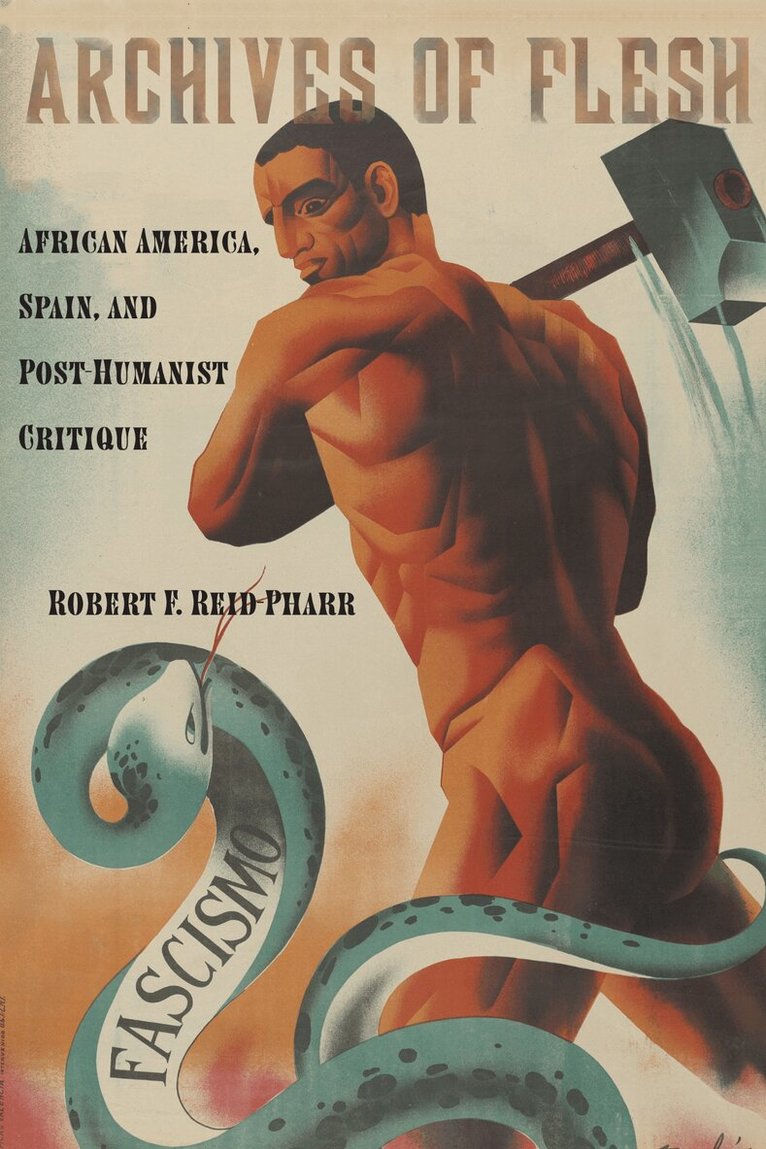
Enlists the principles of post-humanist critique in order to investigate decades of intimate dialogues between African American and Spanish intellectuals In Archives of Flesh, Robert Reid-Pharr reveals the deep history of intellectual engagement between African America and Spain. Opening a fascinating window onto black and anti-Fascist intellectual life from 1898 through the mid-1950s, Reid-Pharr argues that key institutions of Western Humanism, including American colleges and universities, developed in intimate relation to slavery, colonization, and white supremacy. This retreat to rigidly established philosophical and critical traditions can never fully address—or even fully recognize—the deep-seated hostility to black subjectivity underlying the humanist ideal of a transcendent Manhood. Calling for a specifically anti-white supremacist reexamination of the archives of black subjectivity and resistance, Reid-Pharr enlists the principles of post-humanist critique in order to investigate decades of intimate dialogues between African American and Spanish intellectuals, including Salaria Kea, Federico Garcia Lorca, Nella Larsen, Langston Hughes, Richard Wright, Chester Himes, Lynn Nottage, and Pablo Picasso. In the process Reid-Pharr takes up the "African American Spanish Archive" in order to resist the anti-corporeal, anti-black, anti-human biases that stand at the heart of Western Humanism.