
Robert G. Rabil – författare
Visar alla böcker från författaren Robert G. Rabil. Handla med fri frakt och snabb leverans.
5 produkter
5 produkter

Inbunden, Engelska, 2006
691 kr
Skickas inom 10-15 vardagar
Ever since Syria won its independence from France in 1946, it has been a crucial player in Middle Eastern politics. Over the years, relations between the United States and Syria have fluctuated as Washington has tried to balance its commitment to Israel's security with its support for Arab regimes in order to protect vital and strategic interests in the Arab world. The Arab-Israeli conflict is, however. no longer the only focal point of the relationship. Now, terrorism has entered the fray. On the State Department's terrorism list since 1979, Syria became even more persona non grata as far as Washington was concerned when Damascus vocally opposed the U.S. invasion of Iraq in 2003. The American war in Iraq, occupation, and promotion of democracy throughout the Middle East pose a strong challenge to the Syrian regime. The new Syrian leadership, in power only since 2000, faces immense challenges—protecting Syria's regional status and surviving internal and external threats. Against this background, Syria and the United States have set themselves on a collision course over terrorism, arms proliferation, Lebanon, the Middle East peace process, and Iraq. Syria is, nevertheless, extremely important to the United States, because it can be a force for either stability or instability in an extremely volatile region.Recent events have put the spotlight on Syria's policies and actions. After the assassination of a Lebanese politician, protests in Lebanon led to the withdrawal of Syrian troops. While the withdrawal averted an immediate threat of bloodshed, the Bush administration accused Syria of being a source of instability in the Middle East, with Secretary of State Rice charging that Syria was still active in Lebanon and was supporting foreign terrorists fueling the insurgency in Iraq. The U.S.-Syrian relationship is of critical importance to the United States' efforts to promote democracy throughout the Middle East. At the same time, the United States has been pressuring Syria to clamp down on terrorism within its own borders. Rabil provides a history of the modern U.S.-Syrian relationship, putting the latest events in the context of this contemporary history, and placing the relationship in the context of Middle Eastern politics.
Inbunden, Engelska, 2016
1 169 kr
Skickas inom 10-15 vardagar
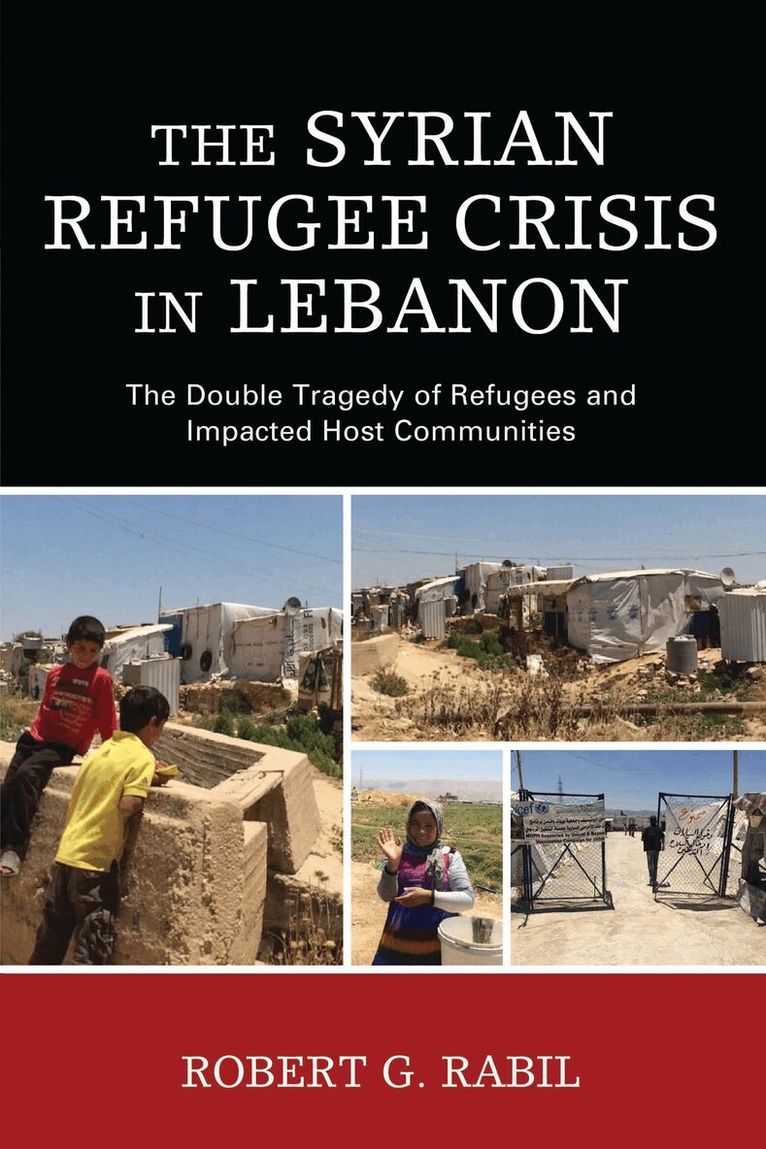
This book examines the unfolding of the Syrian refugee crisis in relation to the spillover of the Syrian civil war in Lebanon and against the background of Lebanon–Syria relations and Lebanon’s socio-political, cultural, legal, and economic conditions. It surveys Lebanon’s response plans to the refugee crisis as part of the development of the international response plans to address the protection and needs of the Syrian refugees and Palestinian refugees from Syria, as well as the impacted host communities and institutions. At the same time, this book emphasizes the dramatic shift in popular and institutional attitudes towards the refugees as a response to and as a growth of the sheer magnitude of the refugee crisis, which made Lebanon the only country in modern history with the highest per capita concentration of refugees in the world. By examining these attitudes against the background of achievements and failures of the response plans, the impact of the crisis on state institutions on the local and national levels, and the collective consciousness of a nation barely surviving the scars of its civil war, this book not only underscores the deepening tragedy of Syrian and Palestinian refugees in Lebanon, but also the consequential tragedy of many Lebanese, who have been forced into poverty and whose livelihoods have been affected by insecurity and the almost complete collapse of social services. As a result, the tragedy of the Syrian refugee crisis has become an international crisis affecting vulnerable persons across nationalities, and, unless it is addressed diplomatically and its response plans sufficiently funded, the tragedy will only deepen across continents.
Häftad, Engelska, 2018
554 kr
Skickas inom 10-15 vardagar
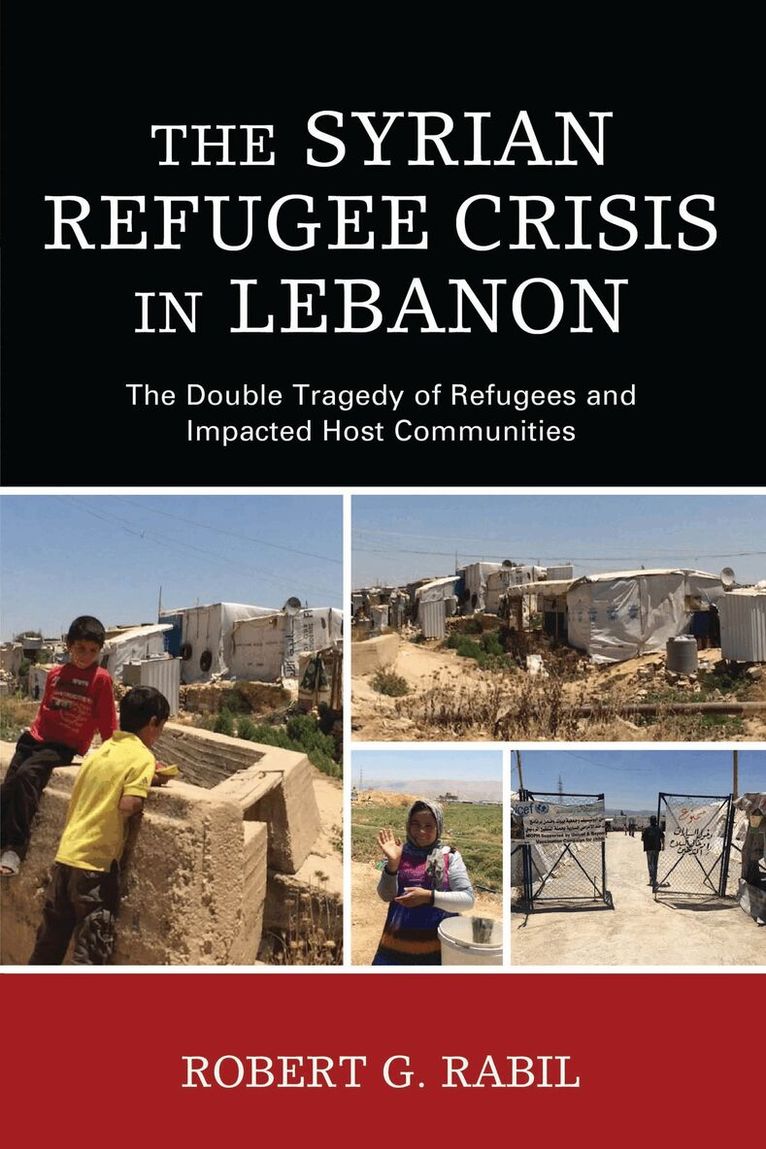
This book examines the unfolding of the Syrian refugee crisis in relation to the spillover of the Syrian civil war in Lebanon and against the background of Lebanon–Syria relations and Lebanon’s socio-political, cultural, legal, and economic conditions. It surveys Lebanon’s response plans to the refugee crisis as part of the development of the international response plans to address the protection and needs of the Syrian refugees and Palestinian refugees from Syria, as well as the impacted host communities and institutions. At the same time, this book emphasizes the dramatic shift in popular and institutional attitudes towards the refugees as a response to and as a growth of the sheer magnitude of the refugee crisis, which made Lebanon the only country in modern history with the highest per capita concentration of refugees in the world. By examining these attitudes against the background of achievements and failures of the response plans, the impact of the crisis on state institutions on the local and national levels, and the collective consciousness of a nation barely surviving the scars of its civil war, this book not only underscores the deepening tragedy of Syrian and Palestinian refugees in Lebanon, but also the consequential tragedy of many Lebanese, who have been forced into poverty and whose livelihoods have been affected by insecurity and the almost complete collapse of social services. As a result, the tragedy of the Syrian refugee crisis has become an international crisis affecting vulnerable persons across nationalities, and, unless it is addressed diplomatically and its response plans sufficiently funded, the tragedy will only deepen across continents.
Inbunden, Engelska, 2023
1 063 kr
Skickas inom 10-15 vardagar
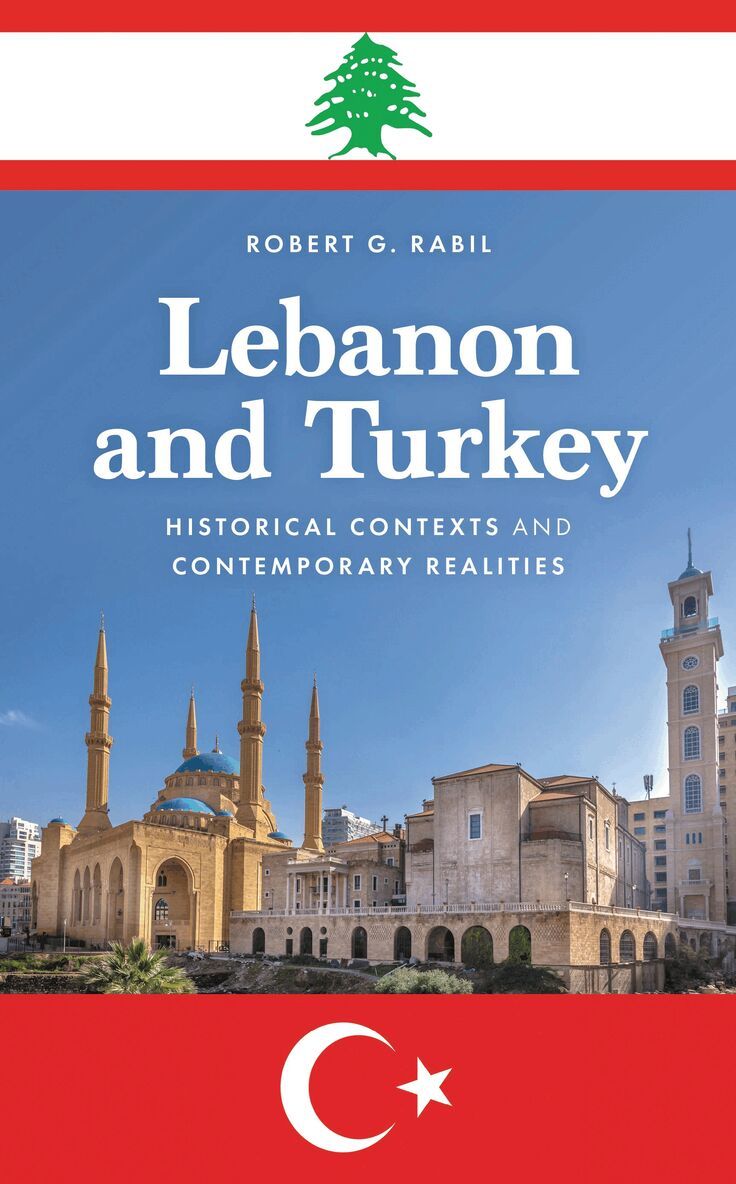
No empire or a regional power has helped mold the socio-political and religious landscape of a country as the Ottoman Empire and its heir (the Republic of Turkey) have helped shape modern Lebanon, yet no contemporary study has examined Lebanon-Turkey relations back to Ottoman rule of Lebanon. As such, the understanding of this historic and contemporaneous relationship is deficient. This text fills this gap, examining patterns and shifts in Lebanon-Turkey relations within the context of regional and international politics from Ottoman rule to Turkey’s AKP-led governments. This comprehensive account of Lebanon-Turkey relations—grounded in layers of cultural, political, demographic, economic, and sectarian complexities and changes across centuries—analyzes the developments and dynamics that have helped shape modern Lebanon and its confessional system and politics. It underscores the misconceptions and lessons learned from this long-term relationship, locating Lebanon-Turkey relations along a historical continuum.
Häftad, Engelska, 2023
458 kr
Skickas inom 10-15 vardagar
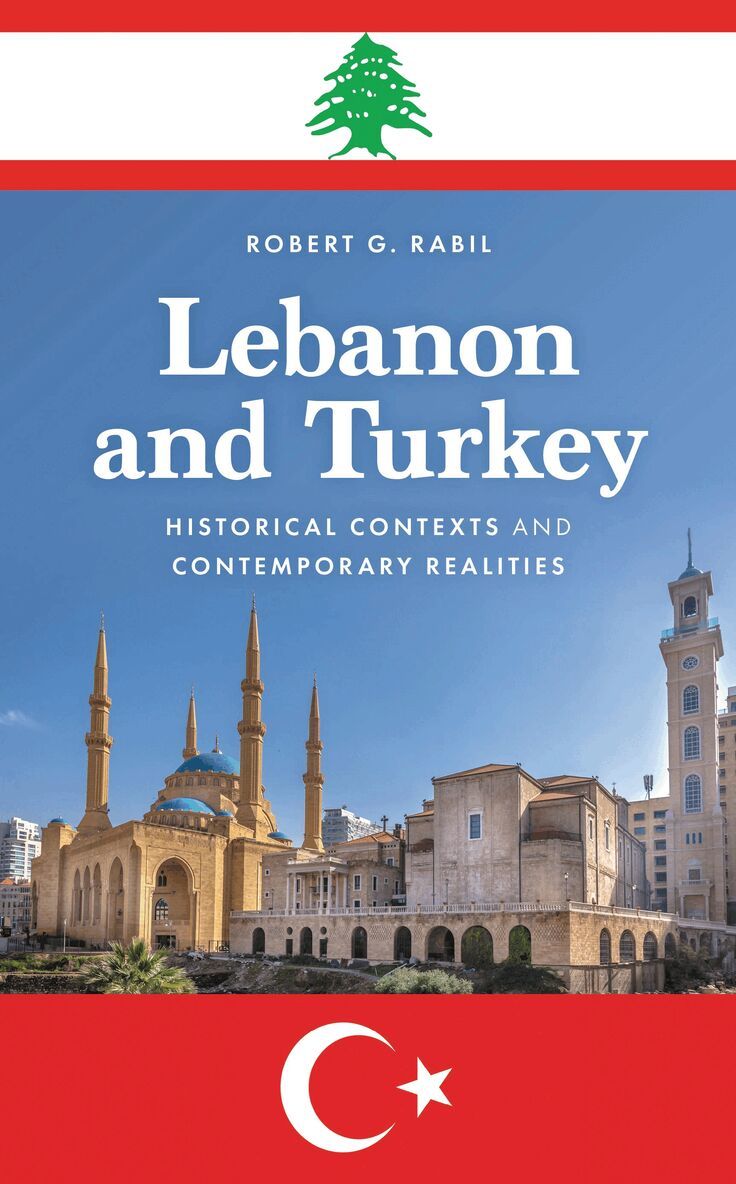
No empire or a regional power has helped mold the socio-political and religious landscape of a country as the Ottoman Empire and its heir (the Republic of Turkey) have helped shape modern Lebanon, yet no contemporary study has examined Lebanon-Turkey relations back to Ottoman rule of Lebanon. As such, the understanding of this historic and contemporaneous relationship is deficient. This text fills this gap, examining patterns and shifts in Lebanon-Turkey relations within the context of regional and international politics from Ottoman rule to Turkey’s AKP-led governments. This comprehensive account of Lebanon-Turkey relations—grounded in layers of cultural, political, demographic, economic, and sectarian complexities and changes across centuries—analyzes the developments and dynamics that have helped shape modern Lebanon and its confessional system and politics. It underscores the misconceptions and lessons learned from this long-term relationship, locating Lebanon-Turkey relations along a historical continuum.