Robert Groves – författare
Visar alla böcker från författaren Robert Groves. Handla med fri frakt och snabb leverans.
7 produkter
Survey Automation
Report and Workshop Proceedings
Av Oversight Committee for the Workshop on Survey Automation, Committee on National Statistics m. fl.
E-bok, 2003
1126 kr
Lägg i varukorg
For over 100 years, the evolution of modern survey methodology—using the theory of representative sampling to make interferences from a part of the population to the whole—has been paralleled by a drive toward automation, harnessing technology and computerization to make parts of the survey process …
Survey Automation
Report and Workshop Proceedings
Av Oversight Committee for the Workshop on Survey Automation, Committee on National Statistics m. fl.
E-bok, 2003
1013 kr
Lägg i varukorg
For over 100 years, the evolution of modern survey methodology—using the theory of representative sampling to make interferences from a part of the population to the whole—has been paralleled by a drive toward automation, harnessing technology and computerization to make parts of the survey process …
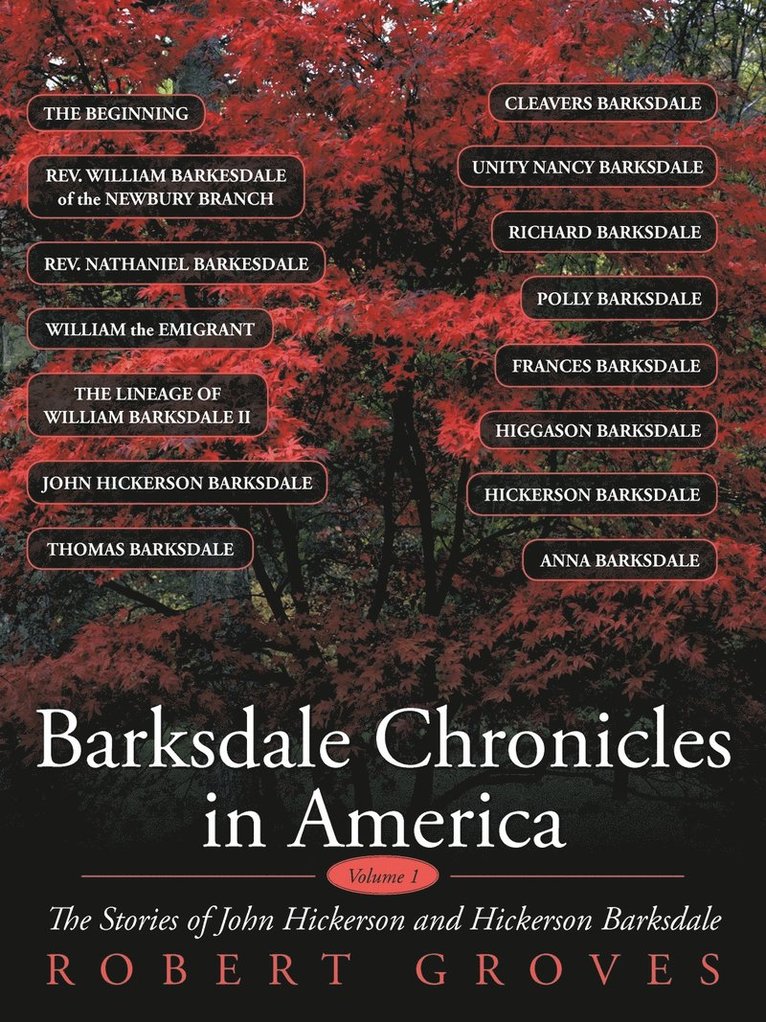
Barksdale Chronicles in America, Vol I
The Stories of John Hickerson and Hickerson Barksdale
Häftad, 2010
232 kr
Lägg i varukorg
Lung Cancer Screening
Av Mark Parker, Robert Groves m. fl.
Häftad, 2017
970 kr
Lägg i varukorg
Lung cancer is the leading cause of cancer-related death among men and women in the U.S. and worldwide. For many decades, lung cancer was the sole cancer among the deadly four without an evidence-based screening method for decreasing mortality. This changed in November 2011, when findings from the …
Lung Cancer Screening
Av Samira Shojaee, Leila Rezai Gharai m. fl.
E-bok, 2017
1396 kr
Lägg i varukorg
Lung cancer is the leading cause of cancer-related death among men and women in the U.S. and worldwide. For many decades, lung cancer was the sole cancer among the deadly four without an evidence-based screening method for decreasing mortality. This changed in November 2011, when findings from the …
Survey Automation
Report and Workshop Proceedings
Av National Research Council, Division of Behavioral and Social Sciences and Education m. fl.
Häftad, 2003
964 kr
Tillfälligt slut
For over 100 years, the evolution of modern survey methodology?using the theory of representative sampling to make interferences from a part of the population to the whole?has been paralleled by a drive toward automation, harnessing technology and computerization to make parts of the survey process …