Robert Krell – författare
373 kr
Skickas inom 10-15 vardagar
59 kr
Läs direkt efter köp
858 kr
Skickas inom 10-15 vardagar
957 kr
Läs direkt efter köp
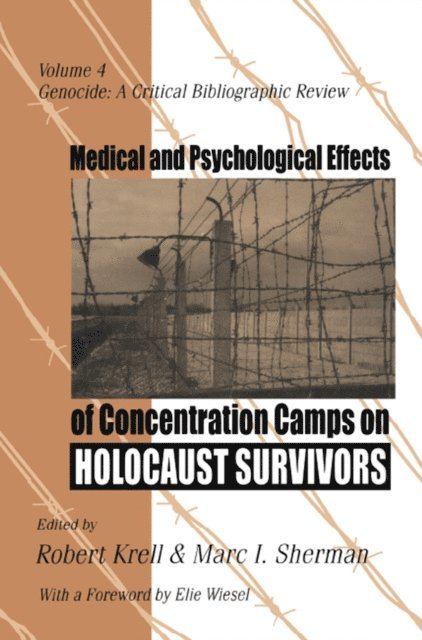
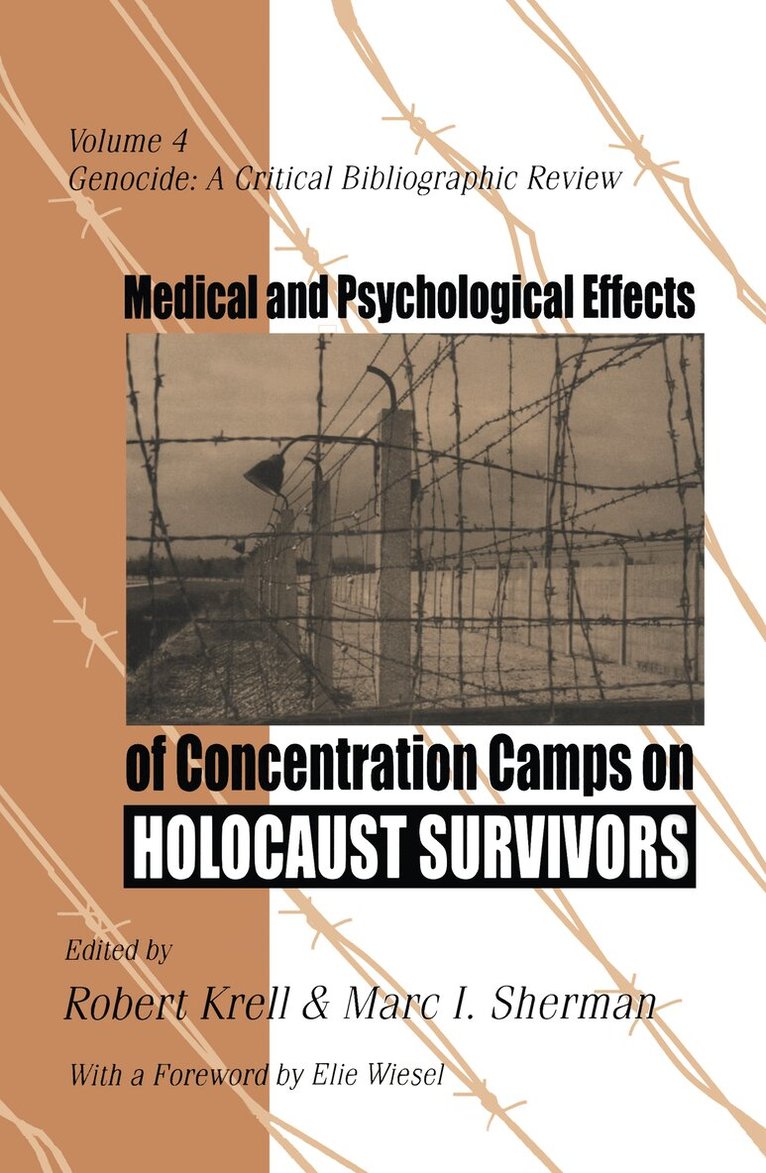
This unique research bibliography is offered in honor of Leo Eitinger of Oslo, Norway. Dr. Eitinger fled to Norway in 1939, at the start of the World War II. He was caught and deported to Auschwitz, where, among others, he operated on Elie Wiesel who has written the foreword to this volume. After the war, Eitinger became a pioneering researcher on a subject from which many shied away. His contributions to understanding of the experience of massive psychological trauma have inspired others to do similar work. His many books and papers are listed in this special volume of the acclaimed bibliographic series edited by Israel W. Charny of The Institute on the Holocaust and Genocide in Jerusalem.
In order to acquaint users of this bibliography with the topic, two introductory articles are offered. The first is titled "Survivors and Their Families" and deals with the impact of the Holocaust on individuals. The second, "Psychiatry and the Holocaust," examines the general impact of the Holocaust on the field of psychiatry. Robert Krell writes that in general the psychiatric literature has reflected critically on the survivor due to preconceived notions held by many mental health professionals. For many years, the exploration of victims'' psychopathology obscured the remarkable adaptation made by some survivors. The problems experienced by survivors and possible approaches to treatment were entirely absent from mainstream psychiatric textbooks such as the Comprehensive Textbook of Psychiatry throughout the 1960s and 1970s.
Fifty years of observations about survivors of the concentration camps and other survivors of the Holocaust (in hiding, as partisans, in slave labor camps) has provided a new body of medical and psychiatric literature. This comprehensive bibliography contains a plethora of references to significant pieces of literature regarding the Holocaust and its effects on survivors. It will be of inestimable value to physicians, psychiatrists, psychologists, and social workers, along with historians, sociologists, and Holocaust studies specialists.
957 kr
Läs direkt efter köp
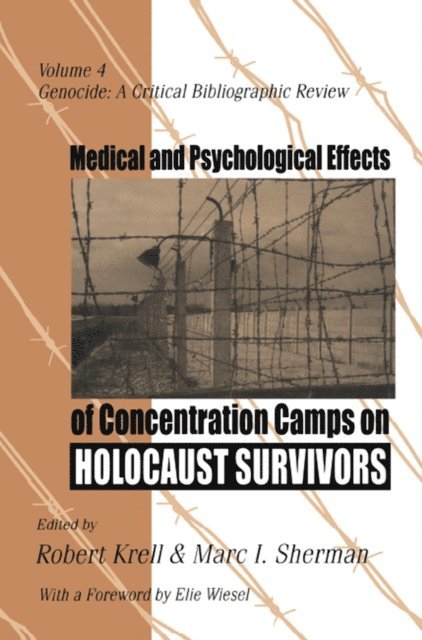
This unique research bibliography is offered in honor of Leo Eitinger of Oslo, Norway. Dr. Eitinger fled to Norway in 1939, at the start of the World War II. He was caught and deported to Auschwitz, where, among others, he operated on Elie Wiesel who has written the foreword to this volume. After the war, Eitinger became a pioneering researcher on a subject from which many shied away. His contributions to understanding of the experience of massive psychological trauma have inspired others to do similar work. His many books and papers are listed in this special volume of the acclaimed bibliographic series edited by Israel W. Charny of The Institute on the Holocaust and Genocide in Jerusalem.
In order to acquaint users of this bibliography with the topic, two introductory articles are offered. The first is titled "Survivors and Their Families" and deals with the impact of the Holocaust on individuals. The second, "Psychiatry and the Holocaust," examines the general impact of the Holocaust on the field of psychiatry. Robert Krell writes that in general the psychiatric literature has reflected critically on the survivor due to preconceived notions held by many mental health professionals. For many years, the exploration of victims'' psychopathology obscured the remarkable adaptation made by some survivors. The problems experienced by survivors and possible approaches to treatment were entirely absent from mainstream psychiatric textbooks such as the Comprehensive Textbook of Psychiatry throughout the 1960s and 1970s.
Fifty years of observations about survivors of the concentration camps and other survivors of the Holocaust (in hiding, as partisans, in slave labor camps) has provided a new body of medical and psychiatric literature. This comprehensive bibliography contains a plethora of references to significant pieces of literature regarding the Holocaust and its effects on survivors. It will be of inestimable value to physicians, psychiatrists, psychologists, and social workers, along with historians, sociologists, and Holocaust studies specialists.
116 kr
Skickas inom 5-8 vardagar
53 kr
Läs direkt efter köp
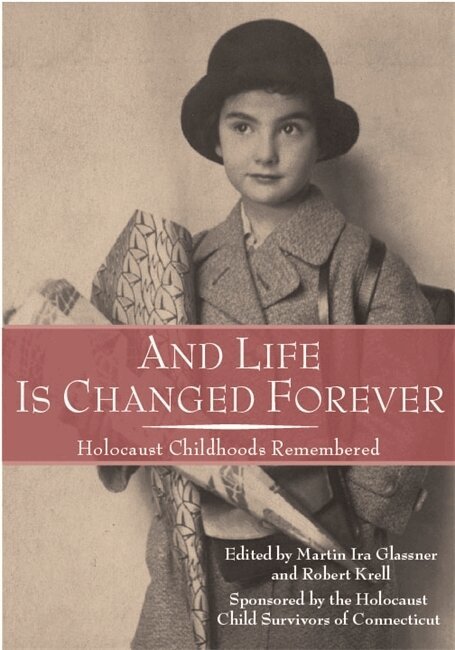
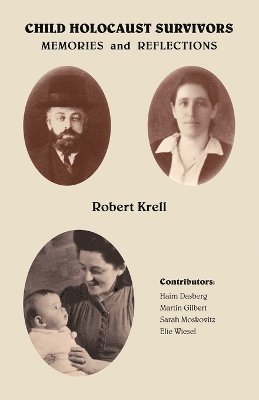
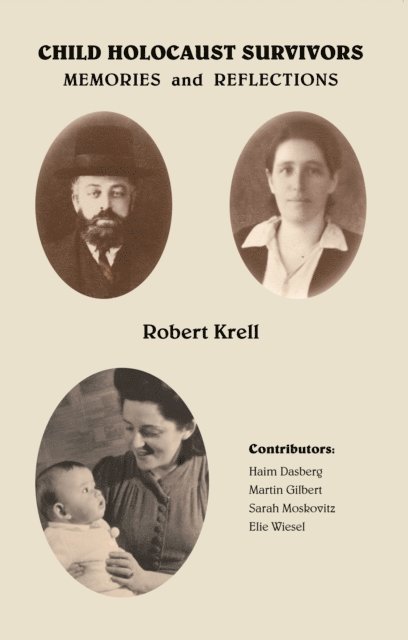
The majority of children who survived the Holocaust, whether in hiding or in labour and concentration camps, remained silent about their wartime experiences.
Those who wanted to talk, were often silenced by well-meaning adults who advised them to forget the past and get on with their lives.
The memories and traumas simmered for nearly forty years, each child growing into adulthood thinking they alone struggled with the problems of traumatic memory, identity confusion and other consequences.
In the 1980''s, there was a stirring of awareness amongst some child survivors about issues to be addressed. Small groups formed in the U.S.A. and Canada and gave birth to the child survivor movement, culminating in a large international gathering of "Hidden Children" in New York in 1991.
This book comprises a compilation of talks offered to child Holocaust survivors, over a 25 year period - from the birth of self-awareness to present day awareness of the need to inform the next generations of their parent''s experiences.
Dasberg, Krell and Wiesel are themselves child survivors. Moskovitz founded the Los Angeles Child Survivor group following her pioneering study of child survivors. Gilbert has written and lectured extensively about children in the Holocaust.
This book offers the child survivor an opportunity to reflect not only on survival but its effects. For the spouses and children it clarifies some of the dynamics unique to their families and for Mental Health professionals it provides insights into the effects of trauma as well as the remarkable resilience of traumatized children.
326 kr
Skickas inom 3-6 vardagar
398 kr
Skickas inom 5-8 vardagar
1 132 kr
Tillfälligt slut