Robert M. Whaples – författare
Visar alla böcker från författaren Robert M. Whaples. Handla med fri frakt och snabb leverans.
6 produkter
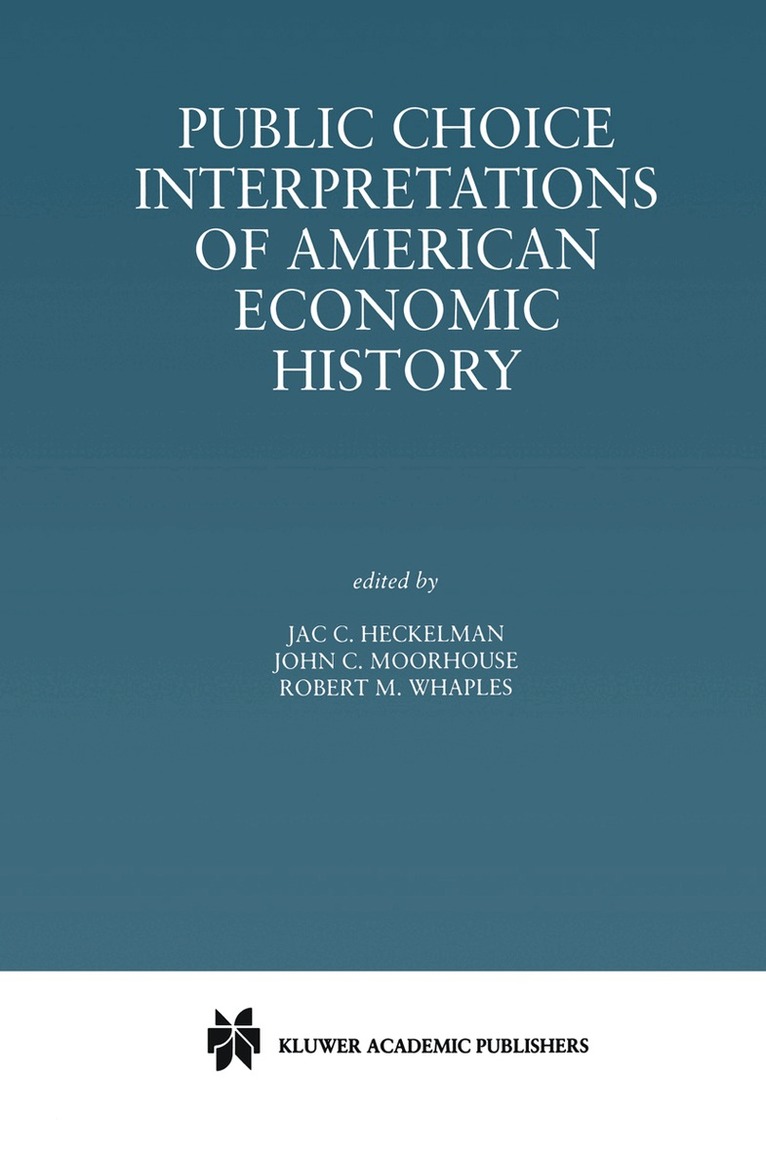
Public Choice Interpretations of American Economic History
Av Jac. C. Heckelman, John C. Moorhouse m. fl.
Inbunden, 1999
1095 kr
Lägg i varukorg
Jac C. Heckelman, John C. Moorhouse and Robert Whaples The eight chapters of this volume are revised versions of papers originally presented at the "Applications of Public Choice Theory to Economic History" conference held at Wake Forest University, April 9-10, 1999. They all apply the tools of …
Public Choice Interpretations of American Economic History
Av Jac. C. Heckelman, John C. Moorhouse m. fl.
Häftad, 2012
1095 kr
Lägg i varukorg
Jac C. Heckelman, John C. Moorhouse and Robert Whaples The eight chapters of this volume are revised versions of papers originally presented at the "Applications of Public Choice Theory to Economic History" conference held at Wake Forest University, April 9-10, 1999. They all apply the tools of …
Public Choice Interpretations of American Economic History
Av Robert M. Whaples, John C. Moorhouse m. fl.
E-bok, 2012
1459 kr
Lägg i varukorg
Jac C. Heckelman, John C. Moorhouse and Robert Whaples The eight chapters of this volume are revised versions of papers originally presented at the "Applications of Public Choice Theory to Economic History" conference held at Wake Forest University, April 9-10, 1999. They all apply the tools of …
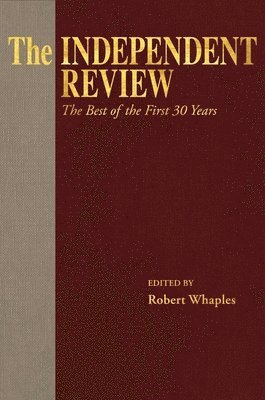
Independent Review
The Best of the First 30 Years
Inbunden, 2026
387 kr
Lägg i varukorg
Celebrate 30 years of The Independent Review: A Journal of Political Economy with the acclaimed magazine's highest caliber scholarship by some of the world's leading experts. For over thirty years, The Independent Review has been a beacon of clear, fearless, and wide-ranging scholarshipbringing …
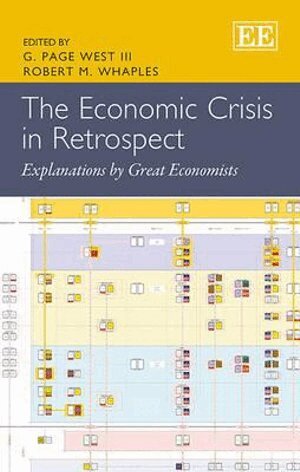
Economic Crisis in Retrospect
Explanations by Great Economists
Av G. Page West III, Robert M. Whaples
Inbunden, 2013
1793 kr
Lägg i varukorg
As the United States continues its slow recovery from the global financial crisis of 2008, politicians, policymakers and academics are increasingly turning to the lessons of history to gain insight into how we might address both current and future economic challenges. This volume offers …
Economic Crisis in Retrospect
Explanations by Great Economists
Av Robert M. Whaples, G. Page West III
E-bok, 2013
472 kr
Lägg i varukorg
As the United States continues its slow recovery from the global financial crisis of 2008, politicians, policymakers and academics are increasingly turning to the lessons of history to gain insight into how we might address both current and future economic challenges. This volume offers …