Robert Phillips – författare
270 kr
Skickas inom 3-6 vardagar
514 kr
Läs direkt efter köp
514 kr
Läs direkt efter köp
602 kr
Skickas inom 5-8 vardagar
2 215 kr
Skickas inom 5-8 vardagar
524 kr
Skickas inom 10-15 vardagar
619 kr
Skickas inom 10-15 vardagar
2 511 kr
Skickas inom 10-15 vardagar
626 kr
Skickas inom 5-8 vardagar
542 kr
Skickas inom 10-15 vardagar
396 kr
Skickas inom 5-8 vardagar
165 kr
Skickas inom 7-10 vardagar
266 kr
Skickas inom 10-15 vardagar
446 kr
Skickas
436 kr
Skickas inom 5-8 vardagar
322 kr
Skickas inom 5-8 vardagar
1 120 kr
Skickas inom 10-15 vardagar
328 kr
Skickas inom 10-15 vardagar
471 kr
Skickas inom 5-8 vardagar
385 kr
Skickas inom 5-8 vardagar
243 kr
Skickas inom 5-8 vardagar
727 kr
Läs direkt efter köp
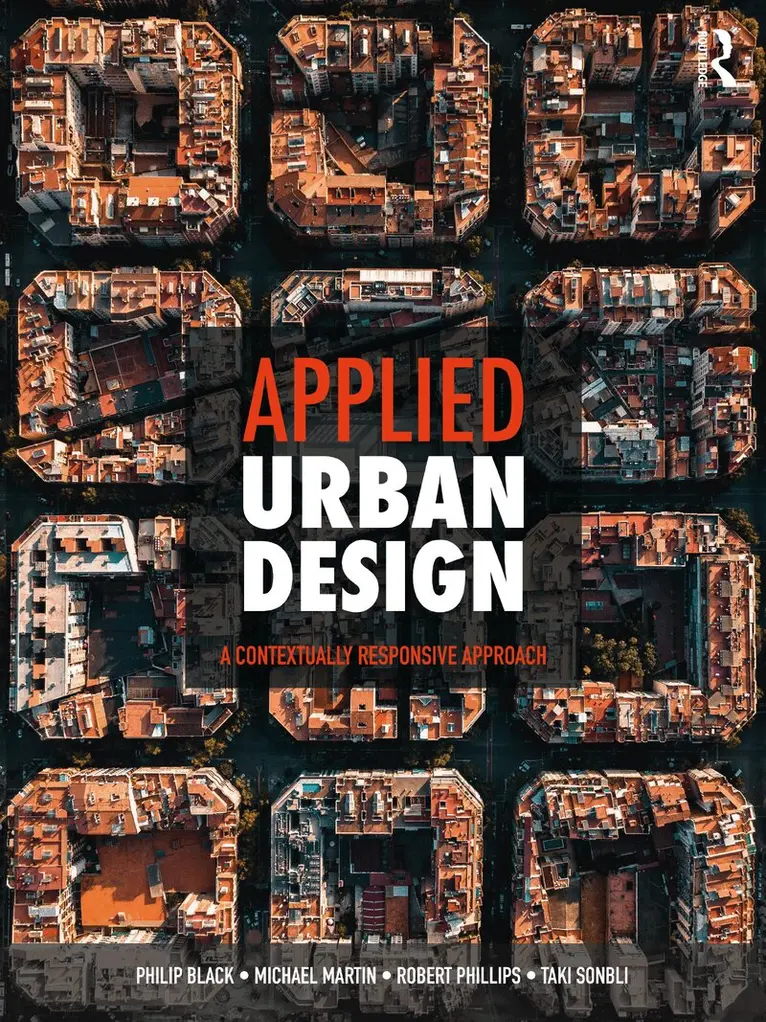
Applied Urban Design combines ''why'' we design and ''who'' we design for, with ''how'' we design, by providing the reader with a comprehensive and accessible bespoke framework for both understanding and practicing urban design in a contextually responsive manner from appraisal to design delivery. The framework is presented across four distinct steps, covering analysis at strategic and local scales; the urban design program; design development; and technical design. The authors unpack the functional blueprints, liveable qualities, contextual dynamics, and technical components of quality urban design, identifying the role of urban designers in shaping spaces and places across differing local contexts through a responsive and multiscalar approach. International best practice examples and two original ‘live’ case studies in Aalborg, Denmark and Manchester, UK demonstrate the application of the framework across differing scales and contexts – each supported by authors own images and graphics that illustrate the broad range of urban design visualisation techniques and methods.
Visually compelling and insightful, Applied Urban Design is for all who seek to understand, demand, and create people-centred, high-quality, contextually responsive places and spaces.
727 kr
Läs direkt efter köp
Applied Urban Design combines ''why'' we design and ''who'' we design for, with ''how'' we design, by providing the reader with a comprehensive and accessible bespoke framework for both understanding and practicing urban design in a contextually responsive manner from appraisal to design delivery. The framework is presented across four distinct steps, covering analysis at strategic and local scales; the urban design program; design development; and technical design. The authors unpack the functional blueprints, liveable qualities, contextual dynamics, and technical components of quality urban design, identifying the role of urban designers in shaping spaces and places across differing local contexts through a responsive and multiscalar approach. International best practice examples and two original ‘live’ case studies in Aalborg, Denmark and Manchester, UK demonstrate the application of the framework across differing scales and contexts – each supported by authors own images and graphics that illustrate the broad range of urban design visualisation techniques and methods.
Visually compelling and insightful, Applied Urban Design is for all who seek to understand, demand, and create people-centred, high-quality, contextually responsive places and spaces.
605 kr
Läs direkt efter köp
605 kr
Läs direkt efter köp
1 312 kr
Skickas inom 10-15 vardagar
720 kr
Skickas inom 5-8 vardagar
267 kr
Skickas inom 5-8 vardagar
396 kr
Läs direkt efter köp
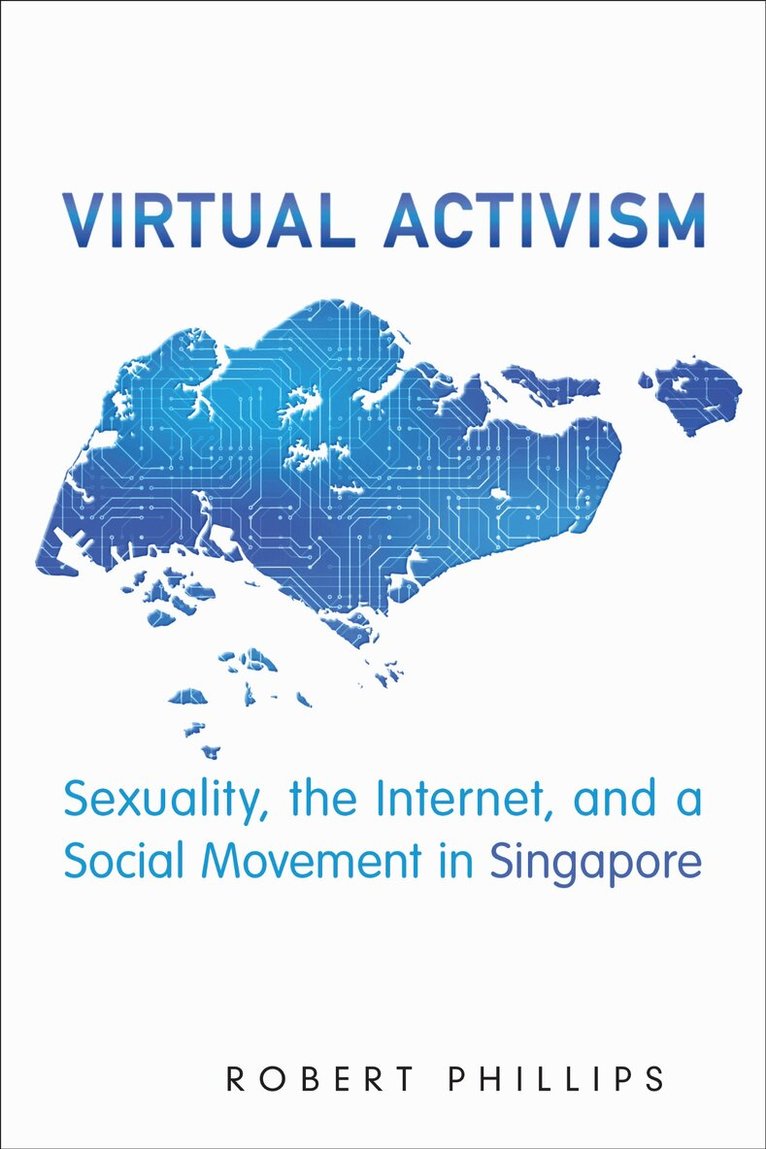
In Virtual Activism: Sexuality, the Internet, and a Social Movement in Singapore, cultural anthropologist Robert Phillips provides a detailed, yet accessible, ethnographic case study that looks at the changes in LGBT activism in Singapore in the period 1993-2019. Based on extensive fieldwork conducted with activist organizations and individuals, Phillips illustrates key theoretical ideas – including illiberal pragmatics and neoliberal homonormativity – that, in combination with the introduction of the Internet, have shaped the manner by which LGBT Singaporeans are framing and subsequently claiming rights.
Phillips argues that the activism engaged in by LGBT Singaporeans for governmental and societal recognition is in many respects virtual. His analysis documents how the actions of activists have resulted in some noteworthy changes in the lives of LGBT Singaporeans, but nothing as grand as some would have hoped, thus indexing the "not quite" aspect of the virtual. Yet, Virtual Activism also demonstrates how these actions have encouraged LGBT Singaporeans to fight even harder for their rights, signalling the "possibilities" that the virtual holds.