Robert Risse – författare
529 kr
Skickas inom 10-15 vardagar
351 kr
Läs direkt efter köp
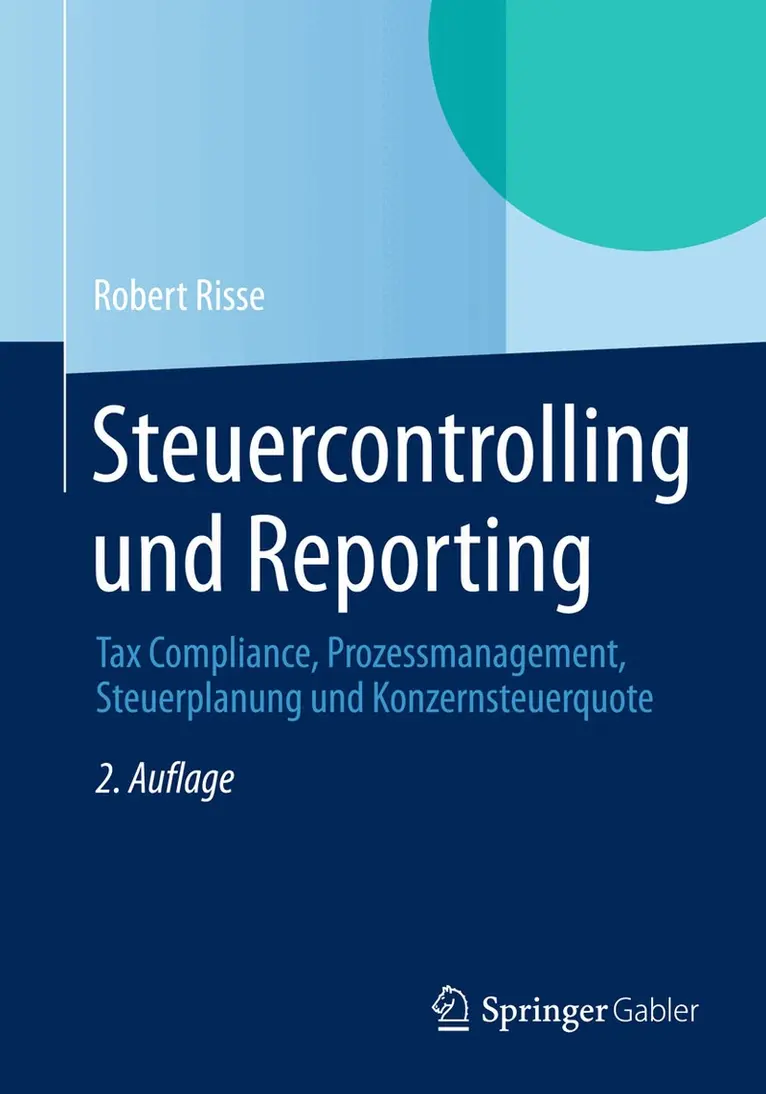
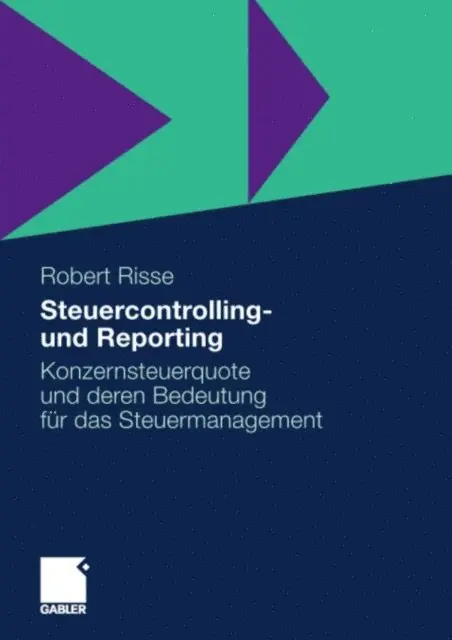
Steuerplanung und sog. Steuerliche Compliance sind für Unternehmen von enormer Bedeutung. Der Einfluss von Steuern als Kostenposition auf die Unternehmensergebnisse ist hoch. Damit werden die Kosten für die Befolgung steuerlicher Vorschriften, eben die Tax Compliance, die Beratung, die Steuerplanung und ein steueroptimales Controlling immer wichtiger. Im Bereich zwischen komplexem Steuerrecht, deren gesetzesgemäße Befolgung und kennzahlenorientiertem Controlling ergeben sich zahlreiche Fallstricke, welche der Berater kennen muss. Mit zahlreichen Beispielen und Lösungen für die Praxis, mit konkreten Ansätzen zur Tax Compliance sowie einem vollständigen Kennzahlenbaum zum Download im Online-Bereich zum Buch.
908 kr
Skickas inom 3-6 vardagar
478 kr
Läs direkt efter köp
656 kr
Skickas inom 3-6 vardagar
1 136 kr
Skickas inom 5-8 vardagar
960 kr
Läs direkt efter köp
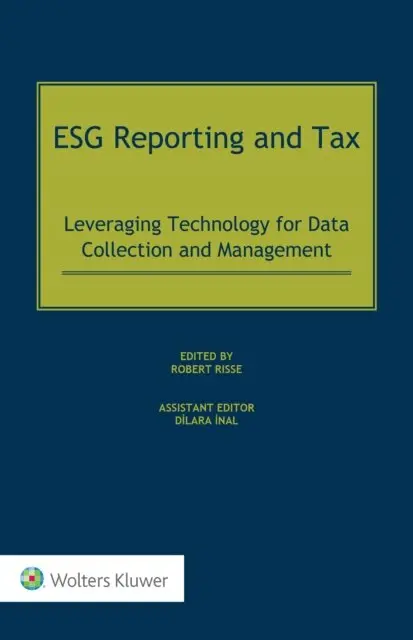
New technologies are changing the way that tax administrations, taxpayers and their advisers interact, leading to a reduction in the compliance cost for taxpayers, a level playing field for large and small businesses, and fewer opportunities to engage in aggressive tax practices. Although entering a new world where processes are supported by machines inevitably disrupts traditional ways of working, the contributors to this indispensable book reveal the enormous potential of ‘tax technology’ to positively transform tax compliance, clearly showing both government and business how to manage the transition from the old to the new.
With detailed treatment of the technology available in the tax field, the authors describe how to secure its benefits in such ways as the following:
electronic balance sheets and invoices; automated transmission to tax authorities; innovative analytics applications; blockchain in tax law processes; process mining in VAT; real-time reporting with cryptography; and meeting the challenges to taxpayers’ rights to privacy and personal data protection.The contributions draw on an international conference held under the auspices of the Digital Economy Taxation Network at the Vienna University of Economics and Business in December 2020.
The perspective throughout focuses on how to achieve better tax compliance at a lower cost. For this reason, this full-scale, practical guide on how to adapt tax law to new technologies and how to apply tax tech processes in practice will be welcomed by tax practitioners, tax administrations, and academics across the entire tax community.
960 kr
Läs direkt efter köp
New technologies are changing the way that tax administrations, taxpayers and their advisers interact, leading to a reduction in the compliance cost for taxpayers, a level playing field for large and small businesses, and fewer opportunities to engage in aggressive tax practices. Although entering a new world where processes are supported by machines inevitably disrupts traditional ways of working, the contributors to this indispensable book reveal the enormous potential of ‘tax technology’ to positively transform tax compliance, clearly showing both government and business how to manage the transition from the old to the new.
With detailed treatment of the technology available in the tax field, the authors describe how to secure its benefits in such ways as the following:
electronic balance sheets and invoices; automated transmission to tax authorities; innovative analytics applications; blockchain in tax law processes; process mining in VAT; real-time reporting with cryptography; and meeting the challenges to taxpayers’ rights to privacy and personal data protection.The contributions draw on an international conference held under the auspices of the Digital Economy Taxation Network at the Vienna University of Economics and Business in December 2020.
The perspective throughout focuses on how to achieve better tax compliance at a lower cost. For this reason, this full-scale, practical guide on how to adapt tax law to new technologies and how to apply tax tech processes in practice will be welcomed by tax practitioners, tax administrations, and academics across the entire tax community.
2 380 kr
Läs direkt efter köp
2 380 kr
Läs direkt efter köp
1 225 kr
Skickas inom 5-8 vardagar
1 028 kr
Läs direkt efter köp
Tax tech companies are rapidly gaining ground as global tax advisory firms, and are set to fundamentally change and revolutionize the way tax administrations, taxpayers, and their advisers interact, ushering in a much more efficient and effective integration of tax services into the processes used by both taxpayers and tax authorities. The distinguished contributors to this book clearly explain not only how tax law can be revised to promote digitization and speed up its implementation but also how to achieve better tax compliance and administration at a lower cost.
The authors cover such aspects of this veritable paradigm shift in tax management as the following:
how new technologies improve existing VAT/GST systems;
uses of artificial intelligence;
secured certification of taxpayers;
electronic invoices;
securing real-time reporting with cryptography;
taxing virtual currencies;
enhanced personal data protection;
fewer opportunities to engage in aggressive tax practices;
competitive advantage in attracting investment;
work-flow assessment; and
more opportunities for information flows and collaboration.
Because the perspective as to what is meant by tax compliance is already overlaid by technological pressure—as indicated especially by BEPS 1.0’s domestic tax law initiatives and its recommendations of newly developed options to secure full transparency of tax processes—it is clear that controls and tax risk management are on the rise and that systems will become more digitized. For these reasons, professionals in the tax advisory industry and tax authority officials will welcome this book’s sound and practical measures leading to progress and revitalization through digital transformation.

1 028 kr
Läs direkt efter köp
Tax tech companies are rapidly gaining ground as global tax advisory firms, and are set to fundamentally change and revolutionize the way tax administrations, taxpayers, and their advisers interact, ushering in a much more efficient and effective integration of tax services into the processes used by both taxpayers and tax authorities. The distinguished contributors to this book clearly explain not only how tax law can be revised to promote digitization and speed up its implementation but also how to achieve better tax compliance and administration at a lower cost.
The authors cover such aspects of this veritable paradigm shift in tax management as the following:
how new technologies improve existing VAT/GST systems;
uses of artificial intelligence;
secured certification of taxpayers;
electronic invoices;
securing real-time reporting with cryptography;
taxing virtual currencies;
enhanced personal data protection;
fewer opportunities to engage in aggressive tax practices;
competitive advantage in attracting investment;
work-flow assessment; and
more opportunities for information flows and collaboration.
Because the perspective as to what is meant by tax compliance is already overlaid by technological pressure—as indicated especially by BEPS 1.0’s domestic tax law initiatives and its recommendations of newly developed options to secure full transparency of tax processes—it is clear that controls and tax risk management are on the rise and that systems will become more digitized. For these reasons, professionals in the tax advisory industry and tax authority officials will welcome this book’s sound and practical measures leading to progress and revitalization through digital transformation.