Robert Schehr - Böcker
Visar alla böcker från författaren Robert Schehr. Handla med fri frakt och snabb leverans.
4 produkter
4 produkter
697 kr
Skickas inom 10-15 vardagar
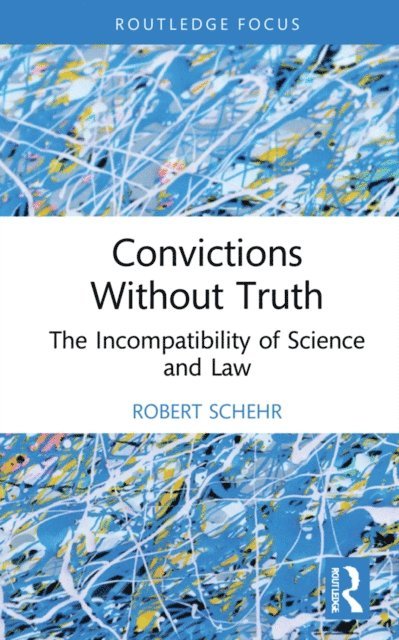
Convictions Without Truth sets out to determine whether and to what extent science and law may coexist in an institutional relationship that truthfully generates individualization through application of forensic testimony for charges relating to violations of criminal law.In the first two chapters, readers are exposed to contemporary unscientific forensic practices as juxtaposed to the evidentiary standard announced by the United States Supreme Court in Daubert v. Merrill Dow Pharmaceuticals, as well as scientific requirements for validity and reliability of expert witness testimony. The remaining chapters provide an explanation for retention of existing, though faulty, forensic practices by way of analysis of path dependency, the fixation of belief, and neuro and cognitive psychology. Through immanent critique and unmasking, the book deconstructs prevailing forensic practices through application of existing published documentation. The final chapter addresses the fixation of belief from the perspective of neuropsychology and cognitive psychology. Readers will gain an understanding of the current concerns relating to application of contemporary forensic practices; current case law and federal rules guiding the introduction of expert witness testimony; and why it is that despite widely recognized concerns raised from within and outside of the criminal legal system, application of unscientific forensic practices continues. The book also shows how the criminal legal system is experiencing a paradigm shift due to dialectical juxtaposition of existing unscientific forensic practices with contemporary science. Readers are shown that because of its continued reliance upon unscientific forensic practices, the criminal legal system reveals its hegemonic commitment to social control through its willingness to accept "satisfying" as opposed to "truthful" results that generate wrongful convictions. Convictions Without Truth will be of particular interest to students, academics, and practitioners working within the criminal legal field. It will also appeal to those wanting to know more about forensics and criminal law.
270 kr
Skickas inom 10-15 vardagar
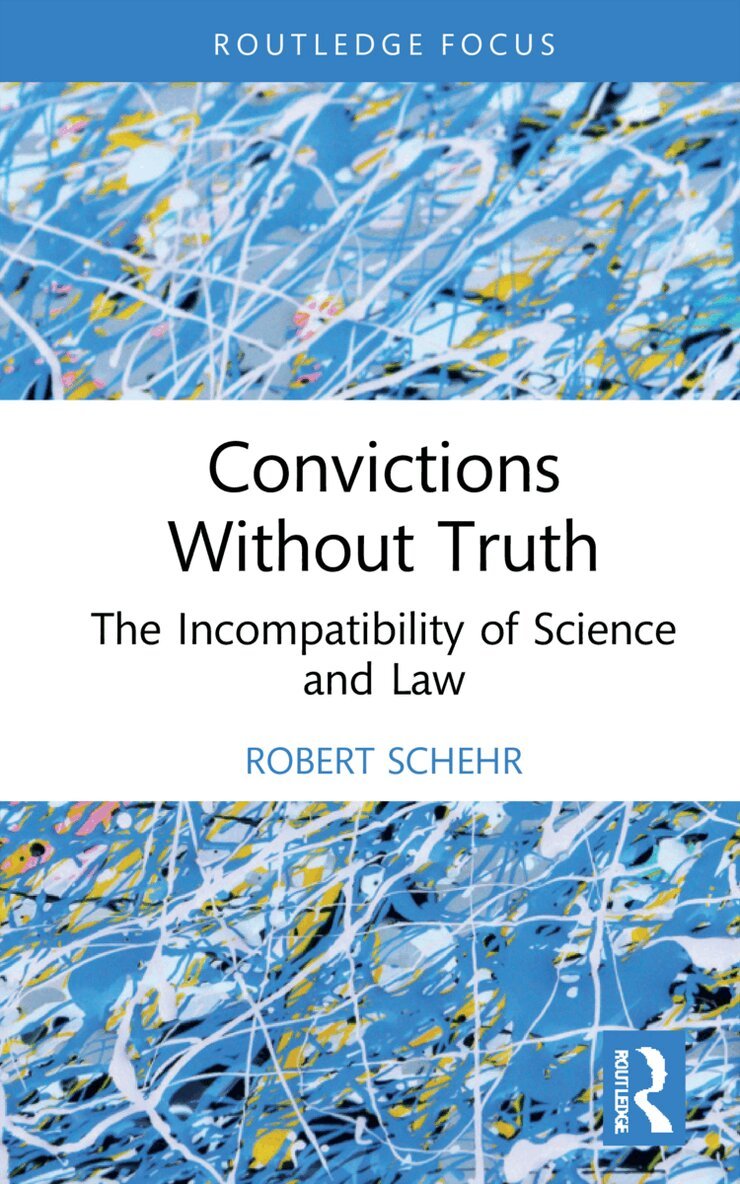
Convictions Without Truth sets out to determine whether and to what extent science and law may coexist in an institutional relationship that truthfully generates individualization through application of forensic testimony for charges relating to violations of criminal law.In the first two chapters, readers are exposed to contemporary unscientific forensic practices as juxtaposed to the evidentiary standard announced by the United States Supreme Court in Daubert v. Merrill Dow Pharmaceuticals, as well as scientific requirements for validity and reliability of expert witness testimony. The remaining chapters provide an explanation for retention of existing, though faulty, forensic practices by way of analysis of path dependency, the fixation of belief, and neuro and cognitive psychology. Through immanent critique and unmasking, the book deconstructs prevailing forensic practices through application of existing published documentation. The final chapter addresses the fixation of belief from the perspective of neuropsychology and cognitive psychology. Readers will gain an understanding of the current concerns relating to application of contemporary forensic practices; current case law and federal rules guiding the introduction of expert witness testimony; and why it is that despite widely recognized concerns raised from within and outside of the criminal legal system, application of unscientific forensic practices continues. The book also shows how the criminal legal system is experiencing a paradigm shift due to dialectical juxtaposition of existing unscientific forensic practices with contemporary science. Readers are shown that because of its continued reliance upon unscientific forensic practices, the criminal legal system reveals its hegemonic commitment to social control through its willingness to accept "satisfying" as opposed to "truthful" results that generate wrongful convictions. Convictions Without Truth will be of particular interest to students, academics, and practitioners working within the criminal legal field. It will also appeal to those wanting to know more about forensics and criminal law.
1 800 kr
Skickas inom 10-15 vardagar
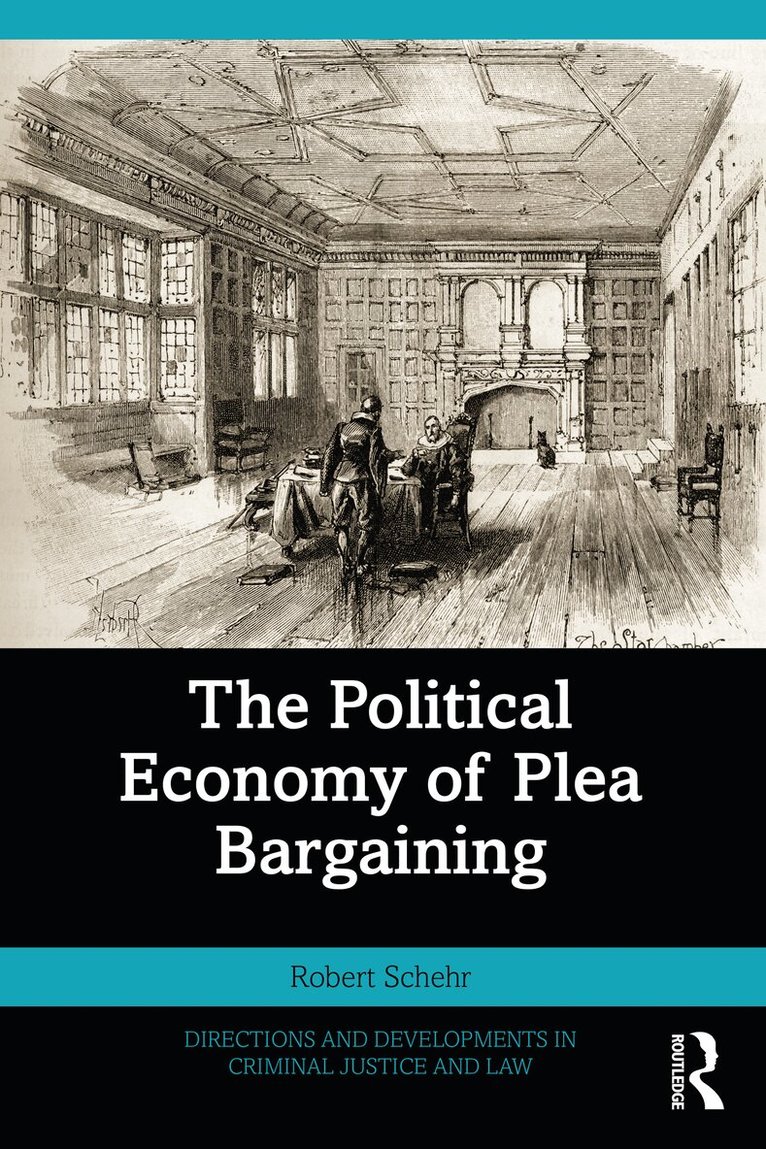
The Political Economy of Plea Bargaining provides the political, economic, and cultural context for understanding the evolution of plea bargaining as a juridical technology implemented to ensure the efficient administration of violations of criminal law.Across two parts, this book contends that the confluence of political, economic, and cultural factors necessary to enhance the legal preservation of the slave system and white supremacy spatiotemporally coincided with burgeoning Northern industrial capitalism and the liberty of contract doctrine, and that each was contextualized within hegemonic liberal republican ideology out of which grew the implementation of an efficient technology of juridical control achieving normative legal status – plea bargaining. It argues that, as with their predecessors, contemporary actors operating within the criminal legal system and who are responsible for administering plea bargaining are perpetuating a system reproducing a steering mechanism that historically constitutes a through line from Reconstruction to the present day. Following Von Mises, these actors serve as useful innocents, modern-day confused and misguided sympathizers. They are juridical actors who inherited and are perpetuating a system of conflict resolution that serves to maintain a form of social control uniquely situated to historically relevant political, economic, and cultural power in the United States.The Political Economy of Plea Bargaining will be important reading for legal and social science academics researching and practicing within the field of criminal law and procedure. It will also act as a valuable guide to the debates surrounding plea bargaining for students with a keen interest in criminal law.
493 kr
Skickas inom 10-15 vardagar
The Political Economy of Plea Bargaining provides the political, economic, and cultural context for understanding the evolution of plea bargaining as a juridical technology implemented to ensure the efficient administration of violations of criminal law.Across two parts, this book contends that the confluence of political, economic, and cultural factors necessary to enhance the legal preservation of the slave system and white supremacy spatiotemporally coincided with burgeoning Northern industrial capitalism and the liberty of contract doctrine, and that each was contextualized within hegemonic liberal republican ideology out of which grew the implementation of an efficient technology of juridical control achieving normative legal status – plea bargaining. It argues that, as with their predecessors, contemporary actors operating within the criminal legal system and who are responsible for administering plea bargaining are perpetuating a system reproducing a steering mechanism that historically constitutes a through line from Reconstruction to the present day. Following Von Mises, these actors serve as useful innocents, modern-day confused and misguided sympathizers. They are juridical actors who inherited and are perpetuating a system of conflict resolution that serves to maintain a form of social control uniquely situated to historically relevant political, economic, and cultural power in the United States.The Political Economy of Plea Bargaining will be important reading for legal and social science academics researching and practicing within the field of criminal law and procedure. It will also act as a valuable guide to the debates surrounding plea bargaining for students with a keen interest in criminal law.