
Robert Thomas Fallon – författare
Visar alla böcker från författaren . Handla med fri frakt och snabb leverans.
4 produkter
4 produkter
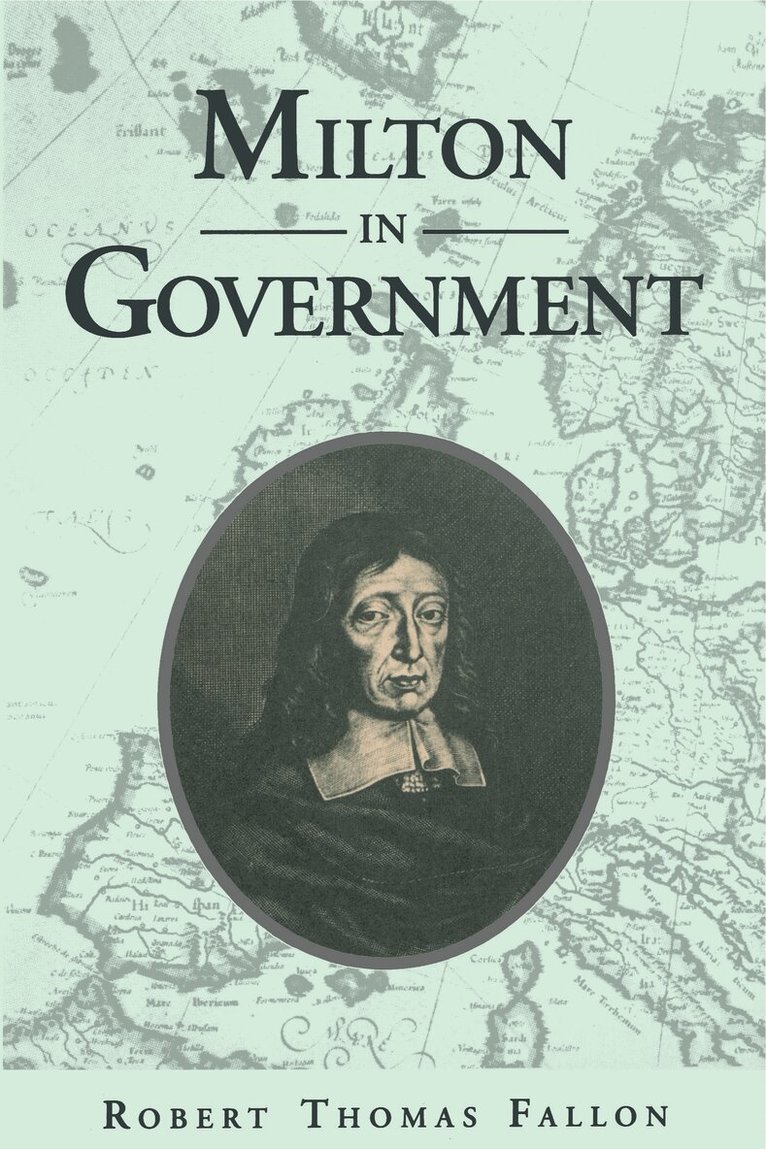
Häftad, Engelska, 1993
794 kr
Skickas inom 5-8 vardagar
For students of the poet, Robert Fallon's Milton in Government fills a gap in modern knowledge of his life, the ten years he labored as Secretary for Foreign Languages to the English Republic. For Interregnum historians, the book offers a study of the international affairs of the Republic from a unique perspective, as well as a detailed analysis of the government bureaucracy that conceived and articulated foreign policy during the 1650s. Milton's decade of public service to the English Republic, and the collection of State Papers which are the product of those years, have been either misunderstood or largely ignored by Miltonists, and their influence upon his poetry all but dismissed. Making extensive use of the State Papers Foreign in the Public Record Office, hitherto overlooked by literary scholars, and the Calendar of State Papers Domestic, Fallon offers the first definitive description of the poet's place in government. He finds Milton to be an indefatigable and highly knowledgeable public servant, closely involved in the expression of foreign policy, and responsible for many more documents than have been previously ascribed to him. His State Letters reveal him as a man intimately aware of international events, a consideration which leaves little doubt that his experience in government had a significant influence on his creative imagination. Fallon also provides a reading of Milton's tracts of 1659–1660, tracing the influence of a decade of public service in his political philosophy and questioning historians' conclusions that he was repudiating Cromwell's Protectorate in his appeal to stave off the Restoration.
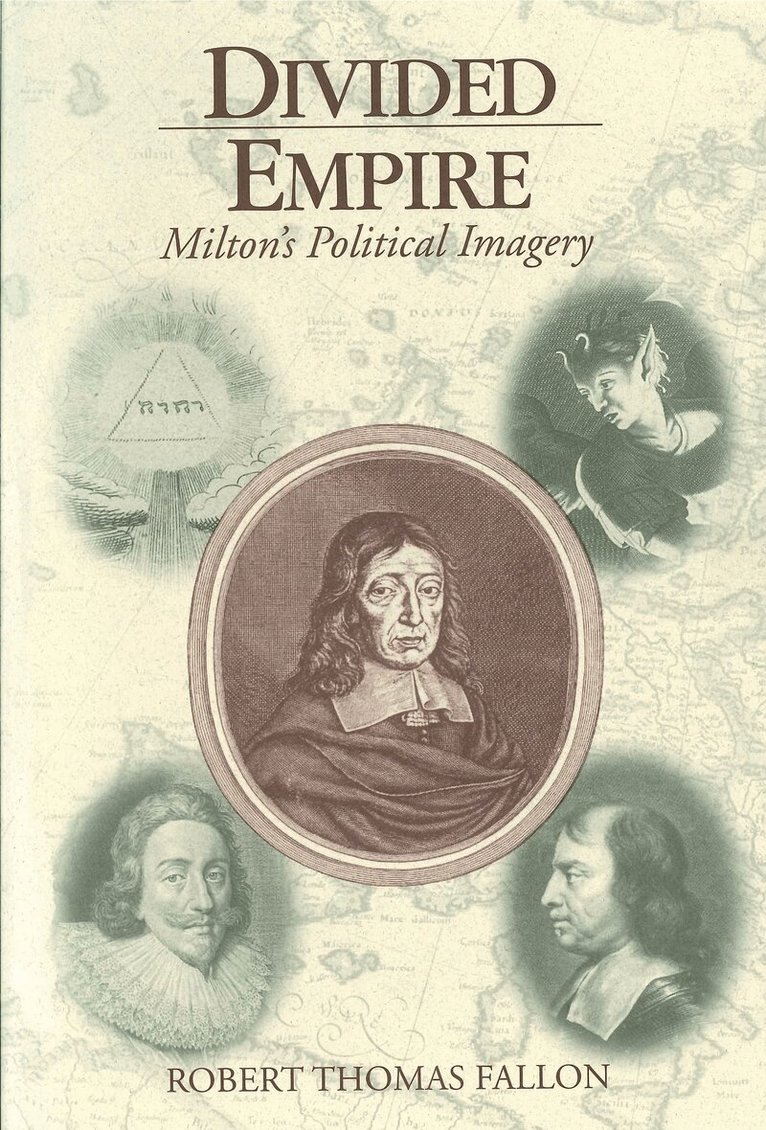
Häftad, Engelska, 1995
671 kr
Skickas inom 5-8 vardagar
In Divided Empire, Robert T. Fallon examines the influence of John Milton's political experience on his great poems: Paradise Lost, Paradise Regained, and Samson Agonistes. This study is a natural sequel to Fallon's previous book, Milton in Government, which examined Milton's decade of service as Secretary for Foreign Languages to the English Republic.Milton's works are crowded with political figures—kings, counselors, senators, soldiers, and envoys—all engaged in a comparable variety of public acts—debate, decree, diplomacy, and warfare—in a manner similar to those who exercised power on the world stage during his time in public office. Traditionally, scholars have cited this imagery for two purposes: first, to support studies of the poet's political allegiances as reflected in his prose and his life; and, second, to demonstrate that his works are sympathetic to certain ideological positions popular in present times.Fallon argues that Paradise Lost is not a political testament, however, and to read its lines as a critique of allegiances and ideologies outside the work is limit the range and scope of critical inquiry and to miss the larger purpose of the political imagery within the poem. That imagery, the author proposes, like that of all Milton's later works, serves to illuminate the spiritual message, a vision of the human soul caught up in the struggle between vast metaphysical forces of good and evil. Fallon seeks to enlarge the range of critical inquiry by assessing the influence of personal and historical events upon art, asking, as he puts it, "not what the poetry says about the events, but what the events say about the poetry." Divided Empire probes, not Milton's judgment on his sources, but the use he made of them.
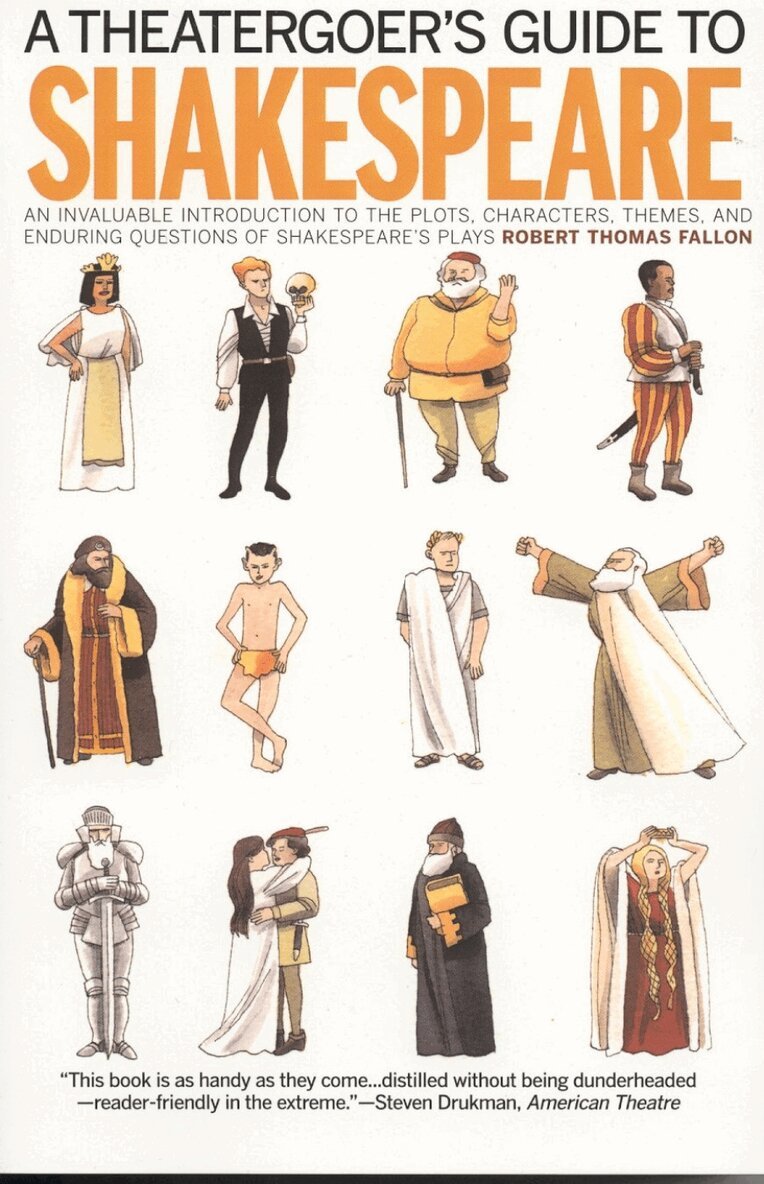
Häftad, Engelska, 2003
244 kr
Skickas inom 10-15 vardagar
In surveys of the plays that will help readers and viewers follow the action with ease and understanding, Robert Fallon opens a window to Shakespeare's time while illuminating the timelessness of his works. Mr. Fallon examines the most frequently staged plays scene by scene, and those less frequently performed act by act. He provides intelligent readers with incisive and engaging commentary on character, theme, setting, poetry, and stage history. Wonderfully reader-friendly. —William Kerrigan, University of Massachusetts at Amherst
Inbunden, Engelska, 2004
213 kr
Skickas inom 10-15 vardagar
Readers and playgoers who are new to Shakespeare (and even more seasoned veterans who would like to appreciate him more than they do) often find themselves puzzled: what is going on? His characters speak in verse rather than in the patterns of everyday speech. They are figures that ordinary humans seldom encounter—kings, queens, dukes, cardinals, and generals. Some of the plays are set in places even the most seasoned traveler is unlikely to have visited—Bohemia, Illyria, and the ancient Greek cities of Asia Minor—and in times from the distant past—imperial Rome, medieval Venice, Homer's Troy. What's more, the plots pursue events that seemingly have little to do with the daily round of modern lives—contention for a royal crown, assassination, shipwreck, occult visitation. Robert Fallon's small book is designed to dispel some of this apparent strangeness. It shows readers that what may at first seem unfamiliar to them is in fact close to their own lives. Kings and queens emerge as recognizable fathers and mothers, dukes and earls as squabbling siblings of any era. Exotic locales might be any present-day village or city block. And the plots resemble stories to be found in the pages of our morning newspaper. Shakespeare's language takes some getting used to, but even a brief acquaintance with its cadence and imagery will offer a glimpse of its glories. In How to Enjoy Shakespeare, Mr. Fallon explores Shakespeare's familiarity in five sections dealing with language, theme, staging, character, and plot, each abundantly illustrated with episodes and quotations from the plays. He writes in easily accessible prose in a book designed to make modern readers and audiences feel comfortable with the Bard.