Robert W. Jensen - Böcker
Visar alla böcker från författaren Robert W. Jensen. Handla med fri frakt och snabb leverans.
3 produkter
3 produkter
363 kr
Skickas inom 5-8 vardagar
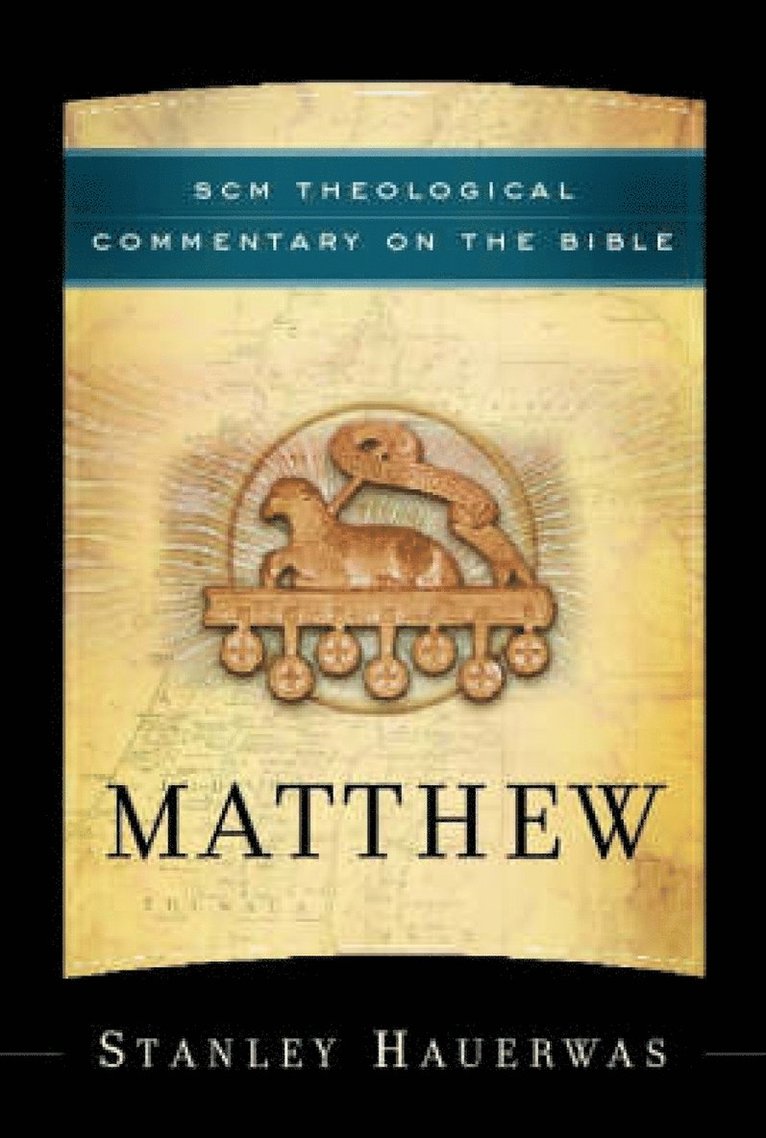
Matthew brings the stimulating insights of one of today's most exciting theologians to the first Gospel. This commentary, like each in the series, is designed to serve the church-—through aid in preaching, teaching, study groups, and so forth—and demonstrate the continuing intellectual and practical viability of theological interpretation of the Bible. Figures of the classical church such as Augustine, Calvin, Luther, and Wesley interpreted the Bible theologically, believing Scripture as a whole witnessed to the gospel of Jesus Christ. Modern interpreters of the Bible questioned this premise. But, in recent decades, a critical mass of theologians and biblical scholars has begun to reassert the priority of a theological reading of Scripture. The "SCM Theological Commentary" series enlists leading theologians to read and interpret Scripture for the twenty-first century, just as the church fathers, the Reformers, and other orthodox Christians did for their times and places.
Culture and Catastrophe
German and Jewish Confrontations with National Socialism and Other Crises
Inbunden, Engelska, 1996
1 451 kr
Skickas inom 5-8 vardagar
Our understandings of culture and of the catastrophe unleashed by National Socialism have always been regarded as interrelated. For all its brutality, Nazism always spoke in the name of the great German tradition, often using such high culture to justify atrocities committed. Were not such actions necessary for the defense of classical cultural values and ideal images against the polluted, degenerate groups who sought to sully and defile them? Ironically, some of National Socialism's victims confronted and interpreted their experiences precisely through this prism of culture and catastrophe. Many of these victims had traditionally regarded Germany as a major civilizing force. In fact, from the late eighteenth century on, German Jews had constructed themselves in German culture's image. Many of the German-speaking Jewish intellectuals who became victims of National Socialism had been raised and completely absorbed in the German humanistic tradition. Steven E.Aschheim here engages the multiple aspects of German and German-Jewish cultural history which touch upon the intricate interplay between culture and catastrophe, providing insights into the relationship between German culture and the origins, dispositions, and aftermath of National Socialism. He analyzes the designation of Nazism as part of the West's cultural code representing an absolute standard of evil, and sheds light on the problematics of current German, Jewish, and Israeli inscriptions of Nazism and its atrocities.
Culture and Catastrophe
German and Jewish Confrontations with National Socialism and Other Crises
Häftad, Engelska, 1997
482 kr
Skickas inom 5-8 vardagar
Our understandings of culture and of the catastrophe unleashed by National Socialism have always been regarded as interrelated. For all its brutality, Nazism always spoke in the name of the great German tradition, often using such high culture to justify atrocities committed. Were not such actions necessary for the defense of classical cultural values and ideal images against the polluted, degenerate groups who sought to sully and defile them? Ironically, some of National Socialism's victims confronted and interpreted their experiences precisely through this prism of culture and catastrophe. Many of these victims had traditionally regarded Germany as a major civilizing force. In fact, from the late eighteenth century on, German Jews had constructed themselves in German culture's image. Many of the German-speaking Jewish intellectuals who became victims of National Socialism had been raised and completely absorbed in the German humanistic tradition. Steven E.Aschheim here engages the multiple aspects of German and German-Jewish cultural history which touch upon the intricate interplay between culture and catastrophe, providing insights into the relationship between German culture and the origins, dispositions, and aftermath of National Socialism. He analyzes the designation of Nazism as part of the West's cultural code representing an absolute standard of evil, and sheds light on the problematics of current German, Jewish, and Israeli inscriptions of Nazism and its atrocities.