Robert W. Johannsen – författare
Visar alla böcker från författaren Robert W. Johannsen. Handla med fri frakt och snabb leverans.
7 produkter
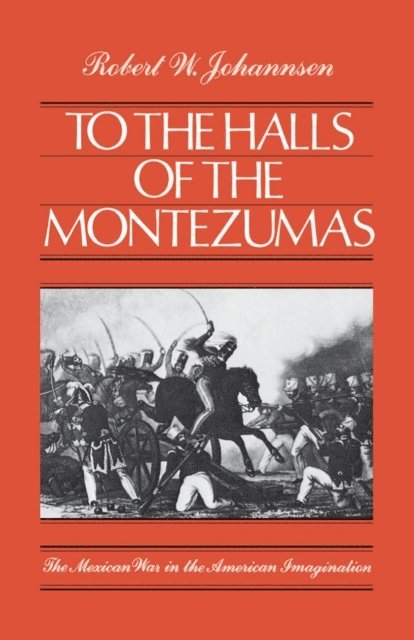
To the Halls of the Montezumas
The Mexican War in the American Imagination
E-bok, 1988
504 kr
Lägg i varukorg
For mid-19th-century Americans, the Mexican War was not only a grand exercise in self-identity, legitimizing the young republic''s convictions of mission and destiny to a doubting world; it was also the first American conflict to be widely reported in the press and to be waged against an alien foe …
To the Halls of the Montezumas
The Mexican War in the American Imagination
Häftad, 1988
787 kr
Lägg i varukorg
For the romantic generation of Americans in the mid-nineteenth century, the Mexican war was a grand exercise in self-identity: it legitimized the young republic's convictions of mission and destiny to a doubting world. This book examines the war's place in the popular imagination of the era. The …
To the Halls of the Montezumas
The Mexican War in the American Imagination
E-bok, 1988
504 kr
Lägg i varukorg
For mid-19th-century Americans, the Mexican War was not only a grand exercise in self-identity, legitimizing the young republic''s convictions of mission and destiny to a doubting world; it was also the first American conflict to be widely reported in the press and to be waged against an alien foe …
Stephen a. Douglas
Häftad, 1997
854 kr
Lägg i varukorg
Winner of the Francis Parkman Prize of the Society of American HistoriansFor the quarter-century before 1860 Stephen A. Douglas was a dominantfigure on the American political scene, far outshadowing Abraham Lincoln.This first paperback printing of Robert Johannsen's authoritative biographyfeatures …
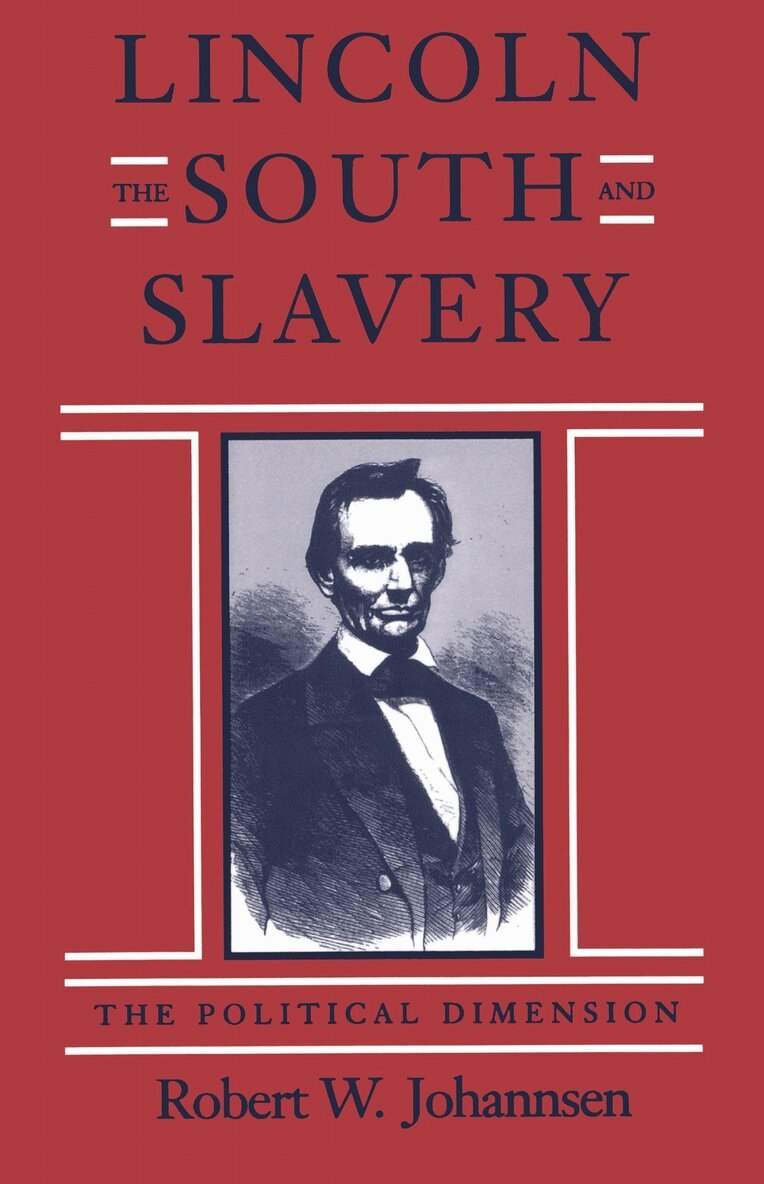
Lincoln, the South, and Slavery
The Political Dimension
Häftad, 1993
283 kr
Lägg i varukorg
In 1858, Abraham Lincoln declared his hatred for the institution of slavery, likening his feelings of opposition to those of the abolitionists. Although the fact that Lincoln always disliked slavery is indisputable, the idea that he always opposed it with the zeal and fervor of the abolitionists …
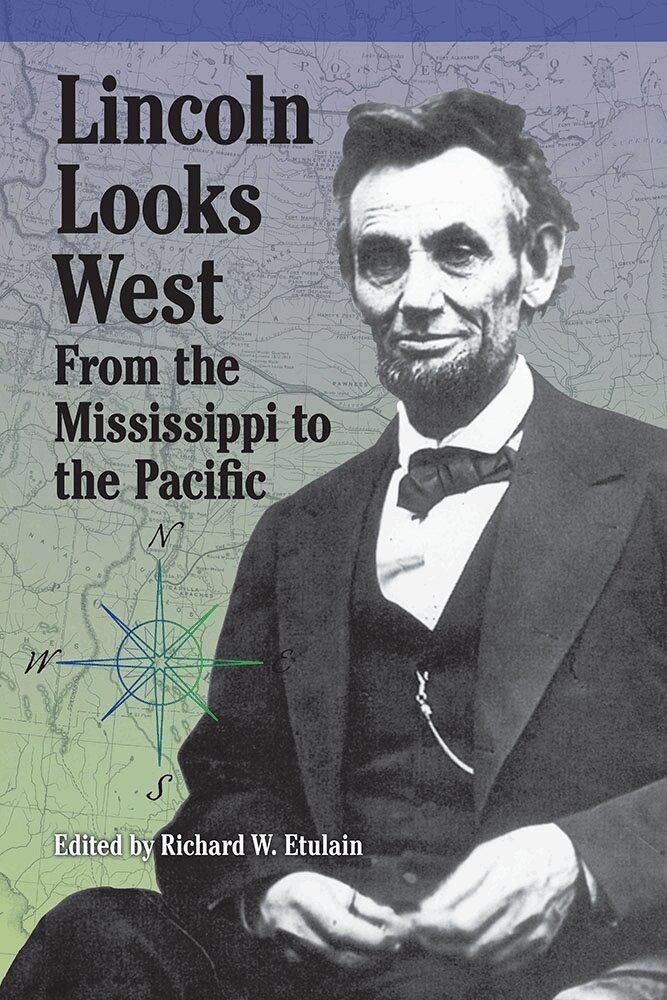
Lincoln Looks West
From the Mississippi to the Pacific
Av Michael S. Green, Robert W. Johannsen m. fl.
Häftad, 2023
294 kr
Lägg i varukorg
This volume explores Abraham Lincoln’s ties to the American West, bringing together a variety of scholars and experts who offer a look at the sixteenth president’s legacy in the territory beyond the Mississippi River. Included in this collection are an examination of Lincoln’s opposition to the …