Robert Wrigley – författare
Visar alla böcker från författaren Robert Wrigley. Handla med fri frakt och snabb leverans.
7 produkter
7 produkter
299 kr
Skickas inom 5-8 vardagar
376 kr
Skickas inom 3-6 vardagar
376 kr
Skickas inom 3-6 vardagar
376 kr
Skickas inom 3-6 vardagar
328 kr
Skickas inom 5-8 vardagar
Two of Wrigley's finest collections of poems are now together in one volume.
169 kr
Skickas inom 7-10 vardagar
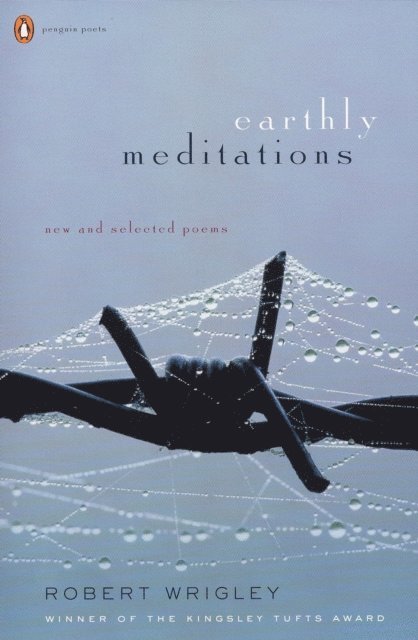
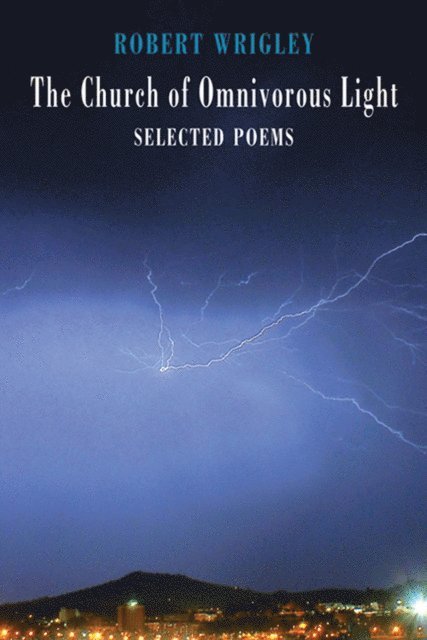
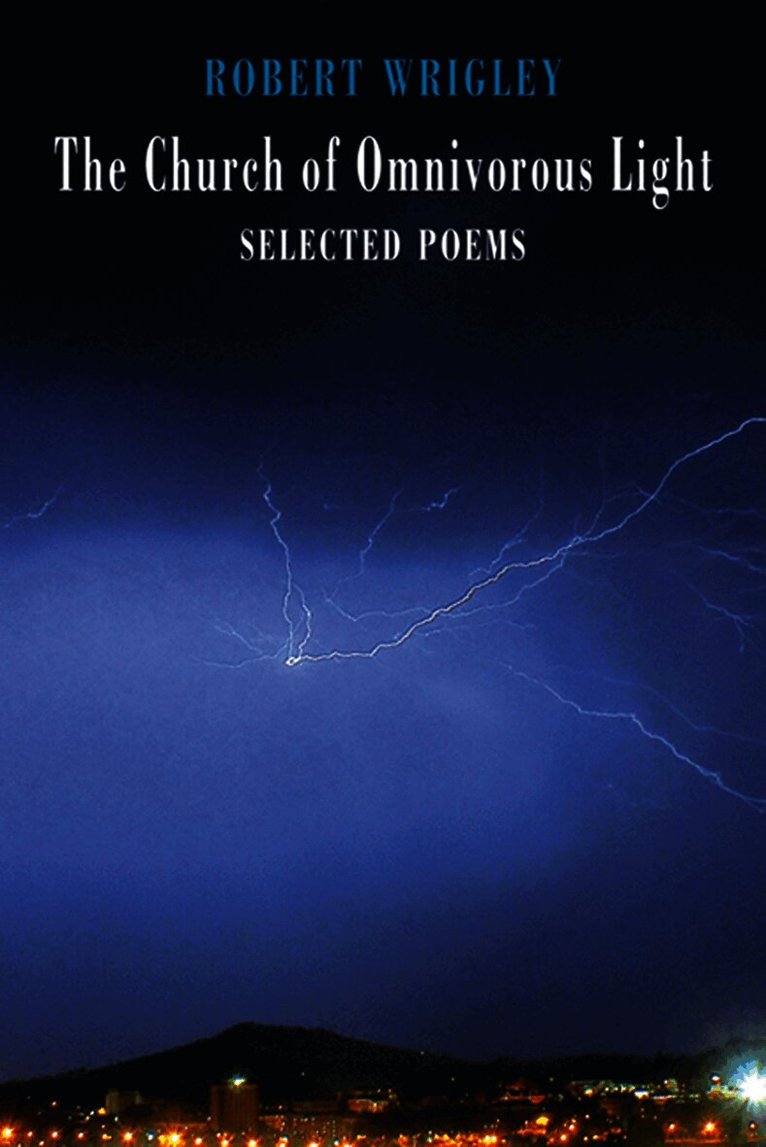
Robert Wrigley is a poet of America's northern Rocky Mountains. Over three decades his poetry's pervading concerns have been rural Western landscapes and humankind's place within the natural world. His most recent poems have presented a portrait of a nation, one that is a singular part of a singular planet, with an exuberant and frequently exasperating culture. In such a country, the glimpse of a horse under a full moon can be a defining moment, full of grace and a new, if not always comfortable, awareness. So it is with a saved lock of a lover's hair, the memory of a vanished glacier, or a childhood friend disappeared in war. This selection is his first UK publication and covers work from nine collections, including Reign of Snakes, Lives of the Animals, Earthly Meditations and Beautiful Country. Elegiac and lyrical, playful and angry, The Church of Omnivorous Light offers a vision that is fierce, unflinching, and clear. Poetry Book Society Special Commendation.
258 kr
Kommande
Nemerov’s Door is a testament to what matters most in Robert Wrigley’s life: love, nature, wild country, music, and poetry. In his youth, Robert Wrigley had little interest in poetry; you even could call it an active disinterest. Then, at the age of twenty-one, after being drafted into the army during the Vietnam War, after receiving an honorable discharge on the grounds of conscientious objection, and feeling otherwise adrift, he took a class in poetry writing, and that class altered the trajectory of his life. Nemerov’s Door is the story of a distinguished and widely celebrated poet’s development, via episodes from his life, and via his examinations of some of the poets whose work has helped to shape his own. Essays on James Dickey, Richard Hugo, Etheridge Knight, Howard Nemerov, Sylvia Plath, and Edwin Arlington Robinson are interwoven with essays about the sources of poetry: arrowheads; wild rivers; and the lyrics of a song from My Fair Lady, among other things. In the essay about Richard Hugo, Wrigley engages with a single poem by his great mentor, whose influence on Wrigley and many other poets of his generation has been enormous. “The Music of Sense” extrapolates from Frost’s notion of the “sound of sense,” and fuses it with Hugo’s notion that the poet, forced to choose between music and meaning, must always choose music. As though to offer his own proof of that notion, one of Wrigley’s other essays here is a poem. In all, the book, described by Joe Wilkins of the High Desert Journal, “is as generous and wise a book as I’ve read in a long, long time.”