Roberta Johnson - Böcker
Visar alla böcker från författaren Roberta Johnson. Handla med fri frakt och snabb leverans.
8 produkter
8 produkter
725 kr
Skickas inom 10-15 vardagar
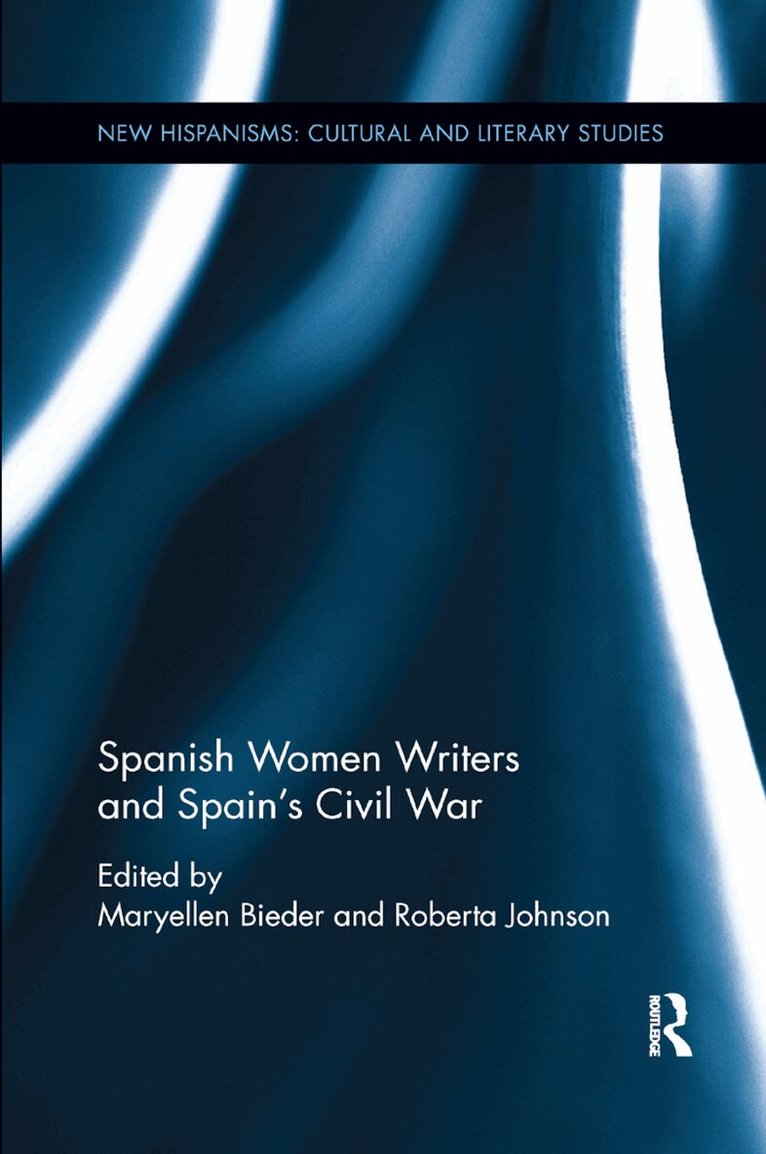
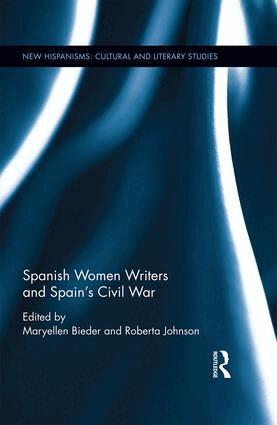
The Spanish Civil War (1936-1939) pitted conservative forces including the army, the Church, the Falange (fascist party), landowners, and industrial capitalists against the Republic, installed in 1931 and supported by intellectuals, the petite bourgeoisie, many campesinos (farm laborers), and the urban proletariat. Provoking heated passions on both sides, the Civil War soon became an international phenomenon that inspired a number of literary works reflecting the impact of the war on foreign and national writers. While the literature of the period has been the subject of scholarship, women's literary production has not been studied as a body of work in the same way that literature by men has been, and its unique features have not been examined. Addressing this lacuna in literary studies, this volume provides fresh perspectives on well-known women writers, as well as less studied ones, whose works take the Spanish Civil War as a theme. The authors represented in this collection reflect a wide range of political positions. Writers such as Maria Zambrano, Mercè Rodoreda, and Josefina Aldecoa were clearly aligned with the Republic, whereas others, including Mercedes Salisachs and Liberata Masoliver, sympathized with the Nationalists. Most, however, are situated in a more ambiguous political space, although the ethics and character portraits that emerge in their works might suggest Republican sympathies. Taken together, the essays are an important contribution to scholarship on literature inspired by this pivotal point in Spanish history.
492 kr
Skickas inom 3-6 vardagar
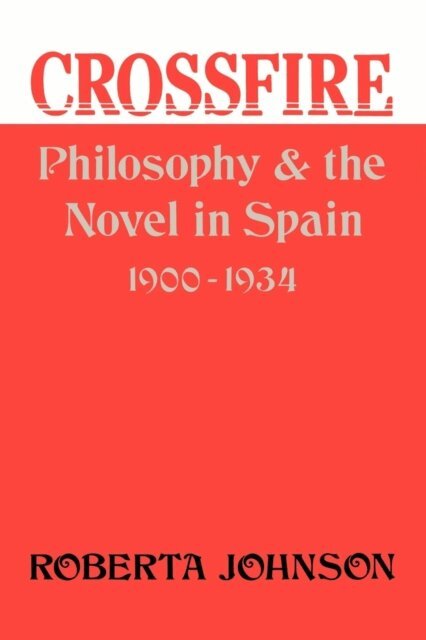
The marriage of philosophy and fiction in the first third of Spain's twentieth century was a fertile one. It produced some truly notable offspring -- novels that cross genre boundaries to find innovative forms, and treatises that fuse literature and philosophy in new ways. In her illuminating interdisciplinary study of Spanish fiction of the "Silver Age," Roberta Johnson places this important body of Spanish literature in context through a synthesis of social, literary, and philosophical history.Her examination of the work of Miguel de Unamuno, Pio Baroja, Azorin, Ramon Perez de Ayala, Juan Ramon Jimenez, Gabriel Miro, Pedro Salinas, Rosa Chacel, and Benjamin Jarnes brings to light philosophical frictions and debates and opens new interpersonal and intertextual perspectives on many of the period's most canonical novels.Johnson reformulates the traditional discussion of generations and "isms" by viewing the period as an intergenerational complex in which writers with similar philosophical and personal interests constituted dynamic groupings that interacted and constantly defined and redefined one another. Current narratological theories, including those of Todorov, Genette, Bakhtin, and Martinez Bonati, assist in teasing out the intertextual maneuvers and philosophical conflicts embedded in the novels of the period, while the sociological and biographical material bridges the philosophical and literary analyses.The result, solidly grounded in original archival research, is a convincingly complete picture of Spain's intellectual world in the first thirty years of this century. Crossfire should revolutionize thinking about the Generation of '98 and the Generation of '14 by identifying the heterogeneous philosophical sources of each and the writers' reactions to them in fiction.
1 773 kr
Skickas inom 3-6 vardagar
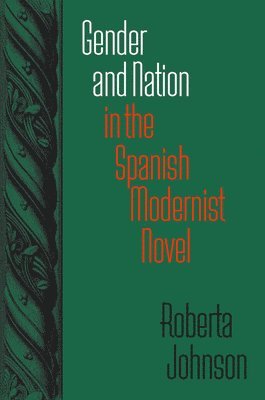
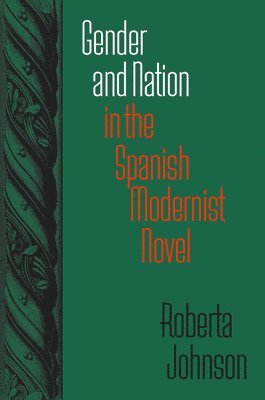
Offering a fresh, revisionist analysis of Spanish fiction from 1900 to 1940, this study examines the work of both men and women writers and how they practiced differing forms of modernism. As Roberta Johnson notes, Spanish male novelists emphasized technical and verbal innovation in representing the contents of an individual consciousness and thus were more modernist in the usual understanding of the term. Female writers, on the other hand, were less aesthetically innovative but engaged in a social modernism that focused on domestic issues, gender roles, and relations between the sexes. Compared to the more conventional--even reactionary--ways their male counterparts treated such matters, Spanish women's fiction in the first half of the twentieth century was often revolutionary.The book begins by tracing the history of public discourse on gender from the 1890s through the 1930s, a discourse that included the rise of feminism. Each chapter then analyzes works by female and male novelists that address key issues related to gender and nationalism: the concept of intrahistoria, or an essential Spanish soul; modernist uses of figures from the Spanish literary tradition, notably Don Quixote and Don Juan; biological theories of gender prevalent in the 1920s and 1930s; and the growth of an organized feminist movement that coincided with the burgeoning Republican movement.This is the first book dealing with this period of Spanish literature to consider women novelists, such as Maria Martinez Sierra, Carmen de Burgos, and Concha Espina, alongside canonical male novelists, including Miguel de Unamuno, Ramon del Valle-Inclan, and Pio Baroja. With its contrasting conceptions of modernism, Johnson's work provides a compelling new model for bridging the gender divide in the study of Spanish fiction.
658 kr
Skickas inom 5-8 vardagar
Offering a fresh, revisionist analysis of Spanish fiction from 1900 to 1940, this study examines the work of both men and women writers and how they practiced differing forms of modernism. As Roberta Johnson notes, Spanish male novelists emphasized technical and verbal innovation in representing the contents of an individual consciousness and thus were more modernist in the usual understanding of the term. Female writers, on the other hand, were less aesthetically innovative but engaged in a social modernism that focused on domestic issues, gender roles, and relations between the sexes. Compared to the more conventional--even reactionary--ways their male counterparts treated such matters, Spanish women's fiction in the first half of the twentieth century was often revolutionary.The book begins by tracing the history of public discourse on gender from the 1890s through the 1930s, a discourse that included the rise of feminism. Each chapter then analyzes works by female and male novelists that address key issues related to gender and nationalism: the concept of intrahistoria, or an essential Spanish soul; modernist uses of figures from the Spanish literary tradition, notably Don Quixote and Don Juan; biological theories of gender prevalent in the 1920s and 1930s; and the growth of an organized feminist movement that coincided with the burgeoning Republican movement.This is the first book dealing with this period of Spanish literature to consider women novelists, such as Maria Martinez Sierra, Carmen de Burgos, and Concha Espina, alongside canonical male novelists, including Miguel de Unamuno, Ramon del Valle-Inclan, and Pio Baroja. With its contrasting conceptions of modernism, Johnson's work provides a compelling new model for bridging the gender divide in the study of Spanish fiction.
1 215 kr
Skickas inom 5-8 vardagar
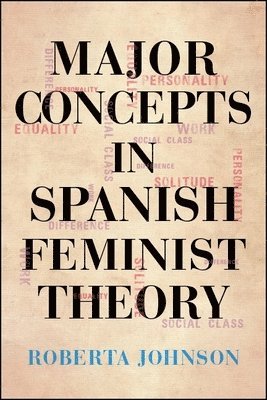
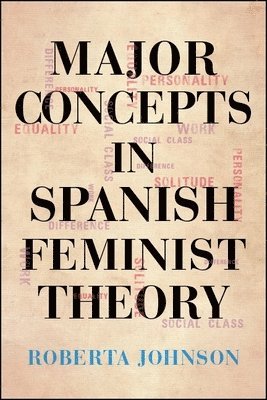
First book in English to offer a thorough introduction to key concepts and figures in Spanish feminist thought.Major Concepts in Spanish Feminist Theory is the first book in English to offer a substantial overview of Spanish feminist thought. It focuses on six concepts-solitude, personality, social class, work, difference, and equality-and distinguishes Spanish feminist theory from that of other countries. Roberta Johnson employs a chronological format to highlight continuity and polemics in Spanish feminist thinking from the eighteenth century to the present. She brings together arguments from well-known names such as Benito Jerónimo Feijoo, Concepción Arenal, Emilia Pardo Bazán, María Martínez Sierra, Carmen de Burgos, and Carmen Laforet, as well as less familiar figures such as the Countess Campo Alange María Laffitte and Lilí Álvarez, who defied restrictions on feminist activity during the Franco dictatorship to publish feminist books. The topics of difference and equality are explored, and the book recounts the long tension between theorists of each persuasion-a tension that erupted publicly during Spain's democratic era. Each theorist's arguments are laid out in straightforward, non-jargonistic prose, making this book a useful classroom tool for courses on Spanish women writers, Spanish culture, and cross-cultural feminist studies.
507 kr
Skickas inom 5-8 vardagar
First book in English to offer a thorough introduction to key concepts and figures in Spanish feminist thought.Major Concepts in Spanish Feminist Theory is the first book in English to offer a substantial overview of Spanish feminist thought. It focuses on six concepts-solitude, personality, social class, work, difference, and equality-and distinguishes Spanish feminist theory from that of other countries. Roberta Johnson employs a chronological format to highlight continuity and polemics in Spanish feminist thinking from the eighteenth century to the present. She brings together arguments from well-known names such as Benito Jerónimo Feijoo, Concepción Arenal, Emilia Pardo Bazán, María Martínez Sierra, Carmen de Burgos, and Carmen Laforet, as well as less familiar figures such as the Countess Campo Alange María Laffitte and Lilí Álvarez, who defied restrictions on feminist activity during the Franco dictatorship to publish feminist books. The topics of difference and equality are explored, and the book recounts the long tension between theorists of each persuasion-a tension that erupted publicly during Spain's democratic era. Each theorist's arguments are laid out in straightforward, non-jargonistic prose, making this book a useful classroom tool for courses on Spanish women writers, Spanish culture, and cross-cultural feminist studies.
2 632 kr
Skickas inom 10-15 vardagar
The Spanish Civil War (1936-1939) pitted conservative forces including the army, the Church, the Falange (fascist party), landowners, and industrial capitalists against the Republic, installed in 1931 and supported by intellectuals, the petite bourgeoisie, many campesinos (farm laborers), and the urban proletariat. Provoking heated passions on both sides, the Civil War soon became an international phenomenon that inspired a number of literary works reflecting the impact of the war on foreign and national writers. While the literature of the period has been the subject of scholarship, women's literary production has not been studied as a body of work in the same way that literature by men has been, and its unique features have not been examined. Addressing this lacuna in literary studies, this volume provides fresh perspectives on well-known women writers, as well as less studied ones, whose works take the Spanish Civil War as a theme. The authors represented in this collection reflect a wide range of political positions. Writers such as Maria Zambrano, Mercè Rodoreda, and Josefina Aldecoa were clearly aligned with the Republic, whereas others, including Mercedes Salisachs and Liberata Masoliver, sympathized with the Nationalists. Most, however, are situated in a more ambiguous political space, although the ethics and character portraits that emerge in their works might suggest Republican sympathies. Taken together, the essays are an important contribution to scholarship on literature inspired by this pivotal point in Spanish history.
454 kr
Skickas inom 7-10 vardagar
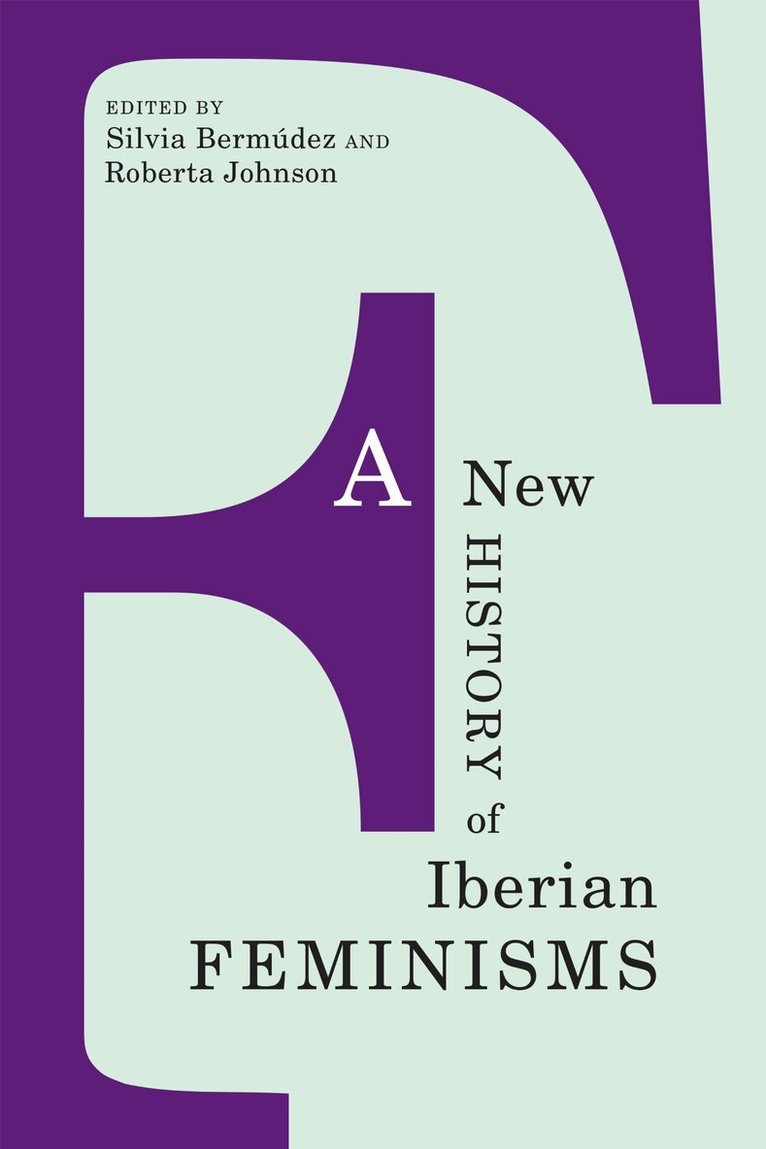
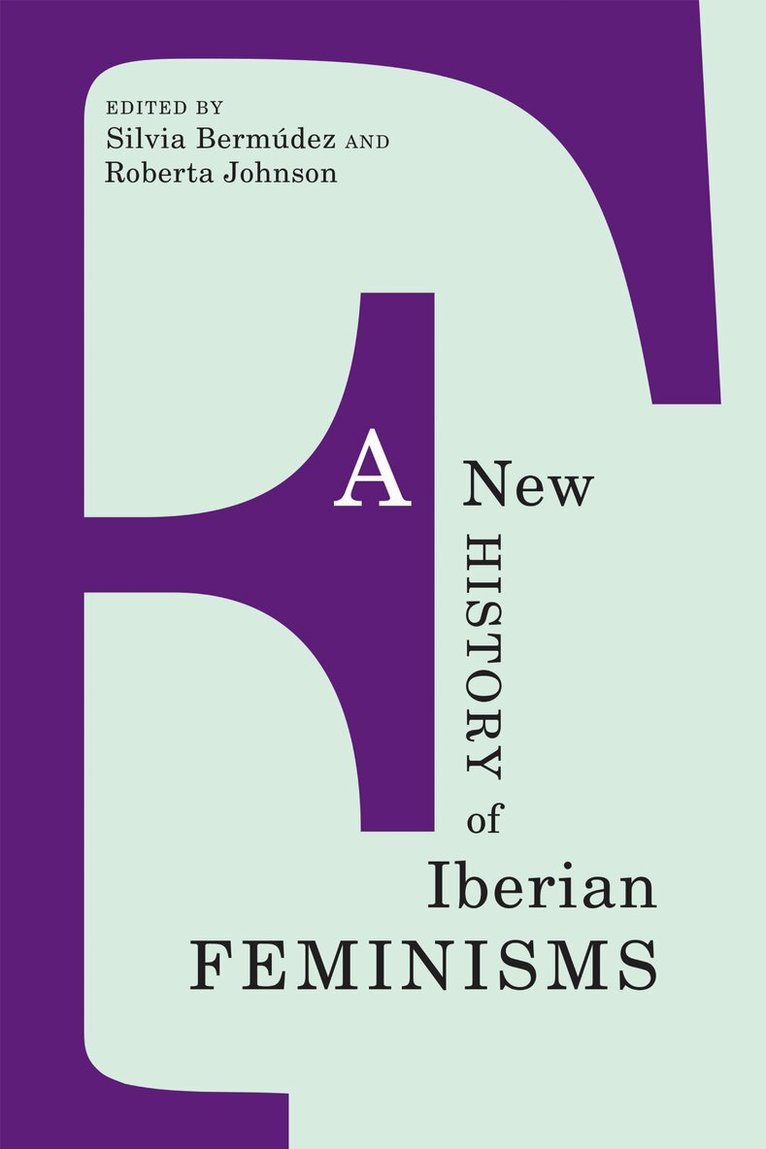
A New History of Iberian Feminisms is both a chronological history and an analytical discussion of feminist thought in the Iberian Peninsula, including Portugal, and the territories of Spain – the Basque Provinces, Catalonia, and Galicia – from the eighteenth century to the present day. The Iberian Peninsula encompasses a dynamic and fraught history of feminism that had to contend with entrenched tradition and a dominant Catholic Church. Editors Silvia Bermúdez and Roberta Johnson and their contributors reveal the long and historical struggles of women living within various parts of the Iberian Peninsula to achieve full citizenship. A New History of Iberian Feminisms comprises a great deal of new scholarship, including nineteenth-century essays written by women on the topic of equality. By addressing these lost texts of feminist thought, Bermúdez, Johnson, and their contributors reveal that female equality, considered a dormant topic in the early nineteenth century, was very much part of the political conversation, and helped to launch the new feminist wave in the second half of the century.