Roberta Lexier – författare
Visar alla böcker från författaren Roberta Lexier. Handla med fri frakt och snabb leverans.
5 produkter
Liberal Education and the Idea of the University
Arguments and Reflections on Theory and Practice
Av Katherine E. Aidala, Sharon Allan m. fl.
Inbunden, 2019
879 kr
Lägg i varukorg
Liberal Education and the Idea of the University
Arguments and Reflections on Theory and Practice
Av Katherine E. Aidala, Sharon Allan m. fl.
Häftad, 2019
779 kr
Lägg i varukorg
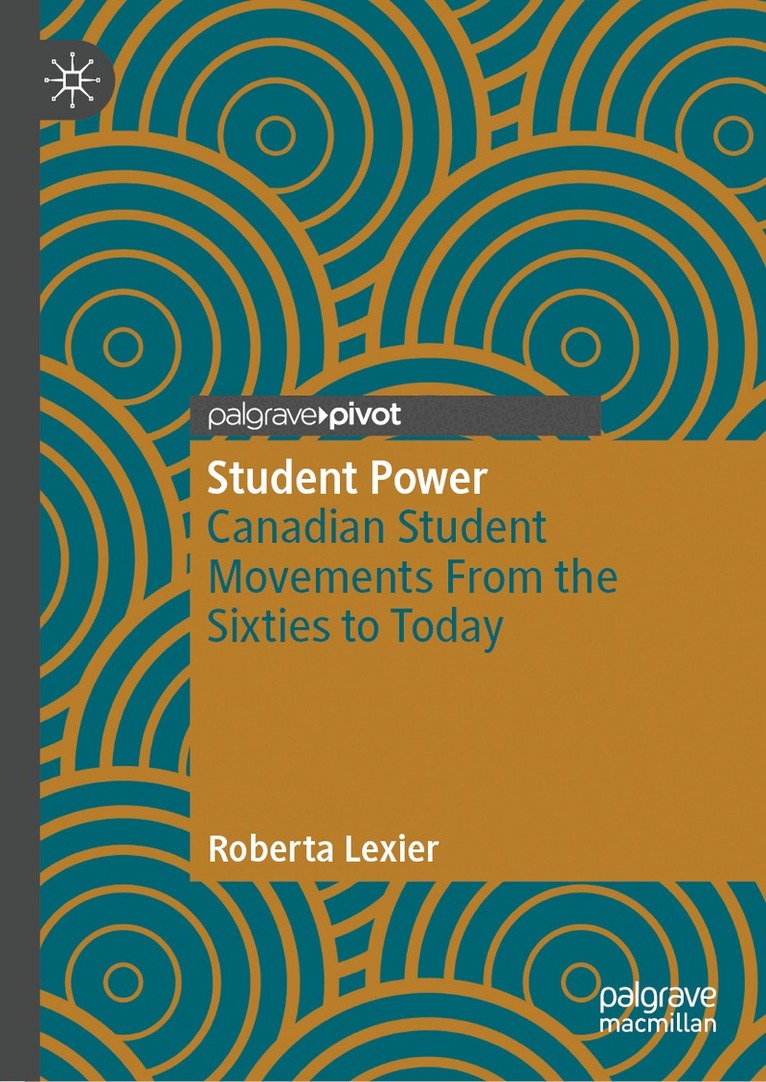
Student Power
Canadian Student Movements From the Sixties to Today
Inbunden, 2026
457 kr
Lägg i varukorg
As global campus protests attract academic and public attention, interest in student movements continues to grow; however, very little is known about the Canadian context. Lexier’s monograph offers the first detailed history of on-campus activism in Canada. Each chapter draws upon archival …
Student Power
Canadian Student Movements From the Sixties to Today
E-bok, 2026
543 kr
Lägg i varukorg
As global campus protests attract academic and public attention, interest in student movements continues to grow; however, very little is known about the Canadian context. Lexier’s monograph offers the first detailed history of on-campus activism in Canada. Each chapter draws upon archival …
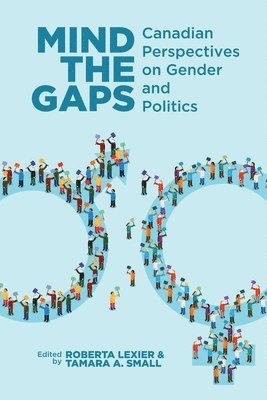
Mind the Gaps
Canadian Perspectives on Gender and Politics
Av Roberta Lexier, Tamara Small
Häftad, 2013
239 kr
Tillfälligt slut
The gender gap refers to the differences in public opinion and political participation between men and women: the proportion of seats held by women in Canadian legislatures appears to have plateaued or even declined at all levels of government, and gendered differences in political behaviour and …