Roger Pickenpaugh – författare
Visar alla böcker från författaren Roger Pickenpaugh. Handla med fri frakt och snabb leverans.
15 produkter
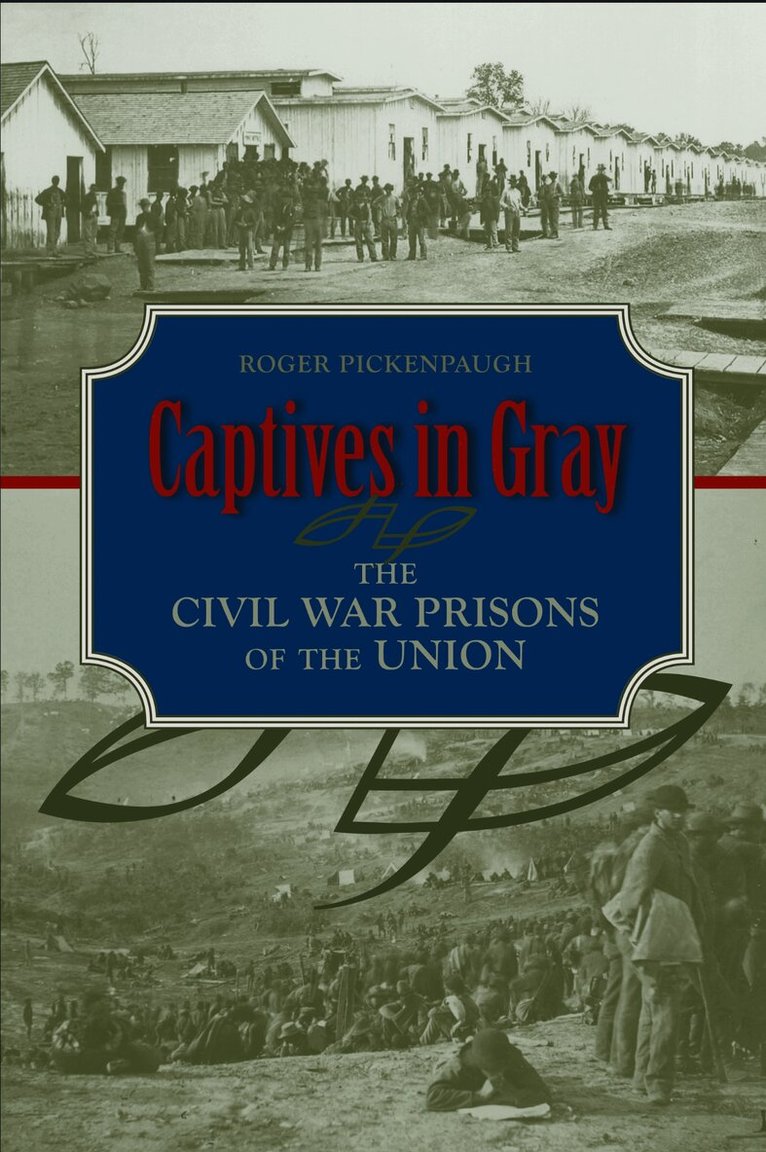
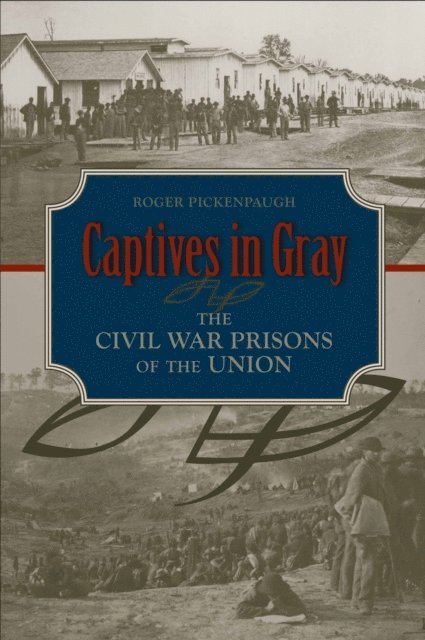
Captives in Gray
The Civil War Prisons of the Union
Häftad, 2025
442 kr
Lägg i varukorg
“This is a vivid description of conditions and events rarely described: the imprisonment of captured Confederate soldiers during the Civil War. Its many parallels to circumstances in Andersonville are especially intriguing.” —Jimmy Carter, 39th President of the United StatesCaptives in Gray is …
Captives in Gray
The Civil War Prisons of the Union
Inbunden, 2009
623 kr
Lägg i varukorg
Contemporary reports from prisoners and witnesses humanize the grim realities of the POW camps. Perhaps no topic is more heated, and the sources more tendentious, than that of Civil War prisons and the treatment of prisoners of war (POWs). Partisans of each side, then and now, have vilified the …
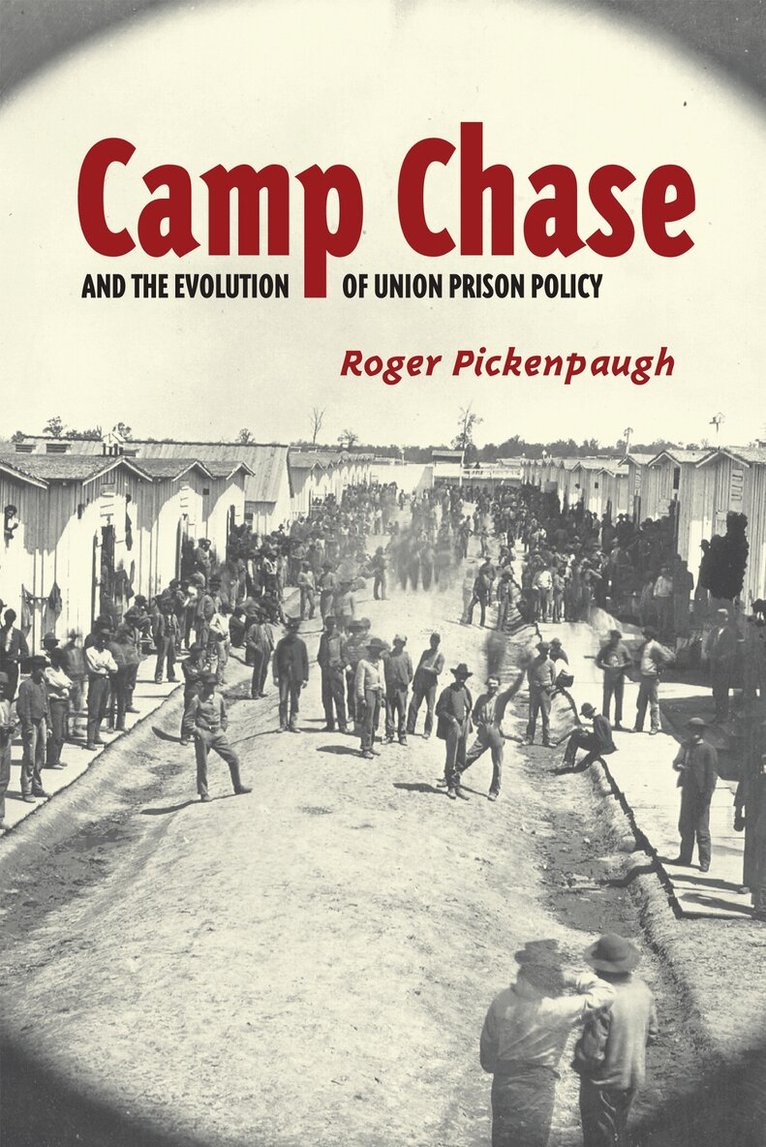
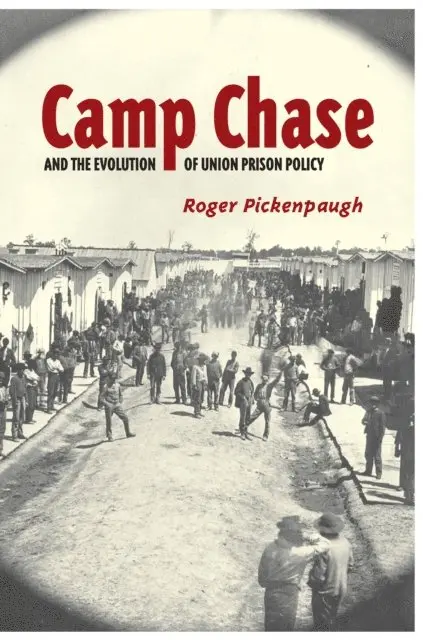
Camp Chase and the Evolution of Union Prison Policy
Häftad, 2018
282 kr
Lägg i varukorg
Discusses an important yet often misunderstood topic in American History.Camp Chase, located four miles west of Columbus, Ohio, started, as did so many other prisons, as a training camp for eager Union recruits. By late 1861 it was also housing Confederate prisoners. It was also used as quarters …
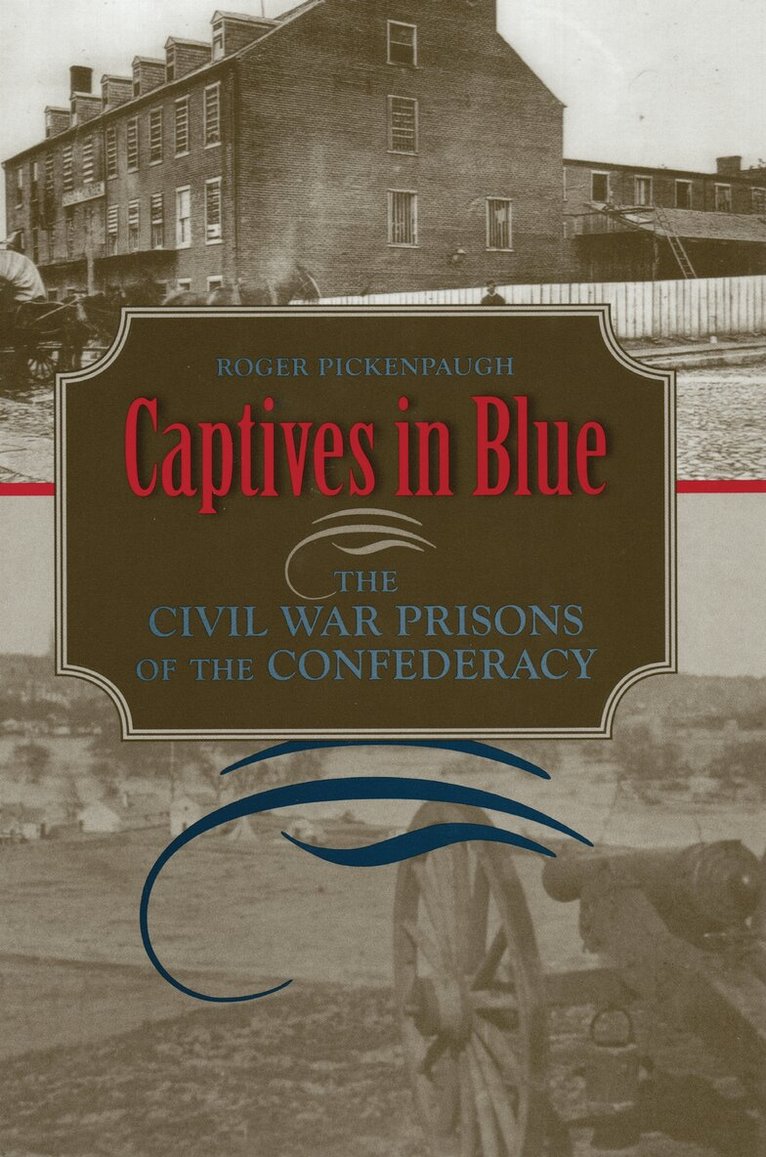
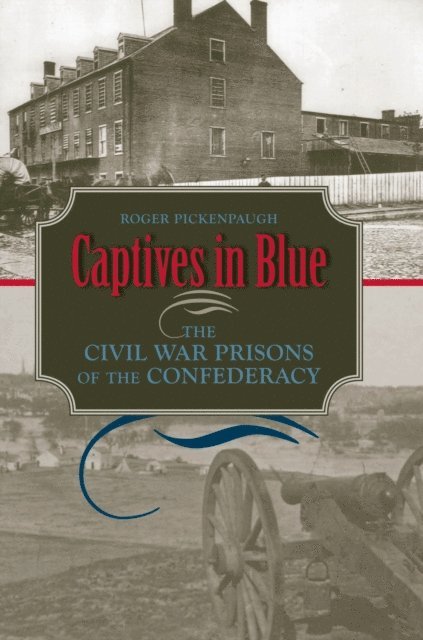
Captives in Blue
The Civil War Prisons of the Confederacy
Häftad, 2020
338 kr
Lägg i varukorg
Captives in Blue, a study of Union prisoners in Confederate prisons, is a companion to Roger Pickenpaugh's earlier groundbreaking book Captives in Gray: The Civil War Prisons of the Union, rounding out his examination of Civil War prisoner of war facilities.In June of 1861, only a few weeks after …
Camp Chase and the Evolution of Union Prison Policy
E-bok, 2011
487 kr
Lägg i varukorg
Discusses an important yet often misunderstood topic in American History Camp Chase was a major Union POW camp and also served at various times as a Union military training facility and as quarters for Union soldiers who had been taken prisoner by the Confederacy and released on parole or …
Captives in Blue
The Civil War Prisons of the Confederacy
E-bok, 2013
585 kr
Lägg i varukorg
A study of Union prisoners in Confederate prisons In Captives in Blue , Roger Pickenpaugh examines the ways the Confederate army contended with the growing prison population, the variations in the policies and practices of different Confederate prison camps, the effects these policies and practices …
Captives in Gray
The Civil War Prisons of the Union
E-bok, 2015
682 kr
Lägg i varukorg
“This is a vivid description of conditions and events rarely described: the imprisonment of captured Confederate soldiers during the Civil War. Its many parallels to circumstances in Andersonville are especially intriguing.” —Jimmy Carter, 39th President of the United States Captives in Gray is …
McKinley, Murder and the Pan-American Exposition
A History of the Presidential Assassination, September 6, 1901
Häftad, 2016
396 kr
Lägg i varukorg
On September 6, 1901, President William McKinley held a public reception at the Pan-American Exposition in Buffalo, New York. In the receiving line, holding a gun concealed by a handkerchief, was Leon Czolgosz, a young man with anarchist leanings. When he reached McKinley, Czolgosz fired two shots, …
Primary Importance
Kennedy Versus Humphrey in West Virginia and Wisconsin, 1960
Häftad, 2024
619 kr
Lägg i varukorg
Prior to 1960, presidential nominees were largely selected in the infamous "smoke filled rooms" of state party conventions. In 1960 two serious contenders for the Democratic nomination, Hubert Humphrey and John F. Kennedy, realized their weaknesses with party bosses would make this path nearly …
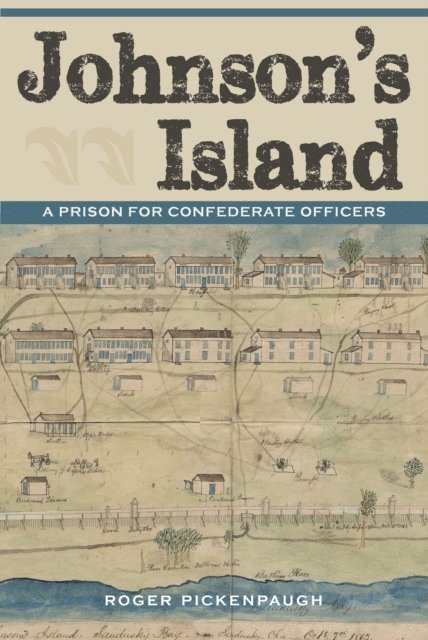
Johnson's Island
A Prison for Confederate Officers
Häftad, 2016
209 kr
Lägg i varukorg
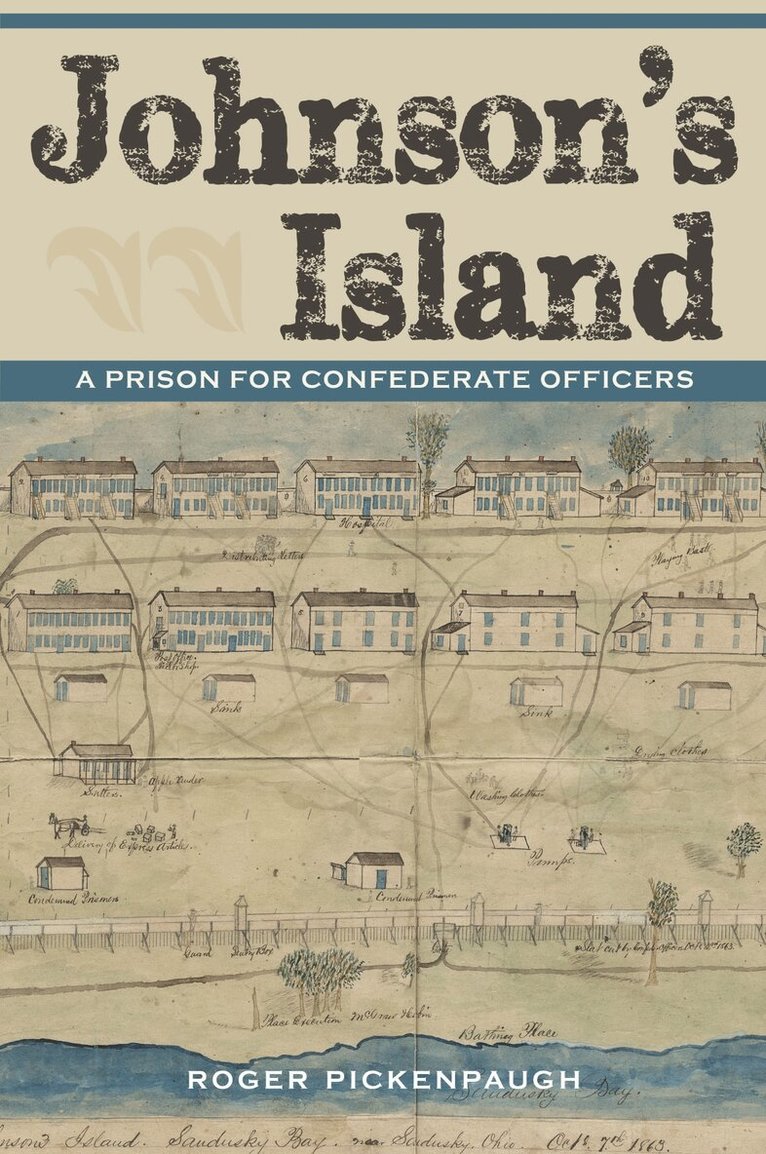
In 1861, Lt. Col. William Hoffman was appointed to the post of commissary general of prisoners and urged to find a suitable site for the construction of what was expected to be the Union’s sole military prison. After inspecting four islands in Lake Erie, Hoffman came upon one in Sandusky Bay known …
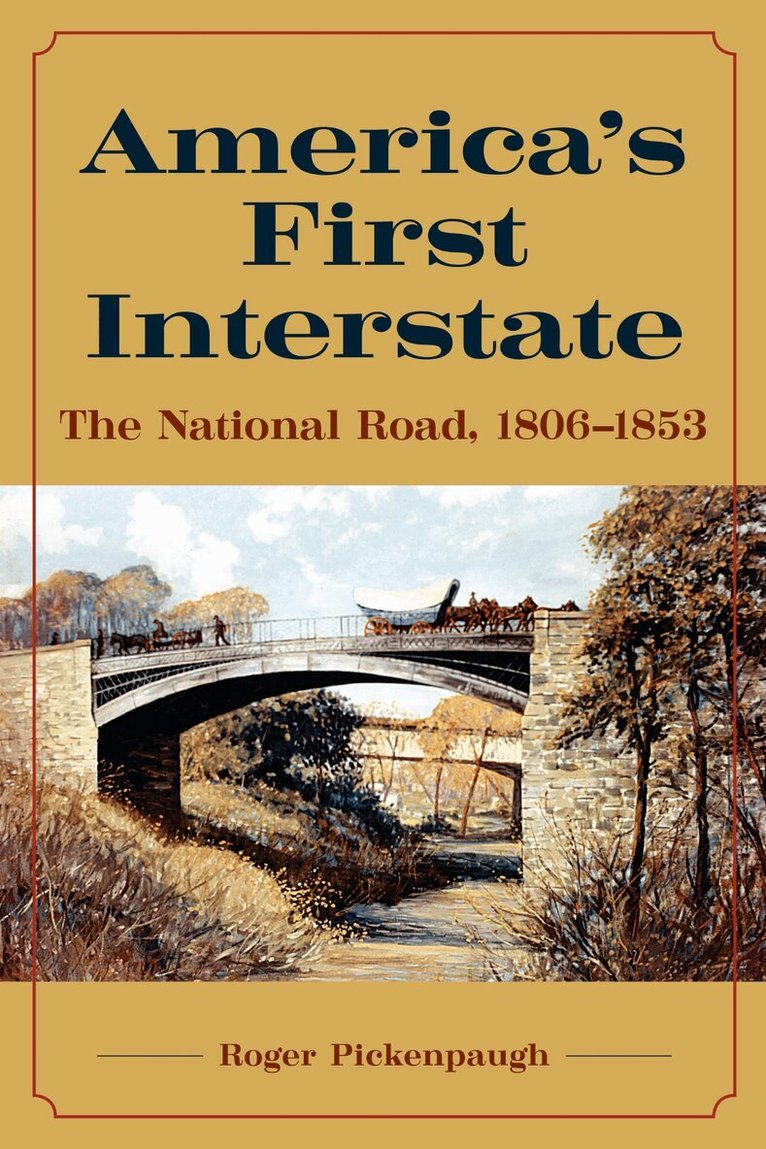
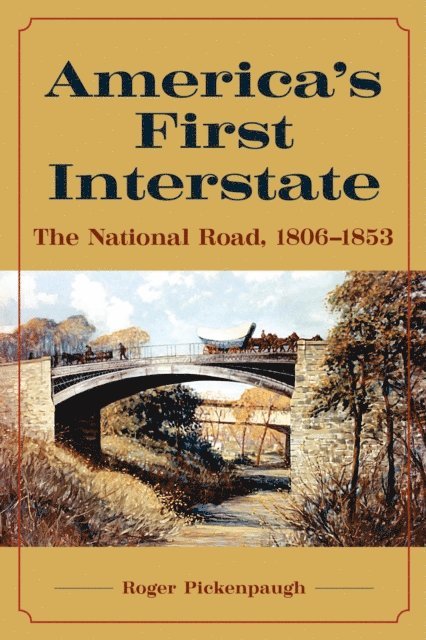
America's First Interstate
The National Road, 1806-1853
Inbunden, 2020
356 kr
Lägg i varukorg
The story of America's first government-sponsored highway.The National Road was the first major improved highway in the United States built by the federal government. Built between 1811 and 1837, this 620-mile road connected the Potomac and Ohio Rivers and was the main avenue to the West. Roger …
Johnson's Island
A Prison for Confederate Officers
E-bok, 2016
219 kr
Lägg i varukorg
In 1861, Lt. Col. William Hoffman was appointed to the post of commissary general of prisoners and urged to find a suitable site for the construction of what was expected to be the Union’s sole military prison. After inspecting four islands in Lake Erie, Hoffman came upon one in Sandusky Bay known …
Johnson's Island
A Prison for Confederate Officers
E-bok, 2016
219 kr
Lägg i varukorg
In 1861, Lt. Col. William Hoffman was appointed to the post of commissary general of prisoners and urged to find a suitable site for the construction of what was expected to be the Union’s sole military prison. After inspecting four islands in Lake Erie, Hoffman came upon one in Sandusky Bay known …
America's First Interstate
The National Road, 1806–1853
E-bok, 2020
280 kr
Lägg i varukorg
The story of America’s first government-sponsored highway The National Road was the first major improved highway in the United States built by the federal government. Built between 1811 and 1837, this 620-mile road connected the Potomac and Ohio Rivers and was the main avenue to the West. Roger …
America's First Interstate
The National Road, 1806–1853
E-bok, 2020
280 kr
Lägg i varukorg
The story of America’s first government-sponsored highway The National Road was the first major improved highway in the United States built by the federal government. Built between 1811 and 1837, this 620-mile road connected the Potomac and Ohio Rivers and was the main avenue to the West. Roger …