Ronald F. Boisvert – författare
Visar alla böcker från författaren Ronald F. Boisvert. Handla med fri frakt och snabb leverans.
8 produkter
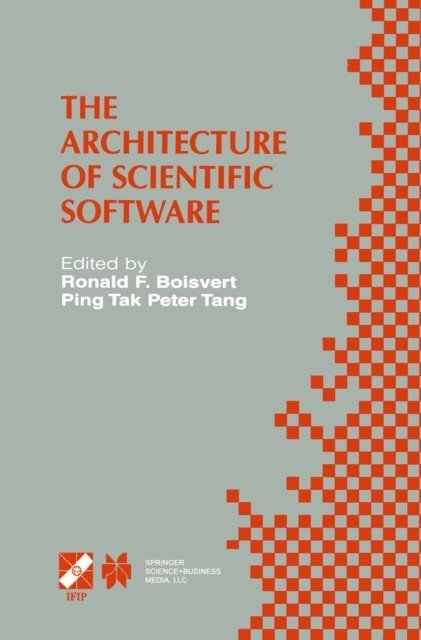
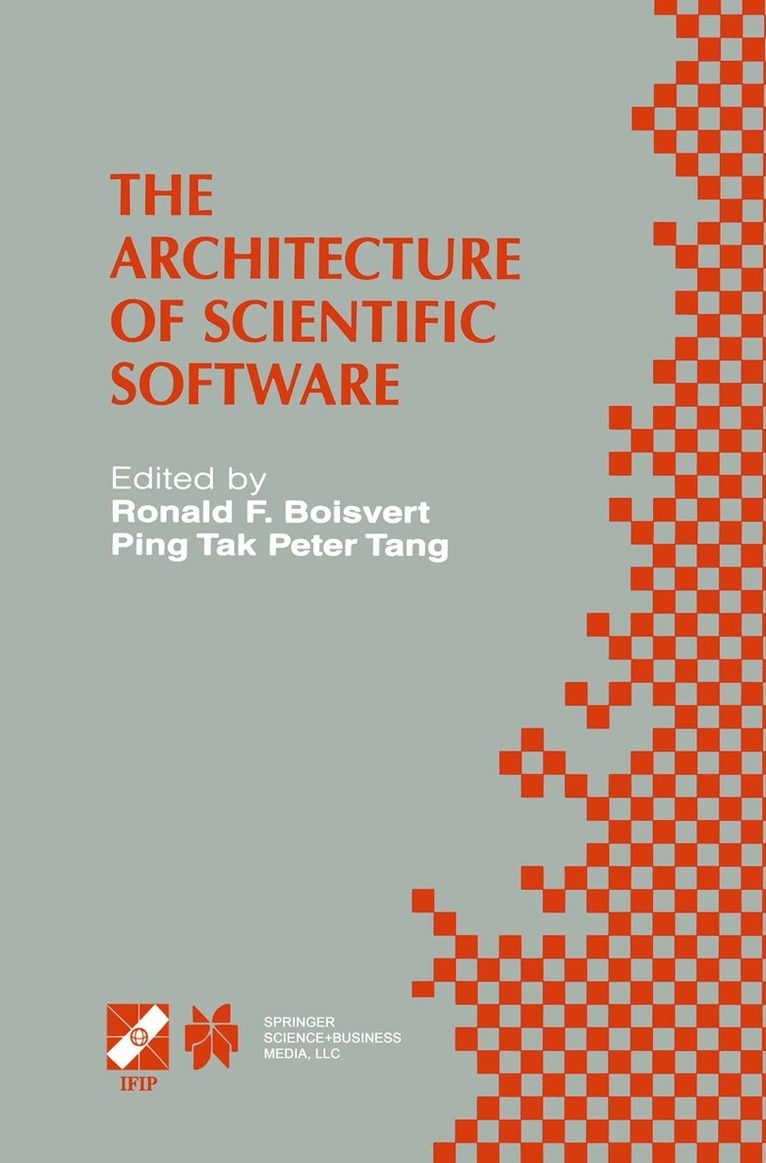
Architecture of Scientific Software
IFIP TC2/WG2.5 Working Conference on the Architecture of Scientific Software October 2–4, 2000, Ottawa, Canada
Av Ping Tak Peter Tang, Ronald F. Boisvert
E-bok, 2013
2925 kr
Lägg i varukorg
Scientific applications involve very large computations that strain the resources of whatever computers are available. Such computations implement sophisticated mathematics, require deep scientific knowledge, depend on subtle interplay of different approximations, and may be subject to …
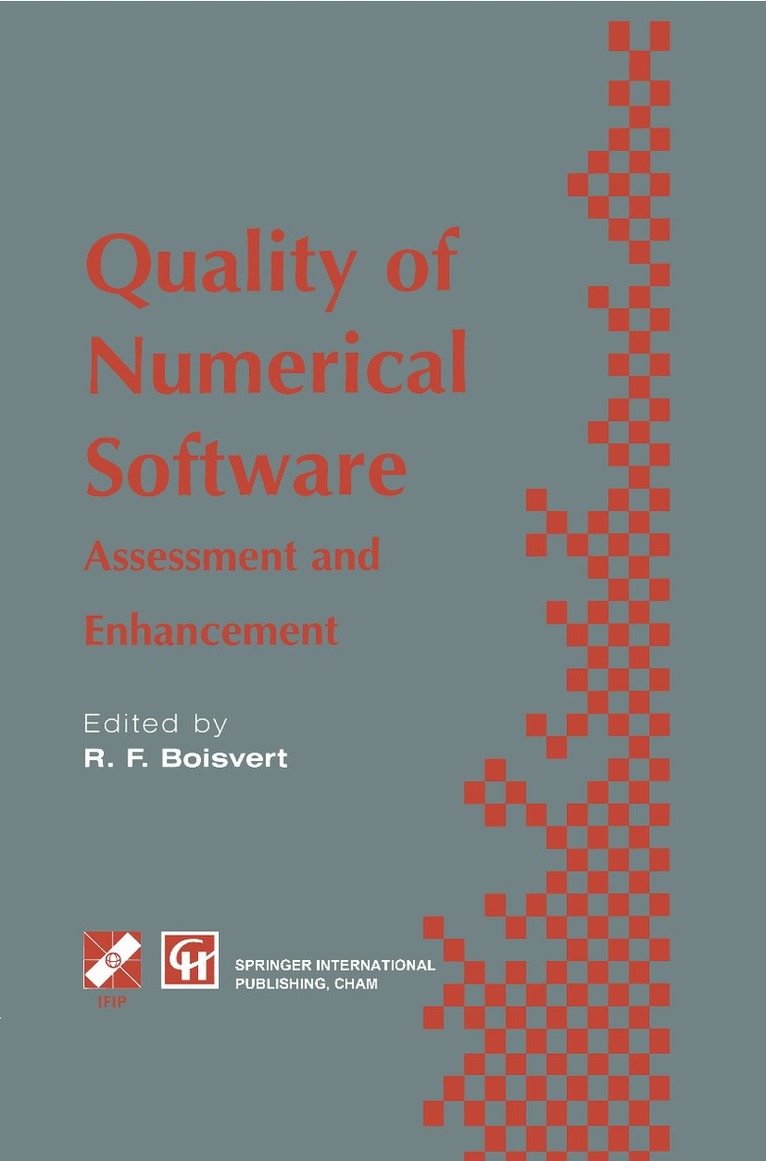
Quality of Numerical Software
Assessment and enhancement
Inbunden, 1997
1641 kr
Lägg i varukorg
Numerical software is central to our computerized society. It is used to design aeroplanes and bridges, operate manufacturing lines, control power plants and refineries, and analyze financial markets. Such software must be accurate, reliable, robust, efficient, easy to use, maintainable and …
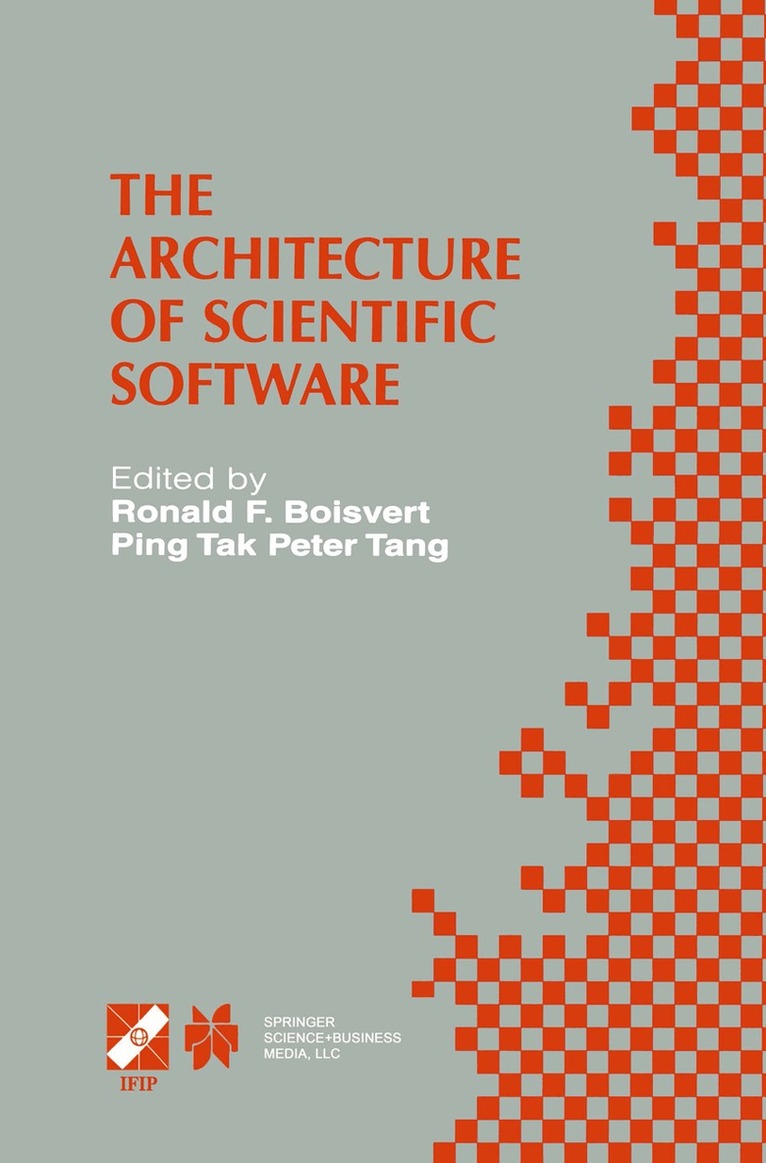
Architecture of Scientific Software
IFIP TC2/WG2.5 Working Conference on the Architecture of Scientific Software October 2–4, 2000, Ottawa, Canada
Av Ronald F. Boisvert, Ping Tak Peter Tang
Inbunden, 2001
2250 kr
Lägg i varukorg
Scientific applications involve very large computations that strain the resources of whatever computers are available. Such computations implement sophisticated mathematics, require deep scientific knowledge, depend on subtle interplay of different approximations, and may be subject to …
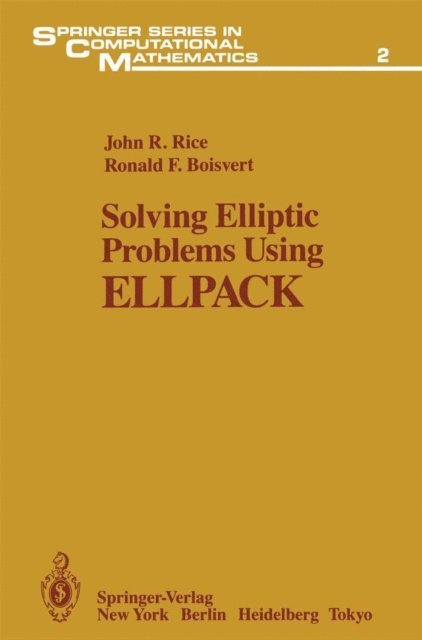
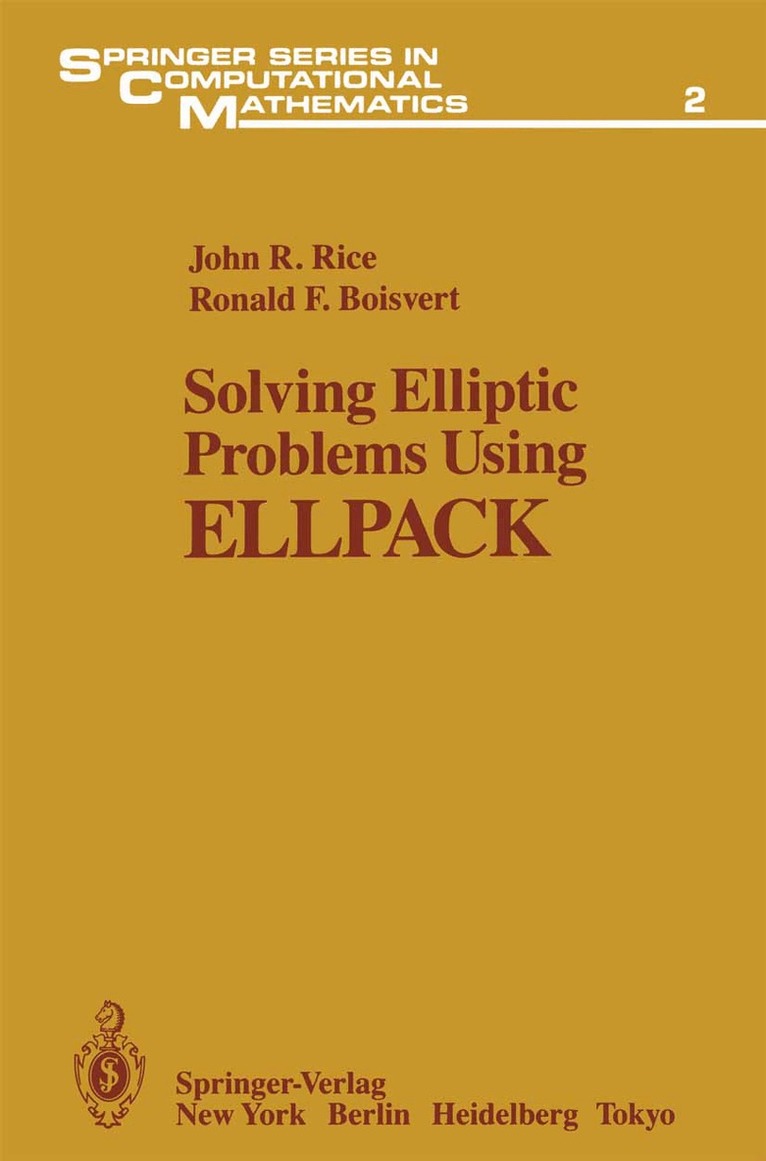
Solving Elliptic Problems Using ELLPACK
Av Ronald F. Boisvert, John R. Rice
E-bok, 2012
718 kr
Lägg i varukorg
ELLP ACK is a many faceted system for solving elliptic partial differential equations. It is a forerunner of the very high level, problem solving environments or expert systems that will become common in the next decade. While it is still far removed from the goals of the future, it is also far …
Solving Elliptic Problems Using ELLPACK
Av John R. Rice, Ronald F. Boisvert
Häftad, 2011
552 kr
Lägg i varukorg
ELLP ACK is a many faceted system for solving elliptic partial differential equations. It is a forerunner of the very high level, problem solving environments or expert systems that will become common in the next decade. While it is still far removed from the goals of the future, it is also far …
Architecture of Scientific Software
IFIP TC2/WG2.5 Working Conference on the Architecture of Scientific Software October 2–4, 2000, Ottawa, Canada
Av Ronald F. Boisvert, Ping Tak Peter Tang
Häftad, 2013
2185 kr
Lägg i varukorg
Scientific applications involve very large computations that strain the resources of whatever computers are available. Such computations implement sophisticated mathematics, require deep scientific knowledge, depend on subtle interplay of different approximations, and may be subject to …
Quality of Numerical Software
Assessment and enhancement
E-bok, 2016
2143 kr
Lägg i varukorg
Numerical software is central to our computerized society. It is used to control aeroplanes and bridges, operate manufacturing lines, control power plants and refineries, and analyse financial markets. Such software must be accurate, reliable, robust, efficient, easy to use, maintainable and …