Ronald Paul Hill – författare
Visar alla böcker från författaren Ronald Paul Hill. Handla med fri frakt och snabb leverans.
4 produkter
4 produkter
274 kr
Skickas inom 10-15 vardagar
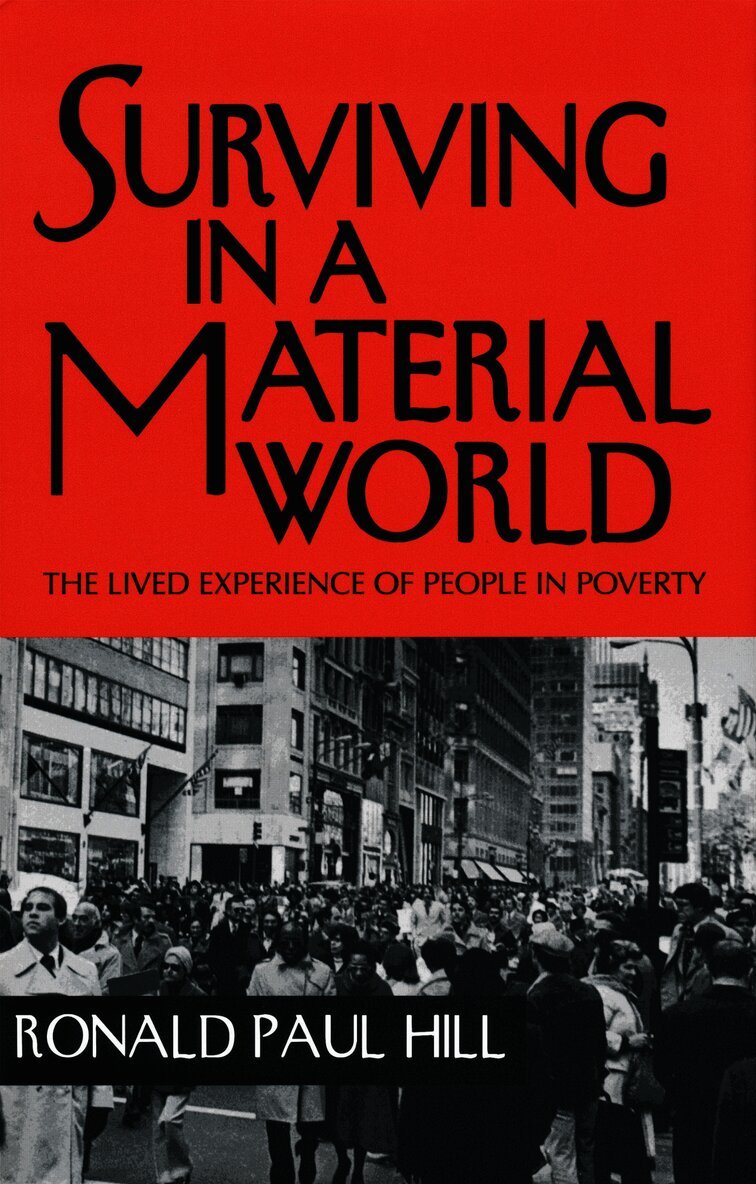
Cutting through the stereotypes that enable many people to dismiss the needs of the impoverished, Surviving in a Material World provides an eye-opening look at the material lives of the poor in America. Hill's vivid, detailed narratives allow readers to envision themselves in the real world of the poor, to imagine what it would be like to be faced with their particular circumstances and limited options.Social scientists have devoted considerable time and effort to unearthing the rationale behind why people buy; yet, very little attention has been paid to the consumption habits of the poor. Over the course of the last decade, Hill has dedicated his research efforts to answering the question: How do various subpopulations among the poor survive in our material world? Hill identifies six of these subgroups, including the "hidden homeless," homeless families living in shelters, poor children, and the rural poor.Surviving in a Material World challenges readers to cast aside their biases and to make evaluations about the poor based on a complete picture of their lives. Americans often assume that the poor have access to family structures, teachers, and civic and community organizations that mirror their own. This insightful new book makes clear that such naive approaches fail to reflect the lived world and restrictions the poor endure in the face of the American dream.Approximately 13 percent of Americans (35 million people) live in poverty. That rate soars for children: it is estimated that nearly one in five young people lives in a home without adequate income, shelter, food, and health care. Bearing in mind the specific needs of each community, Hill proposes solutions that attack the roots of poverty through an understanding of impoverished groups' strengths and weaknesses.
2 373 kr
Skickas inom 3-6 vardagar
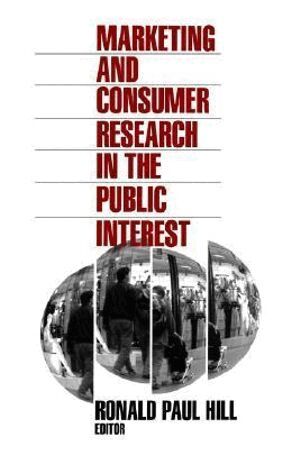
The articles are not a series of condemnations of past and current marketing practices; rather, they provide objective, heavily footnoted descriptions of marketing's actual impacts on these issues. . . . The book will be of most value to academicians researching ethical and public policy issues and those in nonprofit organizations with marketing responsibilities. --Choice How does personal crisis affect consumption? How do companies decide the appropriate way to market to a minority group? To what extent does social responsibility impact marketing? Marketing and Consumer Research in the Public Interest summarizes and extends the research on these types of issues in marketing and consumer behavior. Written by some of the leading social and public policy scholars in the field of marketing, the book discusses some essential consumption issues, marketing of controversial products, and the effectiveness of consumer safety and green buying campaigns. In addition, the volume examines two cutting-edge theoretical approaches to conducting consumer research in the public interest. It examines troublesome consumption issues such as substance abuse, grieving consumers, and marketing to the poor. It also explores media concerns such as portrayals of minority groups, target marketing, and the impact idealized images have on consumers' perceptions of their lives, particularly with respect to their material possessions. This volume concludes with an informative discussion of legislative and social marketing issues, including green buying practices, consumer rights, warning labels, and product safety. Researchers, scholars, and upper-level students in the areas of public relations, communications, ethics, healthcare and public policy will find this a valuable resource. Professionals who want a better understanding of the issues that are currently being investigated by scholars in the marketing and consumer behavior fields will appreciate the insights this volume offers as well.
3 131 kr
Skickas inom 7-10 vardagar
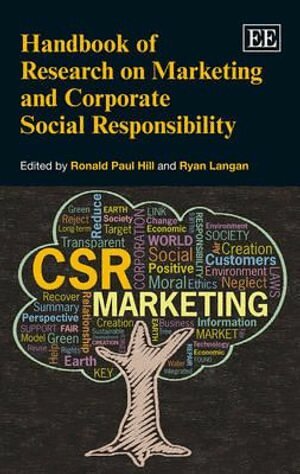
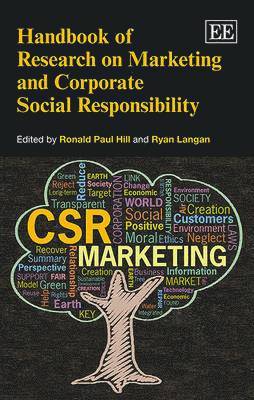
The strategic importance of Corporate Social Responsibility for both large and small businesses only continues to grow. This Handbook explores the complex relationship between marketing and social responsibility, with a focus on marketing as a driver for CSR initiatives.Written by many of the leading scholars in the field, this is the first collection to examine CSR from a variety of marketing dimensions and a diverse set of cross-cultural perspectives, including consumer behavior, strategy, and public policy. The authors examine whether CSR holds equal value for both businesses and nonprofit organizations, and explore what happens when businesses fail to meet their larger social responsibilities. They also investigate potential consequences and the possibility that firms might do both good and harm while pursuing CSR initiatives.The conceptual and empirical insights found in this Handbook make it a useful resource for practitioners and an invaluable supplement to marketing curricula.Contributors: L. M. Aksoy, K. L. Becker-Olsen, E. Bigne, C.L. Bowen, D. L. Cassill, C. Corus, R. Curras-Perez, M. e. Drumright, A. Ekpo, L. Ferrell, O.C. Ferrell, F. Guzman, G. R. Henderson, R.P. Hill, Y. A. Komarova, G. R. Laczniak, R. Langan, D.R. Lehmann, S. Lopez, D. M. Martin, K. D. Martin, J. G. Mikeska, P. E. Murphy, J. L. Ozanne, M. Pirson, F.F. Quinn, J. M. Rapp, H. Ryu, J. Sawayda. J. Schouten, N. C. Smith, C. R. Taylor, D.M. Thorne, H. Weijo, Z. Yvaire
781 kr
Skickas inom 7-10 vardagar
The strategic importance of Corporate Social Responsibility for both large and small businesses only continues to grow. This Handbook explores the complex relationship between marketing and social responsibility, with a focus on marketing as a driver for CSR initiatives.Written by many of the leading scholars in the field, this is the first collection to examine CSR from a variety of marketing dimensions and a diverse set of cross-cultural perspectives, including consumer behavior, strategy, and public policy. The authors examine whether CSR holds equal value for both businesses and nonprofit organizations, and explore what happens when businesses fail to meet their larger social responsibilities. They also investigate potential consequences and the possibility that firms might do both good and harm while pursuing CSR initiatives.The conceptual and empirical insights found in this Handbook make it a useful resource for practitioners and an invaluable supplement to marketing curricula.Contributors: L. M. Aksoy, K. L. Becker-Olsen, E. Bigne, C.L. Bowen, D. L. Cassill, C. Corus, R. Curras-Perez, M. e. Drumright, A. Ekpo, L. Ferrell, O.C. Ferrell, F. Guzman, G. R. Henderson, R.P. Hill, Y. A. Komarova, G. R. Laczniak, R. Langan, D.R. Lehmann, S. Lopez, D. M. Martin, K. D. Martin, J. G. Mikeska, P. E. Murphy, J. L. Ozanne, M. Pirson, F.F. Quinn, J. M. Rapp, H. Ryu, J. Sawayda. J. Schouten, N. C. Smith, C. R. Taylor, D.M. Thorne, H. Weijo, Z. Yvaire