Ronald Radano - Böcker
Visar alla böcker från författaren Ronald Radano. Handla med fri frakt och snabb leverans.
5 produkter
5 produkter
187 kr
Skickas inom 10-15 vardagar
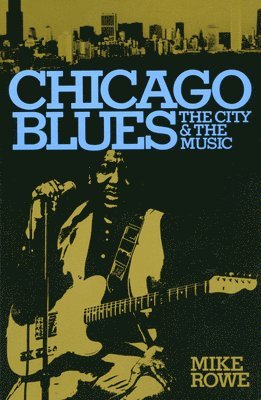
Chicago has always had a reputation as a "wide open town" with a high tolerance for gangsters, illegal liquor, and crooked politicians. It has also been the home for countless black musicians and the birthplace of a distinctly urban blues,more sophisticated, cynical, and street-smart than the anguished songs of the Mississippi delta,a music called the Chicago blues. This is the history of that music and the dozens of black artists who congregated on the South and Near West Sides. Muddy Waters, Big Bill Broonzy, Howlin' Wolf, Elmore James, Tampa Red, Little Walter, Jimmy Reed, Otis Rush, Sonny Boy Williamson, Junior Wells, Eddie Taylor,all of these giants played throughout the city and created a musical style that had imitators and influence all over the world.
1 724 kr
Skickas inom 7-10 vardagar
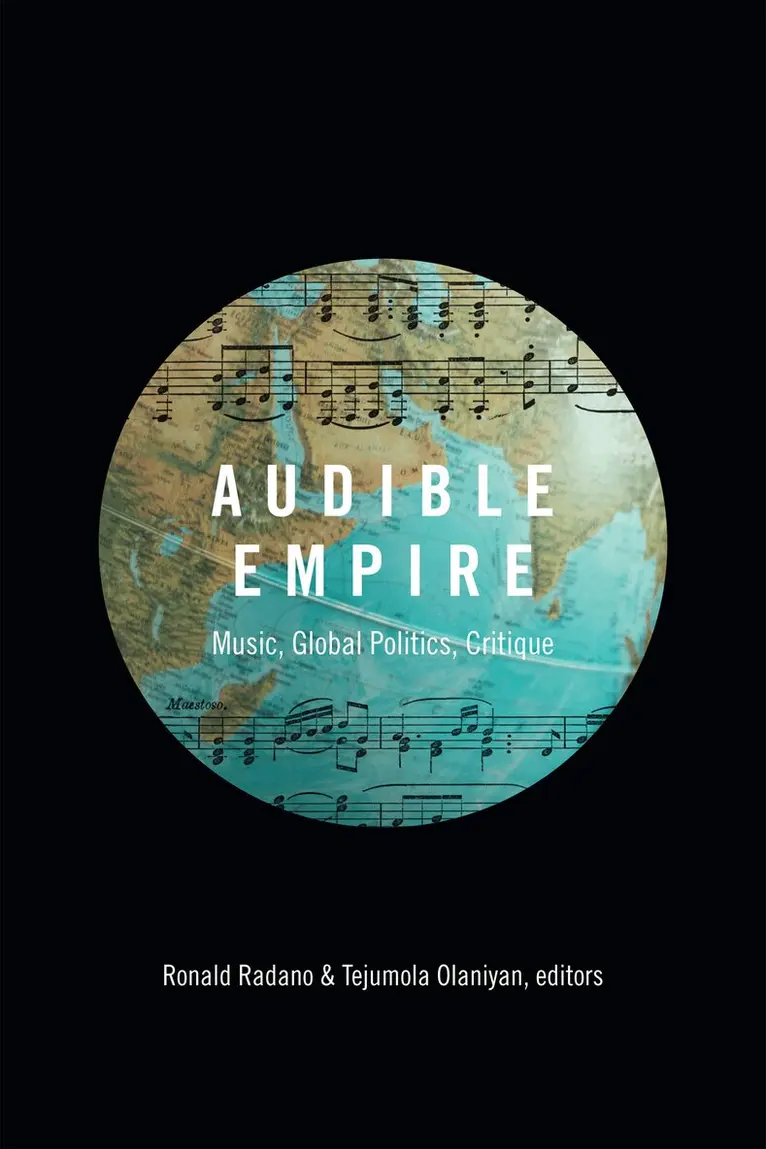
Audible Empire rethinks the processes and mechanisms of empire and shows how musical practice has been crucial to its spread around the globe. Music is a means of comprehending empire as an audible formation, and the contributors highlight how it has been circulated, consumed, and understood through imperial logics. These fifteen interdisciplinary essays cover large swaths of genre, time, politics, and geography, and include topics such as the affective relationship between jazz and cigarettes in interwar China; the sonic landscape of the U.S.– Mexico border; the critiques of post-9/11 U.S. empire by desi rappers; and the role of tonality in the colonization of Africa. Whether focusing on Argentine tango, theorizing anticolonialist sound, or examining the music industry of postapartheid South Africa, the contributors show how the audible has been a central component in the creation of imperialist notions of reason, modernity, and culture. In doing so, they allow us to hear how empire is both made and challenged.Contributors: Kofi Agawu, Philip V. Bohlman. Michael Denning, Brent Hayes Edwards, Nan Enstad, Andrew Jones, Josh Kun, Morgan Luker, Jairo Moreno, Tejumola Olaniyan, Marc Perry, Ronald Radano, Nitasha Sharma, Micol Seigel, Gavin Steingo, Penny Von Eschen, Amanda Weidman.
427 kr
Skickas inom 7-10 vardagar
Audible Empire rethinks the processes and mechanisms of empire and shows how musical practice has been crucial to its spread around the globe. Music is a means of comprehending empire as an audible formation, and the contributors highlight how it has been circulated, consumed, and understood through imperial logics. These fifteen interdisciplinary essays cover large swaths of genre, time, politics, and geography, and include topics such as the affective relationship between jazz and cigarettes in interwar China; the sonic landscape of the U.S.– Mexico border; the critiques of post-9/11 U.S. empire by desi rappers; and the role of tonality in the colonization of Africa. Whether focusing on Argentine tango, theorizing anticolonialist sound, or examining the music industry of postapartheid South Africa, the contributors show how the audible has been a central component in the creation of imperialist notions of reason, modernity, and culture. In doing so, they allow us to hear how empire is both made and challenged.Contributors: Kofi Agawu, Philip V. Bohlman. Michael Denning, Brent Hayes Edwards, Nan Enstad, Andrew Jones, Josh Kun, Morgan Luker, Jairo Moreno, Tejumola Olaniyan, Marc Perry, Ronald Radano, Nitasha Sharma, Micol Seigel, Gavin Steingo, Penny Von Eschen, Amanda Weidman.
1 631 kr
Skickas inom 7-10 vardagar
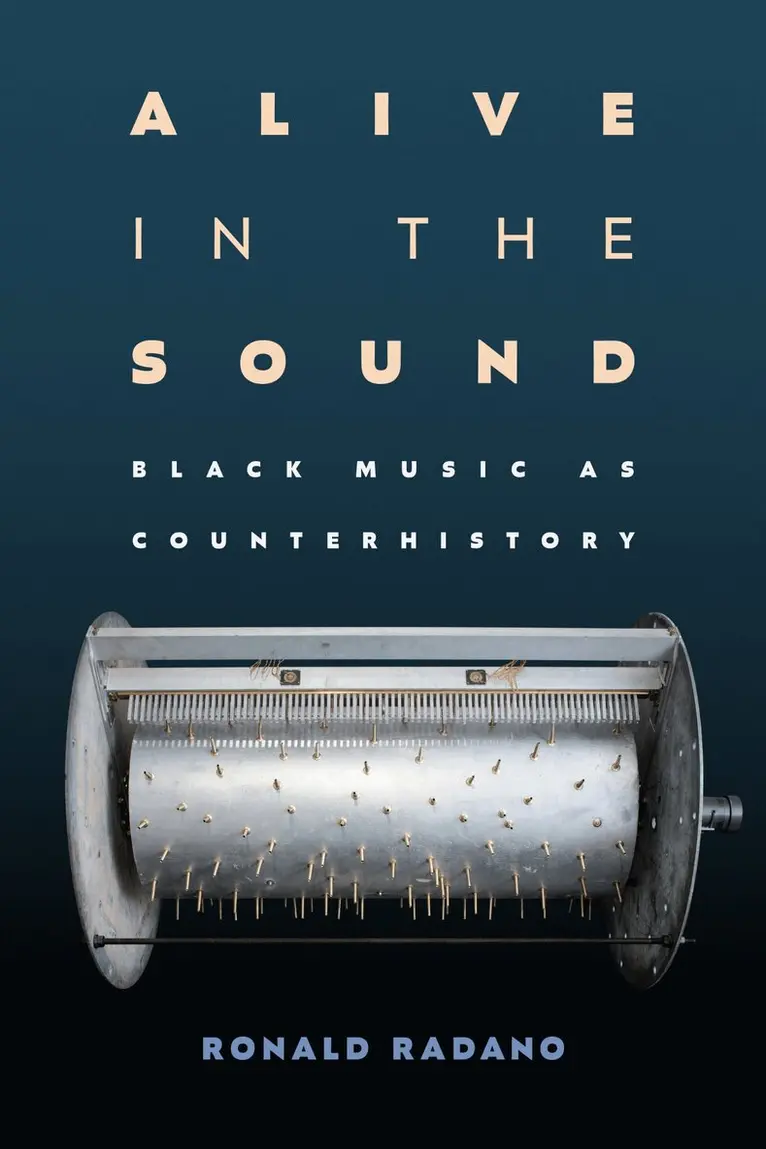
In Alive in the Sound, Ronald Radano proposes a new understanding of US Black music by focusing on the key matter of value, manifested musically in its seemingly embodied qualities - spirit, soul, and groove. While acknowledging these qualities are always embedded in Black music, Radano shows they developed not simply from performance but from musicians’ status as laborers inhabiting an enduring racial-economic contradiction: Black music originated publicly as an exchangeable property owned by people whose subhuman status granted them - as “natural” musicians - indelible properties of sound. As a contradiction of the rules of ownership, where enslaved property was forbidden the right to own, modern Black music emerges after emancipation as a primary possession, moving dialectically into commercial markets and counterhistorically back into Black worlds. Slavery’s seminal contests of ownership underlie modern musical sensations of aliveness, which become the chief measure of value in popular music. By reconceiving US Black music history as a history of value, Radano rethinks the music’s place in US and global culture.
400 kr
Skickas inom 7-10 vardagar
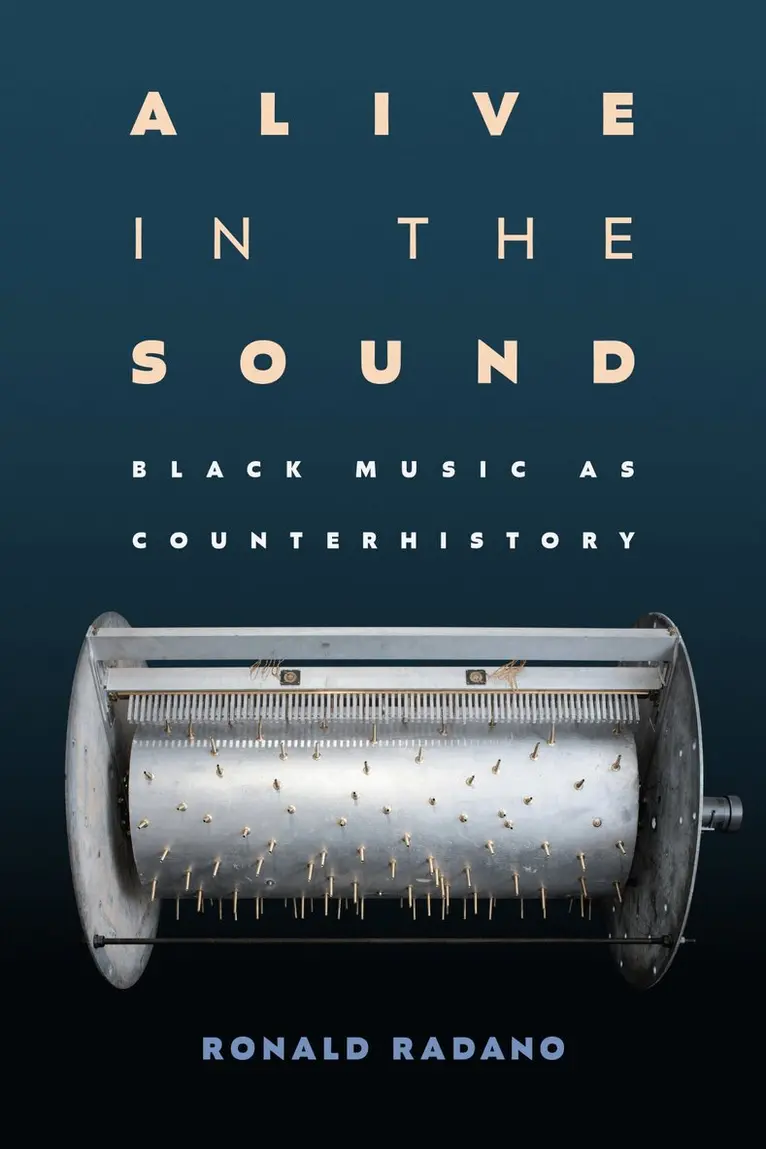
In Alive in the Sound, Ronald Radano proposes a new understanding of US Black music by focusing on the key matter of value, manifested musically in its seemingly embodied qualities - spirit, soul, and groove. While acknowledging these qualities are always embedded in Black music, Radano shows they developed not simply from performance but from musicians’ status as laborers inhabiting an enduring racial-economic contradiction: Black music originated publicly as an exchangeable property owned by people whose subhuman status granted them - as “natural” musicians - indelible properties of sound. As a contradiction of the rules of ownership, where enslaved property was forbidden the right to own, modern Black music emerges after emancipation as a primary possession, moving dialectically into commercial markets and counterhistorically back into Black worlds. Slavery’s seminal contests of ownership underlie modern musical sensations of aliveness, which become the chief measure of value in popular music. By reconceiving US Black music history as a history of value, Radano rethinks the music’s place in US and global culture.