Ronna Burger – författare
Visar alla böcker från författaren Ronna Burger. Handla med fri frakt och snabb leverans.
9 produkter
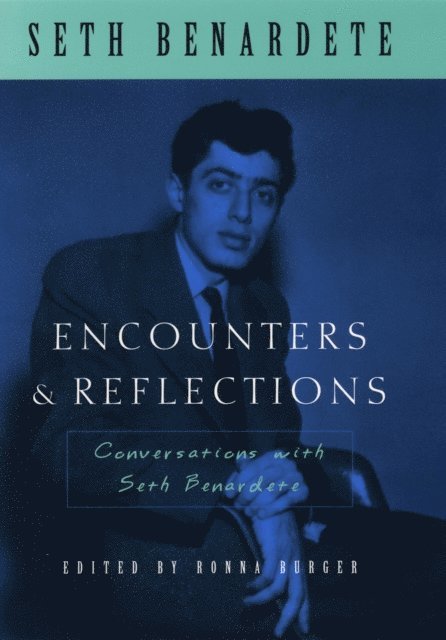
Encounters and Reflections
Conversations with Seth Benardete
Av Seth Benardete, Ronna Burger
E-bok, 2010
1068 kr
Lägg i varukorg
By turns wickedly funny and profoundly illuminating, Encounters and Reflections presents a captivating and unconventional portrait of the life and works of Seth Benardete. One of the leading scholars of ancient thought, Benardete here reflects on both the people he knew and the topics that …
Aristotle's Dialogue with Socrates
On the "Nicomachean Ethics"
Av Ronna Burger
Inbunden, 2008
854 kr
Lägg i varukorg
What is the good life for a human being? Aristotle's exploration of this question in the "Nicomachean Ethics" has established it as a founding work of Western philosophy, though its teachings have long puzzled readers and provoked spirited discussion. Adopting a radically new point of view, Ronna …
Aristotle's Dialogue with Socrates
On the "Nicomachean Ethics"
Av Ronna Burger
Häftad, 2009
316 kr
Lägg i varukorg
What is the good life for a human being? Aristotle's exploration of this question in the "Nicomachean Ethics" has established it as a founding work of Western philosophy, though its teachings have long puzzled readers and provoked spirited discussion. Adopting a radically new point of view, Ronna …
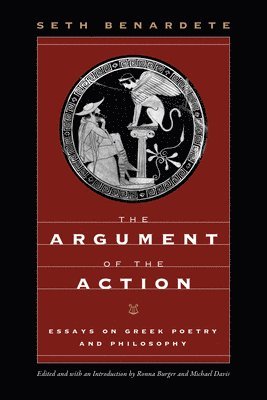
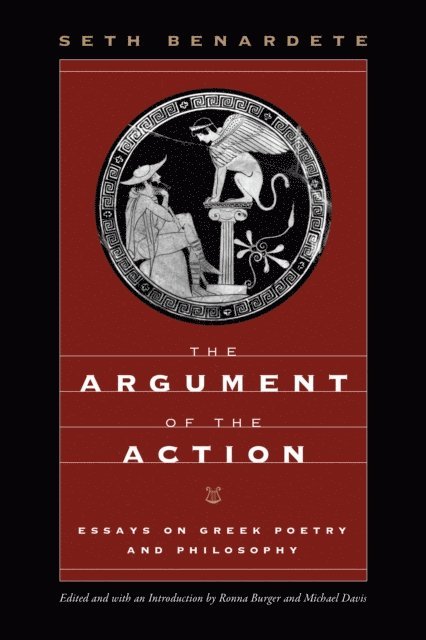
Argument of the Action
Essays on Greek Poetry and Philosophy
Av Seth Benardete, Ronna Burger m. fl.
Häftad, 2024
303 kr
Lägg i varukorg
This volume brings together Seth Benardete’s studies of Hesiod, Homer, and Greek tragedy, eleven Platonic dialogues, and Aristotle’s Metaphysics.The Argument of the Action spans four decades of Seth Benardete’s work, documenting its impressive range. Benardete’s philosophic reading of the poets and …
Argument of the Action
Essays on Greek Poetry and Philosophy
Av Seth Benardete, Michael Davis m. fl.
E-bok, 2024
584 kr
Lägg i varukorg
This volume brings together Seth Benardete’s studies of Hesiod, Homer, and Greek tragedy, eleven Platonic dialogues, and Aristotle’s Metaphysics . The Argument of the Action spans four decades of Seth Benardete’s work, documenting its impressive range. Benardete’s philosophic reading of the poets …
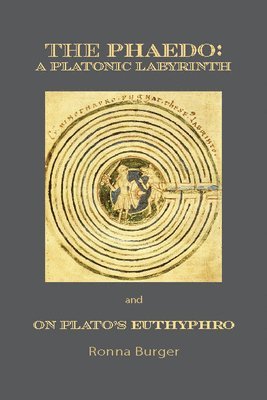
Phaedo – A Platonic Labyrinth and On Plato′s Euthyphro: New Edition
Av Ronna Burger
Häftad, 2025
264 kr
Lägg i varukorg
Since antiquity the Phaedo has been considered the source of “the twin pillars of Platonism” – the theory of ideas and the immortality of the soul. Tracing the movement of the argument through the work as a whole, Burger is led to a radical rethinking of those doctrines. That movement is indicated …
Phaedo A Platonic Labyrinth
Av Ronna Burger
Häftad, 2019
222 kr
Kommande
Since antiquity the 'Phaedo' has been considered the source of "the twin pillars of Platonism" - the theory of ideas and the immortality of the soul. Burger's attempt to trace the underlying argument of the work as a whole leads to a radical rethinking of the status of those doctrines. The movement …
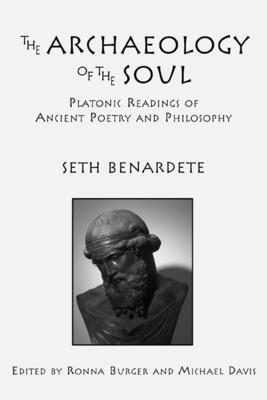
Archaeology of the Soul – Platonic Readings in Ancient Poetry and Philosophy
Av Seth Benardete, Ronna Burger m. fl.
Inbunden, 2012
499 kr
Tillfälligt slut
The Archaeology of the Soul is a testimony to the extraordinary scope of Seth Benardete’s thought. Some essays concern particular authors or texts; others range more broadly and are thematic. Some deal explicitly with philosophy; others deal with epic, lyric, and tragic poetry. Some of these …
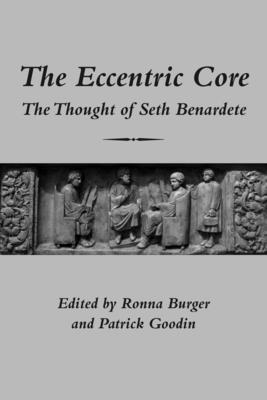
Eccentric Core – The Thought of Seth Benardete
Av Ronna Burger, Patrick Goodin m. fl.
Häftad, 2018
230 kr
Tillfälligt slut
This volume is a tribute to the thought of Seth Benardete by contributors who had the rare good fortune of studying with him or those who discovered the treasure of his writings. Benardete’s classical scholarship and remarkable knowledge of Greek served his philosophic quest to understand the …