Roopika Risam - Böcker
Visar alla böcker från författaren Roopika Risam. Handla med fri frakt och snabb leverans.
11 produkter
11 produkter
389 kr
Kommande
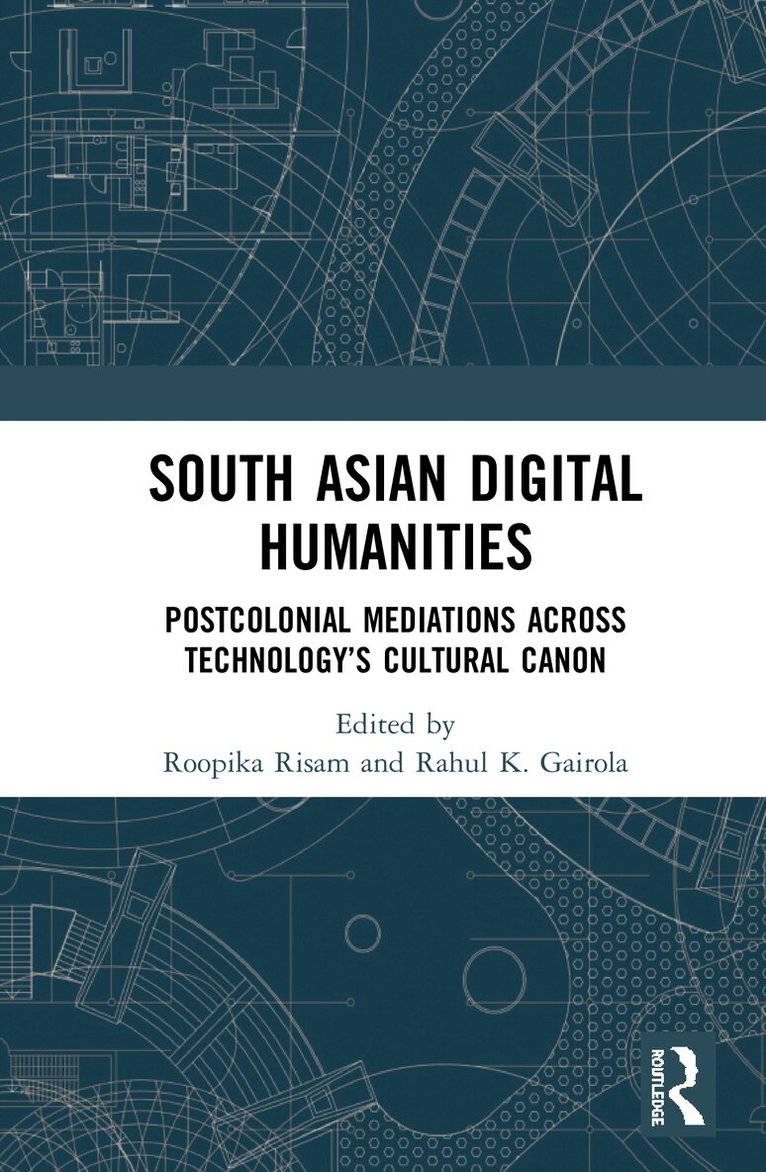
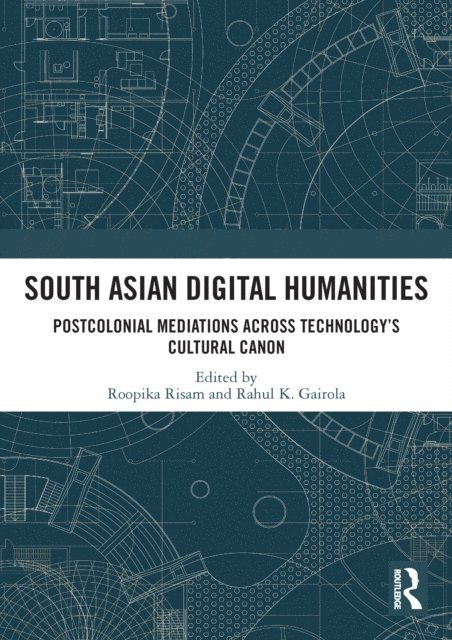
South Asian Digital Humanities
Postcolonial Mediations across Technology’s Cultural Canon
Inbunden, Engelska, 2020
2 419 kr
Skickas inom 10-15 vardagar
The digital cultural record has a powerful role to play in both new and future strategies of creating new homes within the digital milieu. For example, the development and establishment of new digital archives around South Asian studies not only allows us to create new archives of the past but also to remember and commemorate the past differently. New maps transform how we understand space and place. And new digital comfort zones facilitate connections for those whose family and loved ones are only accessible online. Such interventions are essential to the recuperation of the integrity and soul of a people who have lived through and continue to shoulder the fraught and painful legacies of the British Empire and the communal bloodshed wrought by its demise. Building on the important history of digital humanities scholarship in South Asia and its diasporas that precedes this work, this book contends that South Asian studies is further positioned to offer a new genealogy of digital humanities, demonstrated through this assemblage of essays that reveal how the digital continues to shape notions of home, belonging, nation, identity, memory, and diaspora through a variety of humanistic methodologies and digital techniques. South Asian Digital Humanities thus demonstrates that postcolonial digital humanities has great possibility for creating some of the most important social justice scholarship in South Asian studies of the past century. It offers these essays as innovative interventions that complicate the digital cultural record while lodging a 'homelanding' for South Asians within it, positioning digital humanities as a method through which South Asian studies can strategically participate in the ongoing struggle for representation within digital knowledge production.This book was originally published as a special issue of South Asian Review.
South Asian Digital Humanities
Postcolonial Mediations across Technology’s Cultural Canon
Häftad, Engelska, 2024
661 kr
Skickas inom 10-15 vardagar
The digital cultural record has a powerful role to play in both new and future strategies of creating new homes within the digital milieu. For example, the development and establishment of new digital archives around South Asian studies not only allows us to create new archives of the past but also to remember and commemorate the past differently. New maps transform how we understand space and place. And new digital comfort zones facilitate connections for those whose family and loved ones are only accessible online. Such interventions are essential to the recuperation of the integrity and soul of a people who have lived through and continue to shoulder the fraught and painful legacies of the British Empire and the communal bloodshed wrought by its demise. Building on the important history of digital humanities scholarship in South Asia and its diasporas that precedes this work, this book contends that South Asian studies is further positioned to offer a new genealogy of digital humanities, demonstrated through this assemblage of essays that reveal how the digital continues to shape notions of home, belonging, nation, identity, memory, and diaspora through a variety of humanistic methodologies and digital techniques. South Asian Digital Humanities thus demonstrates that postcolonial digital humanities has great possibility for creating some of the most important social justice scholarship in South Asian studies of the past century. It offers these essays as innovative interventions that complicate the digital cultural record while lodging a 'homelanding' for South Asians within it, positioning digital humanities as a method through which South Asian studies can strategically participate in the ongoing struggle for representation within digital knowledge production.This book was originally published as a special issue of South Asian Review.
New Digital Worlds
Postcolonial Digital Humanities in Theory, Praxis, and Pedagogy
Häftad, Engelska, 2018
445 kr
Skickas inom 7-10 vardagar
The emergence of digital humanities has been heralded for its commitment to openness, access, and the democratizing of knowledge, but it raises a number of questions about omissions with respect to race, gender, sexuality, disability, and nation. Postcolonial digital humanities is one approach to uncovering and remedying inequalities in digital knowledge production, which is implicated in an information-age politics of knowledge.New Digital Worlds traces the formation of postcolonial studies and digital humanities as fields, identifying how they can intervene in knowledge production in the digital age. Roopika Risam examines the role of colonial violence in the development of digital archives and the possibilities of postcolonial digital archives for resisting this violence. Offering a reading of the colonialist dimensions of global organizations for digital humanities research, she explores efforts to decenter these institutions by emphasizing the local practices that subtend global formations and pedagogical approaches that support this decentering. Last, Risam attends to human futures in new digital worlds, evaluating both how algorithms and natural language processing software used in digital humanities projects produce universalist notions of the "human" and also how to resist this phenomenon.
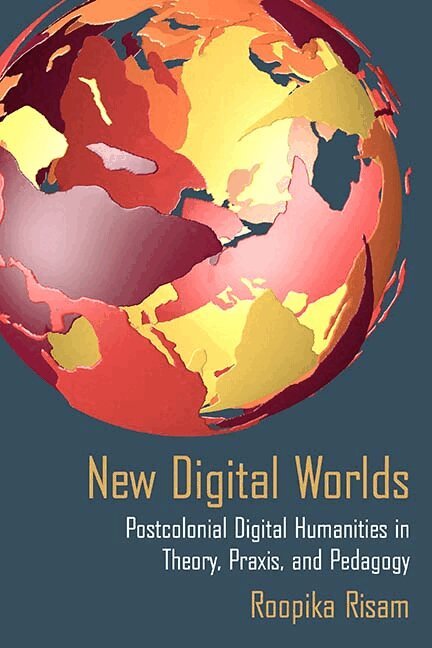
New Digital Worlds
Postcolonial Digital Humanities in Theory, Praxis, and Pedagogy
Inbunden, Engelska, 2018
1 477 kr
Skickas inom 10-15 vardagar
The emergence of digital humanities has been heralded for its commitment to openness, access, and the democratizing of knowledge, but it raises a number of questions about omissions with respect to race, gender, sexuality, disability, and nation. Postcolonial digital humanities is one approach to uncovering and remedying inequalities in digital knowledge production, which is implicated in an information-age politics of knowledge. New Digital Worlds traces the formation of postcolonial studies and digital humanities as fields, identifying how they can intervene in knowledge production in the digital age. Roopika Risam examines the role of colonial violence in the development of digital archives and the possibilities of postcolonial digital archives for resisting this violence. Offering a reading of the colonialist dimensions of global organizations for digital humanities research, she explores efforts to decenter these institutions by emphasizing the local practices that subtend global formations and pedagogical approaches that support this decentering. Last, Risam attends to human futures in new digital worlds, evaluating both how algorithms and natural language processing software used in digital humanities projects produce universalist notions of the ""human"" and also how to resist this phenomenon.
1 498 kr
Skickas inom 10-15 vardagar
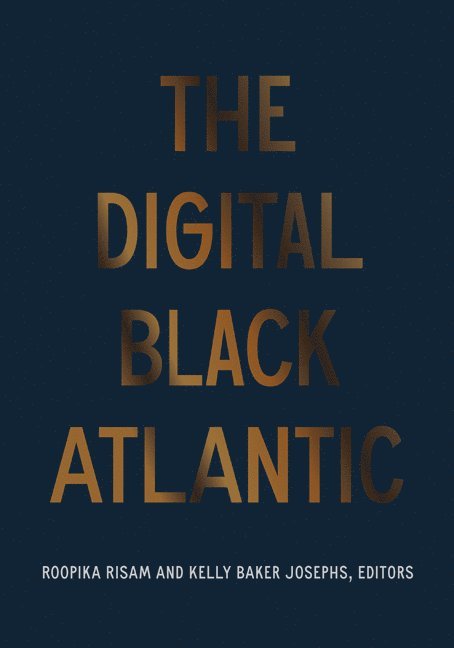
Exploring the intersections of digital humanities and African diaspora studies How can scholars use digital tools to better understand the African diaspora across time, space, and disciplines? And how can African diaspora studies inform the practices of digital humanities? These questions are at the heart of this timely collection of essays about the relationship between digital humanities and Black Atlantic studies, offering critical insights into race, migration, media, and scholarly knowledge production.The Digital Black Atlantic spans the African diaspora's range—from Africa to North America, Europe, and the Caribbean—while its essayists span academic fields—from history and literary studies to musicology, game studies, and library and information studies. This transnational and interdisciplinary breadth is complemented by essays that focus on specific sites and digital humanities projects throughout the Black Atlantic. Covering key debates, The Digital Black Atlantic asks theoretical and practical questions about the ways that researchers and teachers of the African diaspora negotiate digital methods to explore a broad range of cultural forms including social media, open access libraries, digital music production, and video games. The volume further highlights contributions of African diaspora studies to digital humanities, such as politics and representation, power and authorship, the ephemerality of memory, and the vestiges of colonialist ideologies. Grounded in contemporary theory and praxis, The Digital Black Atlantic puts the digital humanities into conversation with African diaspora studies in crucial ways that advance both. Contributors: Alexandrina Agloro, Arizona State U; Abdul Alkalimat; Suzan Alteri, U of Florida; Paul Barrett, U of Guelph; Sayan Bhattacharyya, Singapore U of Technology and Design; Agata Błoch, Institute of History of Polish Academy of Sciences; Michał Bojanowski, Kozminski U; Sonya Donaldson, New Jersey City U; Anne Donlon; Laurent Dubois, Duke U; Amy E. Earhart, Texas A&M U; Schuyler Esprit, U of the West Indies; Demival Vasques Filho, U of Auckland, New Zealand; David Kirkland Garner; Alex Gil, Columbia U; Kaiama L. Glover, Barnard College, Columbia U; D. Fox Harrell, MIT; Hélène Huet, U of Florida; Mary Caton Lingold, Virginia Commonwealth U; Angel David Nieves, San Diego State U; Danielle Olson, MIT; Tunde Opeibi (Ope-Davies), U of Lagos, Nigeria; Jamila Moore Pewu, California State U, Fullerton; Anne Rice, Lehman College, CUNY; Sercan Şengün, Northeastern U; Janneken Smucker, West Chester U; Laurie N.Taylor, U of Florida; Toniesha L. Taylor, Texas Southern U.
361 kr
Skickas inom 7-10 vardagar
Exploring the intersections of digital humanities and African diaspora studies How can scholars use digital tools to better understand the African diaspora across time, space, and disciplines? And how can African diaspora studies inform the practices of digital humanities? These questions are at the heart of this timely collection of essays about the relationship between digital humanities and Black Atlantic studies, offering critical insights into race, migration, media, and scholarly knowledge production.The Digital Black Atlantic spans the African diaspora's range—from Africa to North America, Europe, and the Caribbean—while its essayists span academic fields—from history and literary studies to musicology, game studies, and library and information studies. This transnational and interdisciplinary breadth is complemented by essays that focus on specific sites and digital humanities projects throughout the Black Atlantic. Covering key debates, The Digital Black Atlantic asks theoretical and practical questions about the ways that researchers and teachers of the African diaspora negotiate digital methods to explore a broad range of cultural forms including social media, open access libraries, digital music production, and video games. The volume further highlights contributions of African diaspora studies to digital humanities, such as politics and representation, power and authorship, the ephemerality of memory, and the vestiges of colonialist ideologies. Grounded in contemporary theory and praxis, The Digital Black Atlantic puts the digital humanities into conversation with African diaspora studies in crucial ways that advance both. Contributors: Alexandrina Agloro, Arizona State U; Abdul Alkalimat; Suzan Alteri, U of Florida; Paul Barrett, U of Guelph; Sayan Bhattacharyya, Singapore U of Technology and Design; Agata Błoch, Institute of History of Polish Academy of Sciences; Michał Bojanowski, Kozminski U; Sonya Donaldson, New Jersey City U; Anne Donlon; Laurent Dubois, Duke U; Amy E. Earhart, Texas A&M U; Schuyler Esprit, U of the West Indies; Demival Vasques Filho, U of Auckland, New Zealand; David Kirkland Garner; Alex Gil, Columbia U; Kaiama L. Glover, Barnard College, Columbia U; D. Fox Harrell, MIT; Hélène Huet, U of Florida; Mary Caton Lingold, Virginia Commonwealth U; Angel David Nieves, San Diego State U; Danielle Olson, MIT; Tunde Opeibi (Ope-Davies), U of Lagos, Nigeria; Jamila Moore Pewu, California State U, Fullerton; Anne Rice, Lehman College, CUNY; Sercan Şengün, Northeastern U; Janneken Smucker, West Chester U; Laurie N.Taylor, U of Florida; Toniesha L. Taylor, Texas Southern U.
266 kr
Kommande
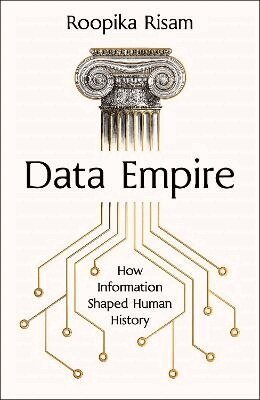
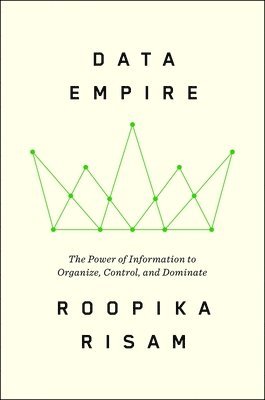
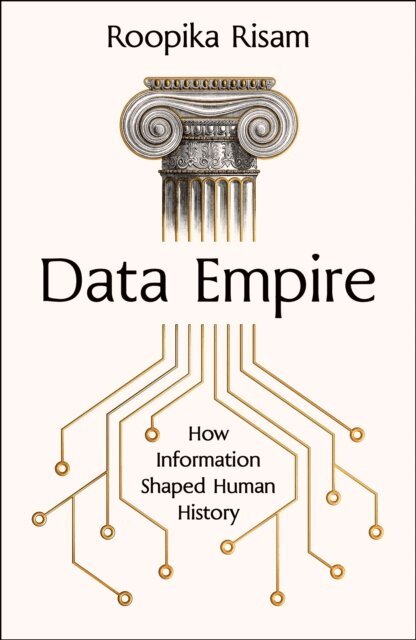
Data built empires. Now it's shaping our future.'Breathtaking in its scope and enormously fulfilling in its depth, this book is profoundly fascinating' Lewis Dartnell, author of Being Human'Essential reading for understanding the opportunities and dangers of the technological revolution now transforming our world' Jonathan Kennedy, author of PathogenesisWe live in an era when trading our information for access can feel harmless or inevitable – yet from targeted advertising to mass surveillance, data shapes the course of our lives. How did it gain the power it now holds over us? Long before writing existed, at the dawn of civilisation in Mesopotamia, rulers pressed marks into clay to keep track of land, people and grain. To rule, they had to keep count. It is no accident, then, that the first written name in human history was neither a god nor a king, but an accountant. As ships and navigation expanded our horizons, a new age of European empires took control of more than 80 per cent of the world’s surface, using colonial censuses, maps and ledgers to decide who belonged, who owed, and who could be sacrificed. Today, a handful of private brokers increasingly define what we see and what is real.Taking readers from ancient cave markings and knotted strings to the algorithmic state, Dartmouth professor Roopika Risam reveals how data has always been the seed of power: a technology of control that has shaped civilizations and upheld empires. Provocative, humane and sweeping in scope, Data Empire challenges us to decide whether we will allow a new set of data empires to hardwire inequality into the next century, or fight for systems that work for the benefit of all.This groundbreaking 11,000 year history argues that empire was never just about weapons or ships - it was built on collecting information on us, to rule us. Perfect for readers of Nexus and The Age of Surveillance Capitalism.'This brilliant, readable book offers a striking new historical perspective' Corinne Fowler, author of Our Island Stories'What if the story of data is the story of humanity? In a work of enormous erudition, Risam guides readers across continents and centuries to reach a sobering conclusion: data is us – our societies, our cultures, our futures – and we are ceding control to an unaccountable few.' Dan Bouk, author of Democracy’s Data
194 kr
Kommande
561 kr
Skickas inom 3-6 vardagar
2 279 kr
Skickas inom 11-20 vardagar