Rosamund Johnston – författare
Visar alla böcker från författaren Rosamund Johnston. Handla med fri frakt och snabb leverans.
6 produkter
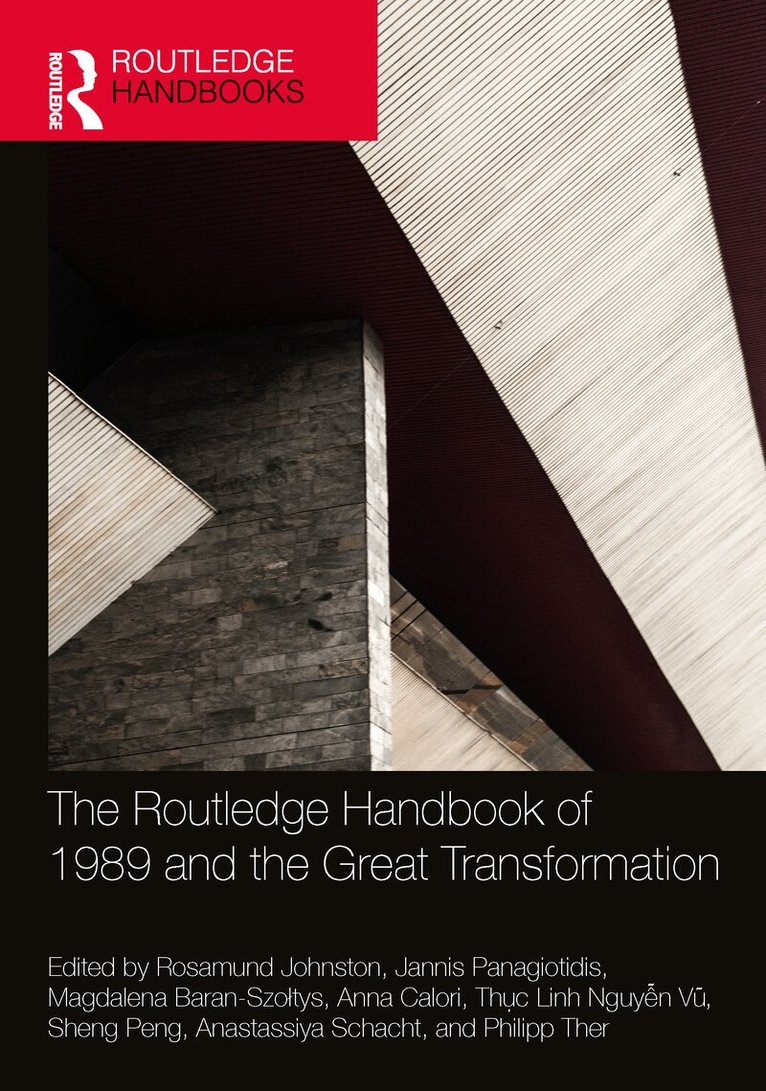
Routledge Handbook of 1989 and the Great Transformation
Av Rosamund Johnston, Jannis Panagiotidis m. fl.
Inbunden, 2025
3785 kr
Lägg i varukorg
This cutting-edge collection of essays analyzes the pivotal year of 1989 and the transformation processes that resulted from a historical perspective. It takes the events of that momentous year as a pivot to explore longer-term processes of economic, social, political, and cultural transformation …
Routledge Handbook of 1989 and the Great Transformation
Av Philipp Ther, Anastassiya Schacht m. fl.
E-bok, 2025
874 kr
Lägg i varukorg
This cutting-edge collection of essays analyzes the pivotal year of 1989 and the transformation processes that resulted from a historical perspective. It takes the events of that momentous year as a pivot to explore longer-term processes of economic, social, political, and cultural transformation …
Routledge Handbook of 1989 and the Great Transformation
Av Philipp Ther, Anastassiya Schacht m. fl.
E-bok, 2025
874 kr
Lägg i varukorg
This cutting-edge collection of essays analyzes the pivotal year of 1989 and the transformation processes that resulted from a historical perspective. It takes the events of that momentous year as a pivot to explore longer-term processes of economic, social, political, and cultural transformation …
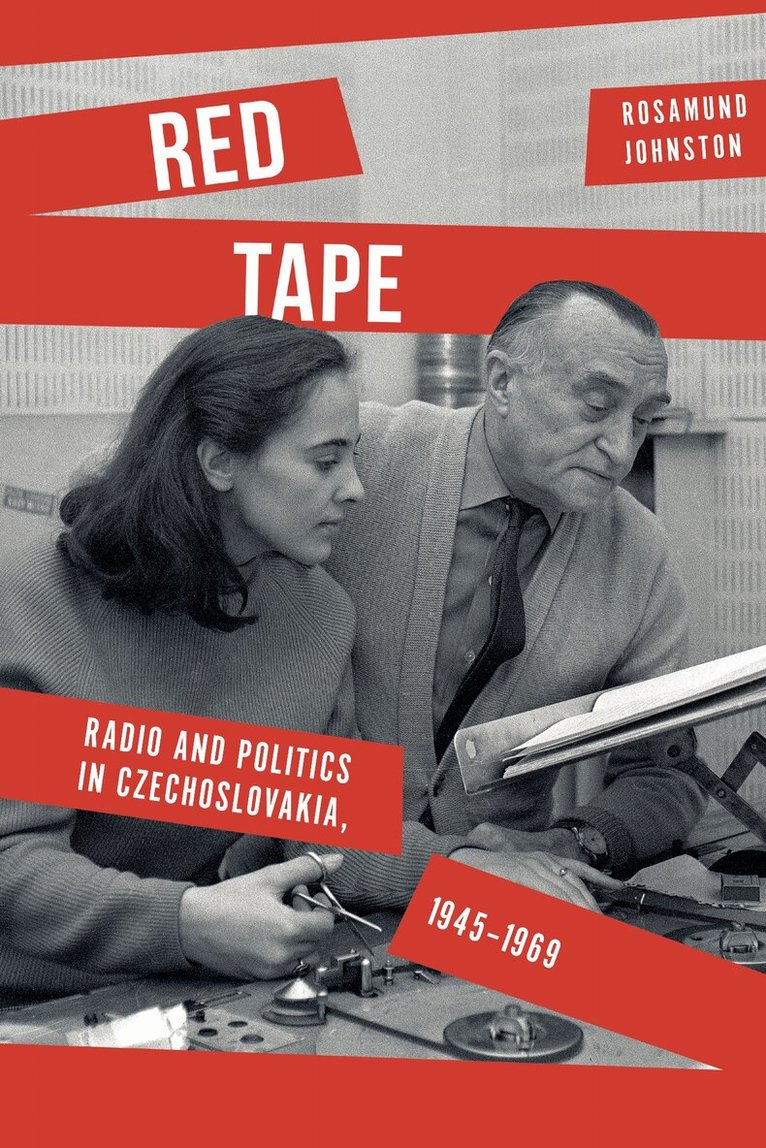
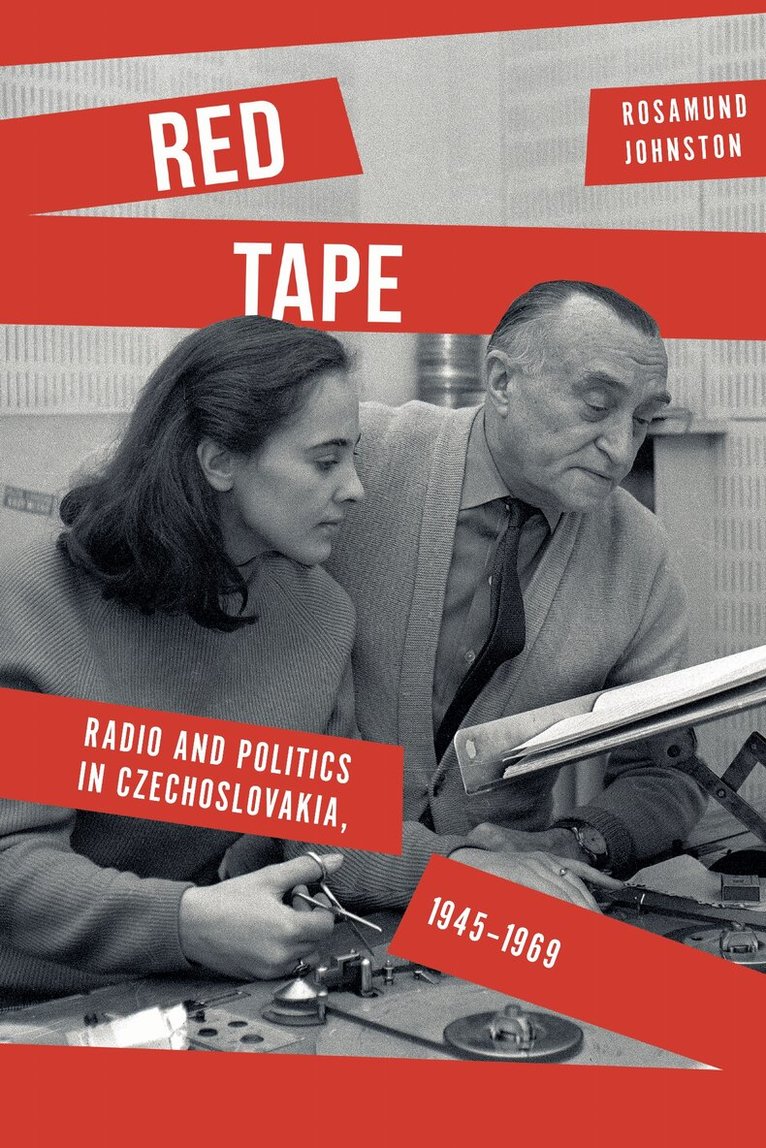
Red Tape
Radio and Politics in Czechoslovakia, 1945-1969
Inbunden, 2024
1503 kr
Lägg i varukorg
In socialist Eastern Europe, radio simultaneously produced state power and created the conditions for it to be challenged. As the dominant form of media in Czechoslovakia from 1945 until 1969, radio constituted a site of negotiation between Communist officials, broadcast journalists, and audiences. …
Red Tape
Radio and Politics in Czechoslovakia, 1945-1969
Häftad, 2024
352 kr
Lägg i varukorg
In socialist Eastern Europe, radio simultaneously produced state power and created the conditions for it to be challenged. As the dominant form of media in Czechoslovakia from 1945 until 1969, radio constituted a site of negotiation between Communist officials, broadcast journalists, and audiences. …
Red Tape
Radio and Politics in Czechoslovakia, 1945-1969
E-bok, 2024
415 kr
Lägg i varukorg
In socialist Eastern Europe, radio simultaneously produced state power and created the conditions for it to be challenged. As the dominant form of media in Czechoslovakia from 1945 until 1969, radio constituted a site of negotiation between Communist officials, broadcast journalists, and audiences. …