Ross Benes – författare
Visar alla böcker från författaren Ross Benes. Handla med fri frakt och snabb leverans.
2 produkter
2 produkter
1999
The Year Low Culture Conquered America and Kickstarted Our Bizarre Times
Inbunden, Engelska, 2025
355 kr
Skickas inom 10-15 vardagar
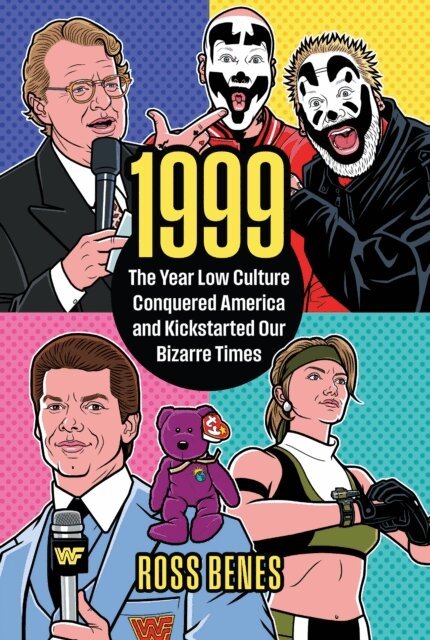
From pro wrestling and Pokémon to Vince McMahon and Jerry Springer, this look at the low culture of the late '90s reveals its profound impact and how it continues to affect our culture and society today.The year 1999 was a high-water mark for popular culture. According to one measure, it was the “best movie year ever.” But as journalist Ross Benes shows, the end of the ’90s was also a banner year for low culture. This was the heyday of Jerry Springer, Jenna Jameson, and Vince McMahon, among many others. Low culture had come into its own and was poised for world domination. The reverberations of this takeover continue to shape American society.During its New Year’s Eve countdown, MTV entered 1999 with Limp Bizkit covering Prince’s famous anthem to the new year. The highlights of the lowlights continued when WCW and WWE drew 35 million American viewers each week with sex appeal and stories about insurrections. Insane Clown Posse emerged from the underground with a Woodstock set and platinum records about magic and murder. Later that year, Dance Dance Revolution debuted in North America and Grand Theft Auto emerged as a major video game franchise. Beanie Babies and Pokémon so thoroughly seized the wallets and imagination of collectors that they created speculative investment bubbles that anticipated the faddish obsession over nonfungible tokens (NFTs). The trashy talk show Jerry Springer became daytime TV’s most-watched program and grew so mainstream that Austin Powers, Sabrina the Teenage Witch, The Wayans Bros., The Simpsons, and The X-Files incorporated Springer into their own plots during the late ’90s. Donald Trump even explored a potential presidential nomination with the Reform Party in 1999 and wanted his running mate to be Oprah Winfrey, whose own talk show would make Dr. Oz a household name. Among Springer’s many guests were porn stars who, at the end of the millennium, were pursuing sex records in a bid for stardom as the pornography industry exploded, aided by sex scandals, new technology, and the drug Viagra, which marked its first full year on the US market in 1999.According to Benes, there are many lessons to learn from the year that low culture conquered the world. Talk shows and reality TV foreshadowed the way political movements grab power by capturing our attention. Pro wrestling mastered the art of “kayfabe”—the agreement to treat something as real and genuine when it is not—before it spread throughout American society, as political contests, corporate public relations campaigns, and nonprofit fundraising schemes have become their own wrestling matches that require a suspension of disbelief. Beanie Babies and Pokémon demonstrate capitalism’s resiliency as well as its vulnerabilities. Legal and technological victories obtained by early internet pornographers show how the things people are ashamed of have the ability to influence the world. Insane Clown Posse’s creation of loyal Juggalos illustrates the way religious and political leaders are able to generate faithful followers by selling themselves as persecuted outsiders. And the controversy over video game violence reveals how every generation finds new scapegoats.1999 is not just a nostalgic look at the past. It is also a window into our contentious present.
324 kr
Skickas inom 10-15 vardagar
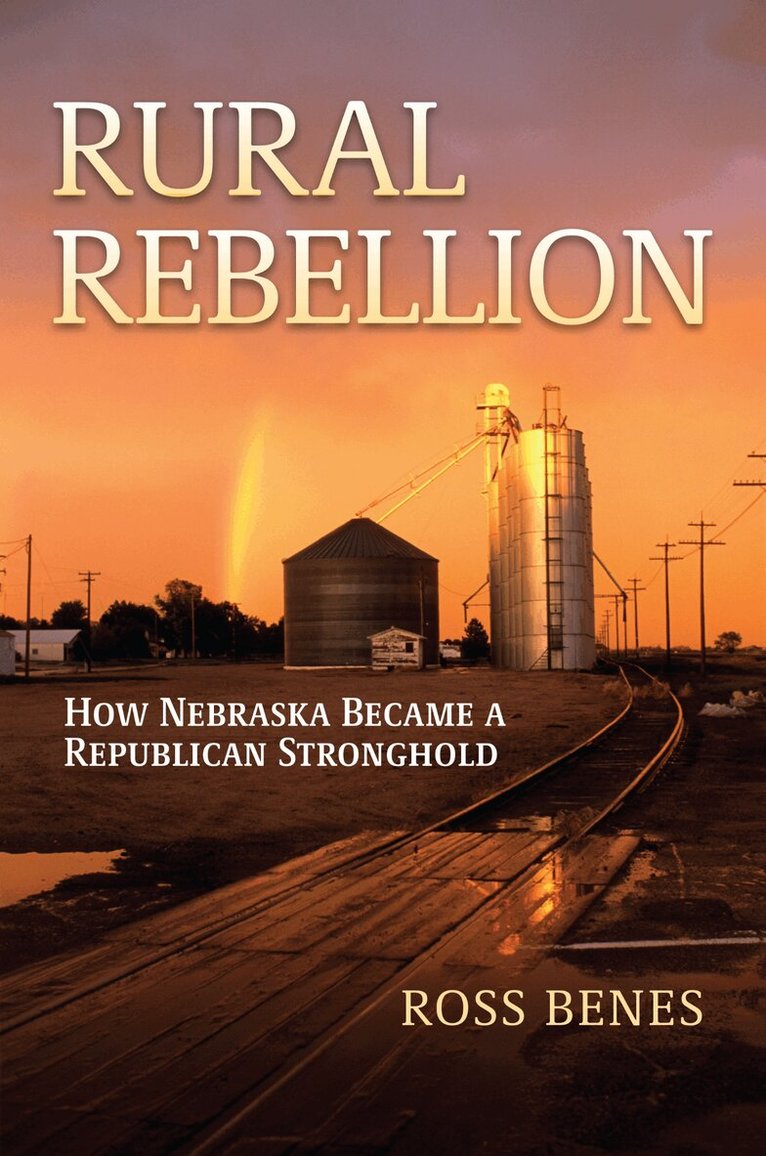
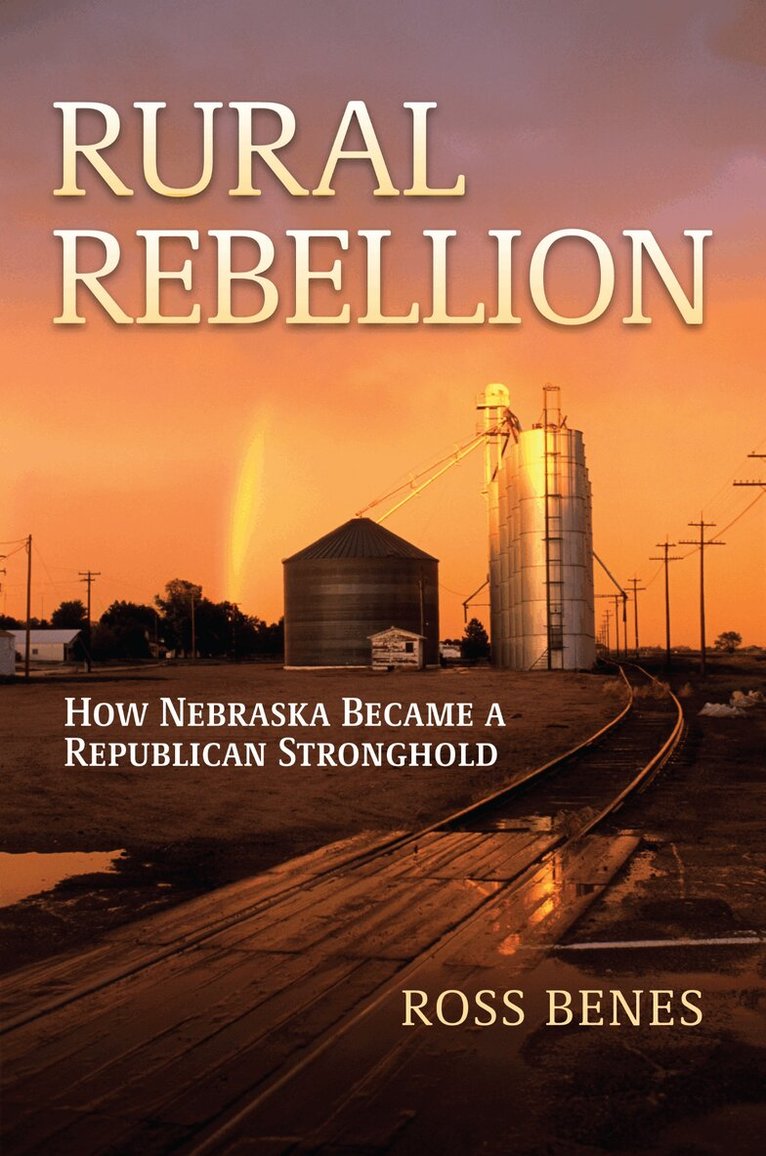
After Ross Benes left Nebraska for New York, he witnessed his polite home state become synonymous with “Trump country.” Long dismissed as “flyover” land, the area where he was born and raised suddenly became the subject of TV features and frequent opinion columns. With the rural-urban divide overtaking the national conversation, Benes knew what he had to do: go home.In Rural Rebellion, Benes explores Nebraska’s shifting political landscape to better understand what’s plaguing America. He clarifies how Nebraska defies red-state stereotypes while offering readers insights into how a frontier state with a tradition of nonpartisanship succumbed to the hardened right. Extensive interviews with US senators, representatives, governors, state lawmakers, and other power brokers illustrate how local disputes over health-care coverage and education funding became microcosms for our current national crisis.Rural Rebellion is also the story of one man coming to terms with both his past and present. Benes writes about the dissonance of moving from the most rural and conservative region of the country to its most liberal and urban centers as they grow further apart at a critical moment in history. He seeks to bridge America’s current political divides by contrasting the conservative values he learned growing up in a town of three hundred with those of his liberal acquaintances in New York City, where he now lives.At a time when social and political differences are too often portrayed in stark binary terms, and people in the Trump-supporting heartland are depicted in reductive, one-dimensional ways, Benes tells real-life stories to add depth and nuance to our understanding of rural Americans’ attitudes about abortion, immigration, big government, and other contentious issues. His argument and conclusion are simple but powerful: that Americans in disparate places would be less hostile to one another if they just knew each other a little better. Part memoir, journalism, and social science, Rural Rebellion is a book for our times.