Roy Douglas – författare
Visar alla böcker från författaren Roy Douglas. Handla med fri frakt och snabb leverans.
17 produkter
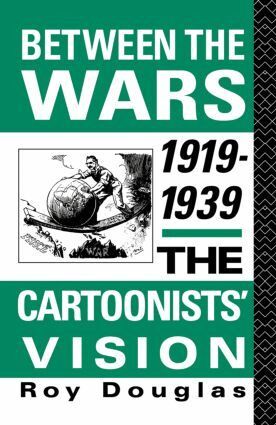
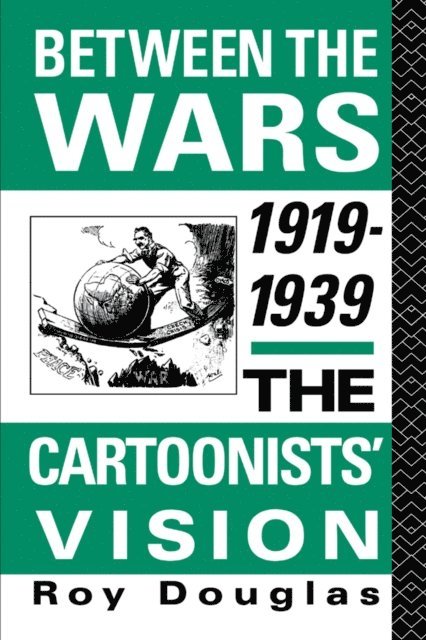
Between the Wars 1919-1939
The Cartoonists' Vision
Av Roy Douglas
Inbunden, 1992
3346 kr
Lägg i varukorg
First Published in 1992. `Between the wars' was the great age of the cartoon character. The adventures of Mickey Mouse, Popeye, and Donald Duck were followed avidly by millions. Even the political leaders of the grim world of the 1920s and 1930s were known to millions as cartoon characters - gawky, …
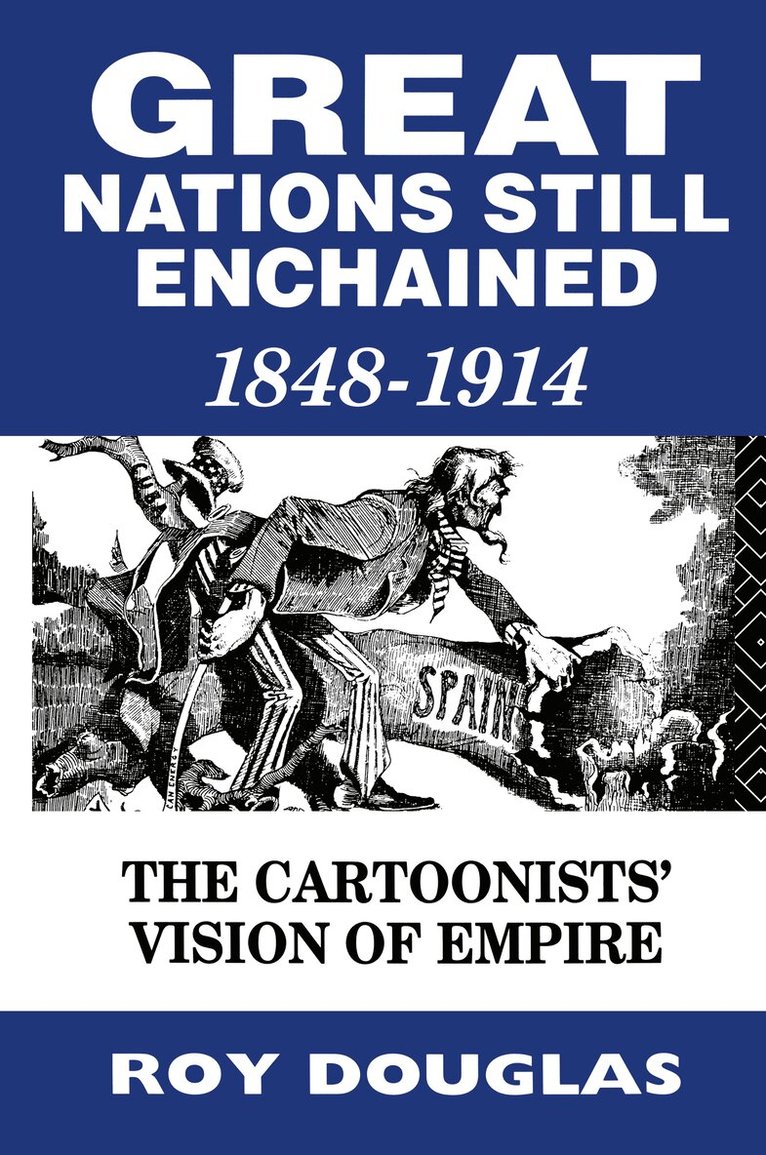
Great Nations Still Enchained
The Cartoonists' Vision of Empire 1848-1914
Av Roy Douglas
Inbunden, 1993
2578 kr
Lägg i varukorg
The grandeur of the great imperial powers of the nineteenth century - Britain, France, Germany, Russia, Austria-Hungary and even the burgeoning United States, was constantly subverted by the cartoonists of the day. As Roy Douglas reveals, cartoons are often more accurate guides to popular feelings …
Great Nations Still Enchained
The Cartoonists' Vision of Empire 1848-1914
Av Roy Douglas
Häftad, 2013
770 kr
Lägg i varukorg
The grandeur of the great imperial powers of the nineteenth century - Britain, France, Germany, Russia, Austria-Hungary and even the burgeoning United States, was constantly subverted by the cartoonists of the day. As Roy Douglas reveals, cartoons are often more accurate guides to popular feelings …
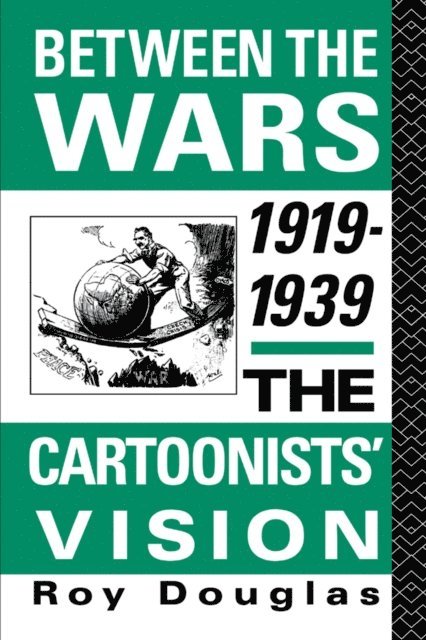
Between the Wars 1919-1939
The Cartoonists' Vision
Av Roy Douglas
Häftad, 2013
770 kr
Lägg i varukorg
First Published in 1992. `Between the wars' was the great age of the cartoon character. The adventures of Mickey Mouse, Popeye, and Donald Duck were followed avidly by millions. Even the political leaders of the grim world of the 1920s and 1930s were known to millions as cartoon characters - gawky, …
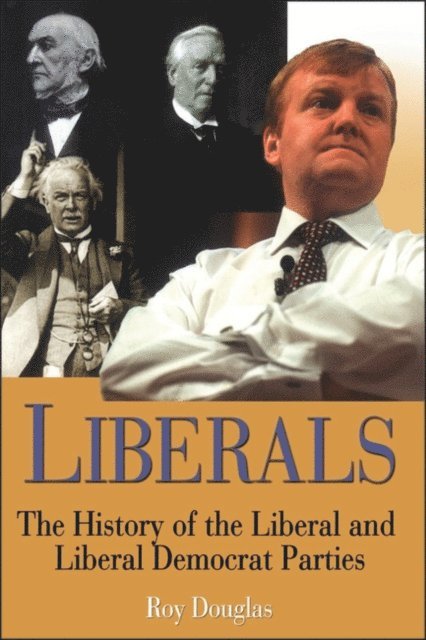
Liberals
Av Roy Douglas
E-bok, 2005
966 kr
Lägg i varukorg
The Liberal Party emerged in mid-Victorian Britain from a combination of Whigs and Peelite Tories. The party of Gladstone, Asquith and Lloyd George, it was a dominant force in Britain, and the world, at the height of the power of the British Empire. Split by Gladstone''s Home Rule Bills, it …
World War 1939-1945
The Cartoonists' Vision
Av Roy Douglas
E-bok, 2021
702 kr
Lägg i varukorg
This new approach to the history of the Second World War, first published in 1990, examines the events of this period through the cartoons of the day. Roy Douglas explains the messages behind the humour and reveals that the perception of war differed radically from country to country. This …
World War 1939-1945
The Cartoonists' Vision
Av Roy Douglas
E-bok, 2021
702 kr
Lägg i varukorg
This new approach to the history of the Second World War, first published in 1990, examines the events of this period through the cartoons of the day. Roy Douglas explains the messages behind the humour and reveals that the perception of war differed radically from country to country. This …
World War 1939–1945
The Cartoonists' Vision
Av Roy Douglas
Inbunden, 2021
2190 kr
Lägg i varukorg
This new approach to the history of the Second World War, first published in 1990, examines the events of this period through the cartoons of the day. Roy Douglas explains the messages behind the humour and reveals that the perception of war differed radically from country to country. This …
World War 1939–1945
The Cartoonists' Vision
Av Roy Douglas
Häftad, 2023
560 kr
Lägg i varukorg
This new approach to the history of the Second World War, first published in 1990, examines the events of this period through the cartoons of the day. Roy Douglas explains the messages behind the humour and reveals that the perception of war differed radically from country to country. This …
Great Nations Still Enchained
The Cartoonists'' Vision of Empire 1848-1914
Av Roy Douglas, Dr Roy Douglas
E-bok, 2013
946 kr
Lägg i varukorg
The grandeur of the great imperial powers of the nineteenth century - Britain, France, Germany, Russia, Austria-Hungary and even the burgeoning United States, was constantly subverted by the cartoonists of the day. As Roy Douglas reveals, cartoons are often more accurate guides to popular feelings …
Great Nations Still Enchained
The Cartoonists'' Vision of Empire 1848-1914
Av Roy Douglas, Dr Roy Douglas
E-bok, 2013
967 kr
Lägg i varukorg
The grandeur of the great imperial powers of the nineteenth century - Britain, France, Germany, Russia, Austria-Hungary and even the burgeoning United States, was constantly subverted by the cartoonists of the day. As Roy Douglas reveals, cartoons are often more accurate guides to popular feelings …
Between the Wars 1919-1939
The Cartoonists' Vision
Av Roy Douglas, Dr Roy Douglas
E-bok, 2016
910 kr
Lägg i varukorg
First Published in 1992. `Between the wars'' was the great age of the cartoon character. The adventures of Mickey Mouse, Popeye, and Donald Duck were followed avidly by millions. Even the political leaders of the grim world of the 1920s and 1930s were known to millions as cartoon characters - …
Between the Wars 1919-1939
The Cartoonists' Vision
Av Roy Douglas, Dr Roy Douglas
E-bok, 2016
910 kr
Lägg i varukorg
First Published in 1992. `Between the wars'' was the great age of the cartoon character. The adventures of Mickey Mouse, Popeye, and Donald Duck were followed avidly by millions. Even the political leaders of the grim world of the 1920s and 1930s were known to millions as cartoon characters - …