Ruben Espinosa - Böcker
Visar alla böcker från författaren Ruben Espinosa. Handla med fri frakt och snabb leverans.
7 produkter
7 produkter
1 644 kr
Skickas inom 10-15 vardagar
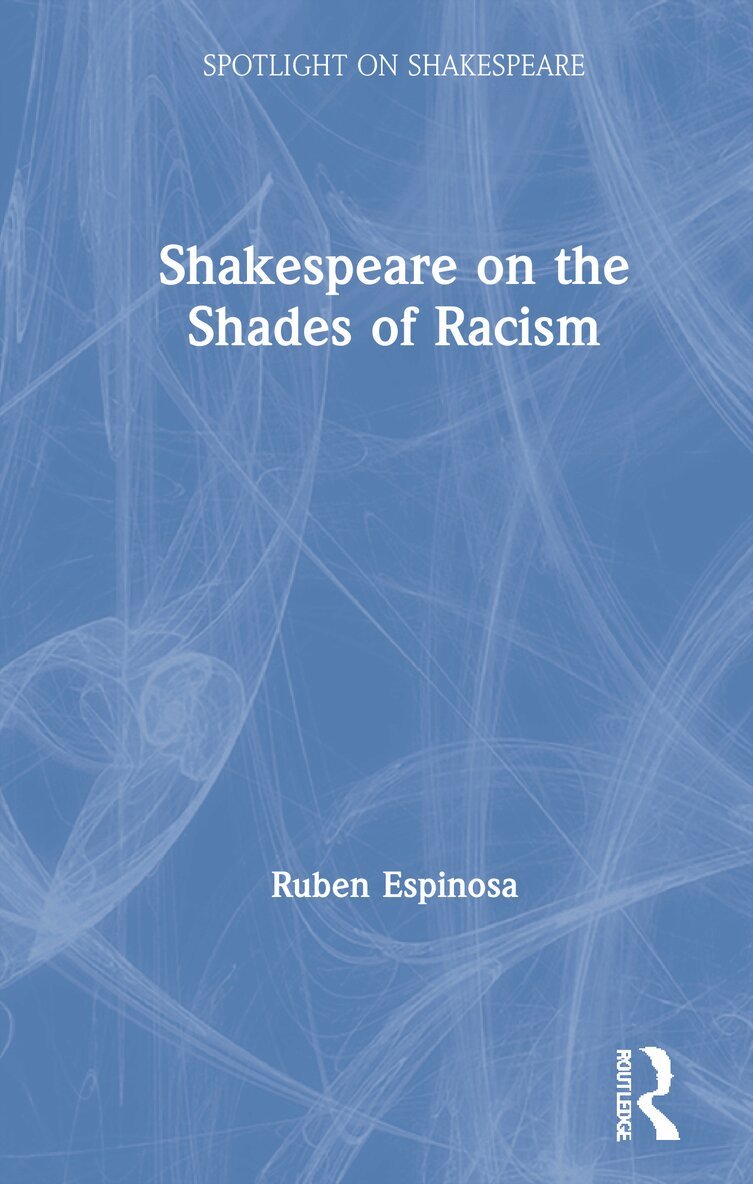
Shakespeare on the Shades of Racism examines Shakespeare in relation to ongoing conversations that interrogate the vulnerability of Black and brown people amid oppressive structures that aim to devalue their worth. By focusing on the way these individuals are racialized, politicized, policed, and often violated in our contemporary world, it casts light on dimensions of Shakespeare’s work that afford us a better understanding of our ethical responsibilities in the face of such brutal racism.Shakespeare on the Shades of Racism is divided into seven short chapters that cast light on contemporary issues regarding racism in our day. Some salient topics that these chapters address include the murder of unarmed Black men and women, the militarization of the U.S. Mexico border, anti-immigrant laws, exclusionary measures aimed at Syrian refugees, inequities in healthcare and safety for women of color, international trends that promote white nationalism, and the dangers of complicity when it comes to racist paradigms. By bringing these contemporary issues into conversation with a wide range of plays that span the many genres in which Shakespeare wrote throughout his career, these chapters demonstrate how the widespread racism and discord within our present moment stands to infuse with urgent meaning Shakespeare’s attention to the (in)humanity of strangers, the ethics of hospitality, the perils of insularity, abuses of power, and the vulnerability of the political state and its subjects.The book puts into conversation Shakespeare with present-day events and cultural products surrounding topics of race, ethnicity, xenophobia, immigration, asylum, assimilation, and nationalism as a means of illuminating Shakespeare’s cultural and literary significance in relation to these issues. It should be an essential read for all students of literary studies and Shakespeare.
382 kr
Skickas inom 10-15 vardagar
Shakespeare on the Shades of Racism examines Shakespeare in relation to ongoing conversations that interrogate the vulnerability of Black and brown people amid oppressive structures that aim to devalue their worth. By focusing on the way these individuals are racialized, politicized, policed, and often violated in our contemporary world, it casts light on dimensions of Shakespeare’s work that afford us a better understanding of our ethical responsibilities in the face of such brutal racism.Shakespeare on the Shades of Racism is divided into seven short chapters that cast light on contemporary issues regarding racism in our day. Some salient topics that these chapters address include the murder of unarmed Black men and women, the militarization of the U.S. Mexico border, anti-immigrant laws, exclusionary measures aimed at Syrian refugees, inequities in healthcare and safety for women of color, international trends that promote white nationalism, and the dangers of complicity when it comes to racist paradigms. By bringing these contemporary issues into conversation with a wide range of plays that span the many genres in which Shakespeare wrote throughout his career, these chapters demonstrate how the widespread racism and discord within our present moment stands to infuse with urgent meaning Shakespeare’s attention to the (in)humanity of strangers, the ethics of hospitality, the perils of insularity, abuses of power, and the vulnerability of the political state and its subjects.The book puts into conversation Shakespeare with present-day events and cultural products surrounding topics of race, ethnicity, xenophobia, immigration, asylum, assimilation, and nationalism as a means of illuminating Shakespeare’s cultural and literary significance in relation to these issues. It should be an essential read for all students of literary studies and Shakespeare.
943 kr
Skickas inom 10-15 vardagar
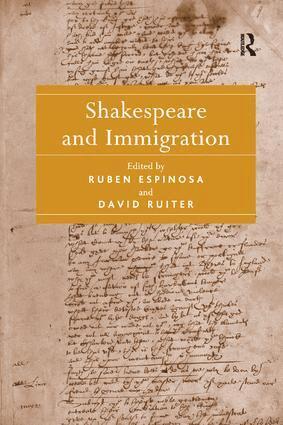
Shakespeare and Immigration critically examines the vital role of immigrants and aliens in Shakespeare's drama and culture. On the one hand, the essays in this collection interrogate how the massive influx of immigrants during the reign of Queen Elizabeth I influenced perceptions of English identity and gave rise to anxieties about homeland security in early modern England. On the other, they shed light on how our current concerns surrounding immigration shape our perception of the role of the alien in Shakespeare's work and expand the texts in new and relevant directions for a contemporary audience. The essays consider the immigrant experience; strangers and strangeness; values of hospitality in relationship to the foreigner; the idea of a host society; religious refuge and refugees; legal views of inclusion and exclusion; structures of xenophobia; and early modern homeland security. In doing so, this volume offers a variety of perspectives on the immigrant experience in Shakespearean drama and how the influential nature of the foreigner affects perceptions of community and identity; and, collection questions what is at stake in staging the anxieties and opportunities associated with foreigners. Ultimately, Shakespeare and Immigration offers the first sustained study of the significance of the immigrant and alien experience to our understanding of Shakespeare's work. By presenting a compilation of views that address Shakespeare's attention to the role of the foreigner, the volume constitutes a timely and relevant addition to studies of race, ethics, and identity in Shakespeare.
943 kr
Skickas inom 10-15 vardagar
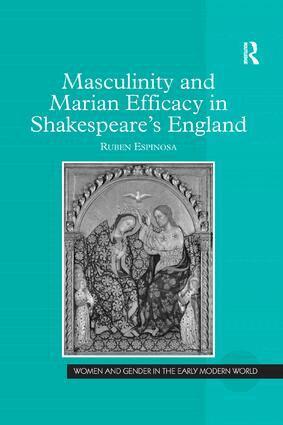
Masculinity and Marian Efficacy in Shakespeare's England offers a new approach to evaluating the psychological 'loss' of the Virgin Mary in post-Reformation England by illustrating how, in the wake of Mary's demotion, re-inscriptions of her roles and meanings only proliferated, seizing hold of national imagination and resulting in new configurations of masculinity. The author surveys the early modern cultural and literary response to Mary's marginalization, and argues that Shakespeare employs both Roman Catholic and post-Reformation views of Marian strength not only to scrutinize cultural perceptions of masculinity, but also to offer his audience new avenues of exploring both religious and gendered subjectivity. By deploying Mary's symbolic valence to infuse certain characters, and dramatic situations with feminine potency, Espinosa analyzes how Shakespeare draws attention to the Virgin Mary as an alternative to an otherwise unilaterally masculine outlook on salvation and gendered identity formation.
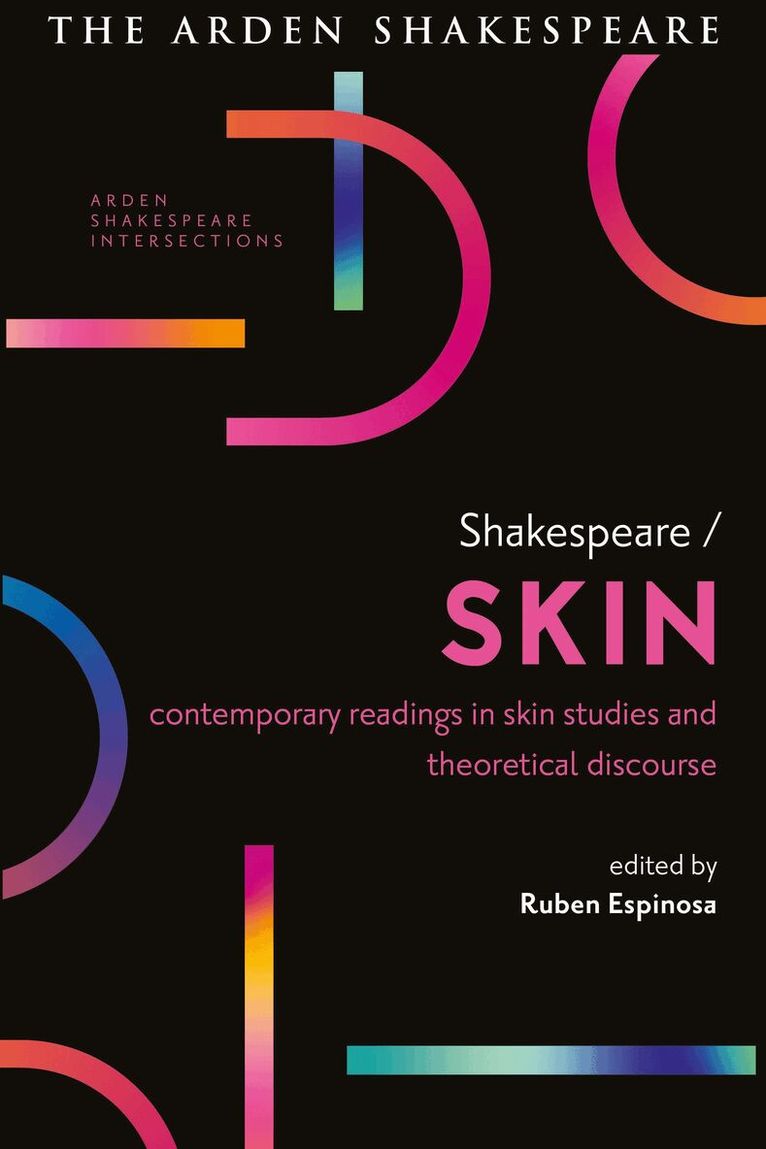
Shakespeare / Skin
Contemporary Readings in Skin Studies and Theoretical Discourse
Inbunden, Engelska, 2024
2 108 kr
Skickas inom 10-15 vardagar
This volume offers a comprehensive array of readings of ‘skin’ in Shakespeare’s works, a term that embraces the human and animal, noun and verb.Shakespeare / Skin departs from previous studies as it deliberately and often explicitly engages with issues of social and racial justice. Each of the chapters interrogates and centres ‘skin’ in relation to areas of expertise that include performance studies, aesthetics, animal studies, religious studies, queer theory, Indigenous studies, history, food studies, border studies, postcolonial studies, Black feminism, disease studies and pedagogy. By considering contemporary understandings of skin, this volume examines how the literature of the early modern past creates paths to constructing racial hierarchies.With contributors from the USA, UK, South Africa, India, Sri Lanka, Singapore and Australia, chapters are informed by an array of histories, shedding light on how skin was understood in Shakespeare’s time and at key moments during the past 400 years in different media and cultures. Chapters include considerations of plays such as Titus Andronicus, The Tempest and A Midsummer Night’s Dream, and work by Borderlands Theater, Los Colochos and Satyajit Ray, among many others.For researchers and instructors, this book will help to shape teaching and inform research through its modelling of antiracist critical practice. Collectively, the chapters in this collection allow us to consider how sustained attention to skin via cross-historical and innovative approaches can reveal to us the various uses of Shakespeare that shed light on the fraught nature of our interrelatedness. They set a path for readers to consider how much skin they have in the game when it comes to challenging structures of racism.
2 401 kr
Skickas inom 10-15 vardagar
Masculinity and Marian Efficacy in Shakespeare's England offers a new approach to evaluating the psychological 'loss' of the Virgin Mary in post-Reformation England by illustrating how, in the wake of Mary's demotion, re-inscriptions of her roles and meanings only proliferated, seizing hold of national imagination and resulting in new configurations of masculinity. The author surveys the early modern cultural and literary response to Mary's marginalization, and argues that Shakespeare employs both Roman Catholic and post-Reformation views of Marian strength not only to scrutinize cultural perceptions of masculinity, but also to offer his audience new avenues of exploring both religious and gendered subjectivity. By deploying Mary's symbolic valence to infuse certain characters, and dramatic situations with feminine potency, Espinosa analyzes how Shakespeare draws attention to the Virgin Mary as an alternative to an otherwise unilaterally masculine outlook on salvation and gendered identity formation.
2 632 kr
Skickas inom 10-15 vardagar
Shakespeare and Immigration critically examines the vital role of immigrants and aliens in Shakespeare's drama and culture. On the one hand, the essays in this collection interrogate how the massive influx of immigrants during the reign of Queen Elizabeth I influenced perceptions of English identity and gave rise to anxieties about homeland security in early modern England. On the other, they shed light on how our current concerns surrounding immigration shape our perception of the role of the alien in Shakespeare's work and expand the texts in new and relevant directions for a contemporary audience. The essays consider the immigrant experience; strangers and strangeness; values of hospitality in relationship to the foreigner; the idea of a host society; religious refuge and refugees; legal views of inclusion and exclusion; structures of xenophobia; and early modern homeland security. In doing so, this volume offers a variety of perspectives on the immigrant experience in Shakespearean drama and how the influential nature of the foreigner affects perceptions of community and identity; and, collection questions what is at stake in staging the anxieties and opportunities associated with foreigners. Ultimately, Shakespeare and Immigration offers the first sustained study of the significance of the immigrant and alien experience to our understanding of Shakespeare's work. By presenting a compilation of views that address Shakespeare's attention to the role of the foreigner, the volume constitutes a timely and relevant addition to studies of race, ethics, and identity in Shakespeare.