Ruoyun Bai - Böcker
Visar alla böcker från författaren Ruoyun Bai. Handla med fri frakt och snabb leverans.
7 produkter
7 produkter
2 155 kr
Skickas inom 10-15 vardagar
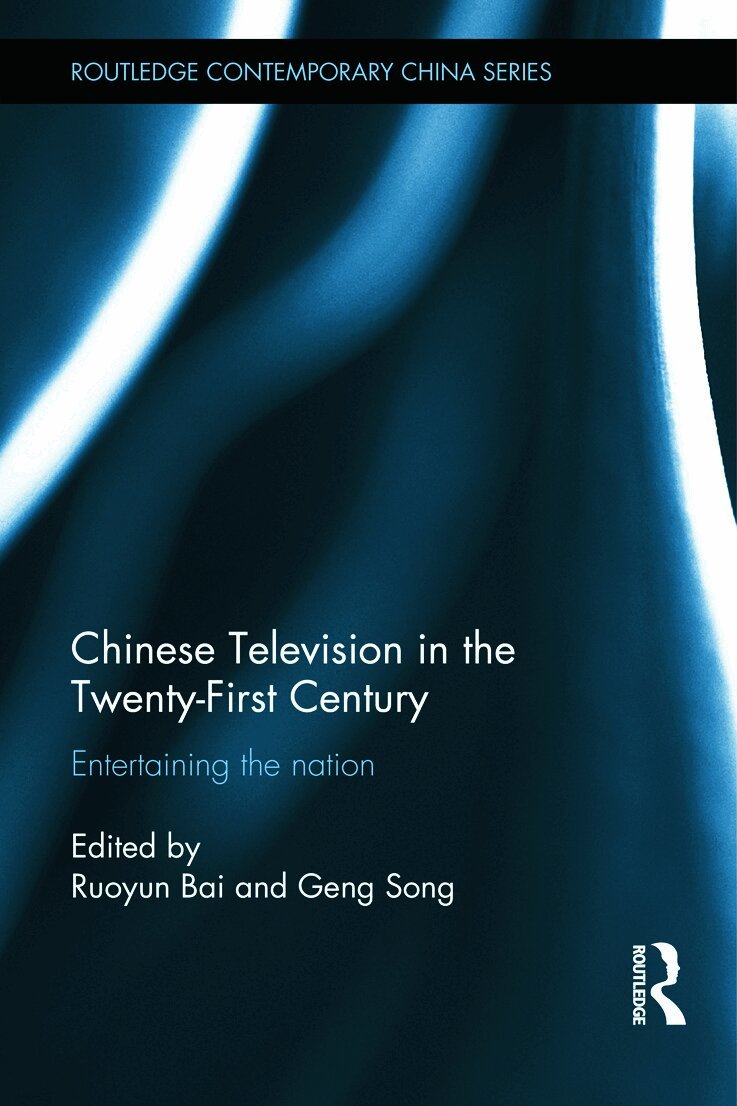
The past two decades witnessed the rise of television entertainment in China. Although television networks are still state-owned and Party-controlled in China, the ideological landscape of television programs has become increasingly diverse and even paradoxical, simultaneously subservient and defiant, nationalistic and cosmopolitan, moralistic and fun-loving, extravagant and mundane. Studying Chinese television as a key node in the network of power relationships, therefore, provides us with a unique opportunity to understand the tension-fraught and , paradox-permeated conditions of Chinese post-socialism. This book argues for a serious engagement with television entertainment. rethinking, It addresses the following questions. How is entertainment television politically and culturally significant in the Chinese context? How have political, industrial, and technological changes in the 2000s affected the way Chinese television relates to the state and society? How can we think of media regulation and censorship without perpetuating the myth of a self-serving authoritarian regime vs. a subdued cultural workforce? What do popular televisual texts tell us about the unsettled and reconfigured relations between commercial television and the state? The book presents a number of studies of popular television programs that are sensitive to the changing production and regulatory contexts for Chinese television in the twenty-first century.As an interdisciplinary study of the television industry, this book covers a number of important issues in China today, such as censorship, nationalism, consumerism, social justice, and the central and local authorities. As such, it will appeal to a broad audience including students and scholars of Chinese culture and society, media studies, television studies, and cultural studies.
1 046 kr
Skickas inom 7-10 vardagar
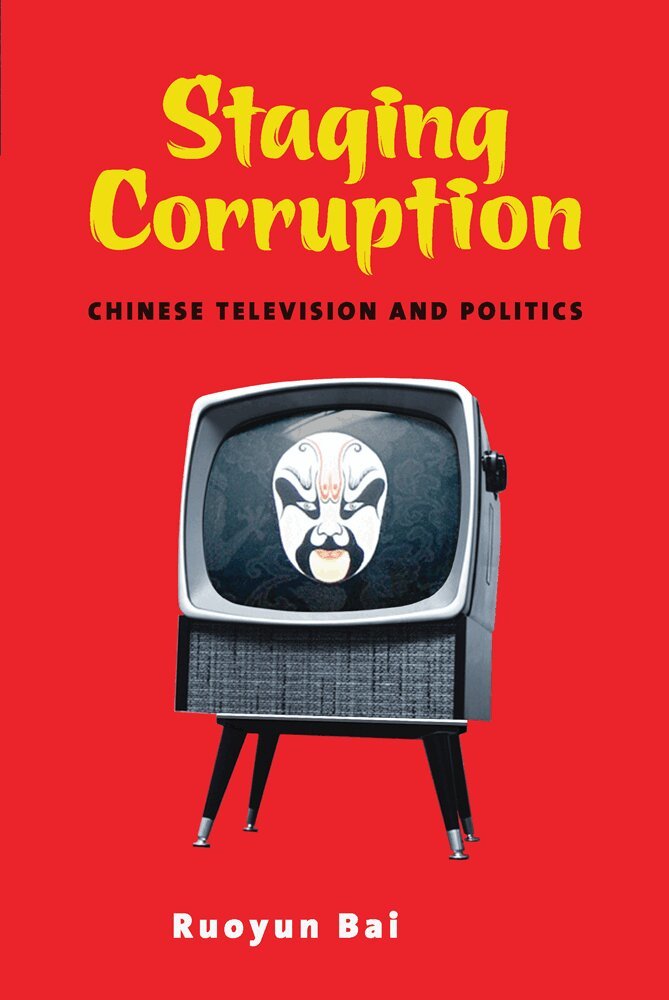
In late 1995, the drama Heaven Above (Cangtian zaishang) debuted on Chinese TV. Featuring a villainous high-ranking government official, it was the first in a series of wildly popular corruption dramas that riveted the nation. In Staging Corruption, Ruoyun Bai looks at the rise, fall, and reincarnation of these dramas and the ways in which they express the collective dreams and nightmares of China in the market-reform era. She also considers how these dramas – as products of the interplay between television stations, production companies, media regulation, and political censorship – unveil complicated relationships between power, media, and society. Her book will be essential reading for those following China's ongoing struggles with the highly volatile issue of political and social nepotism.
336 kr
Skickas inom 7-10 vardagar
In late 1995, the drama Heaven Above (Cangtian zaishang) debuted on Chinese TV. Featuring a villainous high-ranking government official, it was the first in a series of wildly popular corruption dramas that riveted the nation. In Staging Corruption, Ruoyun Bai looks at the rise, fall, and reincarnation of these dramas and the ways in which they express the collective dreams and nightmares of China in the market-reform era. She also considers how these dramas – as products of the interplay between television stations, production companies, media regulation, and political censorship – unveil complicated relationships between power, media, and society. Her book will be essential reading for those following China's ongoing struggles with the highly volatile issue of political and social nepotism.
725 kr
Skickas inom 10-15 vardagar
The past two decades witnessed the rise of television entertainment in China. Although television networks are still state-owned and Party-controlled in China, the ideological landscape of television programs has become increasingly diverse and even paradoxical, simultaneously subservient and defiant, nationalistic and cosmopolitan, moralistic and fun-loving, extravagant and mundane. Studying Chinese television as a key node in the network of power relationships, therefore, provides us with a unique opportunity to understand the tension-fraught and , paradox-permeated conditions of Chinese post-socialism. This book argues for a serious engagement with television entertainment. rethinking, It addresses the following questions. How is entertainment television politically and culturally significant in the Chinese context? How have political, industrial, and technological changes in the 2000s affected the way Chinese television relates to the state and society? How can we think of media regulation and censorship without perpetuating the myth of a self-serving authoritarian regime vs. a subdued cultural workforce? What do popular televisual texts tell us about the unsettled and reconfigured relations between commercial television and the state? The book presents a number of studies of popular television programs that are sensitive to the changing production and regulatory contexts for Chinese television in the twenty-first century.As an interdisciplinary study of the television industry, this book covers a number of important issues in China today, such as censorship, nationalism, consumerism, social justice, and the central and local authorities. As such, it will appeal to a broad audience including students and scholars of Chinese culture and society, media studies, television studies, and cultural studies.
393 kr
Tillfälligt slut
747 kr
Skickas inom 5-8 vardagar
This collection of essays brings together the first comprehensive study of TV drama in China. Examining in depth the production, distribution and consumption of TV drama, the international team of experts demonstrate why it remains the pre-eminent media form in China. The examples are diverse, highlighting the complexity of producing narrative content in a rapidly changing political and social environment. Genres examined include the revisionist Qing drama, historical and contemporary domestic dramas, anti-corruption dramas, "pink" dramas, Red Classics, stories from the Diaspora, and sit-coms. In addition to genres, the collection explores industry dynamics: how TV dramas are marketed and consumed on DVD, and China's aspirations to export its television drama rights. The book provides an international and cross-cultural perspective with chapters on Taiwanese TV drama in China, the impact of South Korean drama, and trans-border production between the Mainland and Hong Kong.
292 kr
Skickas
This collection of essays brings together the first comprehensive study of TV drama in China. Examining in depth the production, distribution and consumption of TV drama, the international team of experts demonstrate why it remains the pre-eminent media form in China. The examples are diverse, highlighting the complexity of producing narrative content in a rapidly changing political and social environment. Genres examined include the revisionist Qing drama, historical and contemporary domestic dramas, anti-corruption dramas, "pink" dramas, Red Classics, stories from the Diaspora, and sit-coms. In addition to genres, the collection explores industry dynamics: how TV dramas are marketed and consumed on DVD, and China's aspirations to export its television drama rights. The book provides an international and cross-cultural perspective with chapters on Taiwanese TV drama in China, the impact of South Korean drama, and trans-border production between the Mainland and Hong Kong.