Ruth Ben-Ghiat – författare
Visar alla böcker från författaren Ruth Ben-Ghiat. Handla med fri frakt och snabb leverans.
15 produkter
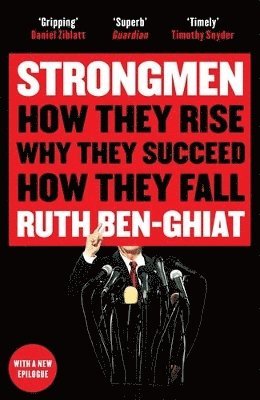
Strongmen
How They Rise, Why They Succeed, How They Fall
Häftad, 2021
5,0 utav 5 stjärnor. Totalt antal röster: (1)
178 kr
Lägg i varukorg
'A gripping and illuminating picture of how strongmen have deployed violence, seduction, and corruption' Daniel Ziblatt, co-author of How Democracies Die'A timely analysis of how a certain kind of charisma delivers political disaster' Timothy Snyder, author of On TyrannyOurs is the age of the …
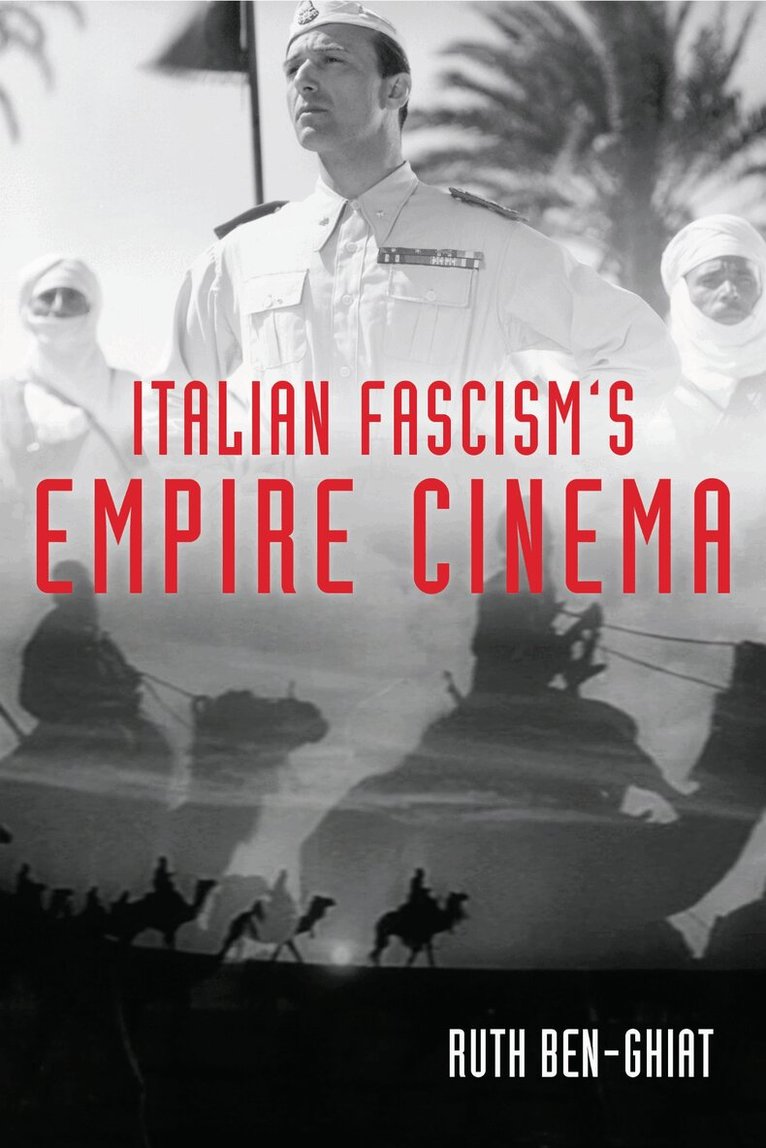
Italian Fascism's Empire Cinema
Inbunden, 2015
987 kr
Lägg i varukorg
Ruth Ben-Ghiat provides the first in-depth study of feature and documentary films produced under the auspices of Mussolini's government that took as their subjects or settings Italy's African and Balkan colonies. These "empire films" were Italy's entry into an international market for the exotic. …
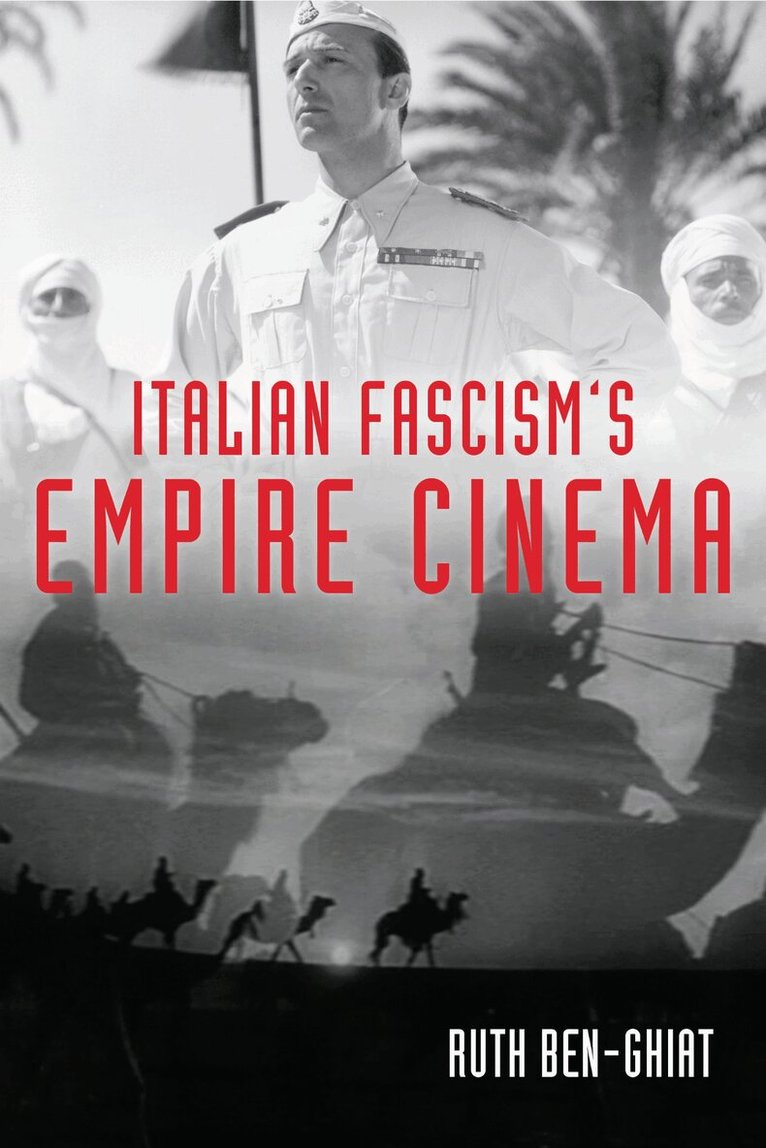
Italian Fascism's Empire Cinema
Häftad, 2015
396 kr
Lägg i varukorg
Ruth Ben-Ghiat provides the first in-depth study of feature and documentary films produced under the auspices of Mussolini's government that took as their subjects or settings Italy's African and Balkan colonies. These "empire films" were Italy's entry into an international market for the exotic. …
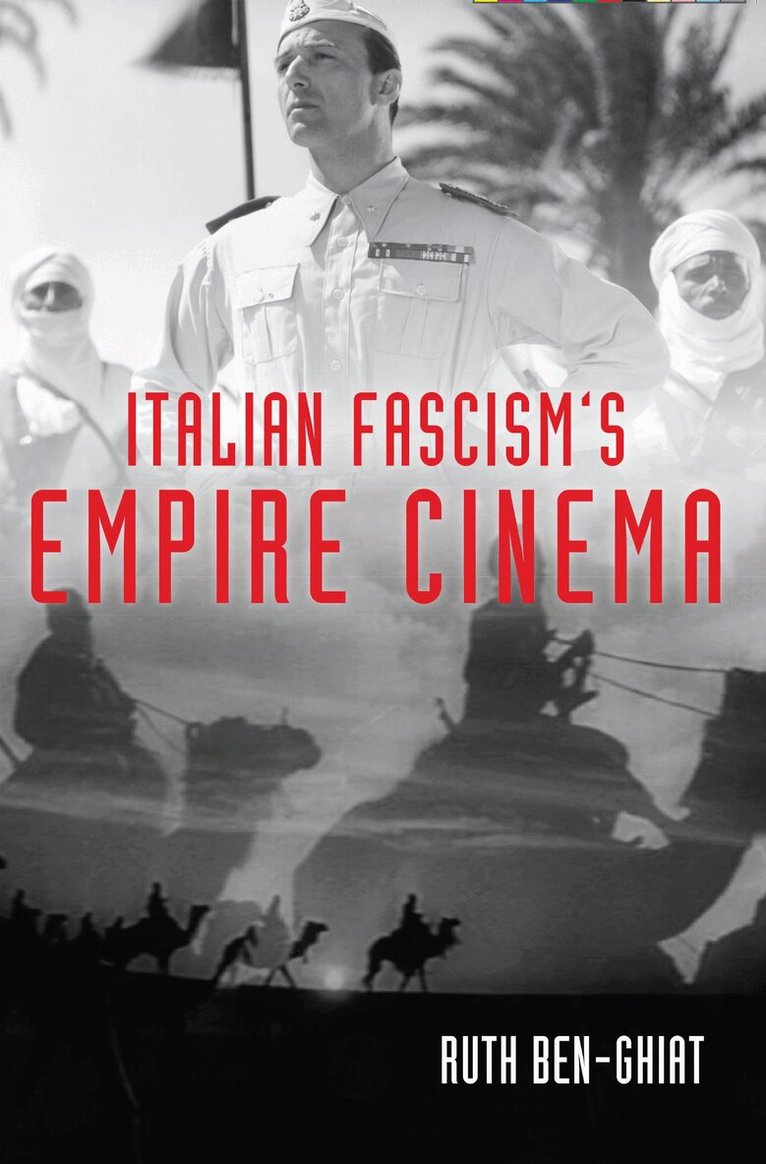
Italian Fascism's Empire Cinema
E-bok, 2015
104 kr
Lägg i varukorg
Ruth Ben-Ghiat provides the first in-depth study of feature and documentary films produced under the auspices of Mussolini's government that took as their subjects or settings Italy's African and Balkan colonies. These "empire films" were Italy's entry into an international market for the exotic. …
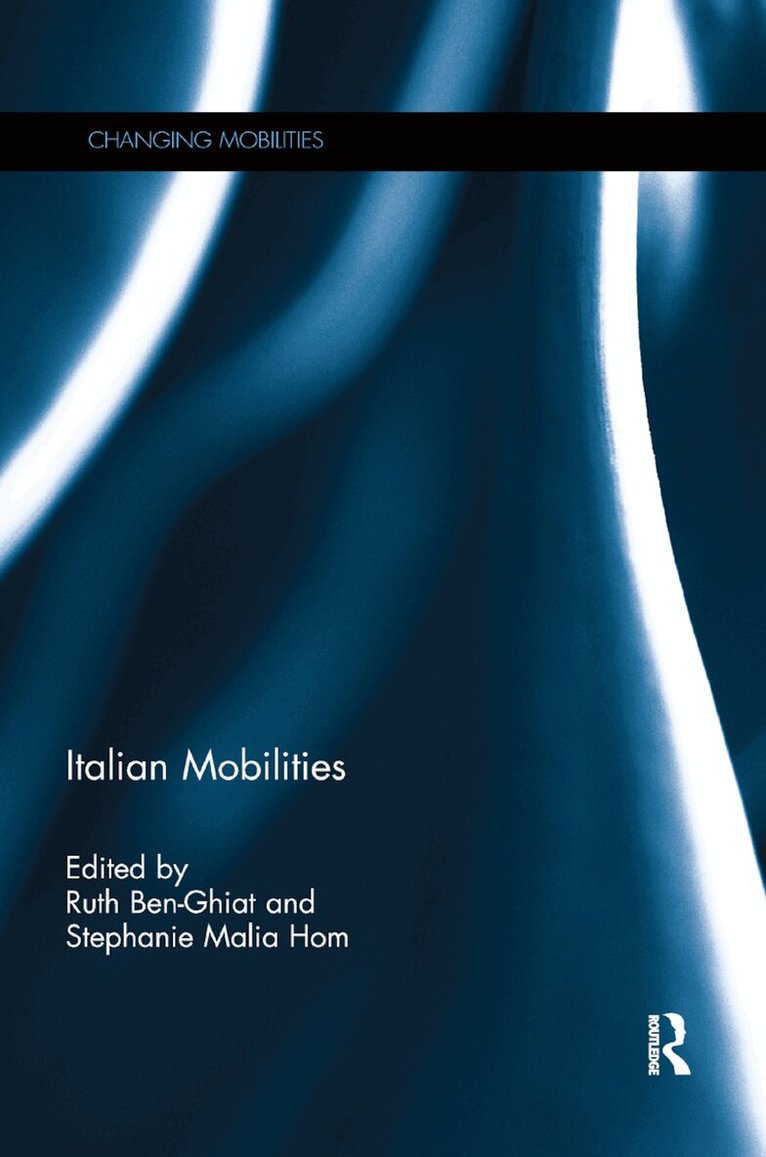
Italian Mobilities
Av Ruth Ben-Ghiat, Stephanie Hom
Häftad, 2019
710 kr
Lägg i varukorg
The Italian nation-state has been defined by practices of mobility. Tourists have flowed in from the era of the Grand Tour to the present, and Italians flowed out in massive numbers in the late 19th and early 20th centuries: Italians made up the largest voluntary emigration in recorded world …
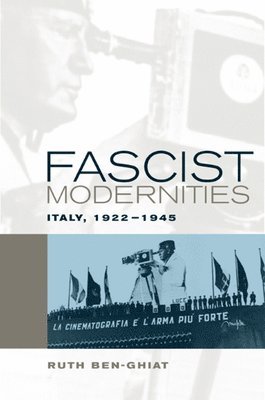
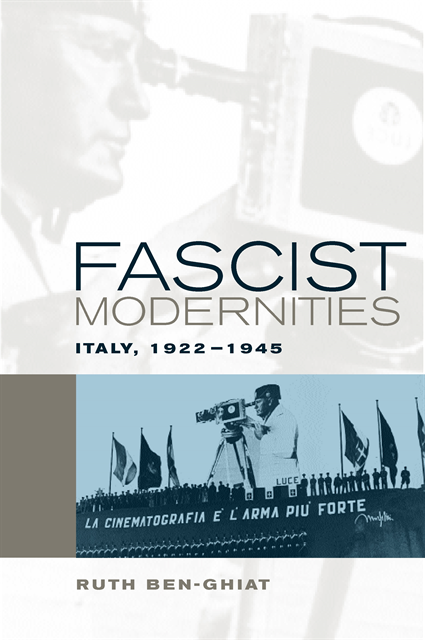
Fascist Modernities
Italy, 1922-1945
Inbunden, 2001
520 kr
Lägg i varukorg
Ruth Ben-Ghiat's innovative cultural history of Mussolini's dictatorship is a provocative discussion of the meanings of modernity in interwar Italy. Eloquent, pathbreaking, and deft in its use of a broad range of materials, this work argues that fascism appealed to many Italian intellectuals as a …
Fascist Modernities
Italy, 1922-1945
Häftad, 2004
456 kr
Lägg i varukorg
Ruth Ben-Ghiat's innovative cultural history of Mussolini's dictatorship is a provocative discussion of the meanings of modernity in interwar Italy. Eloquent, pathbreaking, and deft in its use of a broad range of materials, this work argues that fascism appealed to many Italian intellectuals as a …
Fascist Modernities
Italy, 1922-1945
E-bok, 2001
535 kr
Lägg i varukorg
Ruth Ben-Ghiat''s innovative cultural history of Mussolini''s dictatorship is a provocative discussion of the meanings of modernity in interwar Italy. Eloquent, pathbreaking, and deft in its use of a broad range of materials, this work argues that fascism appealed to many Italian intellectuals as a …
Italian Mobilities
Av Ruth Ben-Ghiat, Stephanie Hom
Inbunden, 2015
2578 kr
Lägg i varukorg
The Italian nation-state has been defined by practices of mobility. Tourists have flowed in from the era of the Grand Tour to the present, and Italians flowed out in massive numbers in the late 19th and early 20th centuries: Italians made up the largest voluntary emigration in recorded world …
Italian Mobilities
Av Stephanie Hom, Ruth Ben-Ghiat
E-bok, 2015
838 kr
Lägg i varukorg
The Italian nation-state has been defined by practices of mobility. Tourists have flowed in from the era of the Grand Tour to the present, and Italians flowed out in massive numbers in the late 19th and early 20th centuries: Italians made up the largest voluntary emigration in recorded world …
Italian Mobilities
Av Stephanie Hom, Ruth Ben-Ghiat
E-bok, 2015
838 kr
Lägg i varukorg
The Italian nation-state has been defined by practices of mobility. Tourists have flowed in from the era of the Grand Tour to the present, and Italians flowed out in massive numbers in the late 19th and early 20th centuries: Italians made up the largest voluntary emigration in recorded world …
Strongmen
How They Rise, Why They Succeed, How They Fall
E-bok, 2020
144 kr
Lägg i varukorg
''A gripping and illuminating picture of how strongmen have deployed violence, seduction, and corruption'' Daniel Ziblatt, co-author of How Democracies Die''A timely analysis of how a certain kind of charisma delivers political disaster'' Timothy Snyder, author of On Tyranny Ours is the age of the …
Ruth Ben-Ghiat
Intellectual Freedom in an Authoritarian Age
Häftad, 2026
182 kr
Kommande
In this lecture, Ruth Ben-Ghiat, an internationally renowned historian of fascism and authoritarian regimes past and present, stresses that universities have always been core targets of anti-democratic forces: “Strongmen disappear people, and they also disappear knowledge.” It’s an operation of …
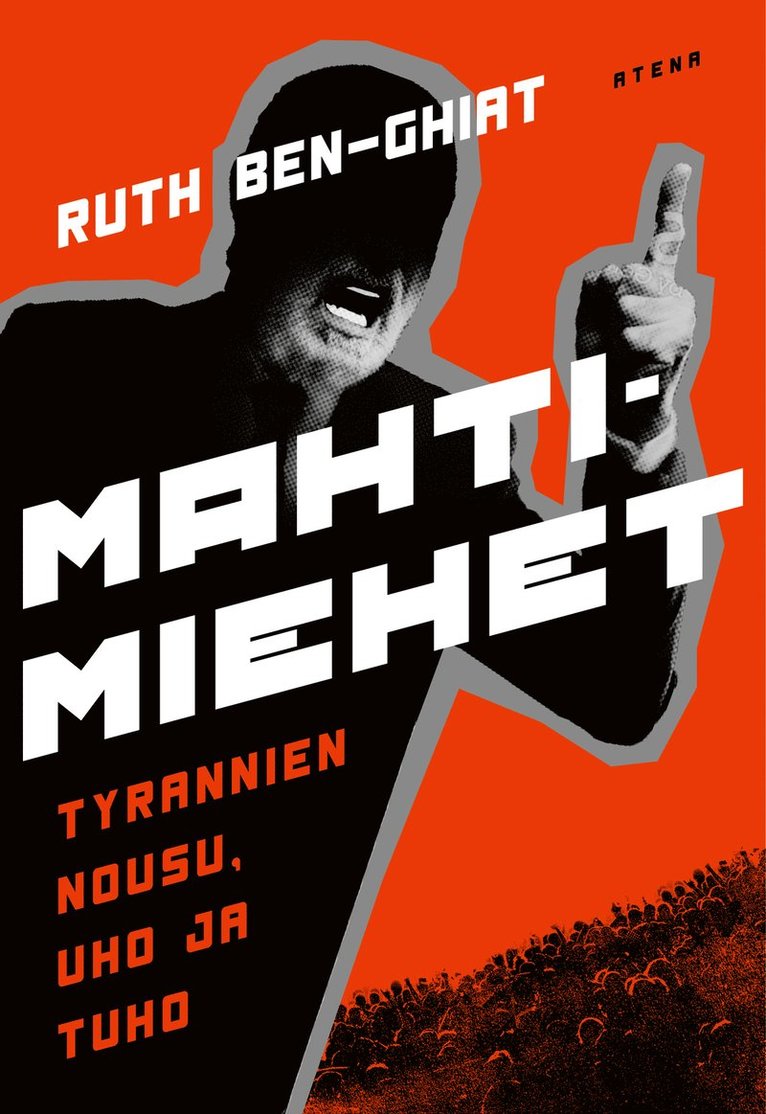
Mahtimiehet
E-bok, 2021
336 kr
Lägg i varukorg
Väkevä tietokirja tyrannien uudesta noususta. Autoritaarisia, maskuliinisuuttaan korostavia johtajia on noussut valtaan Brasiliasta Unkariin ja Turkista Intiaan. He hyödyntävät samoja keinoja kuin Mussolini ja Hitler aikoinaan ja valtaan päästyään he rapauttavat demokratiaa valeuutisilla, vaalien …
Mahtimiehet
Ljudbok, 2021
352 kr
Lägg i varukorg
Väkevä tietokirja tyrannien uudesta noususta. Autoritaarisia, maskuliinisuuttaan korostavia johtajia on noussut valtaan Brasiliasta Unkariin ja Turkista Intiaan. He hyödyntävät samoja keinoja kuin Mussolini ja Hitler aikoinaan ja valtaan päästyään he rapauttavat demokratiaa valeuutisilla, vaalien …