S. Morris Engel – författare
Visar alla böcker från författaren S. Morris Engel. Handla med fri frakt och snabb leverans.
5 produkter
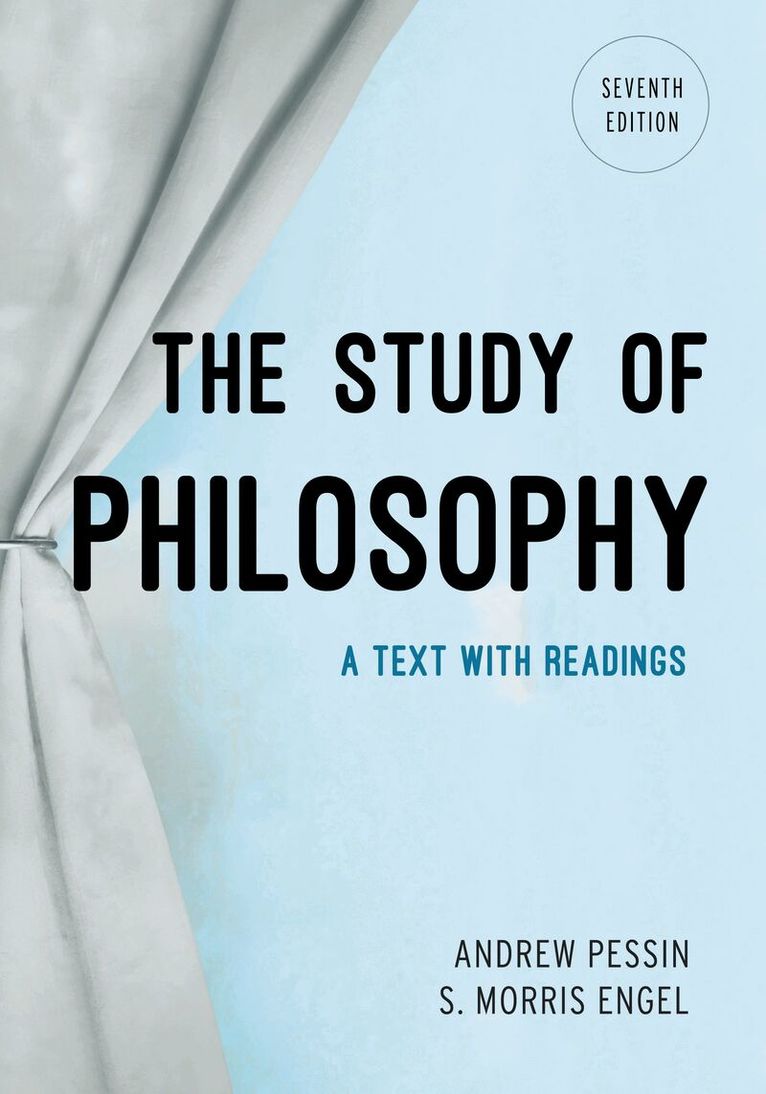
Study of Philosophy
A Text with Readings
Av Andrew Pessin, S. Morris Engel
Häftad, 2015
1275 kr
Lägg i varukorg
This seventh edition of The Study of Philosophy presents a comprehensive treatment of the major fields and figures of philosophy alongside primary readings by seminal thinkers to fuel debate and further study. New features of this edition include a substantive account of philosophical theology a …
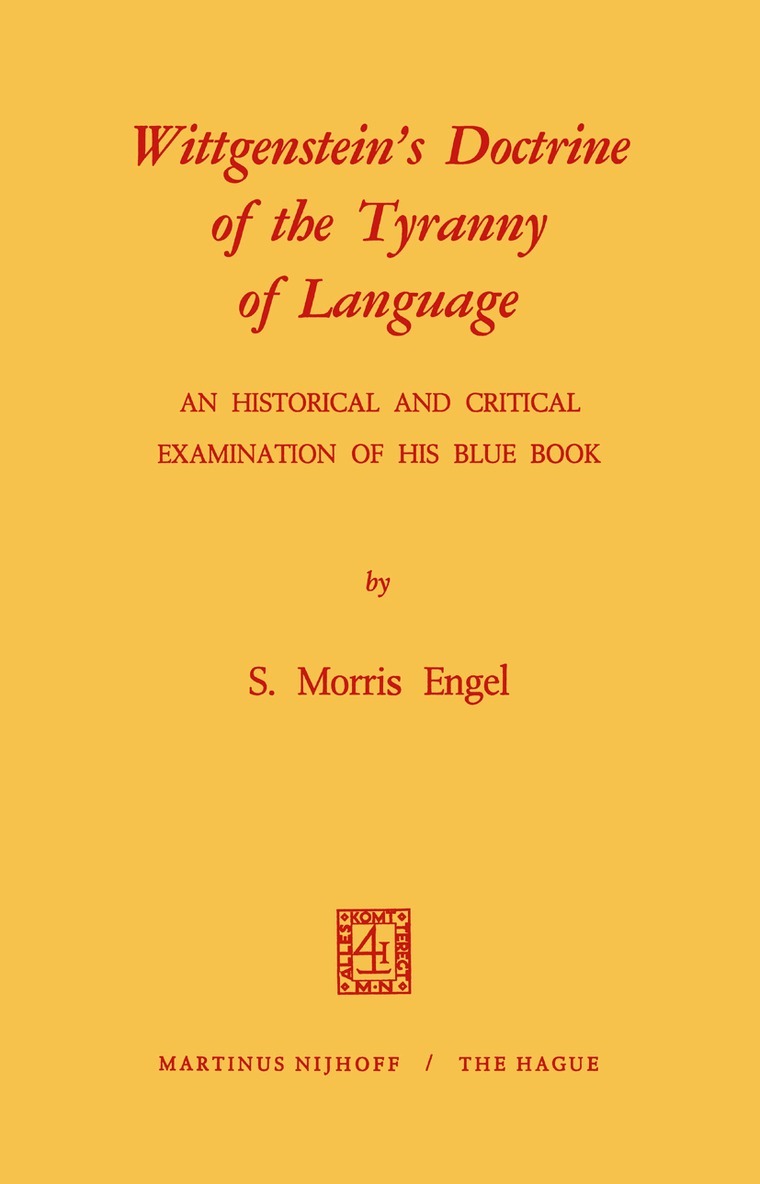
Wittgenstein’s Doctrine of the Tyranny of Language
An Historical and Critical Examination of His Blue Book
Häftad, 1971
551 kr
Lägg i varukorg
STEPHEN TOULMIN George Santayana used to insist that those who are ignorant of the history of thought are doomed to re-enact it. To this we can add a corollary: that those who are ignorant of the context of ideas are doom ed to misunderstand them. In a few self-contained fields such as pure …
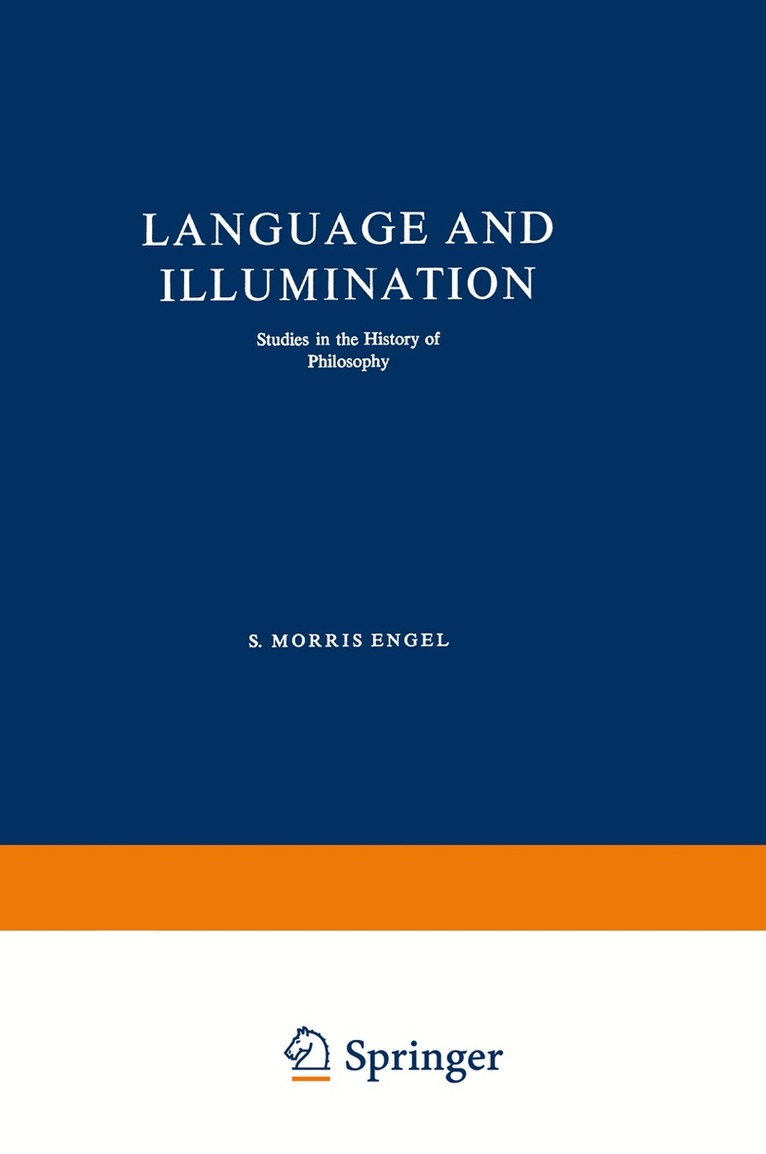
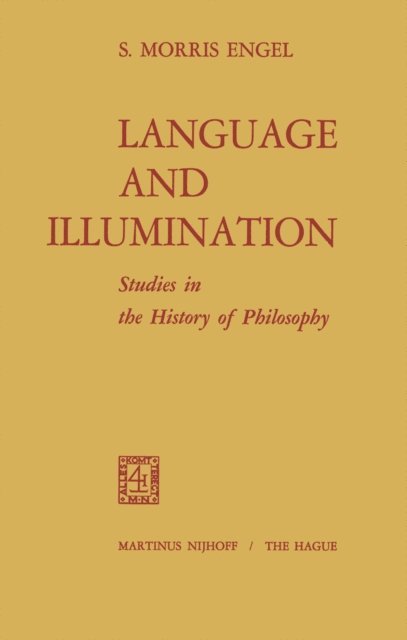
Language and Illumination
Studies in the History of Philosophy
E-bok, 2012
1174 kr
Lägg i varukorg
Although all the essays which make up this volume can be read as independent studies - and were in fact originally written as such - it is my hope that the reader will see that a unitary thread runs through them and that together they tell a story of their own. Written originally in response to …