S. N. Chaudhary – författare
Visar alla böcker från författaren S. N. Chaudhary. Handla med fri frakt och snabb leverans.
6 produkter
Dalit and Tribal Leadership in Panchayats
E-bok, 2007
3698 kr
Lägg i varukorg
Islam, as a philosophy, a way of life and of course as a faith, has served like a lighthouse for the whole world. It has, as a force, influenced all civilizations. Be it education, social fabric or science, Islam has Left its impact in all the spheres. In fact, Islam is-basically a scientific and …
Tribal Development Since Independence
E-bok, 2006
2292 kr
Lägg i varukorg
A cell is the smallest unit of living matter that is able to function independently, consisting of protoplasm a complex living material -and made up of three basic parts, a nucleus, cytoplasm and a cell membrane. There is a great amount of variability in cells with respect to their shape. Some of …
Tribal Education Implications For Development
E-bok, 2012
1381 kr
Lägg i varukorg
This book is an attempt to comprehend factors and conditions responsible for the present level of literacy and education, quality of education and implications of education received by cross section of tribes from their human rights, development and empowerment perspective. It is also an attempt to …
Primitive Tribes (PVTGs) of Central India Then and Now
E-bok, 2016
2063 kr
Lägg i varukorg
Particularly Vulnerable Tribal Groups (PVTGs) are more backward and under-developed in comparison to other tribes in terms of their socio-economic and health status. Over the time various institutional and voluntary efforts have been made for their upliftment. Their exposures to outside world have …
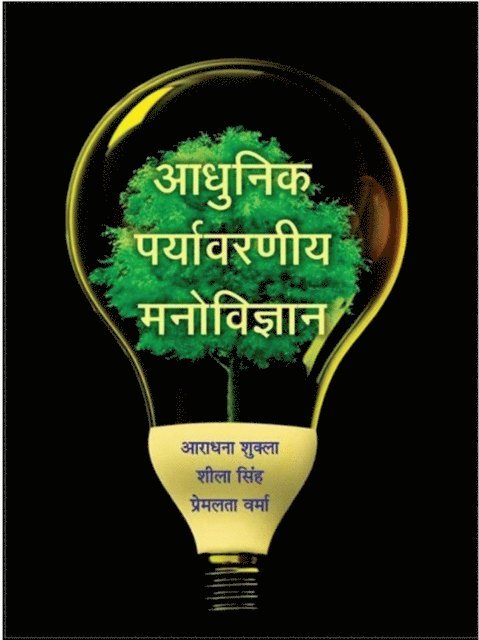
Adhunika Paryavaraniya Manovijnana
Av Manish Mishra, S. N. Chaudhary
E-bok, 2014
4583 kr
Lägg i varukorg
यद्यपि अंग्रेजी भाषा में पर्यावरण विज्ञान एवं पर्यावरणीय मनोविज्ञान विषयों पर अनेक स्तरीय पुस्तकें उपलब्ध हैं, परन्तु हिन्दी भाषी विद्यार्थियों एवं विषय में रुचि रखने वाले अध्येताओं हेतु हिन्दी में इस विषय पर पाठ्य पुस्तकों का अभाव है। लेखकों द्वारा इस विषय पर हिन्दी में पुस्तक लेखन इस अभाव की …
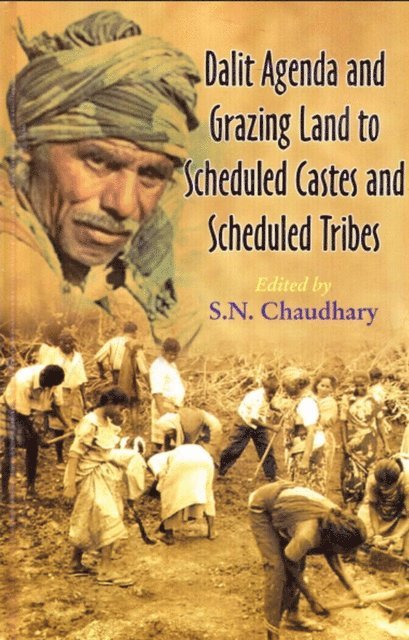
Dalit Agenda and Grazing Land to Scheduled Castes and Scheduled Tribes
E-bok, 2007
474 kr
Lägg i varukorg
This book makes a critical assessment of the Dalit Agenda or Bhopal Declaration, undertaken by the Government of Madhya Pradesh to empower scheduled castes and scheduled tribes population by way of distributing grazing land to them. How the agenda was translated into action? What were the …