S. Salih – författare
Visar alla böcker från författaren S. Salih. Handla med fri frakt och snabb leverans.
5 produkter
5 produkter
Inbunden, Engelska, 2009
1 244 kr
Skickas inom 10-15 vardagar
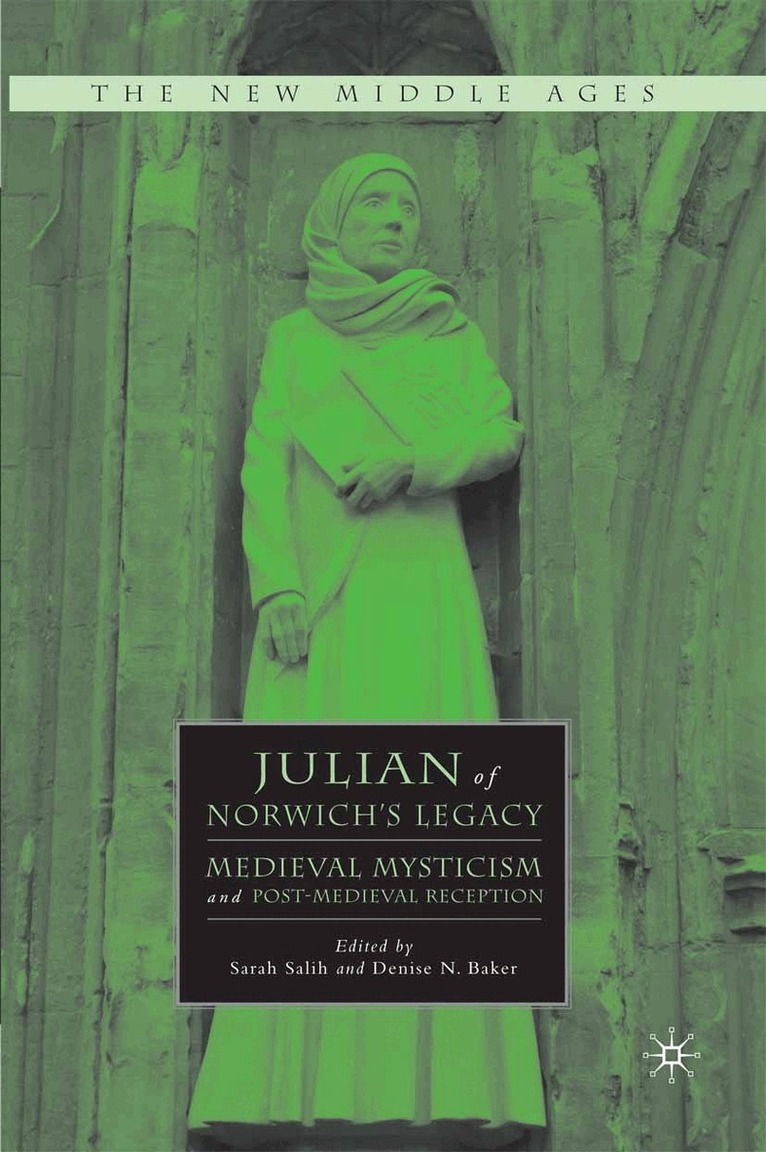
This collection fills that gap: it outlines the full reception history from the extant manuscripts to the present day, looking at Julian in devotional cultures, in modernist poetry and present-day popular literature, and in her iconography in Norwich, both as a pilgrimage site and a tourist attraction.
Inbunden, Engelska, 2010
2 220 kr
Skickas inom 10-15 vardagar
This study considers cultural representations of "brown" people in Jamaica and England alongside the determinations of race by statute from the Abolition era onwards. Through close readings of contemporary fictions and "histories," Salih probes the extent to which colonial ideologies may have been underpinned by what might be called subject-constituting statutes, along with the potential for force and violence which necessarily undergird the law. The author explores the role legal and non-legal discourse plays in disciplining the brown body in pre- and post-Abolition colonial contexts, as well as how are other bodies and identities – e.g. black, white are discursively disciplined. Salih examines whether or not it’s possible to say that non-legal texts such as prose fictions are engaged in this kind of discursive disciplining, and more broadly, looks at what contemporary formulations of "mixed" identity owe to these legal or non-legal discursive formations. This study demonstrates the striking connections between historical and contemporary discourses of race and brownness and argues for a shift in the ways we think about, represent and discuss "mixed race" people.
Häftad, Engelska, 2015
782 kr
Skickas inom 10-15 vardagar
This study considers cultural representations of "brown" people in Jamaica and England alongside the determinations of race by statute from the Abolition era onwards. Through close readings of contemporary fictions and "histories," Salih probes the extent to which colonial ideologies may have been underpinned by what might be called subject-constituting statutes, along with the potential for force and violence which necessarily undergird the law. The author explores the role legal and non-legal discourse plays in disciplining the brown body in pre- and post-Abolition colonial contexts, as well as how are other bodies and identities – e.g. black, white are discursively disciplined. Salih examines whether or not it’s possible to say that non-legal texts such as prose fictions are engaged in this kind of discursive disciplining, and more broadly, looks at what contemporary formulations of "mixed" identity owe to these legal or non-legal discursive formations. This study demonstrates the striking connections between historical and contemporary discourses of race and brownness and argues for a shift in the ways we think about, represent and discuss "mixed race" people.
Häftad, Engelska, 2009
1 244 kr
Skickas inom 10-15 vardagar
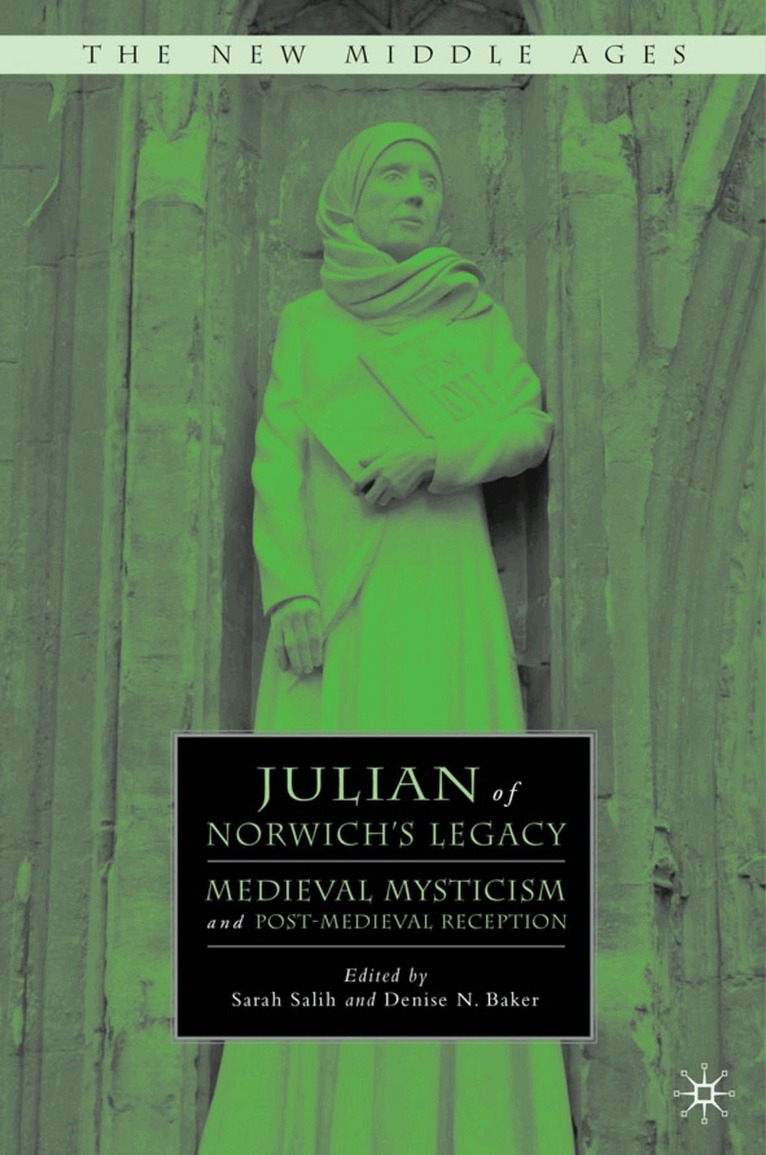
This collection fills that gap: it outlines the full reception history from the extant manuscripts to the present day, looking at Julian in devotional cultures, in modernist poetry and present-day popular literature, and in her iconography in Norwich, both as a pilgrimage site and a tourist attraction.
Inbunden, Engelska, 2004
1 244 kr
Skickas inom 10-15 vardagar
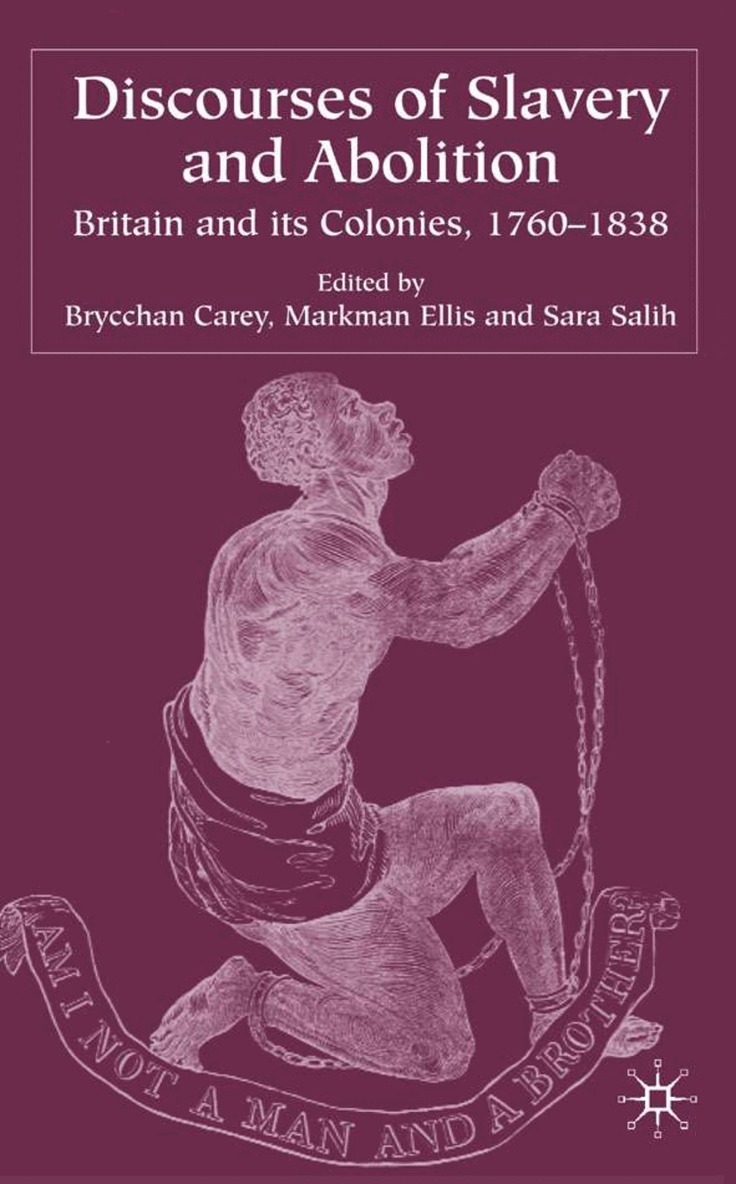
Discourses of Slavery and Abolition brings together for the first time the most important strands of current thinking on the relationship between slavery and categories of writing, oratory and visual culture in the 'long' Eighteenth-century. The book begins by examining writing about slavery and race by both philosophers and by authors such as Aphra Behn. It considers self-representation in the works of Ignatius Sancho, Olaudah Equiano, James Williams and Mary Prince. The final section reads literary and cultural texts associated with the abolition movements of the Eighteenth and Nineteenth centuries, moving beyond traditional accounts of the documents of that movement to show the importance of religious writing, children's literature and the relationship between art and abolition.