D. Baker - Böcker
Visar alla böcker från författaren D. Baker. Handla med fri frakt och snabb leverans.
5 produkter
5 produkter
1 224 kr
Skickas inom 10-15 vardagar
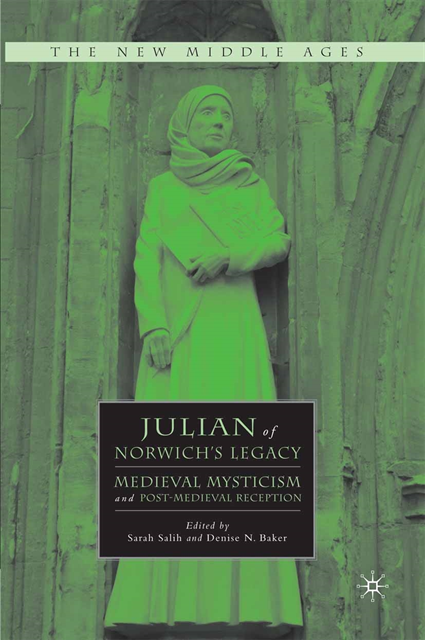
This collection fills that gap: it outlines the full reception history from the extant manuscripts to the present day, looking at Julian in devotional cultures, in modernist poetry and present-day popular literature, and in her iconography in Norwich, both as a pilgrimage site and a tourist attraction.
552 kr
Skickas inom 10-15 vardagar
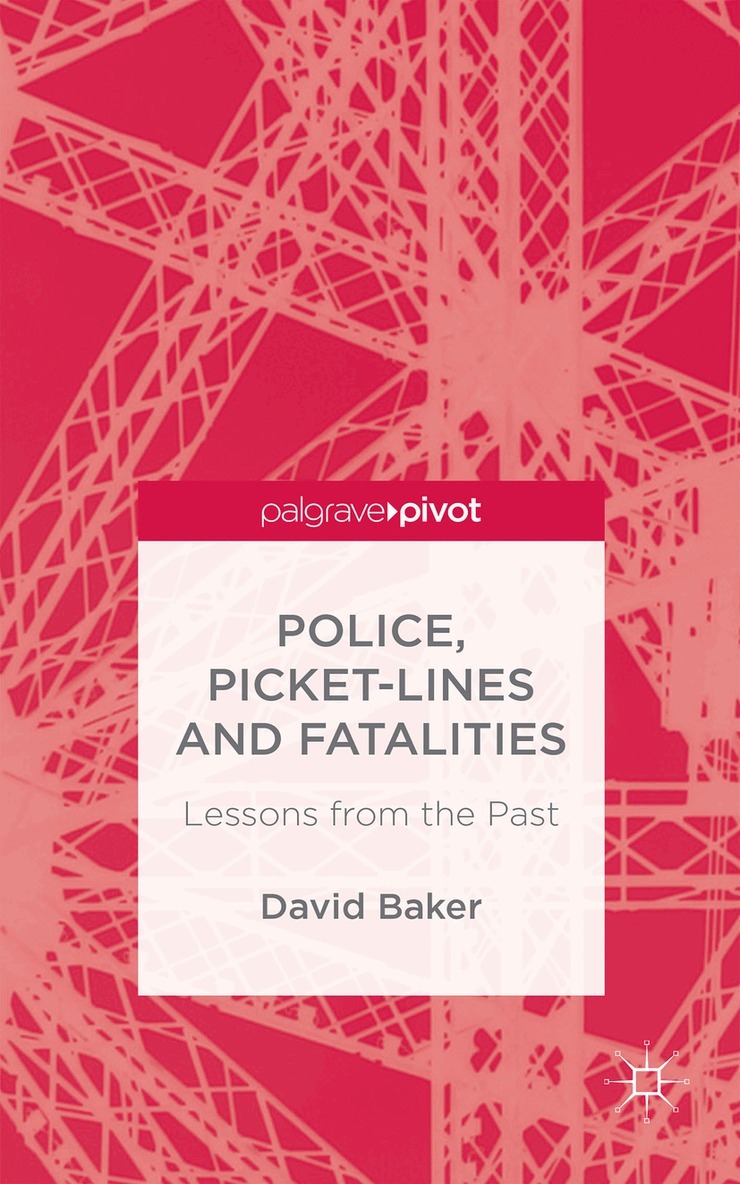
Police, Picket-lines and Fatalities explores public protests and their management by the police, focusing on the fatalities of strikers at the hands of police and outlining practices towards preventing such tragedies.
1 224 kr
Skickas inom 10-15 vardagar
This collection fills that gap: it outlines the full reception history from the extant manuscripts to the present day, looking at Julian in devotional cultures, in modernist poetry and present-day popular literature, and in her iconography in Norwich, both as a pilgrimage site and a tourist attraction.
Due Diligence, Disclosures and Warranties
in the Corporate Acquisitions Practice
Inbunden, Engelska, 1984
4 769 kr
Skickas inom 3-6 vardagar
536 kr
Skickas inom 10-15 vardagar
Five years have now passed since the first symposium on frankiae was held at Harvard Forest, Petersham, Massachusetts, USA and the inauguration of the term actinorhiza. Many advances have been made during these five years in our understanding of the actinorhizal symbioses. Evidence for this was provided by the papers presented at the Wageningen Workshop on Frankia symbioses, held in Wageningen at the Department of Microbiology of the Agricultural University. Most of these papers are now published in this volume of PLANT AND SOIL. We kindly acknowledge the assistance of Anton Houwers, editor of the journal, in planning, reviewing and publishing these studies. Although the papers presented at Wageningen described the active research areas, they also illuminated those aspects of these symbioses which remain beyond our understanding. Primary among the areas of our ignorance is the concept of species within the bacterial symbiont, Frankia. At present groupings of bacterial strains are based on cell chemistry, physiology, serology, DNA homology and symbiotic capa bilities (cross-inoculation). When these classification schemes are merged no clear species framework is obtained. Undoubtedly part of the difficulty is due to a lack of strains for analysis. Currently bacterial strains from only half of the actinorhizal symbioses known to exist, have been isolated and studied in pure culture. We must postpone there fore any comprehensive taxonomic classification until a larger majority of the symbioses are represented. Another research area wherein our understanding is insufficient is host-symbiont interaction.