Sabata-mpho Mokae – författare
Visar alla böcker från författaren Sabata-mpho Mokae. Handla med fri frakt och snabb leverans.
3 produkter
3 produkter
Inbunden, Engelska, 2021
1 377 kr
Skickas inom 5-8 vardagar
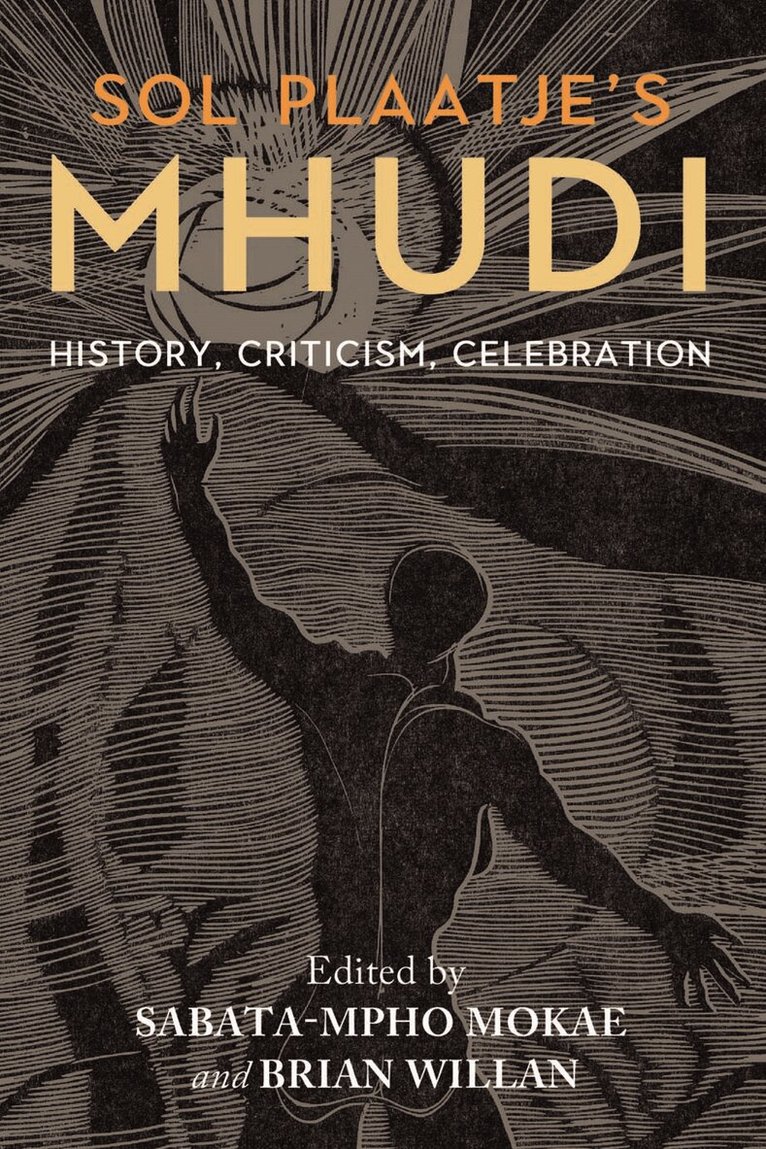
International scholars explore one of the most important postcolonial novels of African literature.Joint winner of Best Non-Fiction Biography, Humanities and Social Sciences Awards 2020 Sol Plaatje's Mhudi is the first full-length novel in English to have been written by a black South African and is widely regarded as one of Africa's most important literary works. Drawing upon both oral and literary traditions, Plaatje uses the form of the historical novel, and romance genre, to explore the 19th-century dispossession of his people, to provide a novel black perspective on their history. It is a book that speaks to present-day concerns, to do with land, language, history and decolonisation. Today the novel has iconic status, not only in South Africa, but worldwide - it has been translated into a number of languages - and its impact on other writers has been profound. The novelist Bessie Head described it as "more than a classic; there is just no other book on earth like it. All the stature and grandeur of the author are in it."A century after its writing in London in 1920 [it was published in South Africa in 1930, for reasons explained in the book], and at a time of intellectual ferment, with debates on decolonisation to the fore, in popular culture as much as in the academy, this book celebrates Mhudi's place in African literature, reviews its critical reception, and offers fresh perspectives. The contributors discuss Mhudis genesis, writing and publication; its reception by literary critics from the 1930s to thepresent; Mhudi as a feminist novel; Mhudis use of oral tradition; issues of translation; Mhudi in the context of African literature and history, and the decolonisation of the curriculum. An authoritative listing of all editions of Mhudi, translations as well as in English completes the book.SABATA MOKAE is a novelist and lecturer in creative writing at Sol Plaatje University, Kimberley, and the author of The Story of Sol T. Plaatje (2010). BRIAN WILLAN is Senior Research Fellow at Rhodes University, Extraordinary Professor at Sol Plaatje and North West Universities. He is the author of Sol Plaatje: a life of Solomon Tshekisho Plaatje,1876-1932 (2018), and co-editor (with Janet Remmington and Bheki Peterson) of Sol Plaatje's Native Life in South Africa: Past and Present (2016).Africa: Jacana
E-bok
PDF, Engelska, 2016428 kr
Läs direkt efter köp
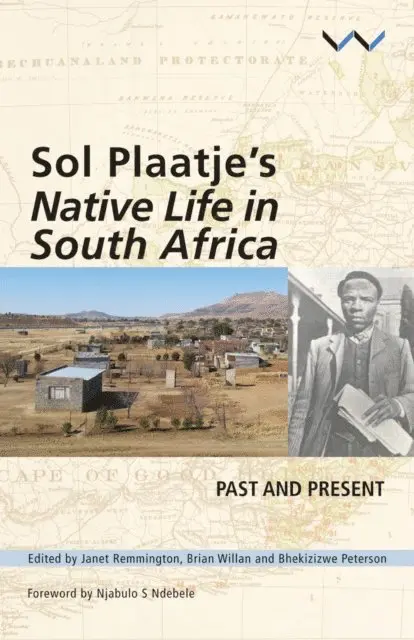
First published in 1916, Sol Plaatje’s Native Life in South Africa was written by one of the South Africa’s most talented early twentieth-century black leaders and journalists. Plaatje’s pioneering book arose out of an early African National Congress campaign to protest against the discriminatory1913 Natives Land Act. Native Life vividly narrates Plaatje’s investigative journeying into South Africa’s rural heartlands to report on the effects of the Act and his involvement in the deputation to the British imperial government. At the same time it tells the bigger story of the assault on black rights and opportunities in the newly consolidated Union of South Africa – and the resistance to it. Originally published in war-time London, but about South Africa and its place in the world, Native Life travelled far and wide, being distributed in the United States under the auspices of prominent African-American W E B Du Bois. South African editions were to follow only in the late apartheid period and beyond. The aim of this multi-authored volume is to shed new light on how and why Native Life came into being at a critical historical juncture, and to reflect on how it can be read in relation to South Africa’s heightened challenges today. Crucial areas that come under the spotlight in this collection include land, race, history, mobility, belonging, war, the press, law, literature, language, gender, politics, and the state.
E-bok
Engelska, 2016432 kr
Läs direkt efter köp
First published in 1916, Sol Plaatje’s Native Life in South Africa was written by one of the South Africa’s most talented early twentieth-century black leaders and journalists. Plaatje’s pioneering book arose out of an early African National Congress campaign to protest against the discriminatory1913 Natives Land Act. Native Life vividly narrates Plaatje’s investigative journeying into South Africa’s rural heartlands to report on the effects of the Act and his involvement in the deputation to the British imperial government. At the same time it tells the bigger story of the assault on black rights and opportunities in the newly consolidated Union of South Africa – and the resistance to it. Originally published in war-time London, but about South Africa and its place in the world, Native Life travelled far and wide, being distributed in the United States under the auspices of prominent African-American W E B Du Bois. South African editions were to follow only in the late apartheid period and beyond. The aim of this multi-authored volume is to shed new light on how and why Native Life came into being at a critical historical juncture, and to reflect on how it can be read in relation to South Africa’s heightened challenges today. Crucial areas that come under the spotlight in this collection include land, race, history, mobility, belonging, war, the press, law, literature, language, gender, politics, and the state.